
 EN
EN
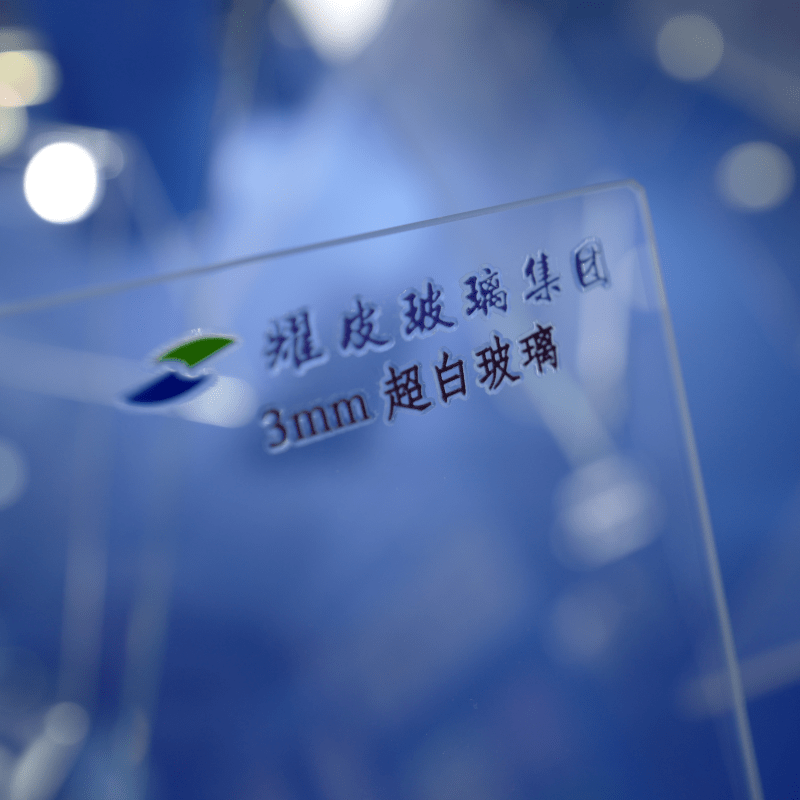
The global shift toward sustainable energy solutions has positioned tco glass as a critical component in modern solar technology and smart building applications. This specialized transparent conductive oxide coating offers exceptional electrical conductivity while maintaining optical transparency, making it an indispensable material for photovoltaic cells, electrochromic windows, and advanced display technologies. As manufacturers and developers evaluate material choices for 2026 projects, understanding the unique value proposition of tco glass becomes essential for making informed investment decisions that balance performance requirements with long-term cost considerations.
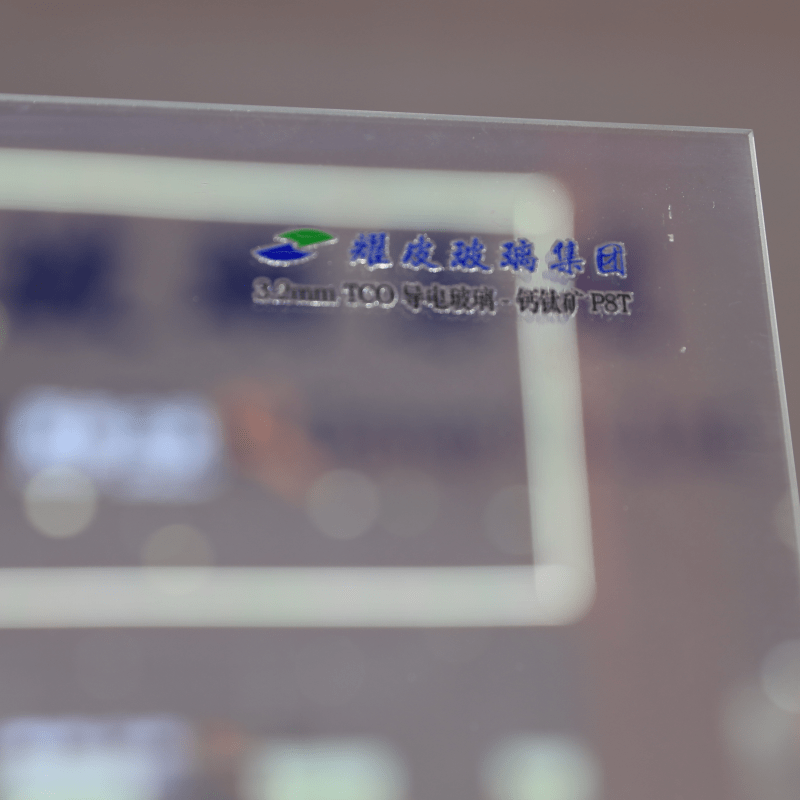
Advanced Material Properties of TCO Glass
Electrical Conductivity and Transparency Balance
The fundamental advantage of tco glass lies in its unique combination of high electrical conductivity and exceptional optical transparency. Unlike traditional conductive materials that sacrifice transparency for conductivity, tco glass maintains over 85% visible light transmission while achieving sheet resistance values as low as 10 ohms per square. This remarkable balance enables applications where both electrical functionality and visual clarity are paramount, such as transparent heating elements and smart window technologies.
Modern tco glass formulations incorporate advanced doping techniques that optimize the trade-off between conductivity and transparency. The careful selection of dopant materials and concentration levels allows manufacturers to fine-tune electrical properties without compromising optical performance. This precision engineering results in consistent material characteristics that meet stringent industry specifications for both solar cell efficiency and architectural glazing requirements.
Thermal Stability and Environmental Resistance
Environmental durability represents another compelling aspect of tco glass technology, particularly relevant for long-term outdoor applications. The material demonstrates exceptional thermal stability across temperature ranges from -40°C to 85°C, maintaining consistent electrical and optical properties throughout extreme weather conditions. This thermal resilience translates directly into reduced maintenance costs and extended service life for solar installations and building-integrated photovoltaic systems.
Chemical resistance properties of tco glass provide additional protection against atmospheric pollutants, moisture, and UV radiation exposure. The robust surface coating resists degradation from acid rain, salt spray, and industrial emissions, ensuring consistent performance in challenging environmental conditions. These protective characteristics significantly reduce the total cost of ownership by minimizing replacement frequency and maintenance interventions over the product lifecycle.
Economic Advantages in Solar Applications
Enhanced Energy Conversion Efficiency
Solar panel manufacturers increasingly rely on tco glass to maximize energy conversion efficiency in photovoltaic systems. The superior electrical conductivity of the transparent electrode layer reduces series resistance losses, enabling higher current collection efficiency from individual solar cells. This improvement in electrical performance typically translates to 2-3% higher power output compared to conventional electrode materials, providing measurable returns on investment through increased energy generation.
Anti-reflective properties inherent in quality tco glass formulations further enhance solar cell performance by reducing optical losses at the front surface. The optimized refractive index matching minimizes reflection losses that would otherwise reduce incident light availability for photovoltaic conversion. Combined with the electrical benefits, these optical enhancements create synergistic effects that maximize overall system efficiency and revenue generation potential.
Manufacturing Cost Optimization
Production efficiency improvements associated with tco glass implementation often offset initial material cost premiums through streamlined manufacturing processes. The uniform surface properties and consistent electrical characteristics enable faster processing speeds and higher yield rates in solar cell fabrication. Reduced waste generation and improved process control translate directly into lower per-unit production costs, particularly significant for high-volume manufacturing operations.
Supply chain advantages emerge from the standardized specifications and reliable availability of quality tco glass products. Established manufacturing partnerships provide predictable pricing structures and delivery schedules that support accurate project cost forecasting and inventory management. These operational benefits contribute to overall project economics by reducing uncertainty and enabling more competitive project pricing strategies.
Smart Building Integration Benefits
Electrochromic Window Applications
The integration of tco glass in electrochromic window systems delivers substantial energy savings through dynamic daylight and heat management capabilities. Smart glass technologies utilizing transparent conductive electrodes enable real-time control of solar heat gain and glare reduction without mechanical shading systems. This functionality typically reduces HVAC energy consumption by 15-25% in commercial buildings, generating measurable operational cost savings that justify the initial technology investment.
Advanced building automation systems leverage the precise electrical control capabilities of tco glass electrodes to optimize occupant comfort and energy efficiency simultaneously. The rapid switching response and uniform opacity control provide superior performance compared to alternative smart glazing technologies. Building owners benefit from reduced utility costs, enhanced tenant satisfaction, and improved property values through the implementation of cutting-edge sustainable building technologies.
Transparent Heating Element Performance
Transparent heating applications represent an emerging market where tco glass provides unique advantages over conventional heating solutions. The uniform heat distribution achievable through transparent conductive coatings eliminates hot spots and provides precise temperature control for specialty applications. From automotive windshield defogging to architectural ice prevention systems, tco glass heating elements deliver reliable performance with minimal visual impact.
Energy efficiency benefits of tco glass heating elements stem from the direct electrical-to-thermal conversion without intermediate heat transfer mechanisms. The thin-film electrode structure enables rapid thermal response and precise temperature regulation, reducing energy waste associated with thermal mass and heat transfer delays. These performance characteristics translate into lower operating costs and improved system responsiveness for temperature-critical applications.
Quality Standards and Certification Requirements
Industry Specification Compliance
Professional-grade tco glass products must meet rigorous international standards for electrical, optical, and mechanical performance characteristics. IEC 61215 photovoltaic module qualification standards specifically address transparent electrode requirements that directly impact long-term system reliability and performance guarantees. Compliance with these established standards provides assurance of product quality and compatibility with existing system designs and installation practices.
Third-party testing and certification programs validate the claimed performance characteristics of tco glass products through standardized measurement protocols. Independent verification of sheet resistance, transmittance, and durability parameters enables informed material selection based on documented performance data rather than manufacturer claims alone. This objective evaluation process supports confident investment decisions and reduces technical risks associated with new product adoption.
Quality Control and Manufacturing Consistency
Advanced manufacturing quality control systems ensure consistent tco glass performance across large production volumes through precise process monitoring and statistical quality management. Real-time measurement of critical parameters during coating deposition enables immediate process corrections that maintain product specifications within tight tolerances. This manufacturing precision translates into predictable system performance and reduced installation complications for end users.
Batch-to-batch consistency in tco glass properties facilitates reliable system design and performance modeling for large-scale installations. Standardized material characteristics enable accurate energy yield predictions and financial modeling that support investment decision-making processes. The reduced performance variability associated with quality-controlled manufacturing processes minimizes project risks and enhances overall investment attractiveness.
Future Technology Integration Potential
Emerging Applications and Market Growth
Technological advancement continues to expand the application potential for tco glass beyond traditional solar and smart glazing markets into emerging fields such as transparent electronics and augmented reality displays. The fundamental material properties that make tco glass valuable for current applications provide the foundation for next-generation technologies that require transparent conductive substrates. Early investment in proven tco glass technologies positions organizations to capitalize on future market opportunities as they develop.
Market analysis indicates substantial growth potential for transparent conductive materials driven by increasing adoption of smart building technologies, electric vehicle integration, and renewable energy expansion. The established manufacturing infrastructure and supply chains for tco glass provide competitive advantages for early adopters who can leverage economies of scale and established supplier relationships. Strategic technology investments made in 2026 will likely yield compounding returns as market demand continues expanding.
Technology Roadmap Compatibility
The fundamental physics and chemistry of tco glass technology align well with anticipated future developments in materials science and nanotechnology. Ongoing research into advanced dopant systems and nanostructured transparent conductors builds upon existing tco glass platforms rather than replacing them entirely. This evolutionary development path provides confidence that current tco glass investments will remain relevant and valuable as technology continues advancing.
Integration compatibility with emerging energy storage systems and smart grid technologies positions tco glass as a enabling component for comprehensive sustainable energy solutions. The electrical interface capabilities and environmental durability of quality transparent conductive materials support seamless integration with battery storage systems, power electronics, and grid-tie equipment. This systems-level compatibility enhances the long-term value proposition for tco glass investments across multiple application domains.
FAQ
What factors determine the return on investment for tco glass in solar applications
The return on investment for tco glass in solar applications depends primarily on the efficiency gains achieved through improved electrical conductivity and optical transmission properties. Higher energy conversion efficiency directly translates to increased electricity generation and revenue over the system lifetime. Additionally, the enhanced durability and weather resistance of quality tco glass reduce maintenance costs and extend system operational life, contributing to improved financial returns through reduced lifecycle costs.
How does tco glass performance compare to alternative transparent electrode materials
Compared to alternative transparent electrode materials such as indium tin oxide films or metal mesh electrodes, tco glass offers superior combination of electrical conductivity, optical transparency, and environmental durability. The sheet resistance values achievable with advanced tco glass formulations typically outperform organic conductive polymers while maintaining better long-term stability under outdoor exposure conditions. Manufacturing scalability and cost-effectiveness also favor tco glass for large-scale commercial applications.
What quality certification standards should buyers evaluate when selecting tco glass suppliers
Buyers should prioritize suppliers that demonstrate compliance with IEC 61215 photovoltaic standards and ISO 9001 quality management certification. Third-party testing documentation for electrical conductivity, optical transmission, and environmental durability provides objective verification of product performance claims. Additionally, suppliers with established quality control processes and statistical process monitoring capabilities offer greater assurance of consistent product characteristics across large production volumes.
How do building codes and regulations impact tco glass implementation in construction projects
Building codes increasingly recognize smart glass technologies and transparent conductive materials as approved building components, particularly for energy efficiency applications. Local electrical codes may require specific installation practices for heated glass systems, while energy efficiency standards often provide incentives for smart glazing installations that demonstrate measurable energy savings. Consultation with local building officials during the design phase ensures compliance with applicable regulations and maximizes available incentive programs for sustainable building technologies.
Table of Contents
- Advanced Material Properties of TCO Glass
- Economic Advantages in Solar Applications
- Smart Building Integration Benefits
- Quality Standards and Certification Requirements
- Future Technology Integration Potential
-
FAQ
- What factors determine the return on investment for tco glass in solar applications
- How does tco glass performance compare to alternative transparent electrode materials
- What quality certification standards should buyers evaluate when selecting tco glass suppliers
- How do building codes and regulations impact tco glass implementation in construction projects