
 EN
EN
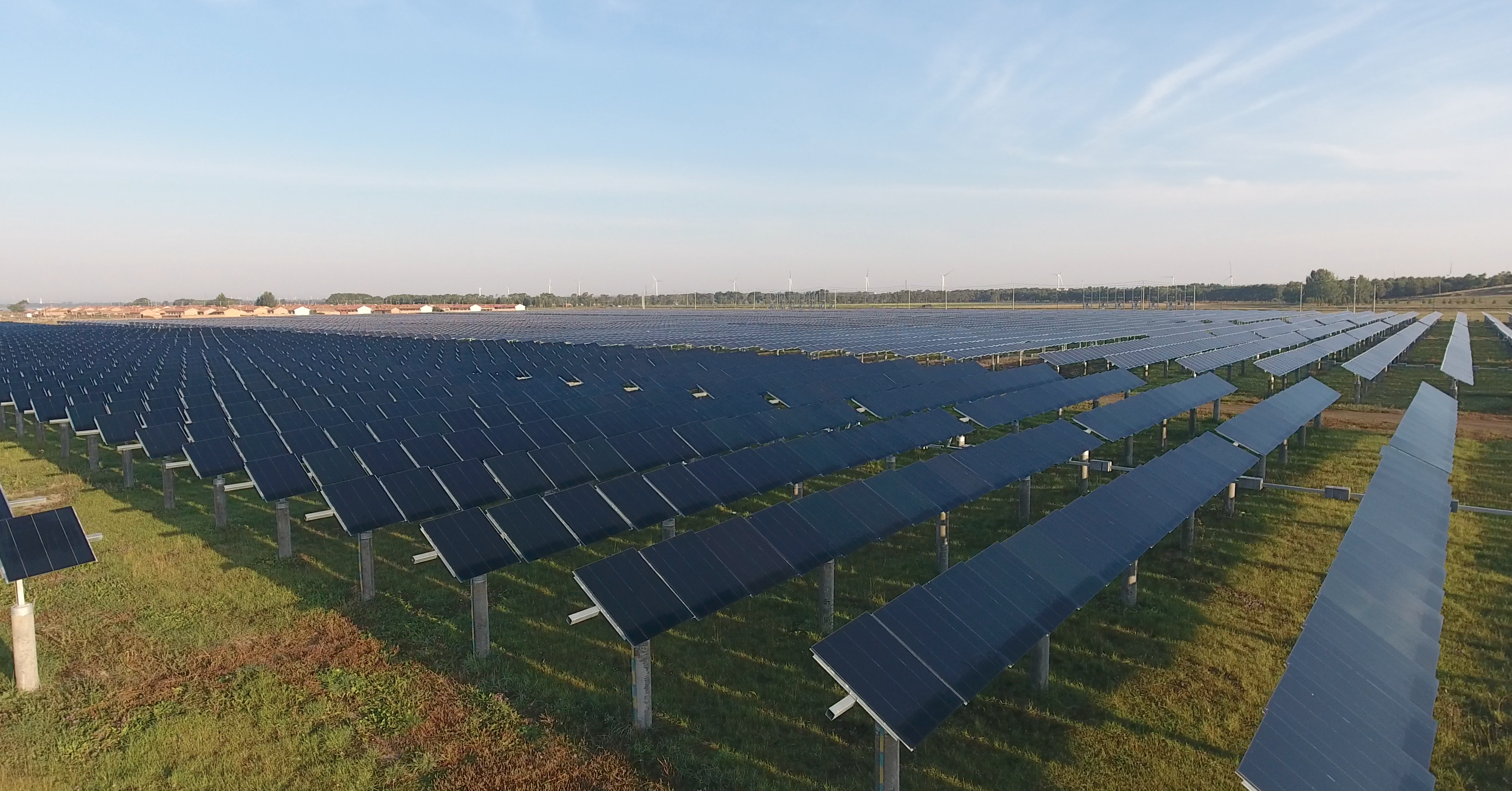
Selecting the right TCO glass for your specific application requires a systematic evaluation of technical specifications, performance requirements, and operational constraints. TCO glass, or Transparent Conductive Oxide glass, serves as a critical component in various electronic and optical applications, demanding careful consideration of electrical conductivity, optical transparency, and thermal stability parameters.
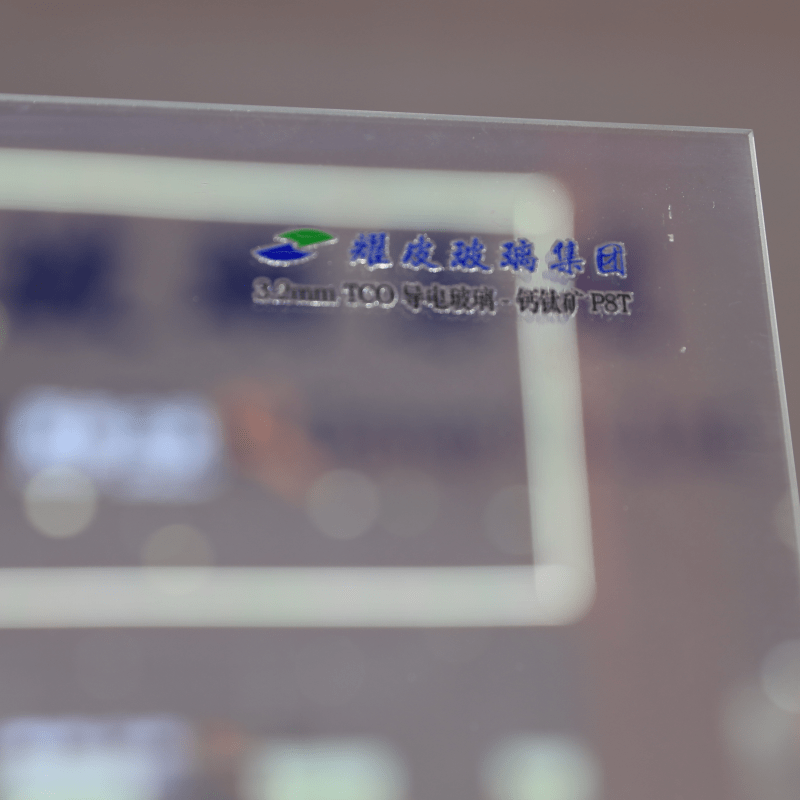
The selection process involves analyzing multiple interconnected factors that directly impact your project's success and long-term performance. Understanding the relationship between sheet resistance, optical transmission, substrate material properties, and environmental durability enables informed decision-making that aligns with your technical requirements and budget constraints.
Understanding TCO Glass Performance Specifications
Sheet Resistance Requirements Analysis
Sheet resistance represents the fundamental electrical property determining TCO glass suitability for specific applications. This parameter, measured in ohms per square, directly influences current flow efficiency and power consumption characteristics. Lower sheet resistance values typically indicate superior electrical conductivity, making them ideal for applications requiring minimal voltage drop across the conductive surface.
Different applications demand varying sheet resistance ranges to achieve optimal performance. Touch screen applications typically require sheet resistance values between 50-200 ohms per square, while solar cell applications may function effectively with values ranging from 10-50 ohms per square. Understanding your application's specific conductivity requirements helps narrow the selection criteria and ensures compatibility with your system design.
Temperature coefficient considerations also play a crucial role in sheet resistance evaluation. TCO glass performance can vary significantly across operational temperature ranges, affecting long-term reliability and system stability. Evaluating the temperature coefficient helps predict performance variations under different environmental conditions.
Optical Transmission Characteristics
Optical transmission properties determine how effectively light passes through the TCO glass substrate, directly impacting visual clarity and energy efficiency in optical applications. High visible light transmission percentages, typically above 80%, ensure minimal interference with display quality or solar energy collection efficiency.
The transmission spectrum across different wavelengths requires careful evaluation for specialized applications. Near-infrared transmission characteristics become particularly important in solar applications, where broader spectrum transmission directly correlates with energy conversion efficiency. Understanding the complete transmission profile helps optimize performance across your intended wavelength range.
Haze levels and surface quality directly influence optical performance and user experience. Lower haze percentages typically provide clearer visual output and reduce light scattering effects that can compromise display clarity or reduce solar energy collection efficiency.
Substrate Material and Thickness Considerations
Glass Substrate Selection Criteria
The glass substrate material significantly influences overall TCO glass performance, durability, and processing compatibility. Soda-lime glass substrates offer cost-effective solutions for many applications, providing adequate thermal stability and mechanical strength for standard operational requirements.
Borosilicate glass substrates deliver enhanced thermal shock resistance and dimensional stability, making them suitable for applications experiencing significant temperature variations or requiring precise thermal management. The lower thermal expansion coefficient of borosilicate glass reduces stress-related failures during thermal cycling.
Low-iron glass substrates maximize optical transmission by minimizing iron content that typically absorbs light in the visible spectrum. These substrates prove particularly valuable in solar applications where maximum light transmission directly impacts energy conversion efficiency.
Thickness Optimization Strategies
TCO glass thickness selection involves balancing mechanical strength, optical performance, and cost considerations specific to your application requirements. Thicker substrates provide greater mechanical durability and reduced breakage risk during handling and installation processes.
Thinner TCO glass substrates enable weight reduction and improved flexibility for certain applications, particularly in portable devices or applications where weight constraints are critical. However, thinner substrates may require additional support structures or protective measures to prevent damage during operation.
Thermal mass considerations become important in applications experiencing rapid temperature changes. Thicker substrates provide greater thermal mass, reducing temperature fluctuation rates and improving thermal stability, while thinner substrates respond more quickly to temperature changes.
Application-Specific Selection Methodology
Display and Touch Screen Applications
Display applications require TCO glass with optimized balance between electrical conductivity and optical clarity. Touch screen functionality demands uniform sheet resistance distribution across the entire surface area to ensure consistent touch sensitivity and accurate position detection.
Edge resistance considerations become critical in large-format displays where signal propagation across extended distances can introduce performance variations. Evaluating edge-to-center resistance ratios helps ensure uniform performance across the entire active area.
Environmental durability requirements for display applications include resistance to humidity, temperature cycling, and mechanical stress. TCO glass selected for display applications must maintain stable electrical and optical properties throughout the expected service life under typical operational conditions.
Solar Energy Applications
Solar energy applications prioritize maximum light transmission combined with adequate electrical conductivity for current collection. The balance between these properties directly influences overall solar cell efficiency and energy output performance.
UV transmission characteristics become particularly important in certain solar cell technologies where UV light contributes to energy conversion. Evaluating UV transmission properties ensures compatibility with specific photovoltaic technologies and maximizes energy harvesting potential.
Long-term stability under outdoor environmental conditions requires TCO glass with exceptional resistance to UV degradation, thermal cycling, and moisture exposure. These environmental factors can gradually degrade both electrical and optical properties, impacting long-term energy production efficiency.
Quality Assessment and Testing Protocols
Electrical Performance Testing
Comprehensive electrical testing ensures TCO glass meets specified performance requirements and maintains consistent properties across production batches. Four-point probe measurements provide accurate sheet resistance values and identify any non-uniformities across the conductive surface.
Temperature coefficient testing reveals how electrical properties change across operational temperature ranges, enabling accurate performance prediction under varying environmental conditions. This testing becomes particularly important for outdoor applications experiencing significant temperature variations.
Accelerated aging tests simulate long-term environmental exposure effects on electrical properties, helping predict service life and reliability under actual operational conditions. These tests identify potential degradation mechanisms and validate long-term performance expectations.
Optical Quality Verification
Spectrophotometer measurements across the complete wavelength range provide detailed transmission characteristics for optimizing optical performance in specific applications. These measurements identify any absorption bands or transmission limitations that could impact application performance.
Haze measurements quantify light scattering properties that can affect visual clarity in display applications or reduce efficiency in solar applications. Lower haze values generally indicate superior optical quality and better user experience.
Surface quality inspection identifies any defects, scratches, or irregularities that could compromise performance or reliability. Visual inspection combined with optical measurement ensures TCO glass meets required quality standards for your specific application.
Cost-Performance Optimization Strategies
Specification Balance Analysis
Optimizing TCO glass selection requires balancing performance requirements against cost constraints to achieve the most cost-effective solution for your specific application. Over-specifying properties beyond actual requirements unnecessarily increases costs without providing proportional benefits.
Performance threshold analysis helps identify the minimum acceptable specifications for each critical parameter, enabling selection of TCO glass that meets requirements without exceeding necessary performance levels. This analysis prevents unnecessary cost increases while ensuring adequate functionality.
Long-term cost considerations include maintenance requirements, replacement frequency, and performance degradation over time. Higher initial costs for premium TCO glass may provide better long-term value through extended service life and maintained performance levels.
Volume and Supply Chain Considerations
Production volume requirements influence both pricing and availability of specific TCO glass specifications. Higher volumes typically enable access to more favorable pricing structures and customized specifications tailored to your specific requirements.
Supply chain reliability becomes critical for production planning and inventory management. Evaluating supplier capability, quality consistency, and delivery reliability helps ensure continuous availability of TCO glass meeting your specifications.
Lead time considerations affect project scheduling and inventory requirements. Understanding typical lead times for standard and custom specifications enables better project planning and reduces risk of production delays due to material availability.
FAQ
What sheet resistance range is optimal for most TCO glass applications?
The optimal sheet resistance range depends on your specific application requirements. Touch screen applications typically perform well with 50-200 ohms per square, while solar applications often require 10-50 ohms per square for optimal current collection. Display applications generally need values between 100-300 ohms per square to balance conductivity with optical performance. Consider your electrical requirements, power consumption constraints, and cost considerations when selecting the appropriate range.
How does TCO glass thickness affect overall performance and cost?
Thicker TCO glass provides greater mechanical strength and thermal stability but increases material costs and weight. Standard thicknesses of 1.1-3.2mm offer good balance between performance and cost for most applications. Thinner substrates reduce weight and material costs but may require additional support structures. Thicker substrates improve durability and thermal mass but increase shipping costs and may require stronger mounting systems.
Can TCO glass performance degrade over time in outdoor applications?
Yes, TCO glass can experience gradual performance degradation in outdoor environments due to UV exposure, thermal cycling, and moisture effects. High-quality TCO glass with proper protective coatings typically maintains performance for 15-25 years in solar applications. Regular monitoring of electrical and optical properties helps track degradation rates and predict maintenance needs. Selecting TCO glass with proven outdoor durability and appropriate environmental ratings minimizes long-term performance loss.
What testing should be performed before selecting a specific TCO glass supplier?
Essential testing includes sheet resistance mapping across sample surfaces, optical transmission measurements across your required wavelength range, and thermal cycling tests to verify stability. Request samples for compatibility testing with your specific processing conditions and environmental requirements. Verify supplier quality certifications, testing capabilities, and batch-to-batch consistency data. Consider accelerated aging tests to evaluate long-term performance under your operational conditions.