
 EN
EN
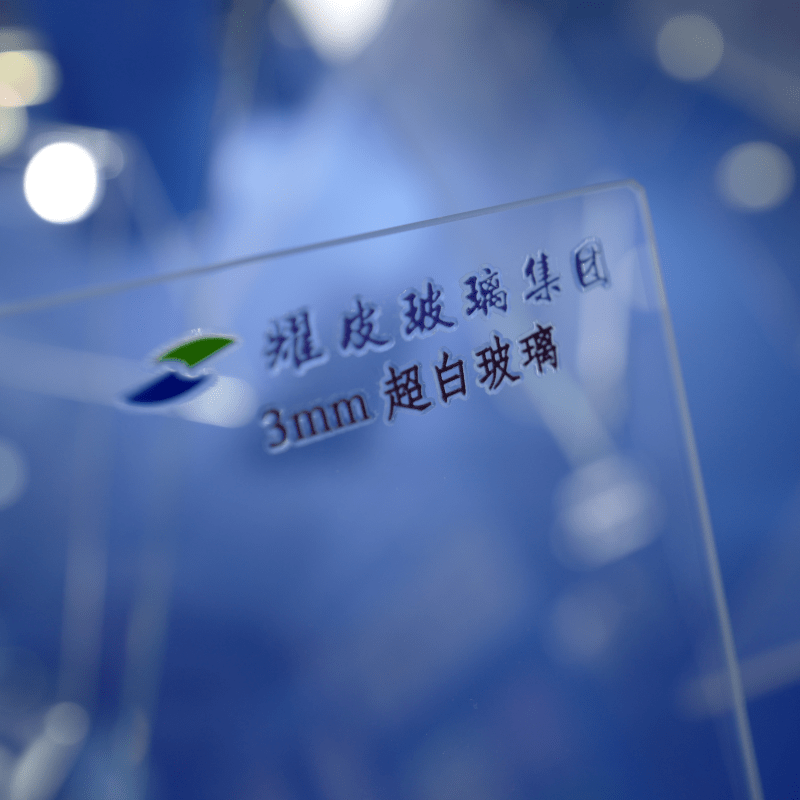
Transparent Conductive Oxide glass, commonly known as tco glass, represents a revolutionary advancement in modern electronics and energy applications. This specialized material combines the optical clarity of traditional glass with the electrical conductivity typically associated with metals, creating a unique substrate that enables countless technological innovations. As industries increasingly demand materials that can simultaneously transmit light and conduct electricity, tco glass has emerged as an indispensable component in solar cells, touchscreens, smart windows, and numerous other cutting-edge applications. Understanding the fundamental properties and mechanisms behind tco glass is essential for engineers, manufacturers, and technology developers working in today's rapidly evolving marketplace.
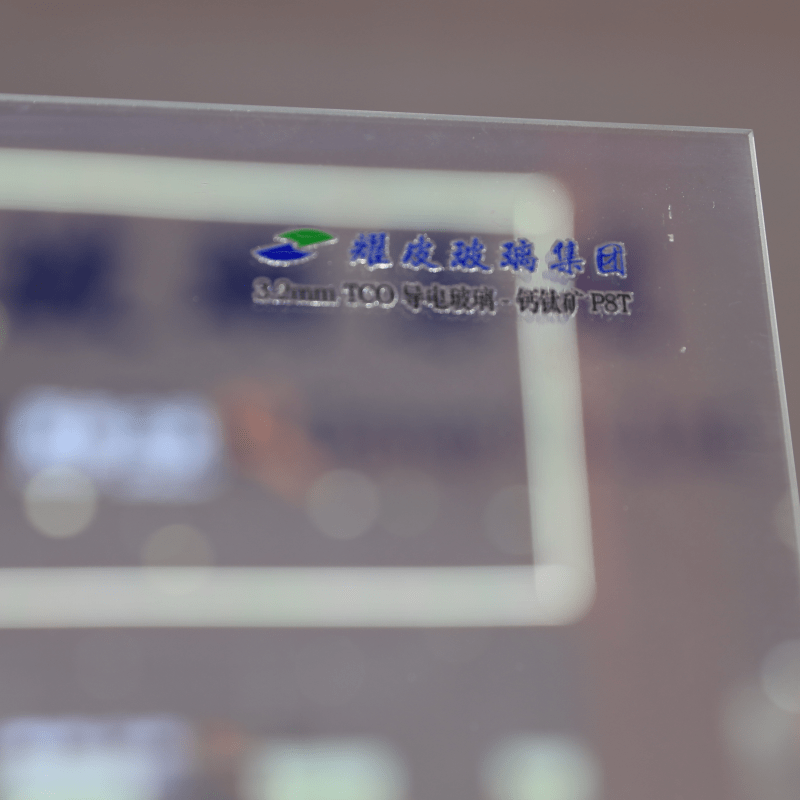
Fundamental Properties and Composition of TCO Glass
Material Structure and Conductive Layers
The foundation of tco glass lies in its sophisticated multilayer structure, where transparent conductive oxide films are deposited onto high-quality glass substrates. These oxide layers, typically composed of materials like indium tin oxide, fluorine-doped tin oxide, or aluminum-doped zinc oxide, maintain exceptional optical transparency while providing the necessary electrical conductivity. The glass substrate serves as a stable platform that ensures mechanical durability and optical clarity, while the conductive coating enables electrical functionality without compromising visual performance. This unique combination allows tco glass to achieve sheet resistances as low as 10-15 ohms per square while maintaining visible light transmission rates exceeding 80 percent.
Manufacturing processes for tco glass involve precise control of coating thickness, uniformity, and crystalline structure to optimize both electrical and optical properties. Advanced deposition techniques such as magnetron sputtering, chemical vapor deposition, and sol-gel processes ensure consistent quality and performance characteristics. The resulting material exhibits excellent adhesion between the conductive layer and glass substrate, preventing delamination and ensuring long-term reliability in demanding applications.
Electrical Conductivity Mechanisms
The electrical conductivity in tco glass arises from the carefully engineered defect structure within the transparent oxide coating. Oxygen vacancies and dopant atoms create free electrons that can move through the material under applied electric fields, enabling current flow while maintaining optical transparency. This phenomenon occurs because the conductive band structure allows electron mobility without significant absorption in the visible light spectrum. The conductivity can be precisely tuned during manufacturing by adjusting dopant concentrations, processing temperatures, and atmospheric conditions.
Temperature stability and environmental resistance are critical factors that distinguish high-quality tco glass from conventional alternatives. Advanced formulations maintain consistent electrical properties across wide temperature ranges, making them suitable for outdoor applications and industrial environments. The oxide coatings also provide inherent corrosion resistance and chemical stability, ensuring reliable performance throughout extended service life cycles.
Applications and Industrial Uses
Solar Energy Technology
In photovoltaic applications, tco glass serves as the front electrode in thin-film solar cells, allowing sunlight to penetrate while collecting generated electrical current. The high transparency enables maximum light absorption by the photovoltaic layer, while the conductive properties facilitate efficient charge collection and transport. Modern tco glass formulations specifically designed for solar applications feature enhanced durability against UV radiation and thermal cycling, ensuring consistent performance over 25-year operational lifespans. Advanced surface texturing techniques further improve light coupling efficiency, reducing reflection losses and maximizing energy conversion.
Building-integrated photovoltaics increasingly rely on tco glass to create aesthetically pleasing solar facades and windows that generate electricity while maintaining architectural transparency. These applications require careful balance between optical clarity, electrical performance, and mechanical strength to meet both energy generation and building code requirements. Specialized tco glass products for solar integration often incorporate additional protective coatings and enhanced thermal properties to withstand building envelope stresses.
Display and Touch Interface Technologies
The electronics industry extensively utilizes tco glass in touchscreen displays, where the conductive coating enables precise touch detection while maintaining crystal-clear visibility. Capacitive touch sensors rely on the uniform conductivity of tco glass to detect changes in electrical field caused by finger contact, enabling responsive and accurate user interfaces. Modern smartphones, tablets, and interactive displays depend on the exceptional optical quality and electrical performance that only high-grade tco glass can provide.
Advanced display technologies such as OLED and flexible screens require specialized tco glass formulations that maintain conductivity under mechanical stress and temperature variations. The material must withstand repeated flexing cycles while preserving both electrical continuity and optical clarity, demanding precise control of coating composition and substrate properties. Emerging applications in augmented reality and heads-up displays push the boundaries of tco glass performance, requiring even higher transparency and lower sheet resistance.
Manufacturing Processes and Quality Control
Deposition Techniques and Production Methods
Industrial production of tco glass employs sophisticated coating technologies that ensure consistent quality and performance across large-scale manufacturing operations. Magnetron sputtering represents the most widely used deposition method, utilizing plasma-assisted processes to deposit uniform conductive layers onto moving glass substrates. This technique allows precise control of coating thickness, composition, and microstructure while maintaining high production throughput. Process parameters including target composition, substrate temperature, and gas atmosphere are carefully optimized to achieve desired electrical and optical properties.
Chemical vapor deposition offers alternative manufacturing approaches for specialized tco glass applications requiring specific performance characteristics. This method enables in-situ doping and precise compositional control, resulting in coatings with tailored electrical properties and enhanced environmental stability. Advanced process monitoring systems continuously track deposition parameters and coating quality, ensuring consistent product performance and minimizing manufacturing variations.
Quality Assurance and Performance Testing
Comprehensive quality control protocols for tco glass encompass electrical, optical, and mechanical property verification throughout the manufacturing process. Sheet resistance mapping ensures uniform conductivity across entire substrate areas, while spectrophotometric analysis verifies transmission characteristics and color properties. Environmental testing subjects samples to accelerated aging conditions, thermal cycling, and humidity exposure to validate long-term performance and reliability.
Advanced characterization techniques including atomic force microscopy and scanning electron microscopy provide detailed analysis of coating morphology and interface quality. These analytical methods enable continuous process optimization and defect prevention, ensuring that tco glass products meet stringent industry specifications. Statistical process control systems track key performance indicators and identify potential quality issues before they affect product shipments.
Future Developments and Emerging Technologies
Next-Generation Materials and Innovations
Research and development efforts in tco glass technology focus on achieving even lower sheet resistance while maintaining exceptional optical clarity and environmental durability. Novel dopant systems and multilayer architectures promise significant performance improvements that will enable new application possibilities. Emerging materials such as graphene-enhanced coatings and nanostructured surfaces offer potential breakthroughs in conductivity and functionality, though practical implementation challenges remain under investigation.
Flexible tco glass represents a particularly exciting development area, where researchers work to maintain electrical and optical properties while enabling substrate bending and conformability. These advances could revolutionize wearable electronics, curved displays, and building-integrated applications where traditional rigid substrates prove inadequate. Advanced polymer substrates and novel coating chemistries show promise for achieving flexibility without compromising performance.
Smart Glass and Interactive Technologies
Integration of tco glass with electrochromic and thermochromic materials creates smart window systems that can dynamically control light transmission and thermal properties. These applications leverage the conductive properties of tco glass to provide electrical switching capabilities while maintaining the transparency needed for architectural glazing. Advanced control systems enable automated responses to lighting conditions, temperature variations, and user preferences.
Emerging interactive technologies incorporate tco glass in large-format displays, digital signage, and immersive environments where touch sensitivity and optical performance are equally critical. Multi-touch capabilities and gesture recognition systems rely on the uniform electrical properties that high-quality tco glass provides across expansive surface areas. Future developments may include integrated sensors and embedded electronics that further expand functionality while maintaining the essential transparency characteristics.
FAQ
What makes tco glass different from regular conductive glass
The key difference lies in the sophisticated transparent conductive oxide coating that provides electrical conductivity while maintaining exceptional optical clarity. Unlike regular conductive glass that may use metallic films or mesh patterns, tco glass achieves conductivity through carefully engineered oxide layers that remain virtually invisible. This unique combination allows simultaneous light transmission and electrical functionality without compromising either property, making it essential for applications requiring both transparency and conductivity.
How long does tco glass maintain its performance in outdoor applications
High-quality tco glass is engineered to maintain stable electrical and optical properties for 25 years or more in outdoor environments. Advanced formulations resist UV degradation, thermal cycling, and environmental corrosion while preserving conductivity and transparency. Accelerated aging tests and field studies demonstrate that properly manufactured tco glass retains over 90 percent of its initial performance characteristics throughout extended exposure to weather conditions, making it suitable for solar panels and architectural glazing applications.
Can tco glass be customized for specific electrical resistance requirements
Yes, tco glass can be precisely engineered to meet specific sheet resistance requirements ranging from less than 10 ohms per square to several hundred ohms per square, depending on application needs. Manufacturing parameters including coating thickness, dopant concentration, and processing conditions are adjusted to achieve desired electrical properties while maintaining optical performance. Custom formulations enable optimization for touch sensitivity, heating applications, electromagnetic shielding, or other specialized requirements.
What are the main factors affecting tco glass pricing and availability
Pricing for tco glass depends on substrate size, coating specifications, order quantities, and performance requirements. Factors including sheet resistance targets, optical quality standards, and environmental durability specifications influence manufacturing complexity and cost. Raw material availability, particularly for indium-based coatings, can affect pricing stability, though alternative formulations help mitigate supply chain risks. Custom specifications and small quantities typically command premium pricing compared to standard products manufactured in high volumes.