
 EN
EN
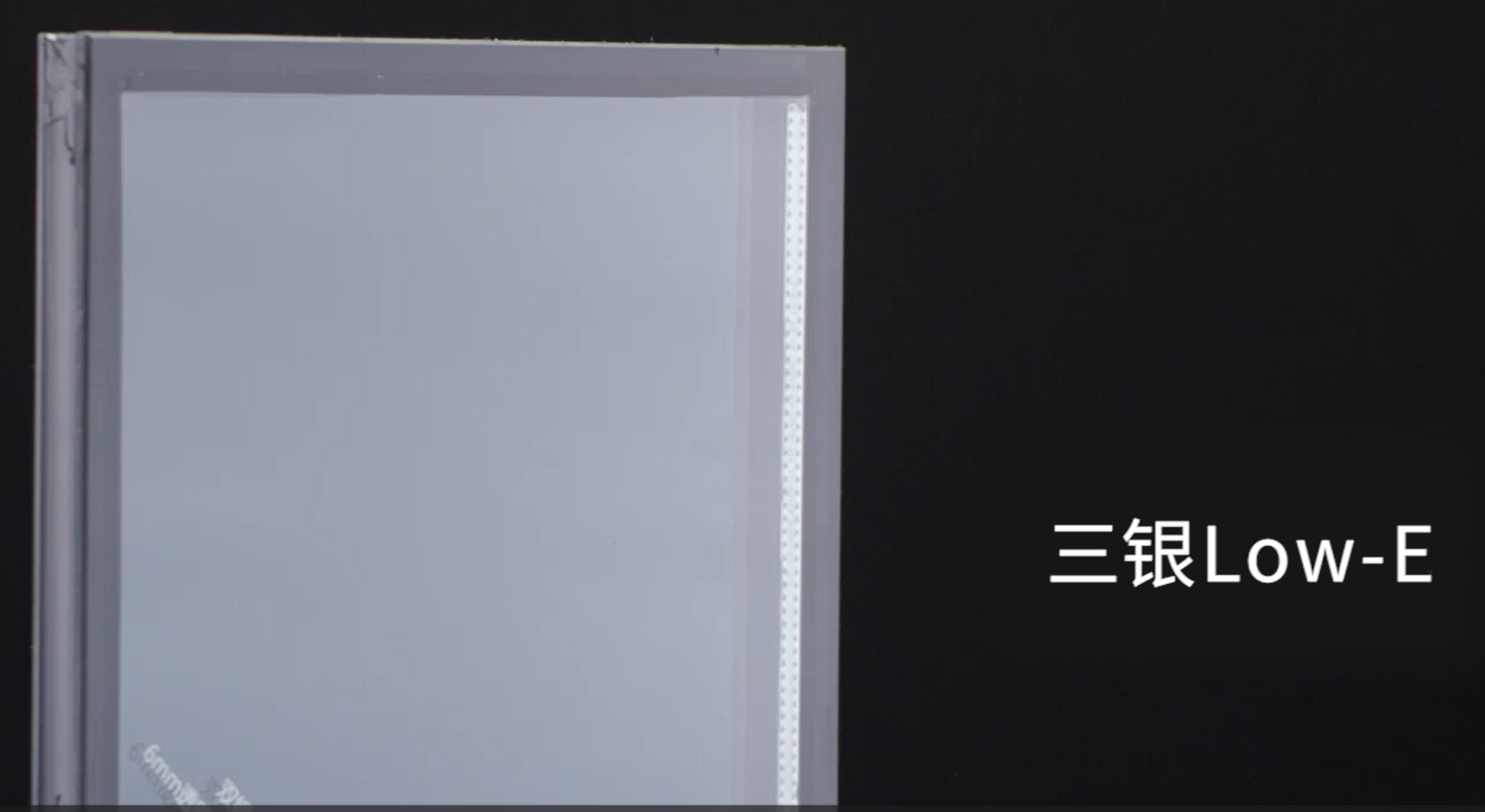
Modern architecture and construction industries increasingly rely on advanced glass technologies to meet energy efficiency standards and aesthetic requirements. Coated glass represents a revolutionary advancement in glazing solutions, combining traditional glass substrates with specialized coating layers that dramatically enhance performance characteristics. This innovative material addresses critical challenges in building design, including thermal management, solar control, and energy conservation while maintaining optical clarity and durability.
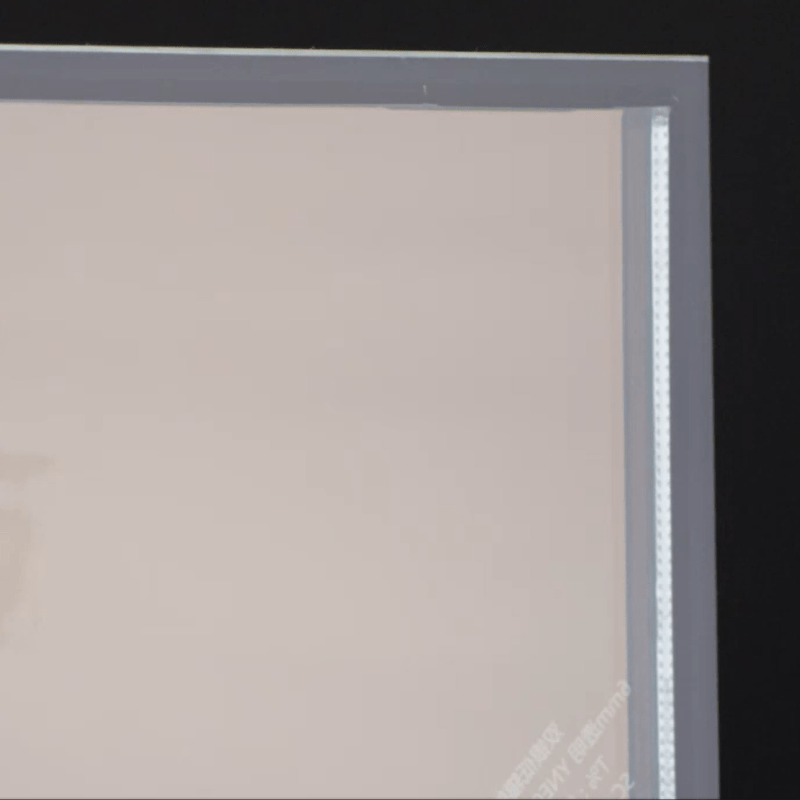
The development of coated glass technology has transformed the glazing industry by providing architects and builders with versatile solutions for various applications. These specialized glass products incorporate thin-film coatings applied through sophisticated manufacturing processes, resulting in enhanced performance properties that standard glass cannot achieve. Understanding the fundamental principles and applications of coated glass becomes essential for professionals involved in contemporary construction projects.
As building codes become more stringent regarding energy efficiency and environmental impact, coated glass has emerged as a critical component in sustainable construction practices. The technology enables buildings to achieve superior thermal performance while reducing reliance on artificial lighting and climate control systems, ultimately contributing to reduced operational costs and environmental footprint.
Fundamental Principles of Coated Glass Technology
Coating Application Methods and Processes
The manufacturing of coated glass involves precise application of ultra-thin metallic or ceramic layers onto glass substrates using advanced deposition techniques. Magnetron sputtering represents the most common method, where target materials are bombarded with ions to create a vapor that deposits uniformly across the glass surface. This process occurs in controlled vacuum environments to ensure coating consistency and adhesion quality.
Chemical vapor deposition provides an alternative manufacturing approach, utilizing chemical reactions to form coating layers directly on the glass surface. This method offers excellent durability and optical properties, making it suitable for demanding applications where long-term performance is critical. The selection of coating application method depends on desired performance characteristics, production volumes, and cost considerations.
Online coating processes integrate seamlessly with float glass production lines, applying coatings while glass remains at elevated temperatures. This approach creates strong chemical bonds between the coating and substrate, resulting in enhanced durability and scratch resistance compared to offline coating methods.
Material Science Behind Coating Performance
The performance of coated glass depends on the optical and thermal properties of the coating materials selected. Silver-based coatings excel in low-emissivity applications due to silver's exceptional infrared reflectance properties, effectively reducing heat transfer through glazed surfaces. These coatings require protective layers to prevent oxidation and maintain long-term performance.
Transparent conductive oxide coatings, such as tin oxide and zinc oxide variants, provide moderate low-emissivity performance while maintaining excellent durability and chemical resistance. These materials offer cost-effective solutions for applications where extreme performance is not required but reliable thermal control remains important.
Multi-layer coating systems combine different materials to optimize specific performance characteristics. For example, combining silver layers with antireflective coatings creates products that simultaneously reduce heat transfer and maximize visible light transmission, ideal for commercial glazing applications.
Types and Classifications of Coated Glass
Low-Emissivity Coated Glass Variants
Low-emissivity coated glass represents the most widely adopted category, designed to minimize heat transfer while maintaining high visible light transmission. Hard coat low-E glass features pyrolytic coatings applied during the float glass manufacturing process, creating durable surfaces suitable for single glazing applications and harsh environmental conditions.
Soft coat low-E glass incorporates magnetron sputtered silver-based coatings that provide superior thermal performance compared to hard coat alternatives. However, these coated glass products require protection within insulated glass units to prevent coating degradation from atmospheric exposure.
Triple silver low-E coatings represent the pinnacle of thermal performance, incorporating multiple silver layers separated by dielectric materials. This configuration enables exceptional solar control while maintaining excellent visible light transmission, making it ideal for high-performance building applications.
Solar Control and Reflective Coated Glass
Solar control coated glass specifically targets the reduction of solar heat gain while managing visible light transmission and reflection characteristics. These products utilize metallic coatings that selectively reflect infrared radiation while allowing controlled amounts of visible light to pass through the glazing system.
Reflective coated glass provides enhanced privacy and glare control through increased external reflection properties. These coatings create distinctive aesthetic effects while reducing cooling loads in buildings located in hot climates or with significant solar exposure.
Spectrally selective coatings represent advanced solar control technology that precisely controls different portions of the solar spectrum. These sophisticated coatings maximize daylight transmission while minimizing heat gain, optimizing both energy performance and occupant comfort.
Performance Characteristics and Benefits
Thermal Performance and Energy Efficiency
The primary advantage of coated glass lies in its superior thermal performance compared to uncoated alternatives. Low-emissivity coatings can reduce heat transfer by up to 90% compared to clear glass, dramatically improving building energy efficiency and reducing heating and cooling costs.
U-factor improvements achieved through coated glass technology enable buildings to meet increasingly stringent energy codes while maintaining comfortable interior environments. These thermal performance gains translate directly into reduced operational costs and improved occupant comfort throughout the building lifecycle.
Solar heat gain coefficient control allows architects to optimize building performance for specific climatic conditions and orientations. By selecting appropriate coated glass products, designers can minimize cooling loads in warm climates while maximizing beneficial solar heat gain in colder regions.
Optical Properties and Visual Comfort
Advanced coated glass products maintain excellent visible light transmission while providing superior thermal performance, ensuring adequate natural lighting without compromising energy efficiency. This balance between optical clarity and thermal control represents a key advantage over traditional glazing solutions.
Glare control capabilities inherent in many coated glass products improve occupant comfort and productivity in commercial and residential applications. By reducing excessive brightness and controlling light distribution, these products create more comfortable interior environments.
Color neutrality in premium coated glass products ensures that architectural aesthetics remain uncompromised while achieving performance objectives. Modern coating technologies minimize color distortion and maintain consistent appearance across large glazed areas.
Manufacturing and Quality Control Standards
Production Quality Assurance Protocols
Manufacturing high-quality coated glass requires stringent quality control measures throughout the production process. Substrate preparation involves thorough cleaning and inspection procedures to ensure optimal coating adhesion and performance. Any contamination or surface defects can compromise coating integrity and long-term durability.
Real-time monitoring systems track coating thickness, uniformity, and optical properties during production to maintain consistent product quality. Advanced spectrophotometry equipment measures transmission and reflection characteristics at multiple points across each glass sheet, ensuring compliance with specified performance criteria.
Environmental testing protocols evaluate coated glass durability under accelerated aging conditions, simulating decades of exposure to verify long-term performance stability. These tests include thermal cycling, humidity exposure, and ultraviolet radiation testing to confirm coating adhesion and optical property retention.
Industry Standards and Certification Requirements
International standards organizations have established comprehensive testing protocols for coated glass products to ensure consistent performance and reliability across different manufacturers. These standards specify measurement procedures for thermal, optical, and durability characteristics that enable accurate product comparison and specification.
Third-party certification programs provide independent verification of coated glass performance claims, offering specifiers confidence in product selection decisions. Certified products undergo rigorous testing protocols that validate manufacturer performance data and ensure compliance with relevant building codes.
Quality management systems implemented by leading coated glass manufacturers incorporate continuous improvement processes that monitor production consistency and identify opportunities for enhanced performance or reduced manufacturing costs.
Applications in Modern Architecture
Commercial Building Integration
Commercial buildings represent the largest market segment for coated glass applications, driven by energy code requirements and corporate sustainability initiatives. Curtain wall systems incorporating high-performance coated glass enable architects to create energy-efficient building envelopes while maintaining desired aesthetic characteristics.
Office buildings benefit significantly from coated glass technology through reduced energy consumption and improved occupant comfort. Daylight optimization achieved through appropriate coated glass selection can reduce artificial lighting requirements while maintaining comfortable interior environments throughout the day.
Retail applications utilize coated glass to create inviting storefronts while managing solar heat gain and glare issues that could negatively impact merchandise display and customer comfort. Strategic use of different coated glass types can optimize visibility and thermal performance simultaneously.
Residential Market Applications
Residential applications of coated glass continue expanding as homeowners become more aware of energy efficiency benefits and long-term cost savings. Premium windows incorporating advanced coated glass can significantly reduce heating and cooling costs while improving indoor comfort levels.
Passive house and net-zero energy home construction relies heavily on high-performance coated glass to achieve required energy efficiency targets. These demanding applications require careful selection of coated glass products with optimal thermal and optical properties for specific orientations and climatic conditions.
Renovation projects increasingly specify coated glass replacement windows to improve energy performance of existing buildings. The retrofit market represents significant growth potential as building owners seek cost-effective energy efficiency improvements.
Installation and Handling Considerations
Proper Installation Techniques
Successful installation of coated glass requires specialized knowledge and techniques to preserve coating integrity and ensure optimal performance. Installers must understand coating orientation requirements, as many coated glass products specify which surface should face the building interior or exterior for optimal thermal performance.
Sealant selection and application procedures critically impact the long-term performance of coated glass installations. Incompatible sealants can cause coating degradation or adhesion failure, compromising both thermal performance and aesthetic appearance. Approved sealant systems must be used according to manufacturer specifications.
Glazing pressure and support requirements for coated glass may differ from standard glass installations due to coating sensitivity and thermal stress considerations. Proper glazing techniques prevent coating damage during installation and ensure long-term structural performance.
Storage and Handling Protocols
Coated glass products require careful storage and handling procedures to prevent coating damage prior to installation. Protective interleaving materials and appropriate storage conditions maintain coating integrity during transportation and on-site storage periods.
Handling equipment must be selected and operated to avoid coating contact and potential damage. Vacuum lifting systems and padded handling tools prevent scratching or other mechanical damage that could compromise coating performance or appearance.
Quality inspection procedures should be implemented upon delivery and prior to installation to identify any coating defects or damage that occurred during transportation. Early identification of quality issues prevents installation of defective products and associated remediation costs.
Future Developments and Emerging Technologies
Advanced Coating Materials and Processes
Research and development efforts continue advancing coated glass technology through novel materials and manufacturing processes. Nanostructured coatings promise enhanced performance characteristics while potentially reducing manufacturing costs through improved material utilization efficiency.
Smart coating technologies that can dynamically adjust optical properties in response to environmental conditions represent an exciting frontier in coated glass development. Electrochromic and thermochromic coatings enable glazing systems that automatically optimize performance throughout the day.
Quantum dot coatings offer potential for precise spectral control and enhanced efficiency in specialized applications. These advanced materials could enable coated glass products with unprecedented combinations of thermal, optical, and electrical properties.
Market Trends and Industry Evolution
Growing environmental awareness and increasingly stringent building energy codes drive continued demand growth for high-performance coated glass products. Market expansion into emerging economies presents significant opportunities for industry growth and technology adoption.
Integration of coated glass with building automation systems and renewable energy technologies creates new application opportunities and enhanced value propositions. Photovoltaic-integrated coated glass products exemplify this convergence of technologies.
Circular economy initiatives influence coated glass development through emphasis on recyclability and sustainable manufacturing processes. Life cycle assessment considerations increasingly factor into product development and material selection decisions.
FAQ
How long does coated glass typically last in building applications
High-quality coated glass products typically provide 25-30 years of reliable performance when properly installed and maintained. The coating durability depends on the specific coating type, installation quality, and environmental exposure conditions. Soft coat low-E products installed in insulated glass units generally achieve longer service lives compared to exposed hard coat applications due to protection from atmospheric exposure.
Can coated glass be tempered or laminated like regular glass
Most coated glass products can undergo standard glass processing operations including tempering, laminating, and insulated glass unit fabrication. However, specific processing requirements may apply depending on the coating type and manufacturer specifications. Heat treatment processes must be carefully controlled to prevent coating damage, and some advanced coatings may require modified processing parameters to maintain optimal performance characteristics.
What factors determine the appropriate coated glass selection for a project
Coated glass selection depends on multiple factors including climatic conditions, building orientation, energy code requirements, aesthetic preferences, and budget considerations. Thermal performance requirements typically drive the primary selection criteria, with U-factor and solar heat gain coefficient targets established based on local building codes and energy efficiency goals. Visible light transmission requirements and color preferences provide additional selection parameters that must be balanced with thermal performance objectives.
How does coated glass compare to standard insulated glass in terms of cost and benefits
While coated glass products typically cost 15-25% more than standard clear glass alternatives, the energy savings achieved often justify the additional investment within 3-7 years depending on local energy costs and climate conditions. The enhanced comfort, reduced HVAC equipment sizing requirements, and potential for achieving green building certification credits provide additional value that extends beyond simple energy cost savings calculations.
Table of Contents
- Fundamental Principles of Coated Glass Technology
- Types and Classifications of Coated Glass
- Performance Characteristics and Benefits
- Manufacturing and Quality Control Standards
- Applications in Modern Architecture
- Installation and Handling Considerations
- Future Developments and Emerging Technologies
- FAQ