
 EN
EN
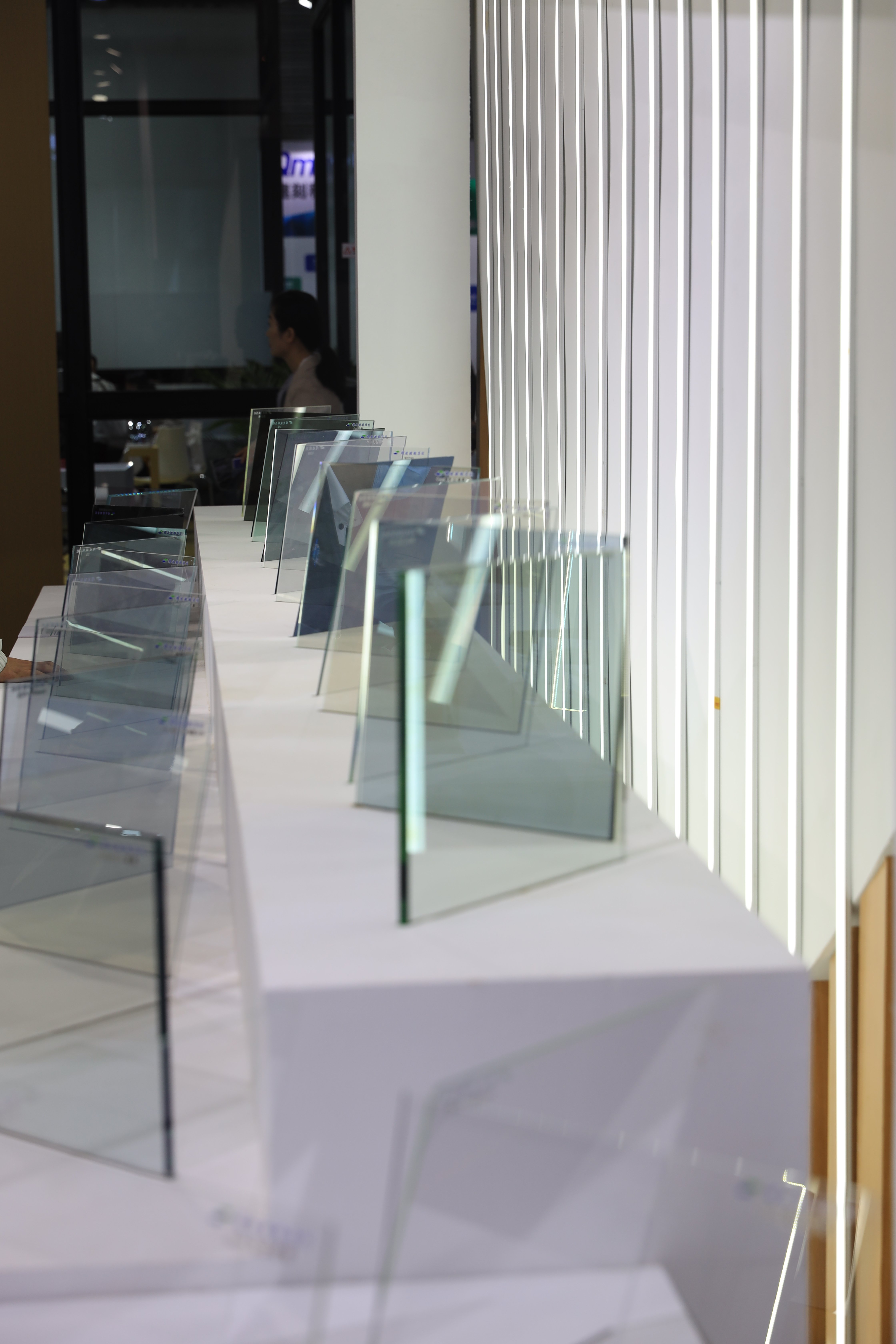
Power glass technology represents a transformative advancement in renewable energy generation, enabling buildings and structures to produce electricity directly from sunlight. Unlike traditional solar panels mounted on rooftops or ground installations, power glass integrates photovoltaic cells into transparent or semi-transparent glass panels, allowing windows, facades, and architectural elements to serve as active energy-generating surfaces. Understanding how power glass technology generates electricity involves exploring the fundamental photovoltaic process, the material science behind the glass integration, and the practical mechanisms that convert solar radiation into usable electrical power.
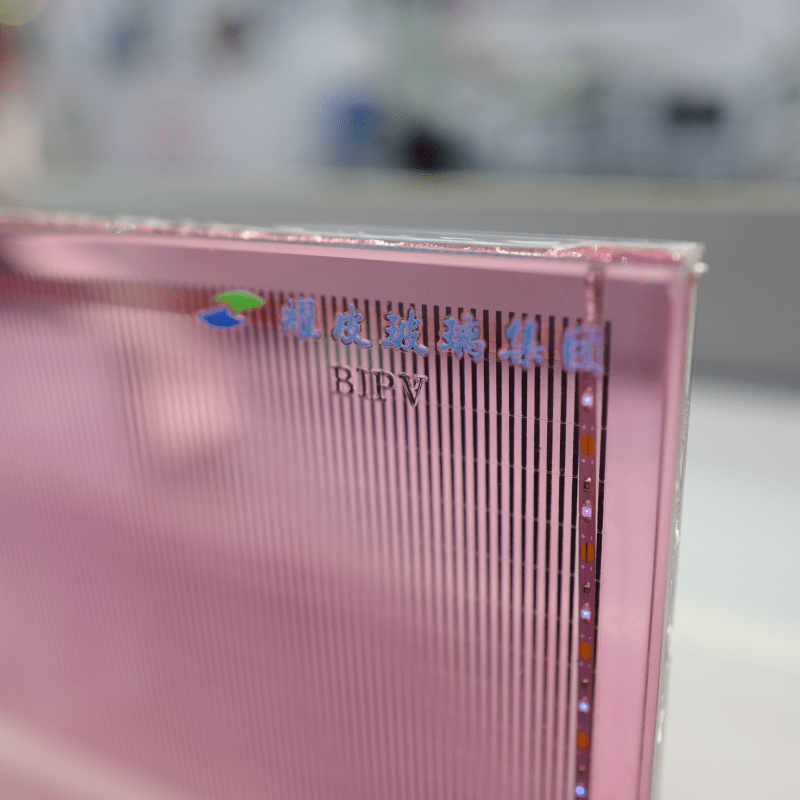
The functionality of power glass technology relies on the photovoltaic effect, a quantum mechanical phenomenon where photons from sunlight energize electrons within semiconductor materials. When light strikes the power glass surface, it transfers energy to electrons in the semiconductor layer, causing them to break free from their atomic bonds and flow as electrical current. This process occurs within microseconds and requires no moving parts, chemical reactions, or degradation of materials, making power glass a durable and low-maintenance energy generation solution for modern buildings and industrial facilities.
The Photovoltaic Process Inside Power Glass
Semiconductor Materials and Light Absorption
Power glass technology incorporates semiconductor materials, typically silicon-based compounds, embedded within or coated onto the glass substrate. These semiconductors are specifically engineered to absorb photons across a broad spectrum of sunlight wavelengths, from ultraviolet to near-infrared radiation. When power glass absorbs this solar radiation, the energy excites electrons to a higher energy state, creating what physicists call electron-hole pairs. The quality and composition of the semiconductor material directly determine how efficiently power glass can capture and convert sunlight into electrical energy.
The Electric Field and Electron Movement
Within power glass, the semiconductor layer contains a built-in electric field created by a junction between two differently doped regions, typically a positive (p-type) and negative (n-type) layer. This junction, known as the p-n junction, acts as a one-way valve for electrons. When the photovoltaic effect generates electron-hole pairs in power glass, the electric field at the junction immediately separates these charge carriers, pushing electrons toward the negative layer and holes toward the positive layer. This directional separation prevents recombination and drives a continuous flow of electrons through an external circuit, producing measurable electrical current from the power glass panel.
Structural Design and Light Transmission in Power Glass
Balancing Transparency and Energy Efficiency
One of the defining characteristics of power glass technology is its ability to remain partially or fully transparent while generating electricity. This dual functionality is achieved through carefully engineered layer structures where thin semiconductor materials and conductive coatings are applied in microscopic patterns that allow visible light to pass through while capturing solar energy. Depending on the application, power glass can be designed for high transparency to maintain natural daylighting in buildings, or optimized for maximum energy generation with reduced transparency. The trade-off between these two objectives drives the design strategy for each power glass installation, with architects and engineers selecting specifications based on the intended use and performance goals.
Conductive Pathways and Contact Layers
Power glass technology requires conductive pathways to extract the electrical current generated by the photovoltaic effect. These pathways consist of transparent conductive oxides and metal grid lines that form a network across the power glass surface. The transparent conductive layers allow light to penetrate while maintaining electrical conductivity, while metal contacts provide high-conductivity connection points where external wiring can be attached. The design of these conductive pathways in power glass must balance optical transparency with electrical efficiency, ensuring that the resistance losses remain minimal while light transmission stays sufficient for the intended application.
Environmental Factors and Performance Dynamics
Solar Irradiance and Weather Conditions
The electrical output from power glass technology depends directly on solar irradiance, the intensity of sunlight reaching the surface. Under optimal conditions with clear skies and the sun at the highest angle, power glass generates maximum electrical current. However, weather conditions significantly affect performance; cloud cover reduces irradiance and therefore reduces power glass output, while rain can temporarily diminish efficiency until the surface dries. Temperature also influences power glass performance, as elevated temperatures slightly reduce the voltage output and overall efficiency of the photovoltaic cells embedded within the glass.
Angle of Incidence and Seasonal Variations
The angle at which sunlight strikes power glass affects how much solar energy the surface captures. When sunlight hits power glass at a perpendicular angle, maximum energy is absorbed; as the angle becomes more oblique, the effective irradiance decreases. This angular dependency means that power glass installations must be positioned strategically to maximize annual energy capture. Seasonal variations further complicate this optimization, as the sun's path changes throughout the year. Power glass technology adapted for vertical building facades experiences seasonal energy generation patterns, with higher output during summer months when the sun is higher in the sky and lower output during winter when solar angles are reduced.
Integration and Real-World Applications
Building-Integrated Photovoltaics
Power glass technology enables building-integrated photovoltaics (BIPV), where the glass itself functions as both a structural and energy-generating component. Windows, skylights, curtain walls, and canopies made from power glass can supply electricity to the building's electrical systems while maintaining their primary architectural and functional purposes. This integration eliminates the need for dedicated solar panel installations on rooftops or additional ground space, making power glass particularly valuable in urban environments where roof space is limited or aesthetics are critical. The electricity generated by power glass systems can power lighting, HVAC systems, or feed excess energy back to the grid through net metering arrangements.
Industrial and Commercial Deployment
Industrial facilities and commercial buildings increasingly deploy power glass technology to reduce operating costs and carbon footprints. Factories with extensive glazed facades can generate substantial electricity throughout the day, offsetting consumption during peak operating hours. Retail stores benefit from power glass windows that generate clean energy while maintaining visual appeal and customer visibility. Agricultural greenhouses equipped with power glass panels produce crops while simultaneously generating renewable electricity, demonstrating how modern power glass technology can serve multiple economic purposes within a single structure. The modularity of power glass installations allows organizations to scale deployments incrementally, expanding energy generation capacity as funding and operational needs evolve.
FAQ
What efficiency rates does power glass technology typically achieve?
Most commercial power glass products achieve photovoltaic efficiency rates between 10% and 20%, depending on the semiconductor materials used and the optical design. This means that 10 to 20 percent of the solar energy striking the power glass surface is converted to electricity, while the remainder is either reflected or converted to heat. As semiconductor technology advances and manufacturing precision improves, efficiency expectations for power glass continue to increase. Researchers are actively developing next-generation power glass formulations using perovskite materials and multi-junction solar cells that could potentially exceed 25% efficiency.
How long does power glass technology last before requiring replacement?
Power glass technology demonstrates excellent durability, with most installations maintaining 80% of their original efficiency after 25 years of continuous operation. The glass substrate itself is extremely durable and resistant to weathering, while the photovoltaic layers are protected from external elements by the encapsulation design. Proper maintenance, including periodic cleaning to remove dust and debris, extends the operational lifespan of power glass systems. The lack of moving parts means there are minimal maintenance requirements compared to mechanical renewable energy systems, contributing to the long-term economic viability of power glass installations.
Can power glass technology work effectively in regions with limited sunlight?
Yes, power glass technology generates electricity even under cloudy conditions and diffuse light, though output is reduced compared to direct sunlight. The photovoltaic cells within power glass respond to both direct and scattered solar radiation, so the technology remains functional in regions with frequent cloud cover or higher latitudes where sunlight angles are lower. While power glass generates less electricity in cloudy climates compared to sunny regions, it still provides meaningful energy generation and cost savings. Economic feasibility depends on local electricity prices and available incentives rather than absolute sunlight availability.