
 EN
EN

Solar panel efficiency remains a critical factor in determining the economic viability and performance of photovoltaic systems. Among the various technological innovations that enhance solar cell performance, tco glass stands out as a fundamental component that directly impacts how effectively solar panels convert sunlight into electricity. This specialized transparent conductive material serves as both a protective barrier and an electrical conductor, playing a dual role that significantly influences overall panel efficiency.
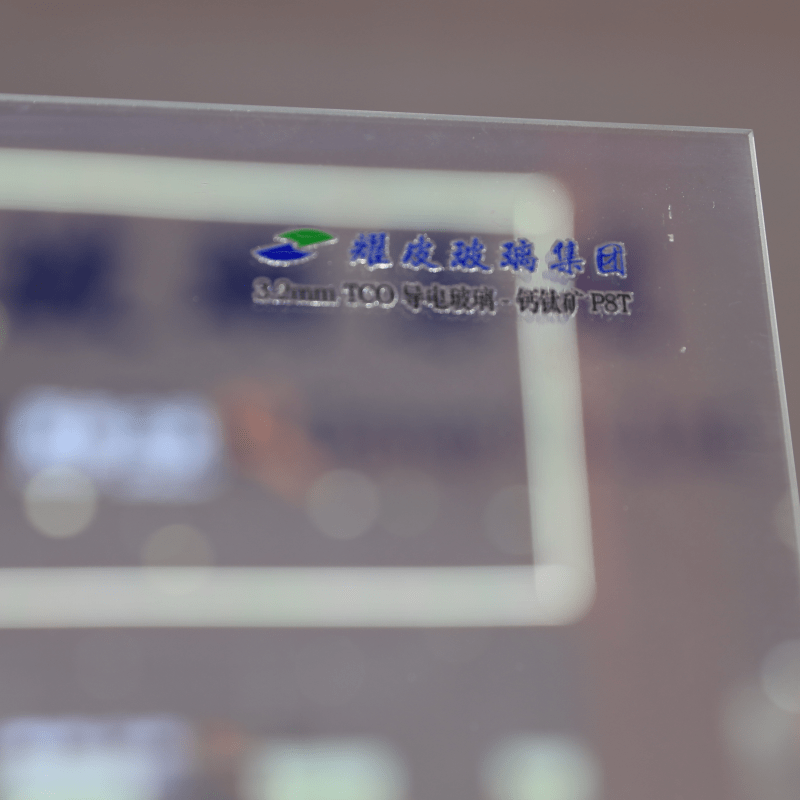
The mechanism by which tco glass improves solar panel efficiency involves multiple interconnected processes that optimize light transmission, electrical conductivity, and thermal management within the photovoltaic cell structure. Understanding these mechanisms requires examining how transparent conductive oxides interact with photons, electrons, and the underlying semiconductor materials that form the active layer of solar cells. The specific properties of tco glass create conditions that maximize energy harvesting while minimizing losses that typically occur in conventional solar panel designs.
Optical Enhancement Through Advanced Light Management
Maximizing Light Transmission Efficiency
The primary way tco glass improves solar panel efficiency is through superior light transmission characteristics that allow more photons to reach the active photovoltaic layer. Traditional glass materials often reflect or absorb a significant portion of incident sunlight, reducing the amount of energy available for conversion. Tco glass incorporates anti-reflective coatings and optimized refractive index properties that minimize these losses, typically achieving transmission rates exceeding 90% across the visible spectrum.
The surface texture and composition of tco glass can be engineered to create micro-scale features that trap light within the solar cell structure through total internal reflection. This light-trapping effect increases the optical path length of photons, giving them more opportunities to be absorbed by the semiconductor material. Advanced tco glass formulations utilize specific dopant concentrations and crystalline structures that optimize both transparency and electrical conductivity simultaneously.
Spectral selectivity represents another crucial aspect of how tco glass enhances efficiency. Different photovoltaic materials respond optimally to specific wavelength ranges, and tco glass can be tailored to preferentially transmit the most useful portions of the solar spectrum while filtering out wavelengths that generate heat without contributing to electrical output. This selective transmission reduces thermal stress on the solar cells while maximizing useful light absorption.
Reducing Reflection and Absorption Losses
Surface reflection losses typically account for 4-8% of efficiency reduction in standard solar panels, but tco glass implementations can reduce these losses to less than 2% through careful engineering of the glass-air interface. The transparent conductive oxide layer itself can function as part of an anti-reflective coating system, creating destructive interference patterns that minimize reflected light across broad wavelength ranges.
Absorption losses within the glass substrate represent another area where tco glass provides significant improvements. Ultra-low iron glass formulations combined with optimized transparent conductive oxide compositions reduce parasitic absorption, ensuring that more incident photons reach the active semiconductor layers. The thickness optimization of both the glass substrate and the conductive coating plays a critical role in minimizing these losses while maintaining adequate mechanical strength and electrical performance.
Electrical Conductivity Optimization
Enhanced Current Collection Efficiency
The electrical properties of tco glass directly impact how effectively generated electrons can be collected and transported to external circuits. High-quality tco glass exhibits sheet resistance values below 10 ohms per square, enabling efficient current collection across large-area solar cells without significant resistive losses. This low resistance characteristic becomes increasingly important as solar cell dimensions increase, where longer current transport paths can lead to substantial power losses in systems with inadequate conductivity.
The uniformity of electrical conductivity across the tco glass surface ensures consistent current collection from all regions of the solar cell. Non-uniform conductivity can create localized hot spots and reduce overall efficiency by forcing current to flow through higher-resistance paths. Advanced manufacturing processes for tco glass focus on achieving extremely uniform dopant distribution and crystalline structure to maintain consistent electrical properties across large substrate areas.
Temperature coefficient management represents another way tco glass improves efficiency through electrical optimization. The resistance characteristics of high-quality tco glass remain relatively stable across the operating temperature range of solar panels, preventing efficiency degradation that commonly occurs with temperature-sensitive conductive materials. This thermal stability ensures consistent performance across varying environmental conditions and throughout the daily temperature cycles experienced by outdoor installations.
Minimizing Series Resistance Losses
Series resistance within solar panels represents one of the most significant sources of efficiency loss, particularly under high irradiance conditions. Tco glass addresses this challenge by providing low-resistance pathways for electron transport that complement the metallic grid fingers typically used in solar cell designs. The combination of tco glass and optimized metallization patterns can reduce total series resistance by 15-25% compared to conventional approaches.
The interface between tco glass and the underlying semiconductor material requires careful optimization to minimize contact resistance. Advanced surface treatments and deposition techniques create ohmic contacts that facilitate efficient charge transfer without introducing additional voltage drops. These interface engineering approaches ensure that the benefits of low-resistance tco glass translate into measurable efficiency improvements in complete solar cell structures.
Thermal Management and Stability
Heat Dissipation Enhancement
Thermal management plays a crucial role in solar panel efficiency, as elevated temperatures typically reduce photovoltaic performance by 0.3-0.5% per degree Celsius above standard test conditions. Tco glass contributes to improved thermal management through enhanced heat dissipation properties that help maintain lower operating temperatures. The high thermal conductivity of many transparent conductive oxide materials facilitates heat transfer away from the active photovoltaic layers.
The optical properties of tco glass also contribute to thermal management by reducing absorption of infrared radiation that would otherwise heat the solar cells without generating electrical output. Selective coatings incorporated into tco glass structures can reflect or transmit infrared wavelengths while maintaining high transmission in the visible and near-infrared regions where photovoltaic conversion occurs most efficiently.
Convective heat transfer from the glass surface to ambient air represents another thermal management mechanism enhanced by tco glass properties. Surface texturing and coating formulations can be optimized to increase the effective surface area available for heat exchange, promoting more effective cooling under natural convection conditions typically encountered in solar installations.
Long-term Performance Stability
The durability characteristics of tco glass directly influence long-term efficiency retention in solar panels operating under outdoor conditions for 25-30 years. High-quality tco glass formulations resist degradation from ultraviolet exposure, thermal cycling, and moisture ingress that can compromise both optical and electrical properties over time. This stability ensures that efficiency improvements provided by tco glass persist throughout the operational lifetime of solar installations.
Adhesion stability between the transparent conductive oxide layer and the glass substrate prevents delamination and performance degradation under mechanical stress and thermal expansion cycles. Advanced deposition techniques and thermal treatment processes create strong interfacial bonds that maintain integrity under the mechanical and thermal stresses experienced during manufacturing, installation, and operation.
Integration with Advanced Cell Technologies
Compatibility with Thin-Film Technologies
Tco glass proves particularly beneficial in thin-film solar technologies where the transparent conductive electrode must be deposited directly onto the glass substrate. The surface properties and thermal characteristics of tco glass can be optimized to promote high-quality thin-film deposition, resulting in improved crystallinity and electrical properties of the active photovoltaic layers. This compatibility enables thin-film technologies to achieve higher efficiencies than possible with standard glass substrates.
The coefficient of thermal expansion matching between tco glass and various thin-film materials prevents stress-induced defects that can degrade performance. Careful selection of glass composition and transparent conductive oxide properties ensures thermal compatibility throughout the temperature ranges encountered during manufacturing and operation, maintaining structural integrity and electrical performance.
Chemical compatibility represents another critical factor where tco glass optimization enables improved thin-film solar cell performance. The surface chemistry and potential ion migration characteristics must be controlled to prevent contamination or chemical reactions that could degrade the active photovoltaic materials over time. Advanced tco glass formulations incorporate barrier layers and stabilized compositions that maintain chemical inertness while providing excellent electrical and optical properties.
Enhancement of Bifacial Solar Cell Performance
Bifacial solar cells, which can generate electricity from both front and rear surfaces, benefit significantly from tco glass optimization on both sides of the photovoltaic structure. The rear-side tco glass must balance transparency for light admission with electrical conductivity for current collection, requiring specialized compositions that differ from front-side requirements. This dual-surface optimization can increase total energy yield by 10-20% in installations with appropriate rear-side illumination.
The optical matching between front and rear tco glass surfaces becomes important for maximizing bifacial gain while maintaining electrical performance. Differences in sheet resistance, transmission characteristics, and surface properties between front and rear contacts can create electrical imbalances that reduce overall efficiency. Coordinated optimization of both surfaces ensures that bifacial benefits are fully realized without compromising fundamental cell performance.
FAQ
What specific properties of TCO glass lead to efficiency improvements?
TCO glass improves efficiency through three key properties: high optical transmission (90%) that allows more light to reach the photovoltaic layer, low sheet resistance (<10 ohms/square) that minimizes electrical losses, and excellent thermal stability that maintains performance across temperature variations. The combination of transparency and conductivity enables more effective light harvesting and current collection compared to conventional glass materials.
How much efficiency improvement can be expected from using TCO glass?
Efficiency improvements from tco glass typically range from 2-5% relative increase depending on the solar cell technology and implementation quality. Thin-film technologies often see larger improvements due to their greater dependence on transparent conductive electrodes, while crystalline silicon cells benefit primarily from reduced reflection losses and improved current collection. The actual improvement varies based on the specific tco glass formulation and integration with other cell components.
Does TCO glass work equally well with all solar cell technologies?
Tco glass provides benefits across multiple solar cell technologies, but the magnitude and mechanisms of improvement vary significantly. Thin-film technologies like CIGS and CdTe rely heavily on tco glass as an integral electrode and see substantial efficiency gains. Crystalline silicon cells benefit from reduced optical losses and improved current collection, though the improvements are typically smaller. Emerging technologies like perovskite cells can achieve dramatic efficiency improvements with properly optimized tco glass interfaces.
What maintenance considerations apply to TCO glass in solar installations?
Tco glass requires minimal additional maintenance beyond standard solar panel cleaning procedures. The durability of high-quality transparent conductive oxide coatings ensures long-term performance without degradation under normal environmental conditions. However, aggressive cleaning methods or abrasive materials should be avoided to prevent damage to the conductive surface. Regular inspection for any signs of coating damage or delamination helps ensure continued efficiency benefits throughout the system lifetime.