
 EN
EN
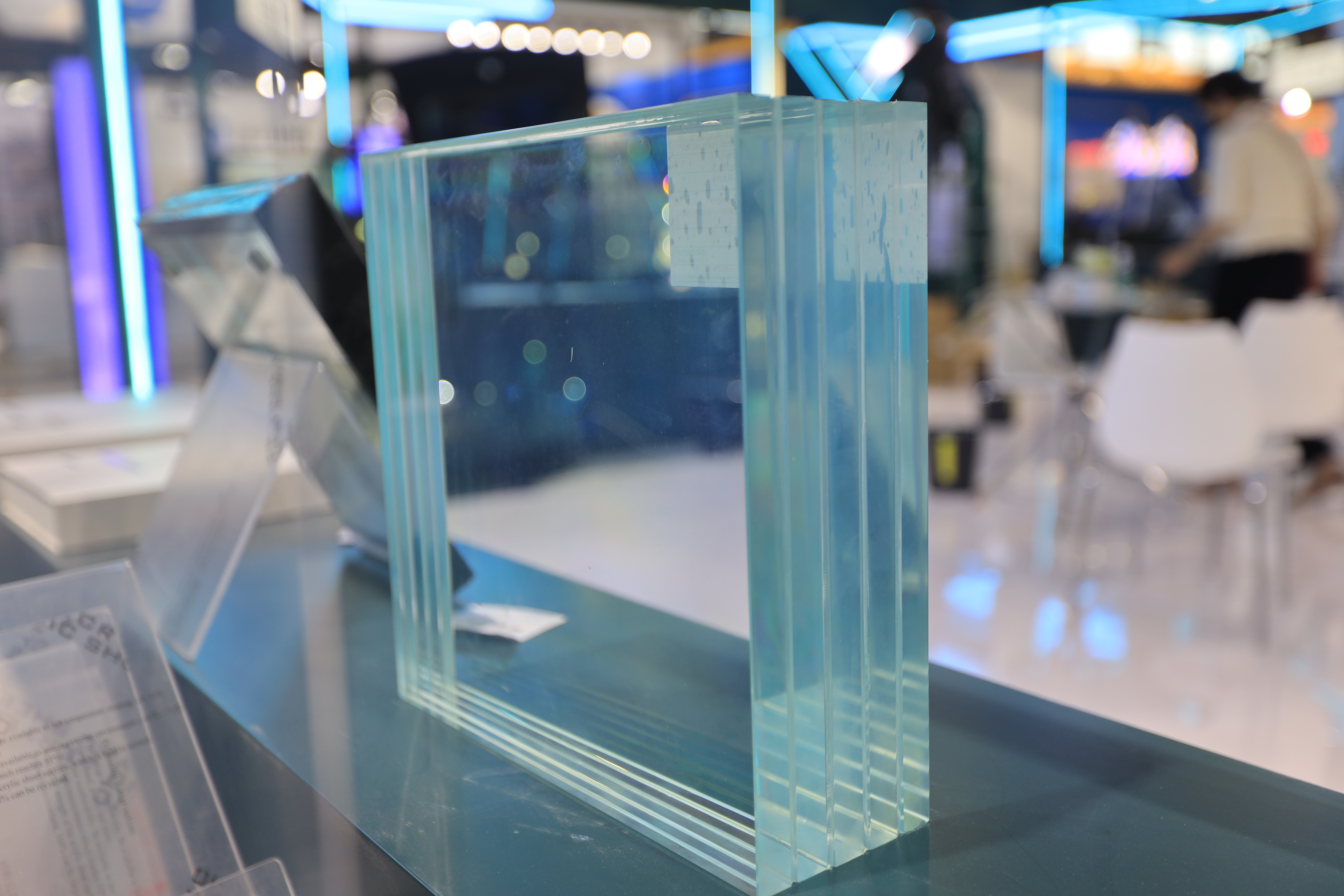
Modern architecture increasingly relies on transparent building materials to create healthier, more efficient indoor environments. Among these materials, float glass stands as a fundamental component that significantly influences both indoor air quality and natural lighting performance. This transparent material offers unique properties that make it essential for contemporary construction projects focused on occupant wellness and energy efficiency. Understanding how float glass impacts these critical environmental factors helps architects, builders, and property owners make informed decisions about glazing systems and building design strategies.

Understanding Float Glass Composition and Manufacturing
Manufacturing Process and Material Purity
The production of float glass involves melting raw materials at extremely high temperatures, creating a homogeneous mixture that flows onto molten tin. This process eliminates impurities and creates exceptionally smooth surfaces that minimize optical distortions. The controlled manufacturing environment ensures consistent thickness and quality, which directly impacts the material's performance in architectural applications. Float glass maintains chemical stability throughout its lifespan, preventing the release of harmful substances into indoor environments.
Quality control measures during float glass production focus on maintaining precise chemical compositions that meet strict building standards. The absence of lead and other toxic materials commonly found in older glass types makes modern float glass safer for residential and commercial installations. Advanced cooling processes create internal stress patterns that enhance structural integrity while maintaining optical clarity essential for natural lighting applications.
Chemical Composition and Safety Standards
Standard float glass consists primarily of silica sand, sodium carbonate, limestone, and small amounts of other materials that create a chemically inert surface. This composition prevents chemical reactions with atmospheric moisture or indoor pollutants, maintaining air quality integrity over extended periods. The non-porous surface of float glass resists contamination and prevents the harboring of allergens or microorganisms that could compromise indoor air quality.
Regulatory compliance ensures that float glass meets stringent safety and environmental standards for indoor use. Testing protocols verify that the material does not emit volatile organic compounds or other harmful substances under normal temperature conditions. These safety characteristics make float glass suitable for sensitive environments including healthcare facilities, schools, and residential spaces where air quality concerns are paramount.
Impact on Indoor Air Quality
Barrier Properties and Contamination Prevention
Float glass creates an effective barrier against external pollutants while maintaining indoor air purity through its non-reactive surface properties. The smooth, dense structure prevents the accumulation of dust, pollen, and other airborne particles that commonly collect on textured surfaces. This characteristic reduces the need for frequent cleaning and minimizes the introduction of chemical cleaning agents into indoor environments, supporting better air quality maintenance protocols.
Sealed glazing systems incorporating float glass prevent infiltration of outdoor contaminants including vehicle emissions, industrial pollutants, and seasonal allergens. The precision manufacturing of float glass enables tight sealing with window frames, reducing air leakage that could introduce unwanted substances. Professional installation ensures optimal performance of these barrier properties throughout the building's operational lifespan.
Maintenance Requirements and Cleaning Considerations
The low-maintenance nature of float glass contributes to healthier indoor environments by reducing cleaning frequency and chemical usage. Simple water-based cleaning solutions effectively maintain transparency without introducing harsh chemicals that could off-gas into interior spaces. The smooth surface resists staining and etching, preventing the need for abrasive cleaning methods that might compromise air quality.
Regular maintenance schedules for float glass installations focus on preserving optical clarity and structural integrity rather than addressing contamination issues. The material's resistance to weathering and chemical degradation means that replacement cycles are extended, reducing construction-related air quality disruptions. Professional maintenance protocols emphasize environmentally safe cleaning practices that support overall indoor air quality objectives.
Natural Lighting Performance and Benefits
Light Transmission Characteristics
High-quality float glass achieves excellent light transmission rates, typically allowing 85-90% of visible light to pass through standard thickness panels. This exceptional clarity maximizes natural daylight penetration, reducing dependence on artificial lighting systems during daytime hours. The uniform thickness and smooth surfaces of float glass minimize light scattering and distortion, ensuring consistent illumination throughout interior spaces.
Spectral transmission properties of float glass allow beneficial wavelengths to enter while maintaining color accuracy in natural lighting conditions. The material's optical properties support circadian rhythm regulation by transmitting full-spectrum daylight that influences human biological processes. Strategic placement of float glass windows optimizes natural lighting distribution while minimizing glare and heat gain issues commonly associated with inferior glazing materials.
Energy Efficiency and Daylight Harvesting
Float glass installations contribute to energy-efficient building operations through effective daylight harvesting strategies that reduce artificial lighting requirements. The material's transparency enables automatic lighting controls to respond accurately to natural light levels, optimizing energy consumption throughout daily cycles. Advanced coating options for float glass can enhance thermal performance while preserving natural lighting benefits essential for occupant comfort and productivity.
Daylighting systems incorporating float glass support sustainable building certifications by demonstrating measurable energy savings and environmental benefits. The material's durability ensures consistent performance over decades, maintaining energy efficiency objectives without degradation of optical properties. Integration with building management systems allows real-time optimization of natural lighting utilization, supporting both energy conservation and occupant wellness goals.
Health and Wellness Considerations
Circadian Rhythm Support
Natural lighting transmitted through float glass plays a crucial role in maintaining healthy circadian rhythms for building occupants. The material's ability to transmit full-spectrum daylight helps regulate melatonin production and sleep-wake cycles, contributing to improved overall health outcomes. Research demonstrates that access to quality natural lighting through transparent glazing systems reduces symptoms of seasonal affective disorder and supports mental wellness in indoor environments.
Educational and workplace facilities benefit significantly from float glass installations that provide consistent natural lighting throughout occupied hours. The material's optical clarity ensures that beneficial blue light wavelengths reach interior spaces, supporting alertness and cognitive function during daytime activities. Proper orientation and sizing of float glass windows optimize these health benefits while preventing excessive glare or heat gain that could compromise comfort levels.
Visual Comfort and Stress Reduction
The optical quality of float glass enhances visual comfort by providing clear, undistorted views of exterior environments that help reduce psychological stress. Connection to outdoor landscapes through transparent glazing systems has been shown to improve occupant satisfaction and reduce fatigue in workplace settings. The material's consistency eliminates visual distractions caused by optical imperfections, supporting focused activities and reducing eye strain.
Biophilic design principles emphasize the importance of natural connections facilitated by high-quality transparent materials like float glass. The ability to observe weather patterns, seasonal changes, and natural landscapes through clear glazing systems supports psychological wellness and stress management. Professional specification of float glass thickness and quality ensures optimal visual performance that enhances rather than detracts from the indoor experience.
Installation and Performance Optimization
Proper Installation Techniques
Professional installation of float glass systems requires attention to sealing details that prevent air leakage and maintain indoor air quality objectives. Specialized glazing compounds and weatherstripping materials must be compatible with float glass surfaces to ensure long-term performance without degradation. Proper structural support prevents stress concentrations that could compromise the material's integrity and performance characteristics over time.
Installation protocols for float glass emphasize precision measurement and fitting to maximize both air quality and natural lighting benefits. Thermal expansion considerations ensure that seasonal temperature variations do not compromise sealing effectiveness or optical performance. Professional installers understand the importance of maintaining clean work environments during installation to prevent contamination of float glass surfaces that could impact air quality or lighting transmission.
Performance Monitoring and Maintenance
Long-term performance of float glass installations depends on regular inspection and maintenance protocols that preserve both air quality and natural lighting benefits. Monitoring systems can track light transmission levels and identify potential issues before they impact building performance or occupant comfort. Professional maintenance schedules address sealing integrity, cleaning requirements, and replacement planning to optimize system performance throughout the building's lifespan.
Performance metrics for float glass systems include air leakage rates, light transmission measurements, and visual quality assessments that ensure continued effectiveness. Documentation of maintenance activities supports warranty compliance and helps identify trends that might indicate system degradation. Proactive maintenance approaches prevent minor issues from developing into major problems that could compromise air quality or natural lighting objectives.
FAQ
How does float glass differ from other glass types in terms of air quality impact
Float glass offers superior air quality benefits compared to older glass manufacturing methods because it contains no lead or other toxic materials that could potentially off-gas into interior environments. The uniform composition and smooth surface of float glass prevent the accumulation of contaminants and allergens, while its chemical stability ensures no degradation products are released over time. Additionally, the precision manufacturing process creates better sealing capabilities with window frames, reducing air infiltration that could introduce outdoor pollutants.
What maintenance practices help preserve the air quality benefits of float glass installations
Maintaining float glass for optimal air quality involves regular cleaning with mild, water-based solutions rather than harsh chemicals that could off-gas into interior spaces. Inspect sealing systems periodically to ensure continued barrier effectiveness against outdoor contaminants, and address any gaps or degradation promptly. Professional cleaning services understand proper techniques that preserve both the material's transparency and its air quality benefits without introducing harmful substances into the indoor environment.
Can float glass installations improve natural lighting without compromising energy efficiency
Modern float glass systems can significantly enhance natural lighting while maintaining or improving energy efficiency through strategic design and advanced coating technologies. High light transmission rates reduce artificial lighting requirements during daytime hours, leading to measurable energy savings. When properly specified with appropriate thermal coatings and integrated into well-designed daylighting systems, float glass installations contribute to both improved natural lighting and reduced overall energy consumption.
What factors should be considered when specifying float glass for optimal indoor air quality and lighting performance
Successful float glass specification requires careful consideration of thickness, coating options, and installation details that support both air quality and natural lighting objectives. Choose appropriate glass thickness based on structural requirements and acoustic performance needs, while selecting coatings that enhance thermal efficiency without significantly reducing light transmission. Work with experienced professionals who understand sealing requirements, orientation considerations, and maintenance protocols essential for long-term performance optimization in both air quality and natural lighting applications.
Table of Contents
- Understanding Float Glass Composition and Manufacturing
- Impact on Indoor Air Quality
- Natural Lighting Performance and Benefits
- Health and Wellness Considerations
- Installation and Performance Optimization
-
FAQ
- How does float glass differ from other glass types in terms of air quality impact
- What maintenance practices help preserve the air quality benefits of float glass installations
- Can float glass installations improve natural lighting without compromising energy efficiency
- What factors should be considered when specifying float glass for optimal indoor air quality and lighting performance