
 EN
EN
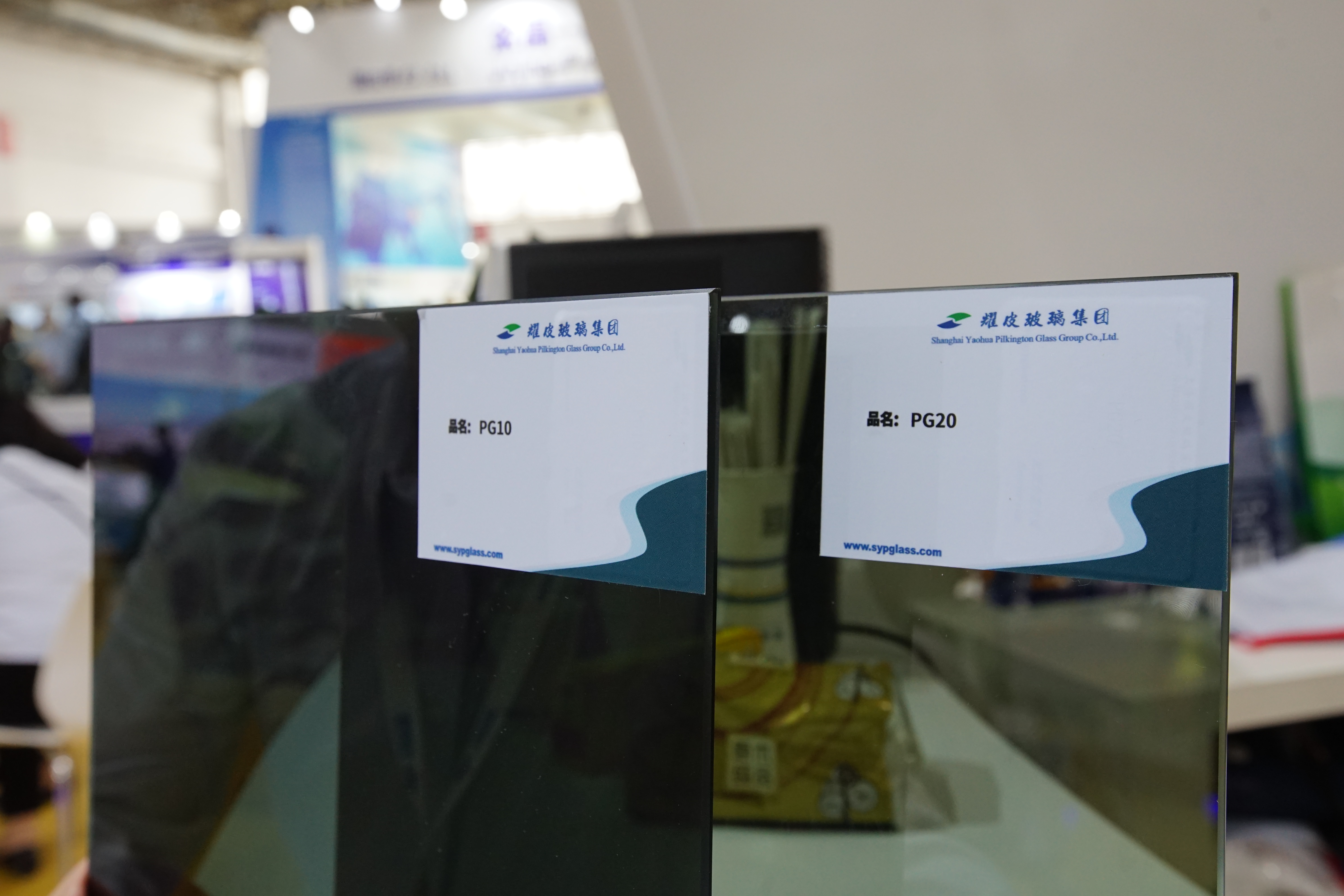
The manufacturing landscape continues to evolve at an unprecedented pace, with float glass technology standing at the forefront of innovation across multiple industries. This revolutionary production method has transformed how we create high-quality transparent materials, setting new standards for architectural applications, automotive manufacturing, and specialized industrial uses. Understanding the trajectory of float glass development reveals exciting possibilities for enhanced performance characteristics, improved energy efficiency, and expanded application domains that will define the next generation of glass manufacturing.
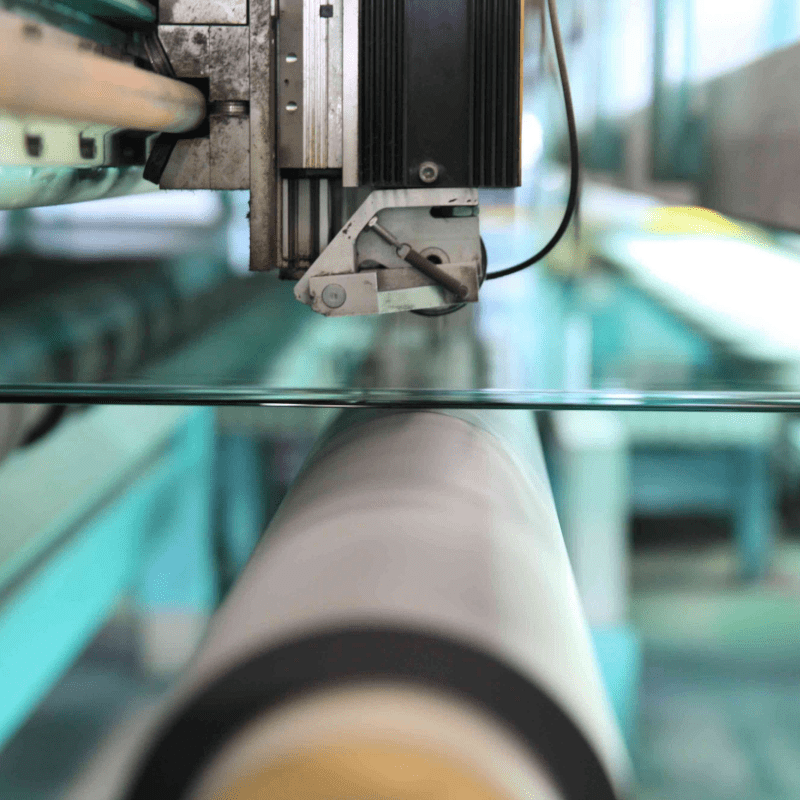
Advanced Manufacturing Technologies in Float Glass Production
Precision Temperature Control Systems
Modern float glass manufacturing incorporates sophisticated thermal management systems that enable precise control over the production environment. These advanced systems utilize real-time monitoring capabilities to maintain optimal temperature gradients throughout the float glass formation process. The integration of artificial intelligence algorithms helps predict thermal variations and automatically adjusts heating elements to ensure consistent quality across entire production runs. This technological advancement significantly reduces material waste while enhancing the structural integrity of the finished float glass products.
The implementation of advanced pyrometric systems allows manufacturers to monitor temperature variations with unprecedented accuracy. These systems collect thermal data from multiple points along the production line, creating detailed thermal maps that guide optimization efforts. Such precision control enables the production of float glass with enhanced optical clarity and reduced internal stress patterns, making it suitable for increasingly demanding applications in modern construction and automotive industries.
Automated Quality Inspection Technologies
Contemporary float glass production facilities employ cutting-edge inspection technologies that utilize machine vision systems and spectroscopic analysis to detect microscopic defects in real-time. These automated systems can identify surface imperfections, thickness variations, and optical distortions that would be impossible to detect through traditional manual inspection methods. The integration of these technologies ensures that every sheet of float glass meets stringent quality standards before leaving the production facility.
Advanced laser scanning systems create comprehensive three-dimensional profiles of float glass surfaces, enabling manufacturers to identify and correct production issues immediately. This proactive approach to quality control reduces downstream processing costs and ensures consistent product performance across different production batches. The data collected through these inspection systems also provides valuable insights for continuous process improvement initiatives.
Sustainable Manufacturing Processes and Environmental Innovation
Energy Recovery and Recycling Systems
The float glass industry has embraced comprehensive energy recovery systems that capture and reuse thermal energy generated during the production process. These innovative systems can recover up to seventy percent of the waste heat, significantly reducing the overall energy consumption required for float glass manufacturing. Advanced heat exchangers and thermal storage systems enable manufacturers to redistribute captured energy to other stages of the production process, creating closed-loop systems that minimize environmental impact.
Modern float glass facilities incorporate sophisticated recycling systems that can process post-consumer glass materials alongside virgin raw materials. These systems utilize advanced sorting technologies that separate different glass types and remove contaminants, ensuring that recycled content maintains the high-quality standards expected from float glass products. The integration of recycled materials reduces raw material consumption while maintaining product performance characteristics.
Carbon Footprint Reduction Initiatives
Leading float glass manufacturers have implemented comprehensive carbon reduction strategies that address every aspect of the production process. These initiatives include the adoption of alternative fuel sources, optimization of furnace designs, and implementation of carbon capture technologies. Advanced computational modeling helps identify opportunities for reducing greenhouse gas emissions while maintaining production efficiency and product quality standards.
The development of low-carbon float glass formulations represents a significant breakthrough in sustainable manufacturing. These innovative compositions maintain the essential properties of traditional float glass while requiring lower melting temperatures and producing fewer emissions during production. Research into bio-based additives and alternative raw materials continues to expand the possibilities for environmentally responsible float glass manufacturing.
Smart Glass Technologies and Functional Coatings
Electrochromic and Thermochromic Applications
The integration of smart technologies into float glass substrates has opened new possibilities for dynamic architectural and automotive applications. Electrochromic coatings applied to float glass surfaces enable real-time control over light transmission and heat absorption properties. These advanced materials respond to electrical signals, allowing users to adjust transparency levels and solar heat gain characteristics based on changing environmental conditions or personal preferences.
Thermochromic float glass technologies automatically adjust their optical properties in response to temperature changes, providing passive climate control capabilities without requiring external energy sources. These innovative materials incorporate specialized compounds that alter their molecular structure when exposed to specific temperature ranges, creating self-regulating systems that enhance building energy efficiency and occupant comfort levels.
Anti-Reflective and Self-Cleaning Surface Technologies
Advanced surface modification techniques have enabled the development of float glass products with enhanced functional properties. Anti-reflective coatings applied through vapor deposition processes create float glass surfaces that transmit significantly more light while reducing unwanted reflections. These coatings utilize carefully engineered interference patterns that minimize light loss and improve visual clarity across different viewing angles.
Self-cleaning float glass technologies incorporate photocatalytic and hydrophilic surface treatments that break down organic contaminants and facilitate water-based cleaning mechanisms. These innovative surfaces maintain their optical clarity and aesthetic appearance with minimal maintenance requirements, making them particularly valuable for architectural applications where regular cleaning access is challenging or costly.
Emerging Applications and Market Developments
Photovoltaic Integration Technologies
The convergence of float glass manufacturing with renewable energy technologies has created exciting opportunities for integrated photovoltaic systems. Specialized float glass substrates designed for solar panel applications incorporate enhanced light transmission properties and improved thermal stability characteristics. These advanced materials enable higher energy conversion efficiencies while providing the structural durability required for long-term outdoor exposure.
Building-integrated photovoltaic systems increasingly rely on high-performance float glass components that combine aesthetic appeal with functional energy generation capabilities. These applications require float glass products with specific optical characteristics and dimensional precision that traditional manufacturing methods struggle to achieve consistently. Advanced production techniques enable the creation of float glass substrates with tailored properties that optimize both visual appearance and photovoltaic performance.
Advanced Display and Electronic Applications
The electronics industry continues to drive demand for ultra-thin, high-strength float glass substrates used in display manufacturing and electronic device applications. These specialized products require exceptional flatness, optical clarity, and thermal stability characteristics that push the boundaries of conventional float glass production capabilities. Advanced manufacturing techniques enable the production of float glass sheets with thickness variations measured in micrometers and surface quality standards that exceed traditional optical glass specifications.
Flexible display technologies represent an emerging application area where float glass substrates must provide mechanical flexibility while maintaining optical performance and electronic functionality. Research into ultra-thin float glass production methods continues to expand the possibilities for bendable electronic devices and curved display systems that were previously impossible to manufacture cost-effectively.
Future Research Directions and Innovation Opportunities
Nanotechnology Integration in Float Glass Manufacturing
The incorporation of nanotechnology into float glass production processes promises to unlock unprecedented performance characteristics and functional capabilities. Researchers are exploring methods to integrate nanostructured materials directly into the float glass matrix during formation, creating composite materials with enhanced strength, thermal properties, and optical characteristics. These advanced materials could revolutionize applications in aerospace, automotive, and high-performance architectural systems.
Nanocoating technologies applied to float glass surfaces enable the creation of multifunctional materials that combine several performance characteristics in single products. These coatings can provide antimicrobial properties, enhanced scratch resistance, and improved thermal insulation while maintaining the optical clarity and aesthetic appeal expected from premium float glass products. The development of durable nanocoatings represents a key area of ongoing research and development activity.
Artificial Intelligence and Machine Learning Applications
The integration of artificial intelligence technologies into float glass manufacturing processes enables unprecedented levels of process optimization and quality control. Machine learning algorithms analyze vast amounts of production data to identify patterns and predict optimal operating parameters for different product specifications. These systems continuously learn from production experiences, gradually improving efficiency and product quality while reducing material waste and energy consumption.
Predictive maintenance systems powered by artificial intelligence help float glass manufacturers minimize unplanned downtime and optimize equipment performance. These systems monitor equipment conditions in real-time and predict potential failures before they occur, enabling proactive maintenance scheduling that reduces production disruptions. The application of AI technologies throughout the float glass production process represents a significant opportunity for operational improvement and cost reduction.
FAQ
What are the primary advantages of modern float glass manufacturing over traditional glass production methods
Modern float glass manufacturing offers superior surface quality, consistent thickness control, and higher production efficiency compared to traditional methods. The float process creates perfectly flat surfaces without requiring additional polishing, while advanced process controls ensure uniform optical properties throughout large glass sheets. Additionally, modern facilities incorporate energy recovery systems and automated quality controls that significantly reduce production costs and environmental impact.
How do smart glass technologies enhance the functionality of traditional float glass products
Smart glass technologies add dynamic functionality to float glass substrates through specialized coatings and embedded materials that respond to environmental conditions or user inputs. These technologies enable real-time control over light transmission, heat absorption, and privacy levels, creating adaptive building systems that improve energy efficiency and occupant comfort. The integration of smart technologies transforms float glass from passive building materials into active system components.
What role does sustainability play in current float glass industry developments
Sustainability initiatives drive significant innovation in float glass manufacturing, including energy recovery systems, recycled content integration, and carbon footprint reduction programs. Modern facilities achieve substantial environmental improvements through advanced furnace designs, alternative fuel adoption, and comprehensive waste heat recovery systems. These developments enable manufacturers to produce high-quality float glass products while minimizing environmental impact and reducing operational costs.
How are emerging applications influencing float glass technology development
Emerging applications in electronics, renewable energy, and advanced architecture drive continuous innovation in float glass manufacturing capabilities. These applications require specialized performance characteristics such as ultra-thin dimensions, enhanced thermal stability, and integrated functional properties that push traditional manufacturing boundaries. The development of these specialized float glass products often leads to improvements in standard production processes and expanded application possibilities across multiple industries.
Table of Contents
- Advanced Manufacturing Technologies in Float Glass Production
- Sustainable Manufacturing Processes and Environmental Innovation
- Smart Glass Technologies and Functional Coatings
- Emerging Applications and Market Developments
- Future Research Directions and Innovation Opportunities
-
FAQ
- What are the primary advantages of modern float glass manufacturing over traditional glass production methods
- How do smart glass technologies enhance the functionality of traditional float glass products
- What role does sustainability play in current float glass industry developments
- How are emerging applications influencing float glass technology development