
 EN
EN
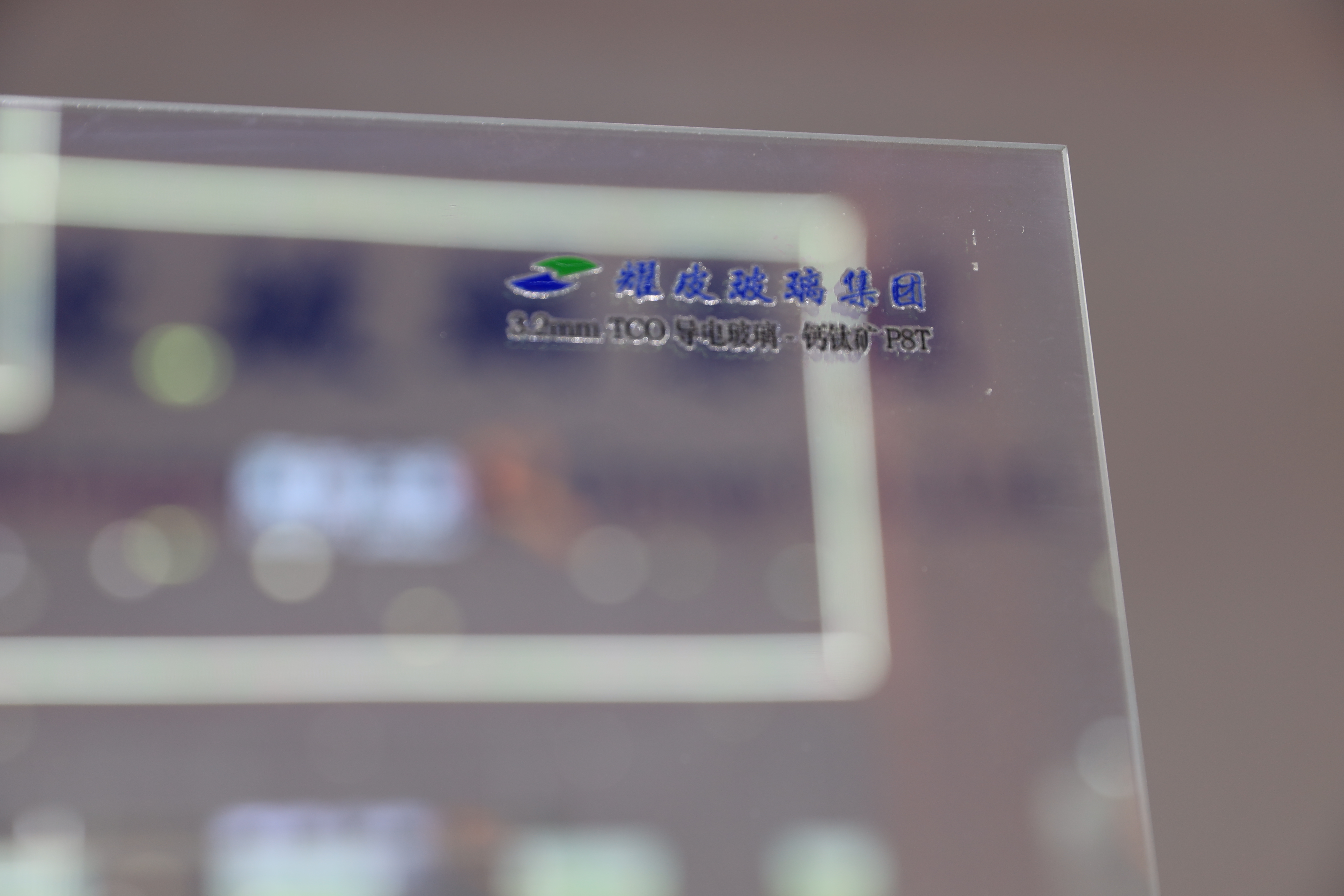
The solar industry is experiencing a significant shift toward more efficient and cost-effective materials, with tco glass emerging as a preferred choice for manufacturers worldwide. This transparent conductive oxide coating technology addresses critical performance limitations that have long challenged solar panel efficiency, offering superior electrical conductivity while maintaining exceptional optical transparency essential for photovoltaic applications.
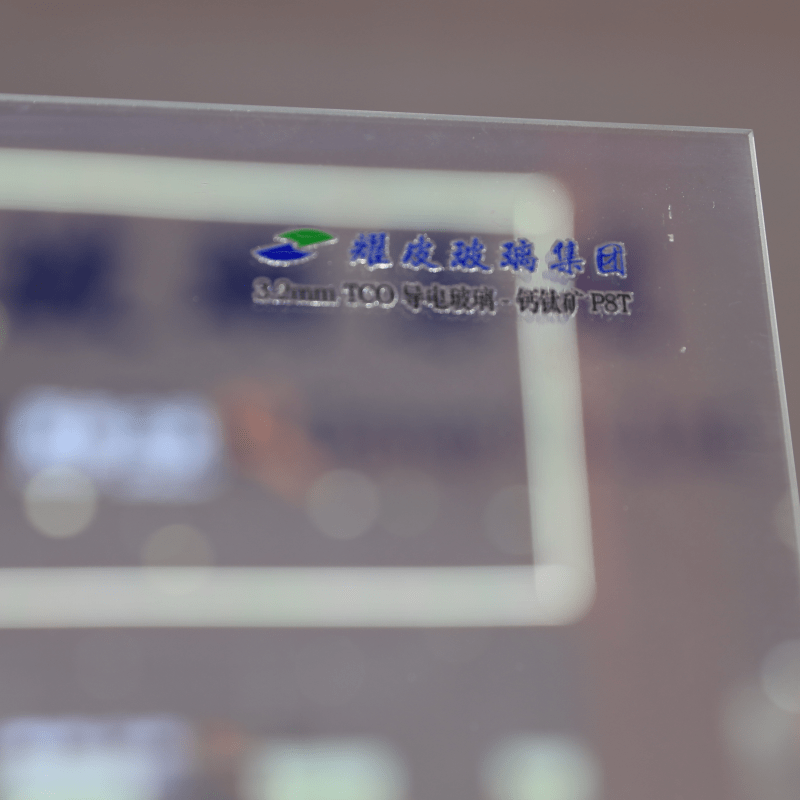
The growing popularity of tco glass stems from its ability to solve fundamental challenges in solar cell design while delivering measurable improvements in energy conversion efficiency. As manufacturing costs decrease and production capabilities expand, this advanced glass technology is becoming increasingly accessible to solar panel manufacturers seeking competitive advantages in an evolving marketplace driven by performance demands and economic pressures.
Enhanced Electrical Performance Drives Adoption
Superior Conductivity Characteristics
The primary driver behind tco glass adoption lies in its exceptional electrical conductivity properties that significantly outperform traditional alternatives. Solar panel manufacturers increasingly recognize that conventional transparent conductors create resistance bottlenecks that limit overall system efficiency, particularly in large-area photovoltaic modules where current collection becomes critically important.
Modern tco glass formulations achieve sheet resistance values below 10 ohms per square, enabling more efficient electron transport across the solar cell surface. This improved conductivity directly translates to higher power output, as less energy is lost through resistive heating during the current collection process.
The uniform distribution of conductive properties across large glass substrates ensures consistent performance throughout the entire solar panel surface. Unlike alternative materials that may exhibit conductivity variations or degradation over time, tco glass maintains stable electrical characteristics throughout extended operational periods under demanding environmental conditions.
Reduced Series Resistance Impact
Series resistance represents one of the most significant efficiency losses in solar cell operation, making the low-resistance properties of tco glass particularly valuable for manufacturers seeking performance optimization. Traditional transparent electrodes often contribute substantially to total series resistance, limiting the maximum achievable power conversion efficiency regardless of improvements in other cell components.
The implementation of tco glass effectively minimizes this resistance contribution, allowing solar cells to operate closer to their theoretical efficiency limits. This improvement becomes especially pronounced in high-current applications where even small resistance reductions yield significant performance gains.
Advanced tco glass formulations incorporate optimized dopant distributions that create highly conductive pathways while preserving optical transparency. This careful balance ensures that electrical improvements do not compromise light transmission, maintaining the delicate optimization required for effective solar energy conversion.
Optical Transparency Advantages
Maximum Light Transmission Properties
The optical performance of tco glass represents another compelling reason for its growing popularity, as manufacturers require materials that maximize light transmission while providing necessary electrical functionality. Traditional conductive coatings often create optical losses through reflection or absorption, reducing the amount of solar energy available for conversion.
High-quality tco glass achieves transmission rates exceeding 85% across the solar spectrum, ensuring that minimal light energy is lost before reaching the active photovoltaic materials. This exceptional transparency directly contributes to improved energy harvest, particularly important as solar installations seek to maximize output from available roof space or ground area.
The anti-reflective properties inherent in properly designed tco glass coatings further enhance light capture by reducing surface reflection losses. These optical improvements compound with electrical benefits to create measurable increases in overall solar panel performance that justify the material selection for quality-focused manufacturers.
Spectral Response Optimization
The wavelength-dependent properties of tco glass enable manufacturers to optimize solar panel response across different portions of the solar spectrum. Unlike materials with poor spectral selectivity, advanced tco glass formulations maintain high transparency across the most energy-rich wavelengths while providing adequate conductivity for efficient charge collection.
This spectral optimization becomes particularly important for solar installations in different geographic locations or seasonal conditions where the solar spectrum varies. The broad transparency window of tco glass ensures consistent performance across diverse operating conditions, making it attractive for manufacturers serving global markets.
Modern manufacturing techniques allow precise control over the optical properties of tco glass, enabling customization for specific solar cell architectures or application requirements. This flexibility supports the development of specialized solar panels optimized for particular use cases while maintaining the electrical advantages that make tco glass attractive.
Manufacturing Cost Benefits
Production Scale Economies
The increasing popularity of tco glass reflects significant improvements in manufacturing economics that make this advanced material more accessible to solar panel producers. Large-scale production facilities now achieve cost structures that compete favorably with traditional alternatives while delivering superior performance characteristics.
Modern tco glass production benefits from established glass manufacturing infrastructure, allowing producers to leverage existing equipment and expertise rather than requiring entirely new production lines. This manufacturing compatibility reduces capital investment requirements and accelerates the adoption timeline for solar panel manufacturers.
The economies of scale achieved through increased demand create a positive feedback loop where growing adoption drives cost reductions that further accelerate market penetration. This economic dynamic makes tco glass increasingly attractive as production volumes continue expanding across the global solar industry.
Process Integration Advantages
The manufacturing processes associated with tco glass integrate efficiently with existing solar panel production lines, reducing the complexity and cost of implementation for manufacturers. Unlike alternative materials that may require specialized handling or processing conditions, tco glass utilizes familiar techniques and equipment already present in most solar manufacturing facilities.
This process compatibility minimizes the learning curve for production teams and reduces the risk of manufacturing defects during the transition period. Solar panel manufacturers can implement tco glass without significant disruption to existing production schedules or quality control procedures.
The thermal stability and chemical compatibility of tco glass with standard solar cell processing temperatures and conditions ensure reliable manufacturing outcomes. This predictability supports consistent product quality while reducing waste and rework costs that can significantly impact manufacturing economics.
Long-term Durability and Reliability
Environmental Stability Performance
The exceptional durability characteristics of tco glass address critical concerns about long-term solar panel reliability, making it attractive for manufacturers focused on warranty obligations and customer satisfaction. Solar installations represent significant capital investments that must perform reliably for decades, creating strong incentives for material selection based on proven longevity.
Extensive testing demonstrates that tco glass maintains stable electrical and optical properties under prolonged exposure to ultraviolet radiation, temperature cycling, and humidity conditions typical of outdoor solar installations. This environmental stability ensures that initial performance advantages persist throughout the operational lifetime of solar panels.
The chemical inertness of tco glass prevents degradation reactions that commonly affect alternative transparent conductors, particularly under the elevated temperatures experienced by solar panels during peak operation. This stability reduces maintenance requirements and supports predictable energy output over extended periods.
Thermal Cycling Resistance
The thermal expansion characteristics of tco glass closely match those of standard solar cell materials, minimizing stress concentrations that can lead to mechanical failures during temperature cycling. Solar panels experience significant daily and seasonal temperature variations that create repeated thermal stress cycles throughout their operational lifetime.
Unlike materials with mismatched thermal properties, tco glass expands and contracts in harmony with other solar cell components, reducing the risk of delamination, cracking, or electrical connection failures. This thermal compatibility contributes to improved reliability and reduced warranty claims for solar panel manufacturers.
Advanced tco glass formulations incorporate stress-relief mechanisms that accommodate thermal movement without compromising electrical or optical performance. This engineering approach ensures that temperature-related stresses do not accumulate over time to cause premature failure or performance degradation.
Market Demand and Technology Trends
Efficiency Requirements Drive Innovation
The solar industry's relentless focus on efficiency improvements creates strong demand for materials like tco glass that deliver measurable performance advantages. As traditional approaches to efficiency enhancement reach practical limits, manufacturers increasingly turn to advanced materials that address fundamental loss mechanisms in solar cell operation.
Regulatory requirements and market competition continue pushing solar panel efficiency standards higher, making the performance benefits of tco glass increasingly valuable for manufacturers seeking competitive positioning. The efficiency advantages provided by tco glass help manufacturers meet or exceed industry benchmarks while maintaining competitive pricing.
Research and development investments in tco glass technology continue yielding improvements in both performance and manufacturing cost, creating a technology roadmap that supports continued adoption growth. These ongoing developments ensure that tco glass remains an attractive option as the solar industry evolves toward higher efficiency and lower cost targets.
Supply Chain Maturation
The establishment of reliable supply chains for tco glass supports wider adoption by reducing procurement risks and ensuring consistent material availability. Solar panel manufacturers require predictable access to materials that meet strict quality specifications, making supply chain reliability a critical factor in material selection decisions.
Multiple suppliers now offer tco glass products, creating competitive dynamics that drive continued improvements in quality, cost, and delivery performance. This supplier diversity reduces dependency risks while ensuring that manufacturers have access to materials that meet their specific requirements.
The geographic distribution of tco glass production capacity supports local sourcing strategies that reduce transportation costs and delivery lead times. This supply chain development makes tco glass more accessible to manufacturers worldwide while supporting just-in-time production strategies that minimize inventory costs.
FAQ
What specific performance improvements does tco glass provide compared to traditional materials?
Tco glass typically delivers 2-5% improvements in solar panel efficiency through reduced electrical resistance and enhanced light transmission. The material achieves sheet resistance values below 10 ohms per square while maintaining over 85% optical transparency, significantly outperforming conventional transparent conductors in both electrical and optical characteristics.
How does the cost of tco glass compare to alternative transparent conductor materials?
While tco glass initially carried a premium over traditional alternatives, manufacturing scale improvements have reduced costs to competitive levels. The total cost of ownership often favors tco glass when considering the efficiency improvements and reduced warranty risks associated with its superior durability and performance characteristics.
Are there any technical limitations or challenges associated with implementing tco glass?
Tco glass requires careful handling during manufacturing to prevent damage to the conductive coating, and some formulations may have temperature limitations during processing. However, these challenges are manageable with proper procedures, and the material integrates well with standard solar cell manufacturing processes without requiring major equipment modifications.
What market trends are driving the continued adoption of tco glass in solar applications?
Increasing efficiency requirements, growing emphasis on long-term reliability, and expanding manufacturing capacity for tco glass all support continued adoption growth. The material addresses key industry needs for improved performance while production scale economies make it increasingly cost-effective for manufacturers seeking competitive advantages in efficiency and durability.
Table of Contents
- Enhanced Electrical Performance Drives Adoption
- Optical Transparency Advantages
- Manufacturing Cost Benefits
- Long-term Durability and Reliability
- Market Demand and Technology Trends
-
FAQ
- What specific performance improvements does tco glass provide compared to traditional materials?
- How does the cost of tco glass compare to alternative transparent conductor materials?
- Are there any technical limitations or challenges associated with implementing tco glass?
- What market trends are driving the continued adoption of tco glass in solar applications?