
 EN
EN
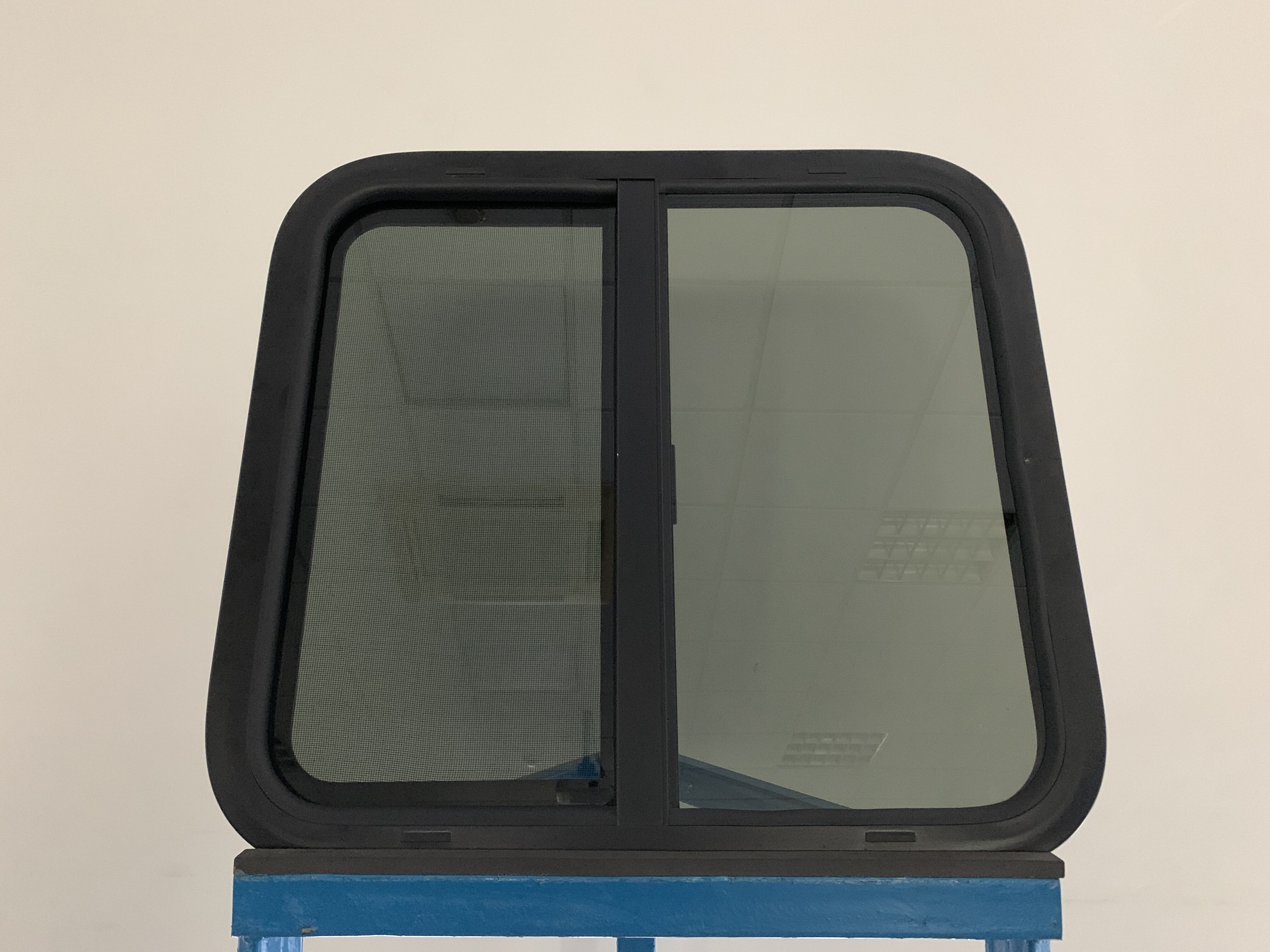
Choosing the right autoglass for your vehicle is one of the most consequential decisions a car owner or fleet manager can make. Unlike other replacement parts, autoglass directly affects structural integrity, driver visibility, and occupant safety. A poor choice can compromise the performance of advanced driver-assistance systems, create optical distortions, or fail to meet the safety standards your vehicle was originally designed around. Understanding how to navigate the selection process properly is essential before spending a single dollar on replacement or upgrade.
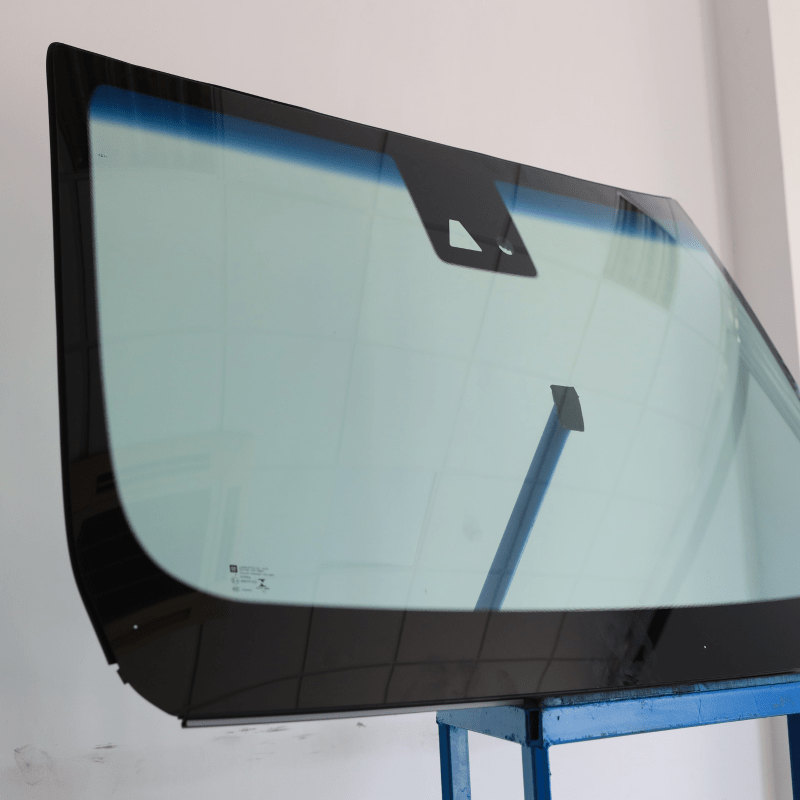
The autoglass market has grown significantly more complex over the past decade. Modern vehicles come equipped with rain sensors, heads-up displays, acoustic interlayers, thermal defrost grids, and camera-integrated mounting brackets — all of which depend on the precise specifications of the original glass. This guide walks you through the critical selection criteria, technical considerations, and practical steps needed to confidently identify the right autoglass for your specific vehicle, avoiding costly mistakes and ensuring long-term performance.
Understanding the Types of Autoglass Available
Windshields and Their Unique Structural Role
The windshield is the most technically demanding piece of autoglass on any vehicle. It is a laminated safety glass assembly composed of two layers of tempered glass bonded together with a polyvinyl butyral (PVB) interlayer. This construction ensures that in the event of an impact, the glass cracks but does not shatter, holding fragments together to protect occupants. When selecting replacement autoglass for the windshield position, matching the exact laminate composition matters enormously for safety certification compliance.
Modern windshields may also incorporate acoustic PVB layers that reduce road and wind noise, or thermal layers that assist with defrosting and infrared heat rejection. If your original equipment windshield featured these technologies, selecting a replacement autoglass without them will result in a noticeable decline in cabin comfort and energy efficiency. Always verify what interlayer technology was present in the factory-installed glass before committing to a replacement.
Some vehicles also have windshields with embedded antennas for FM radio, AM reception, or toll transponder systems. An autoglass replacement that lacks the correct antenna circuit pattern will disable these features. Checking the original glass specifications and ensuring the replacement matches those embedded features is a non-negotiable step in the selection process.
Side and Rear Glass Differences
Unlike windshields, side windows and rear glass panels are typically made from tempered glass rather than laminated glass. Tempered autoglass is heat-treated to shatter into small, relatively harmless granules on impact rather than producing dangerous shards. However, some premium and luxury vehicles are transitioning to laminated side glass for enhanced acoustic performance and theft resistance. Understanding what type of autoglass is installed on your vehicle's side and rear positions ensures you order the correct safety-rated product.
Rear windshields commonly include heating elements embedded as conductive lines across the surface. These defroster grids must be properly matched and connected during installation. If a replacement autoglass panel for the rear position lacks the appropriate grid pattern or uses a different terminal configuration, the defroster function will be lost entirely. Always cross-reference these electrical details before purchase.
Matching Autoglass to Your Vehicle's Specifications
OEM Versus Aftermarket Autoglass Standards
One of the most fundamental decisions in the autoglass selection process is choosing between original equipment manufacturer (OEM) glass and aftermarket alternatives. OEM autoglass is produced to the exact tolerances and specifications used in the original vehicle assembly. It guarantees a precise fit, maintains all sensor and system compatibilities, and typically carries full certification compliance for the vehicle's safety standards. For newer vehicles, especially those with ADAS camera systems or heads-up displays, OEM autoglass is almost always the recommended path.
Aftermarket autoglass can be a cost-effective option for older vehicles or for positions such as side and rear windows where the technical demands are less stringent. However, not all aftermarket autoglass is manufactured to the same quality level. When evaluating aftermarket options, verify that the product meets the relevant safety glazing standards for your region, such as AS/1, AS/2, or ECE R43 certification markings. These markings confirm the glass has been tested for impact resistance, optical clarity, and structural performance.
It is also worth noting that choosing substandard autoglass to save money upfront can lead to higher costs down the line. Poor-fitting glass can cause wind noise, water leaks, and even structural gaps in the vehicle body that accelerate corrosion. Investing in properly certified autoglass is a decision that protects not just safety, but also the long-term value of the vehicle.
Vehicle Make, Model, and Year Compatibility
Autoglass is not a universal product. Even within the same vehicle model family, manufacturers may use different glass part numbers across production years due to design revisions, feature additions, or supplier changes. The correct approach is to identify the vehicle's precise make, model, year, and body style before searching for replacement autoglass. In many cases, the VIN (Vehicle Identification Number) is the most reliable tool for narrowing down the correct glass specification, as it encodes production details that directly determine which autoglass part number applies.
Body style variations matter too. A four-door sedan and a coupe version of the same model may use entirely different autoglass profiles. Similarly, sunroof-equipped variants may require glass with a specific cutout or modified curvature. Always confirm that the autoglass you are sourcing is explicitly designated for your vehicle's body configuration, not just its nameplate.
Advanced Technology Features to Evaluate
ADAS Camera and Sensor Compatibility
Advanced Driver-Assistance Systems (ADAS) have made autoglass selection more technical than ever before. Cameras for lane departure warning, forward collision alert, and automatic emergency braking are frequently mounted behind the windshield and calibrate their detection zones based on the optical properties of the glass itself. If replacement autoglass introduces even minor variations in light refraction, tinting density, or surface flatness, these systems may produce false readings or fail to function properly.
For vehicles with ADAS, it is critical to select autoglass that is verified as compatible with the specific camera system used in your model. After installation, a recalibration procedure performed by a qualified technician is typically required to realign the camera to the new glass surface. Skipping this step is a serious safety risk, as the system may operate with incorrect reference data.
Some manufacturers designate specific autoglass part numbers as ADAS-compatible and mark them accordingly. When sourcing glass for a vehicle with these systems, always request confirmation that the autoglass meets the optical and geometric requirements for ADAS integration. This is not merely a recommendation — in many jurisdictions, it is a legal requirement for road safety compliance.
Heads-Up Display and Acoustic Interlayer Considerations
Vehicles equipped with heads-up displays (HUD) project critical driving information onto the lower windshield, where it reflects upward into the driver's line of sight. This technology requires windshield autoglass with a specific wedge-shaped PVB interlayer that prevents the double-image effect caused by reflections off both surfaces of the glass. Standard flat-interlayer autoglass will cause ghost images in the HUD projection, making the display unreadable and distracting.
If your vehicle has a HUD system, confirm explicitly that any replacement autoglass is specified as HUD-compatible before purchasing. This detail is often listed in the part description or can be verified by consulting the original glass part number. Overlooking this feature is one of the most common and costly mistakes made during autoglass replacement.
Acoustic autoglass with sound-dampening interlayers is another feature worth preserving in vehicles where it was originally installed. These interlayers absorb vibration and reduce the transmission of exterior noise into the cabin. Replacing acoustic autoglass with a standard laminated unit will produce a noticeably noisier driving environment, particularly at highway speeds. For comfort-focused vehicles and premium models, maintaining this specification is worth the additional investment.
Practical Steps for Selecting and Sourcing the Right Autoglass
Working With a Qualified Installer or Supplier
Sourcing autoglass through a reputable supplier or certified installer is one of the most effective ways to ensure you receive the correct product. Experienced autoglass professionals can cross-reference your vehicle's VIN, review the original glass specifications, and confirm which replacement options will maintain all factory features and safety ratings. They are also equipped to identify any installation requirements specific to your vehicle, such as the need for ADAS recalibration or specialized adhesive curing times.
When evaluating a supplier, ask whether they can provide documentation of the glass's certification markings and confirm that the product meets regional safety glazing standards. A trustworthy autoglass supplier will be transparent about the difference between OEM and aftermarket options, explain the implications of each choice, and allow you to make an informed decision based on your vehicle's needs and your budget constraints.
Avoid sourcing autoglass from channels that cannot provide certification documentation or part number traceability. Uncertified glass may appear visually identical to a compliant product but may fail under impact conditions, compromise sensor performance, or void your vehicle's warranty. Due diligence at the sourcing stage prevents far greater problems during use.
Inspecting and Verifying Before Installation
Before the autoglass is installed on your vehicle, perform a physical inspection of the product. Check the certification marking etched into the corner of the glass, which should include the relevant safety standard codes, the manufacturer's identifier, and the AS rating. Confirm the part number matches your order and that the glass dimensions, curvature, and feature details align with your vehicle's specifications.
If the autoglass has a primer or butyl tape strip along the edges, confirm that these are intact and undamaged, as they form the adhesive bond with the vehicle's pinch weld. Any damage to these sealing elements should prompt a replacement of the glass unit before installation proceeds. Proper sealing is essential for structural integrity and water resistance.
After installation, inspect the fit from both inside and outside the vehicle. There should be no visible gaps along the perimeter seal, no wind noise at highway speeds after the adhesive has cured, and no optical distortion visible when looking through the glass at distant objects. Any of these issues may indicate an incorrect glass choice or an installation error that requires immediate attention.
FAQ
How do I know which autoglass fits my specific vehicle?
The most reliable method is to use your vehicle's VIN to cross-reference the correct autoglass part number. Your VIN encodes the production details, body style, and installed features of your specific vehicle, which allows suppliers and installers to identify the exact glass specification required. Providing your VIN to an autoglass professional eliminates guesswork and ensures compatibility.
Is it safe to use aftermarket autoglass instead of OEM glass?
Aftermarket autoglass can be safe when it carries the appropriate safety glazing certifications such as AS/2, AS/3, or ECE R43. However, for vehicles with ADAS camera systems, heads-up displays, or acoustic interlayers, OEM-equivalent autoglass with verified feature compatibility is strongly recommended. Using uncertified or feature-mismatched aftermarket glass can compromise both safety and system functionality.
Does replacing autoglass require any recalibration procedures?
Yes, for any vehicle equipped with ADAS cameras or sensors mounted behind or near the windshield, recalibration is required after autoglass replacement. The camera's detection zones are calibrated relative to the optical properties and angle of the original glass. Installing new autoglass — even if it is OEM — changes these reference conditions, and the system must be recalibrated by a certified technician to restore accurate performance.
What certification markings should I look for on autoglass?
Every piece of safety-rated autoglass should carry an etched certification mark in a corner of the glass. In North America, look for AS/1, AS/2, or AS/3 ratings alongside the manufacturer's identification mark. In Europe and many international markets, the ECE R43 mark is the relevant standard. These markings confirm that the autoglass has been tested and certified for optical clarity, impact resistance, and structural performance in accordance with regulatory requirements.