
 EN
EN

Solar glass represents a transformative technology in contemporary architecture and building design. This specialized material harnesses sunlight and converts it into usable energy, fundamentally changing how buildings interact with their environment. Understanding how solar glass functions is essential for architects, builders, and facility managers seeking to maximize energy efficiency and sustainability. The integration of solar glass into modern building design creates structures that generate power while maintaining aesthetic appeal and structural integrity.
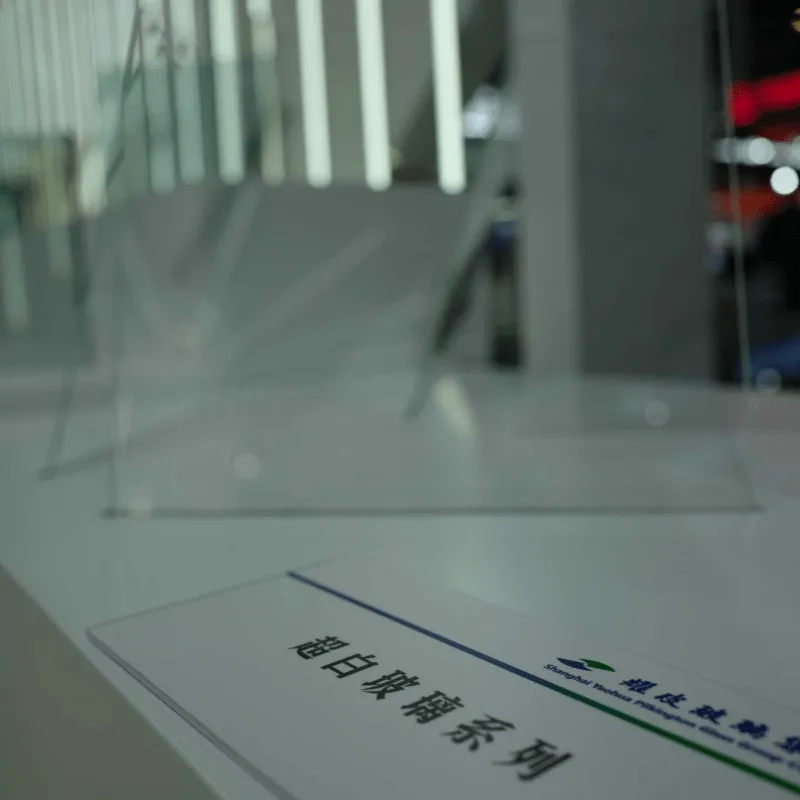
The growing demand for renewable energy solutions in buildings has accelerated adoption of solar glass technologies. Developers recognize that solar glass offers a dual benefit: it provides the functional glazing properties required for windows, skylights, and facade elements while simultaneously generating electrical or thermal energy. This convergence of utility and sustainability makes solar glass an increasingly attractive choice for commercial, residential, and industrial projects worldwide. Modern building codes and green certification programs increasingly incentivize or mandate the use of solar glass in new construction and major renovations.
Understanding Solar Glass Technology and Function
Core Principles of Solar Glass Operation
Solar glass operates through embedded photovoltaic cells or solar thermal elements integrated into transparent glass panels. The technology works by capturing solar radiation and converting it into electrical current through the photovoltaic effect or into heat through thermal absorption. When sunlight strikes the solar glass, photons excite electrons within semiconductor materials, creating an electrical flow that can be captured and converted to usable power. This process occurs continuously throughout daylight hours, with output varying based on sunlight intensity, angle, and seasonal conditions. The glass itself remains transparent or semi-transparent depending on design specifications, allowing light to penetrate while capturing energy efficiently.
Types of Solar Glass Solutions
Photovoltaic solar glass incorporates thin-film or crystalline silicon cells that generate electricity directly from sunlight. This type of solar glass is ideal for rooftops, vertical facades, and building-integrated photovoltaic systems. Thermal solar glass uses specialized coatings and fluid channels to absorb solar heat for space heating or water heating applications. Some advanced solar glass combines both photovoltaic and thermal capabilities in hybrid configurations. Electrochromic solar glass, also called smart glass, adjusts transparency dynamically to regulate heat gain and optimize energy performance throughout the day. Each solar glass variant serves distinct applications within modern building design, with selection depending on climate, building orientation, and energy goals.
Integration of Solar Glass in Building Design
Architectural Applications and Placement
Solar glass performs exceptionally well when integrated into south-facing facades and roofing systems in the Northern Hemisphere, where solar exposure is maximized. Building designers leverage solar glass in exterior walls, curtain systems, skylights, canopies, and atrium covers to capture maximum solar radiation. The placement of solar glass significantly influences energy generation capacity and building performance metrics. Strategic orientation and angle optimization ensure that solar glass receives optimal sunlight throughout the day and across seasons. Modern building information modeling tools allow architects to simulate solar glass performance before construction, enabling data-driven design decisions.
Design Considerations for Solar Glass Implementation
Architects must balance aesthetics, functionality, and energy production when specifying solar glass for building projects. The transparency level of solar glass affects both the visual experience inside the building and energy generation efficiency. Load-bearing requirements, structural support systems, and installation methods must accommodate solar glass panels while maintaining building integrity. Thermal expansion, sealing, and weatherproofing of solar glass installations require careful attention to ensure durability and performance longevity. Building codes, safety standards, and electrical integration protocols must be followed to ensure compliant and safe solar glass installations in any modern building.
Performance Benefits and Energy Optimization
Energy Generation and Cost Savings
Solar glass delivers measurable energy generation that reduces operational costs and grid dependency over the building's lifecycle. A well-designed solar glass system can offset 10 to 30 percent of a building's annual energy consumption, depending on climate, orientation, and system size. The energy generated by solar glass directly reduces electricity purchases from utility providers, lowering operational expenses and improving return on investment. Buildings incorporating solar glass often qualify for renewable energy incentives, tax credits, and accelerated depreciation benefits. Performance monitoring systems track solar glass output in real time, providing data for ongoing optimization and maintenance scheduling.
Environmental and Sustainability Impact
Solar glass contributes significantly to reducing a building's carbon footprint and greenhouse gas emissions throughout its operational life. By generating clean, renewable energy on-site, solar glass eliminates the need for grid electricity derived from fossil fuel sources. Many commercial buildings using solar glass achieve superior green building certifications such as LEED, BREEAM, or similar sustainability standards. The environmental benefits of solar glass extend across its entire lifecycle, from energy savings during operation to reduced manufacturing impact when high-quality materials are used. Incorporating solar glass into modern building design aligns facilities with climate goals and corporate sustainability commitments.
FAQ
How much electricity does solar glass actually generate in a typical building?
The electricity generation from solar glass varies based on climate, installation size, orientation, and system efficiency. A commercial building with 1,000 square meters of solar glass facing optimal direction in a sunny climate might generate 100 to 150 kilowatts of peak power, translating to 150,000 to 250,000 kilowatt-hours annually. Urban buildings or those in cloudy regions experience lower generation rates. Actual output depends on the specific solar glass technology, panel efficiency ratings, and shading from adjacent structures. Professional energy modeling can predict solar glass performance for your specific location and building configuration.
What maintenance is required for solar glass systems?
Solar glass systems require minimal maintenance compared to traditional rooftop solar installations due to their integrated design and weather-sealed construction. Regular cleaning to remove dust, debris, and bird droppings ensures optimal light transmission and energy generation from solar glass. Most solar glass systems benefit from professional cleaning twice annually, though frequency depends on local environmental conditions and air quality. Electrical connections and monitoring systems should be inspected annually to identify any performance degradation or equipment issues. Qualified technicians should perform maintenance on solar glass installations to ensure safety compliance and warranty preservation.
Can solar glass be retrofitted into existing buildings?
Retrofitting solar glass into existing buildings is possible but requires careful structural assessment and planning. Existing windows, skylights, and facade elements can often be replaced with solar glass alternatives during renovation projects. However, structural modifications, electrical infrastructure upgrades, and building code compliance reviews may be necessary before solar glass installation. Retrofitting costs for solar glass are typically higher than incorporating it into new construction due to removal, adaptation, and integration challenges. Professional building assessment and solar glass design consultation help determine feasibility and cost-effectiveness for specific retrofit scenarios.