
 EN
EN
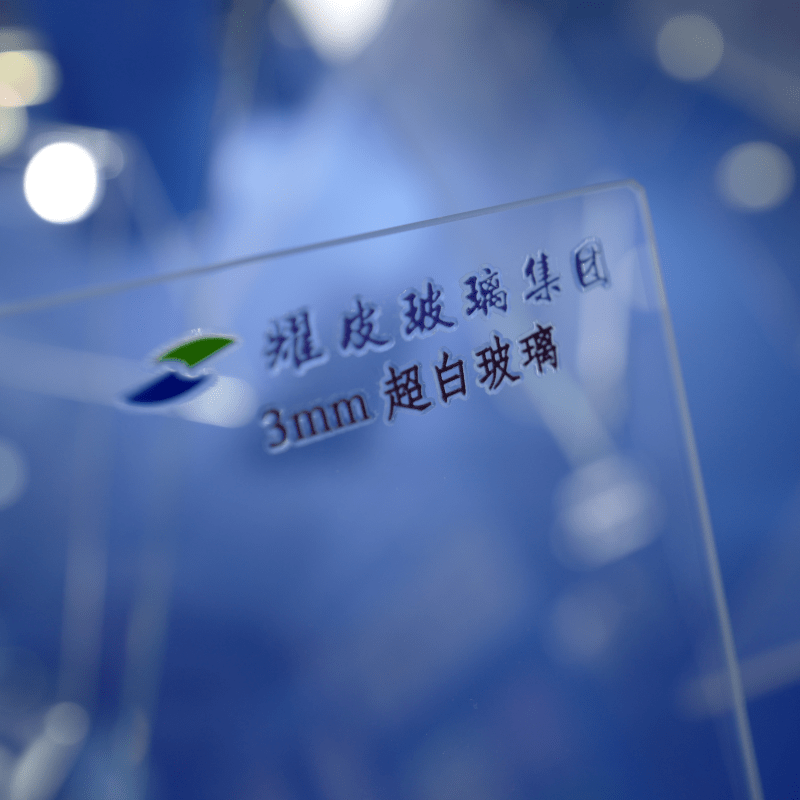
The automotive industry has witnessed remarkable advancements in windshield technology over the past decades, transforming what was once a simple barrier into a sophisticated safety system. Modern windshield manufacturing incorporates cutting-edge materials, innovative design principles, and advanced protective features that work together to safeguard drivers and passengers during every journey. These technological improvements have fundamentally changed how we think about automotive safety, making the windshield an integral component of vehicle protection systems rather than just a transparent shield against the elements.
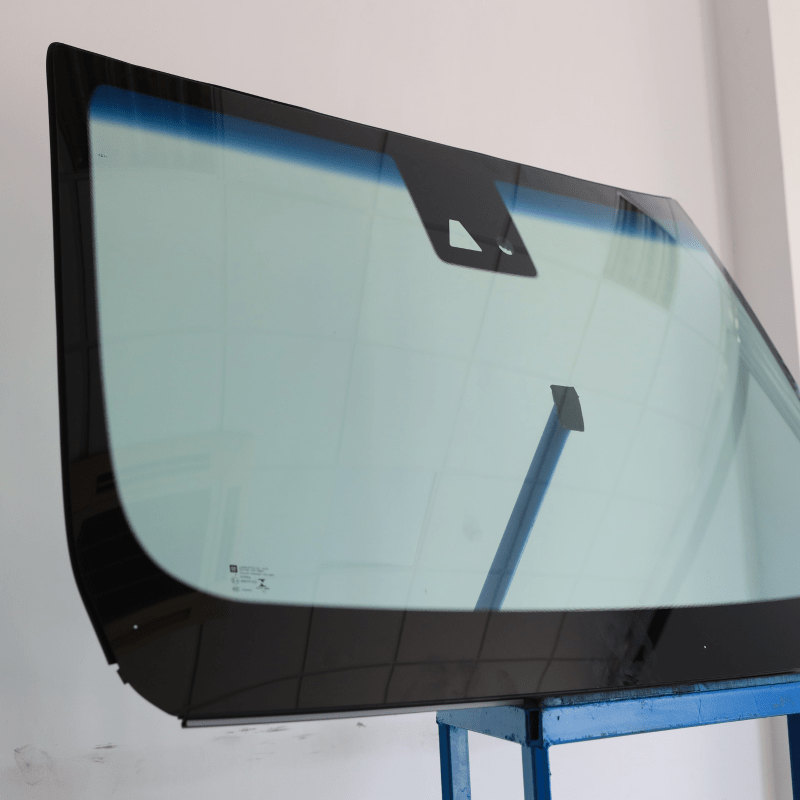
Advanced Materials and Construction Methods
Laminated Glass Technology
The foundation of modern windshield safety lies in laminated glass construction, which represents a significant evolution from the single-pane glass used in early vehicles. This sophisticated windshield design incorporates multiple layers of specially treated glass bonded together with a polyvinyl butyral (PVB) interlayer. The laminated structure ensures that when impact occurs, the glass fragments remain adhered to the central layer, preventing dangerous shards from injuring occupants while maintaining the structural integrity of the windshield during accidents.
Contemporary windshield manufacturing processes utilize advanced heating and cooling techniques to create tempered glass that is significantly stronger than conventional glass. The tempering process involves heating the glass to extremely high temperatures and then rapidly cooling it, creating internal stresses that make the material more resistant to impact and thermal shock. This enhanced strength allows the windshield to withstand greater forces while maintaining optical clarity and structural performance under various environmental conditions.
Acoustic and Thermal Properties
Modern windshield technology incorporates acoustic dampening layers that significantly reduce road noise and external sound intrusion into the vehicle cabin. These specialized interlayers not only improve the driving experience by creating a quieter environment but also contribute to driver alertness and reduced fatigue during long journeys. The acoustic properties of advanced windshield systems help maintain better communication between passengers and allow drivers to focus more effectively on driving tasks without excessive noise distraction.
Thermal management capabilities in contemporary windshield designs include specialized coatings that reflect infrared radiation while allowing visible light to pass through. These thermal control features help maintain comfortable cabin temperatures, reduce air conditioning loads, and prevent harmful UV radiation from reaching occupants. The integration of thermal management technology in windshield construction contributes to overall vehicle energy efficiency while protecting passengers from sun-related health risks and interior component degradation.
Integrated Safety Systems and Smart Features
Heads-Up Display Integration
Revolutionary windshield technology now incorporates heads-up display (HUD) systems that project critical driving information directly onto the glass surface, allowing drivers to access essential data without taking their eyes off the road. These advanced windshield displays present navigation information, speed readings, collision warnings, and other vital statistics in the driver's direct line of sight. The integration of HUD technology into windshield design represents a significant advancement in driver safety, reducing the need for drivers to look away from the road to check instruments or navigation systems.
The optical properties of HUD-enabled windshield systems require precise engineering to prevent double imaging, glare, or distortion while maintaining excellent visibility under various lighting conditions. Modern windshield manufacturers use specialized coatings and glass compositions that optimize light transmission for both normal vision and HUD projection, ensuring that safety information remains clearly visible without compromising the driver's ability to see the road ahead.
Camera and Sensor Integration
Contemporary windshield designs accommodate various camera systems and sensors that support advanced driver assistance systems (ADAS) including automatic emergency braking, lane departure warnings, and adaptive cruise control. The precise positioning and calibration of these systems within the windshield structure requires sophisticated manufacturing techniques that maintain optical clarity while providing stable mounting points for sensitive electronic components. These integrated safety systems rely on the windshield to provide an unobstructed view of the road environment for proper functionality.
Rain sensing technology embedded within modern windshield systems automatically adjusts wiper operation based on precipitation detection, improving visibility and reducing driver distraction during adverse weather conditions. These sensors work in conjunction with automatic headlight systems and other environmental monitoring technologies to create a comprehensive safety network that responds to changing driving conditions without requiring driver intervention.
Impact Resistance and Structural Integrity
Rollover Protection and Roof Crush Resistance
Advanced windshield engineering contributes significantly to overall vehicle structural integrity, particularly during rollover accidents where the glass must help support the weight of the vehicle and maintain cabin space for occupant protection. Modern windshield bonding techniques create a structural connection between the glass and vehicle frame that distributes crash forces more effectively throughout the vehicle body. This structural integration ensures that the windshield contributes to overall vehicle strength rather than simply serving as a replaceable component.
The bonding adhesives used in contemporary windshield installation provide both immediate structural support and long-term durability under various environmental stresses including temperature fluctuations, humidity changes, and mechanical vibrations. These advanced adhesive systems cure to form a permanent bond that becomes an integral part of the vehicle's safety cage, helping to maintain occupant space integrity during side impacts, rollovers, and other severe collision scenarios.
Penetration Resistance and Fragment Retention
Modern windshield technology includes enhanced penetration resistance designed to protect occupants from flying debris, projectiles, and other road hazards that could breach the cabin space. The multi-layer construction of contemporary windshield systems provides multiple barriers against penetration while maintaining optical clarity and structural performance. These protective features are particularly important for highway driving where high-speed impacts with debris pose significant safety risks to vehicle occupants.
Fragment retention capabilities in advanced windshield designs prevent glass pieces from becoming dangerous projectiles during accidents, instead keeping broken glass contained within the laminated structure where it cannot cause injury to occupants. This safety feature is critical during deployment of airbag systems, which create significant cabin pressure changes that could otherwise cause loose glass fragments to become airborne hazards.
Environmental Adaptation and Durability
Weather Resistance and Climate Control
Contemporary windshield technology incorporates advanced weather resistance features that maintain performance and safety across extreme temperature ranges and environmental conditions. These systems include anti-icing coatings, defogging elements, and thermal regulation properties that ensure clear visibility regardless of weather conditions. The integration of these climate control features directly into the windshield structure provides more effective and energy-efficient environmental management compared to traditional heating and ventilation systems.
UV protection capabilities built into modern windshield materials help preserve both occupant health and interior vehicle components by filtering harmful radiation while maintaining excellent optical transmission of visible light. These protective features are engineered to maintain their effectiveness throughout the entire service life of the windshield, ensuring consistent protection against sun damage and glare-related visibility issues.
Maintenance and Self-Cleaning Properties
Innovative windshield surface treatments include hydrophobic coatings that cause water to bead and roll off the glass surface, improving visibility during rain and reducing the frequency of wiper operation needed for clear vision. These self-cleaning properties help maintain optimal visibility while reducing wear on wiper systems and minimizing driver distraction caused by poor visibility conditions. The durability of these surface treatments is engineered to withstand regular cleaning and environmental exposure while maintaining their water-repelling characteristics.
Advanced windshield materials resist scratching, pitting, and other forms of surface damage that can compromise visibility and safety over time. The enhanced durability of modern windshield surfaces reduces maintenance requirements while ensuring that optical clarity remains excellent throughout the vehicle's service life, contributing to long-term safety and performance reliability.
Manufacturing Precision and Quality Control
Computer-Controlled Production Processes
State-of-the-art windshield manufacturing employs computer-controlled processes that ensure precise dimensional accuracy, optical quality, and structural consistency across all production units. These automated systems monitor glass thickness, curvature, and optical properties throughout the manufacturing process, immediately identifying and correcting any variations that could compromise safety or performance. The precision achieved through computer-controlled manufacturing ensures that every windshield meets exact specifications for fit, function, and safety performance.
Quality control systems in modern windshield production facilities utilize advanced testing methods including stress analysis, optical distortion measurement, and impact resistance verification to ensure that each unit meets or exceeds safety standards. These comprehensive testing protocols validate the performance characteristics of windshield systems before installation, providing assurance that the safety features will function as designed throughout the product's service life.
Customization and Vehicle Integration
Contemporary windshield manufacturing capabilities allow for precise customization to match specific vehicle models and safety requirements, ensuring optimal fit and maximum safety performance for each application. This customization includes adjustments for curvature, thickness, tinting, and integrated technology accommodation while maintaining compliance with safety regulations and performance standards. The ability to customize windshield characteristics for specific vehicle applications ensures that safety systems function optimally regardless of vehicle type or intended use.
Integration planning during the windshield design phase ensures compatibility with vehicle-specific safety systems, electronics, and structural requirements while maintaining manufacturing efficiency and cost-effectiveness. This comprehensive approach to windshield engineering results in products that enhance overall vehicle safety while providing reliable long-term performance under diverse operating conditions.
FAQ
How does modern windshield technology differ from traditional glass
Modern windshield technology utilizes laminated glass construction with multiple protective layers and specialized interlayers, compared to traditional single-pane glass that offered limited safety benefits. Contemporary windshield systems incorporate advanced materials like polyvinyl butyral (PVB) layers that prevent glass fragmentation during impact while maintaining structural integrity. These modern systems also include integrated technologies such as heads-up displays, rain sensors, and camera mounting systems that traditional windshield designs could not accommodate.
What safety features are built into contemporary windshield designs
Contemporary windshield designs incorporate numerous safety features including penetration resistance, fragment retention capabilities, structural support for rollover protection, and integration with advanced driver assistance systems. These windshield systems contribute to overall vehicle structural integrity while providing enhanced visibility through anti-glare coatings, UV protection, and climate control features. The integration of sensor systems and heads-up display technology further enhances safety by providing drivers with critical information without requiring them to look away from the road.
How do environmental conditions affect windshield performance
Environmental conditions significantly influence windshield performance, which is why modern designs incorporate weather resistance features, thermal management capabilities, and specialized coatings to maintain effectiveness across various climates. Advanced windshield systems include anti-icing elements, hydrophobic surface treatments, and UV filtering properties that ensure consistent performance regardless of temperature, humidity, or precipitation conditions. These environmental adaptation features help maintain clear visibility and structural integrity throughout diverse weather patterns and seasonal changes.
What maintenance considerations apply to modern windshield technology
Modern windshield technology requires specialized maintenance considerations including proper cleaning techniques to preserve advanced surface coatings, calibration of integrated sensor systems after replacement, and regular inspection of bonding adhesives and structural connections. The sophisticated nature of contemporary windshield systems means that maintenance procedures must account for electronic components, specialized coatings, and precision-engineered features that could be compromised by improper handling or cleaning methods. Professional installation and service are typically required to maintain warranty coverage and ensure optimal safety performance.