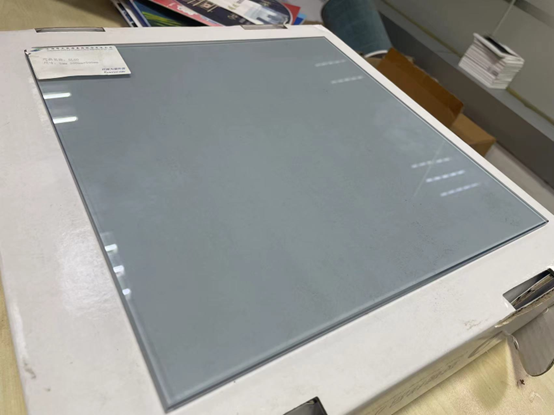
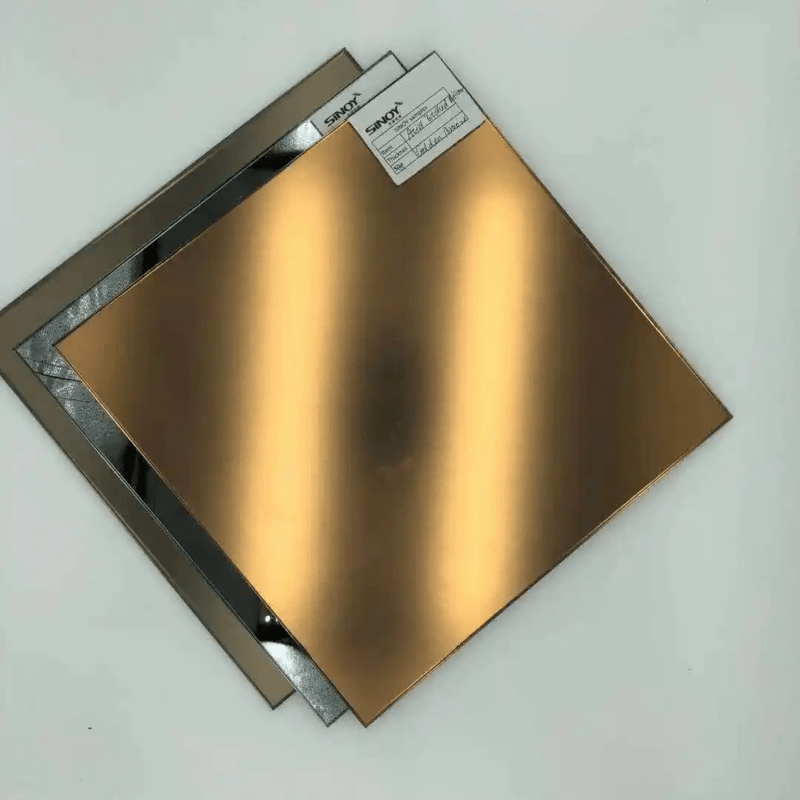
decorative patterned glass
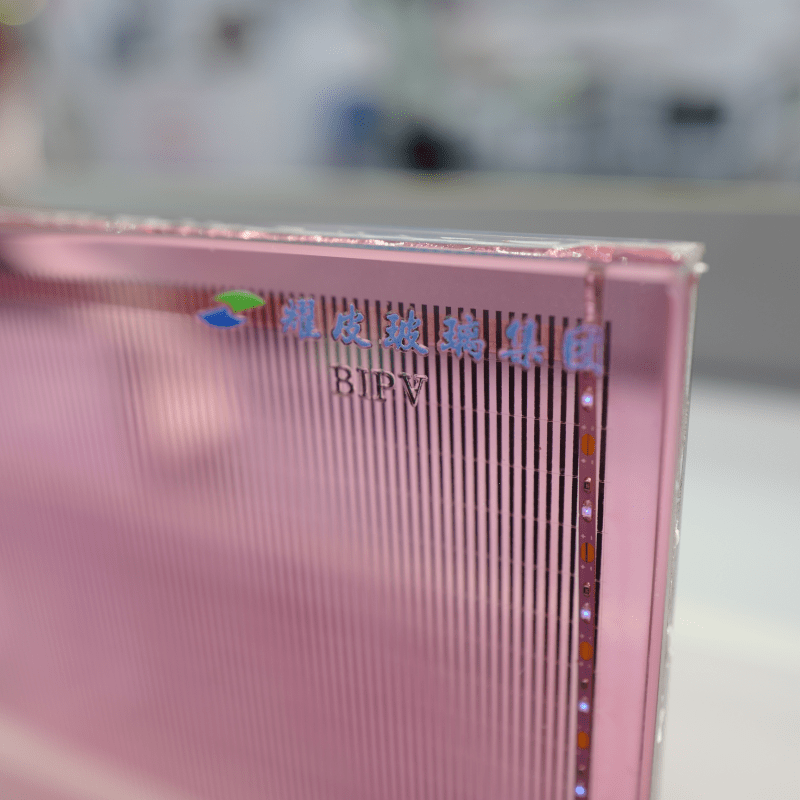
Decorative patterned glass represents a sophisticated architectural material that combines aesthetic appeal with functional performance. This specialized glass product features distinctive surface textures, patterns, and designs that serve both decorative and practical purposes in residential and commercial applications. The manufacturing process involves creating raised or recessed patterns on the glass surface through rolling, pressing, or etching techniques, resulting in unique visual effects and enhanced functionality. Decorative patterned glass offers exceptional versatility in design applications, allowing architects and designers to incorporate privacy, light diffusion, and visual interest into their projects. The main functions of decorative patterned glass include privacy enhancement, glare reduction, light control, and architectural beautification. These glass panels effectively obscure direct visibility while maintaining natural light transmission, making them ideal for spaces requiring both illumination and discretion. The technological features of decorative patterned glass encompass advanced manufacturing processes that ensure consistent pattern quality, structural integrity, and optical performance. Modern production techniques utilize precision machinery to create intricate designs ranging from geometric patterns to organic motifs. The glass maintains standard thickness options while incorporating surface variations that create unique light refraction properties. Applications for decorative patterned glass span numerous sectors including residential construction, commercial architecture, interior design, and industrial facilities. Common installations include bathroom windows, office partitions, shower enclosures, cabinet doors, room dividers, and exterior facades. The material proves particularly valuable in healthcare facilities, educational institutions, hospitality venues, and retail environments where privacy and aesthetics are equally important. Decorative patterned glass also finds extensive use in furniture manufacturing, lighting fixtures, and artistic installations, demonstrating its adaptability across diverse design requirements and functional specifications.

 EN
EN