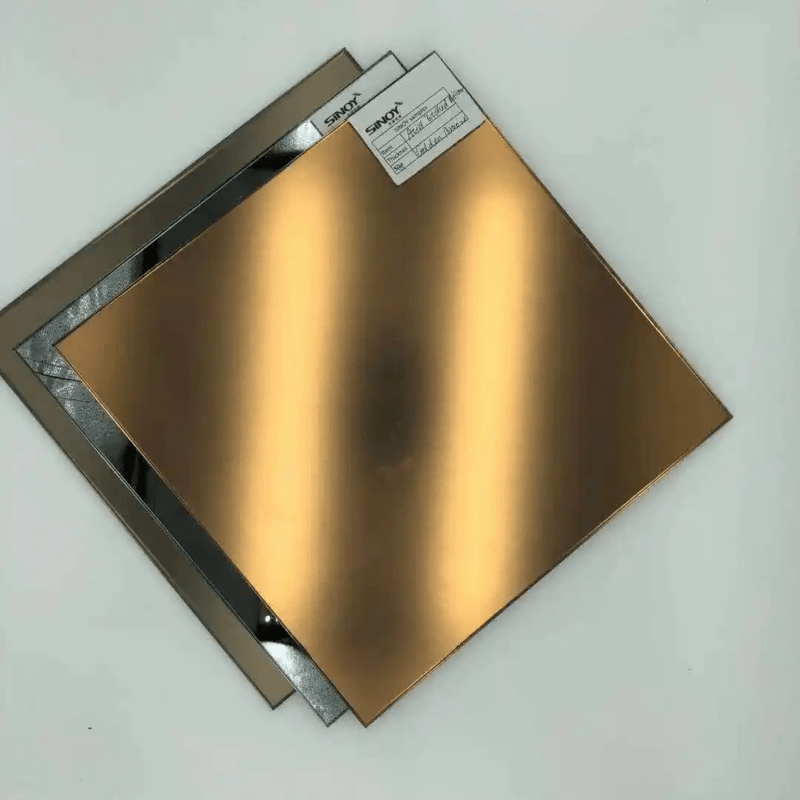
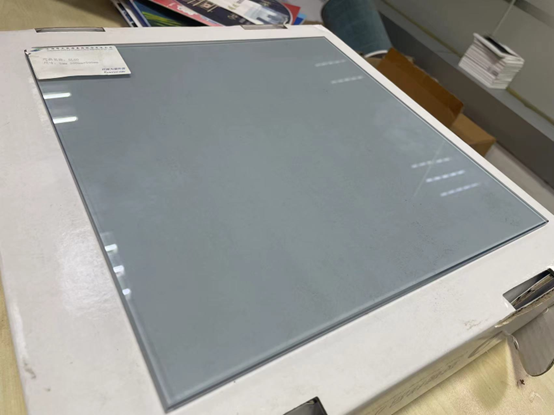
Advanced Architectural Special Glass Solutions - High-Performance Glazing Systems

All Categories
Get a Quote

Get a Free Quote

Our representative will contact you soon.
Email
Name
Company Name
Products
Message
0/1000

architectural special glass

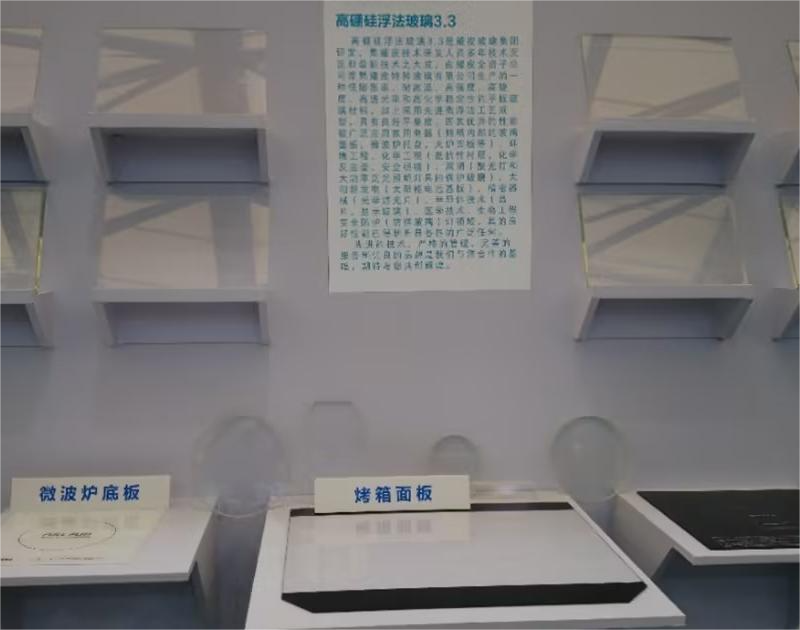
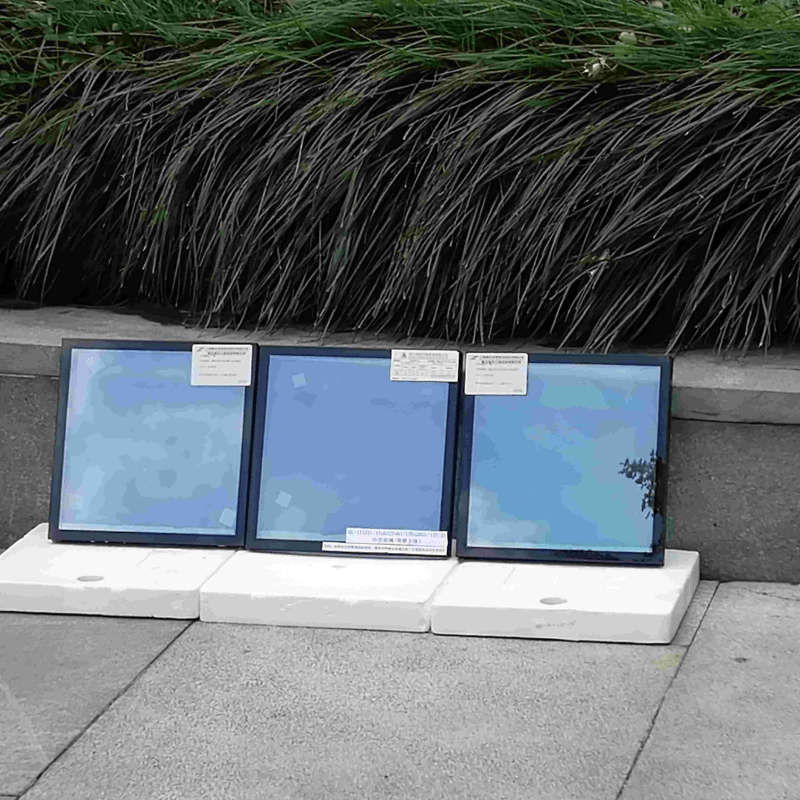
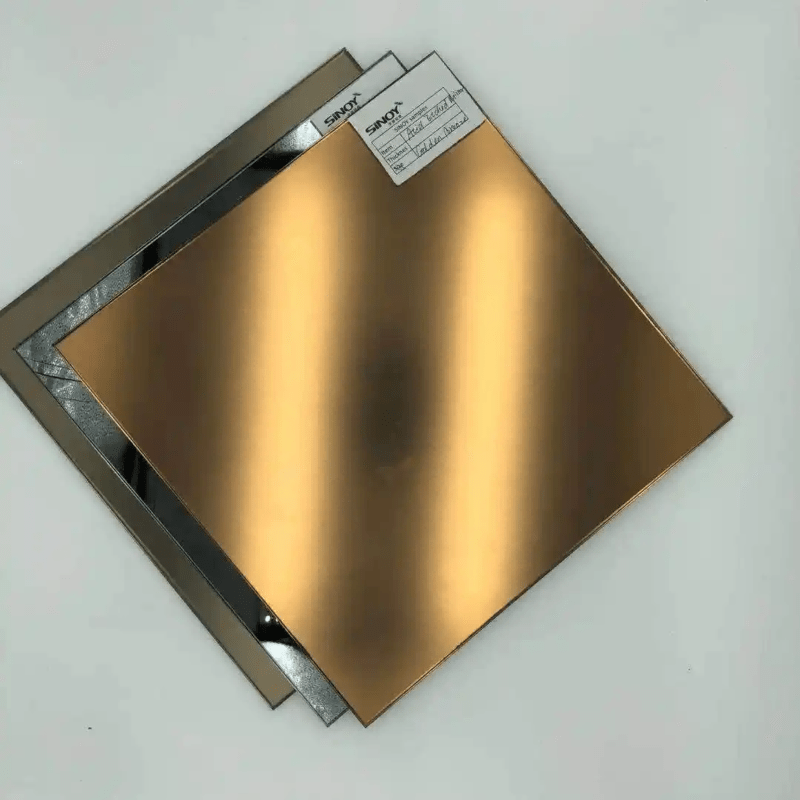
Architectural special glass represents a revolutionary advancement in building materials, designed specifically to meet the demanding requirements of modern construction projects. This sophisticated glazing solution combines cutting-edge technology with practical functionality to deliver superior performance across residential, commercial, and industrial applications. Architectural special glass encompasses various specialized types including low-emissivity glass, laminated safety glass, tempered glass, and smart glass technologies that respond to environmental conditions. The primary functions of architectural special glass extend far beyond traditional glazing materials, offering enhanced thermal insulation, acoustic control, security features, and energy efficiency benefits. These high-performance glazing systems incorporate multiple layers of specialized coatings and interlayers that work together to regulate heat transfer, reduce noise transmission, and provide superior structural integrity. The technological features of architectural special glass include advanced coating systems that selectively filter solar radiation while maintaining optimal visible light transmission. These coatings utilize microscopic metallic layers and ceramic materials that create barriers against unwanted heat gain during summer months while retaining interior warmth during winter periods. Modern architectural special glass also incorporates electrochromic technology, allowing dynamic control over transparency and solar heat gain through electrical activation. Applications for architectural special glass span across diverse building types including office towers, residential complexes, healthcare facilities, educational institutions, and retail establishments. These specialized glazing systems prove particularly valuable in curtain wall installations, skylights, windows, and architectural facades where performance requirements exceed standard glass capabilities. The integration of architectural special glass into building designs contributes significantly to achieving green building certifications and meeting increasingly stringent energy codes while providing occupants with improved comfort and wellbeing through superior indoor environmental quality.

New Products

Architectural special glass delivers substantial benefits that directly impact building performance and occupant satisfaction while reducing long-term operational costs. Energy efficiency stands as the most significant advantage, as architectural special glass can reduce heating and cooling expenses by up to forty percent compared to conventional glazing systems. This exceptional thermal performance results from advanced low-emissivity coatings that reflect infrared radiation back into interior spaces during winter while blocking unwanted solar heat gain during summer months. Building owners experience immediate cost savings through reduced HVAC system loads and decreased utility bills throughout the year. Enhanced security features provide another crucial advantage of architectural special glass, as laminated and tempered options offer superior resistance to impact, forced entry attempts, and severe weather conditions. These safety characteristics protect both property and occupants while potentially reducing insurance premiums for commercial and residential properties. The structural integrity of architectural special glass exceeds standard glazing materials by significant margins, maintaining performance even under extreme stress conditions. Acoustic benefits represent an often-overlooked advantage that dramatically improves interior environments by reducing external noise transmission. Architectural special glass systems can achieve noise reduction ratings exceeding forty decibels, creating peaceful indoor spaces even in busy urban environments or near transportation corridors. This sound control capability proves especially valuable for residential buildings, hospitals, schools, and office environments where concentration and comfort are essential. UV protection capabilities of architectural special glass help preserve interior furnishings, artwork, and flooring materials from damaging ultraviolet radiation while maintaining excellent natural light transmission. This protective feature extends the lifespan of interior investments while reducing replacement and maintenance costs over time. Installation flexibility allows architectural special glass to integrate seamlessly into both new construction and retrofit projects without requiring extensive structural modifications. The compatibility with existing building systems and standardized glazing practices makes adoption straightforward for contractors and architects. Maintenance requirements for architectural special glass remain minimal compared to alternative building materials, as specialized coatings resist dirt accumulation and weather damage while maintaining optical clarity for decades. The durability and longevity of these systems provide excellent return on investment through reduced replacement cycles and consistent performance over extended periods.

Practical Tips

How Solar Glass Technology Powers Modern Buildings

27

Nov

How Solar Glass Technology Powers Modern Buildings

How Solar Glass Technology Powers Modern Buildings The integration of solar glass into modern architecture represents one of the most significant advances in sustainable building design. This innovative technology transforms ordinary windows and buil...
View More
Types of Solar Glass: A Comprehensive Comparison

12

Dec

Types of Solar Glass: A Comprehensive Comparison

Solar glass represents a revolutionary advancement in renewable energy technology, transforming how we harness and utilize solar power. This specialized glass material serves as the protective front cover for photovoltaic panels and solar thermal col...
View More
Is Bulletproof Glass Worth the Investment?

14

Jan

Is Bulletproof Glass Worth the Investment?

In today's increasingly unpredictable world, the demand for enhanced security measures has never been higher. From corporate headquarters to residential properties, property owners are exploring advanced protection solutions that offer peace of mind ...
View More
Power Glass vs Regular Glass: What's the Difference?

20

Jan

Power Glass vs Regular Glass: What's the Difference?

The construction and architectural industries have witnessed remarkable innovations in glass technology over recent decades. Among these breakthroughs, power glass stands out as a revolutionary material that transforms traditional building concepts. ...
View More

Get a Free Quote

Our representative will contact you soon.
Email
Name
Company Name
Products
Message
0/1000

architectural special glass

Superior Energy Performance and Cost Savings

Superior Energy Performance and Cost Savings

Architectural special glass delivers exceptional energy performance that fundamentally transforms building operational efficiency and significantly reduces utility expenses for property owners. The advanced coating technologies incorporated into architectural special glass create selective solar control that allows beneficial natural light to enter while blocking unwanted heat gain during summer months and retaining interior warmth during winter periods. This sophisticated thermal management capability can reduce building energy consumption by thirty to fifty percent compared to standard glazing materials, translating into substantial cost savings over the building's lifespan. The low-emissivity coatings applied to architectural special glass utilize microscopic metallic layers that reflect long-wave infrared radiation back into interior spaces while maintaining high visible light transmission rates. This selective spectral performance ensures occupants enjoy abundant natural light without the associated cooling loads that typically accompany large glazed areas. During heating seasons, these same coatings prevent interior heat from escaping through windows, reducing the burden on heating systems and maintaining comfortable indoor temperatures with less energy input. The cumulative effect of these thermal properties means that buildings utilizing architectural special glass often achieve significant reductions in HVAC system sizing requirements, leading to lower initial equipment costs and reduced ongoing maintenance expenses. Many commercial buildings report energy cost reductions exceeding forty percent after installing architectural special glass, with payback periods typically ranging from three to seven years depending on local utility rates and climate conditions. The energy performance benefits extend beyond direct cost savings to include improved HVAC system longevity due to reduced operational stress and enhanced indoor air quality through more stable temperature and humidity conditions. Green building certification programs recognize the superior performance of architectural special glass, often awarding significant points toward LEED, BREEAM, and other sustainability ratings that can increase property values and rental rates while demonstrating corporate environmental responsibility.
Enhanced Safety and Security Features

Enhanced Safety and Security Features

Architectural special glass provides unparalleled safety and security benefits that protect both property and occupants through advanced manufacturing processes and specialized material compositions. The laminated varieties of architectural special glass incorporate polymer interlayers that hold glass fragments together even after severe impact, preventing dangerous shard dispersal that can cause serious injuries during accidents or security incidents. This safety feature proves particularly crucial in high-traffic areas, schools, healthcare facilities, and residential applications where occupant protection remains the primary concern. Tempered architectural special glass undergoes controlled thermal treatment that creates internal stress patterns, resulting in glass that is four to five times stronger than conventional annealed glass while maintaining the same thickness and appearance. When breakage does occur, tempered architectural special glass fractures into small, relatively harmless granules rather than dangerous sharp shards, significantly reducing injury risks and property damage. The security benefits of architectural special glass extend to forced entry resistance, as multi-layered laminated systems can withstand repeated impacts from hammers, crowbars, and other common break-in tools for several minutes, providing valuable time for security responses and deterring opportunistic criminals. Hurricane and severe weather protection represents another critical safety advantage, as architectural special glass can meet stringent impact resistance standards required in coastal regions and tornado-prone areas. These glazing systems successfully resist flying debris impacts that would easily shatter standard glass, maintaining building envelope integrity during extreme weather events and protecting interior spaces from wind-driven rain and debris. Fire safety benefits include options for fire-rated architectural special glass that can maintain integrity and prevent flame spread for specified time periods, allowing safe evacuation and emergency response access. The security features also encompass blast resistance capabilities for government buildings, embassies, and other high-risk facilities where protection against explosive threats is essential. Modern architectural special glass can be engineered to meet various security levels while maintaining transparency and natural light transmission, ensuring that safety enhancements do not compromise the aesthetic or functional goals of architectural designs.
Smart Technology Integration and Future-Ready Performance

Smart Technology Integration and Future-Ready Performance

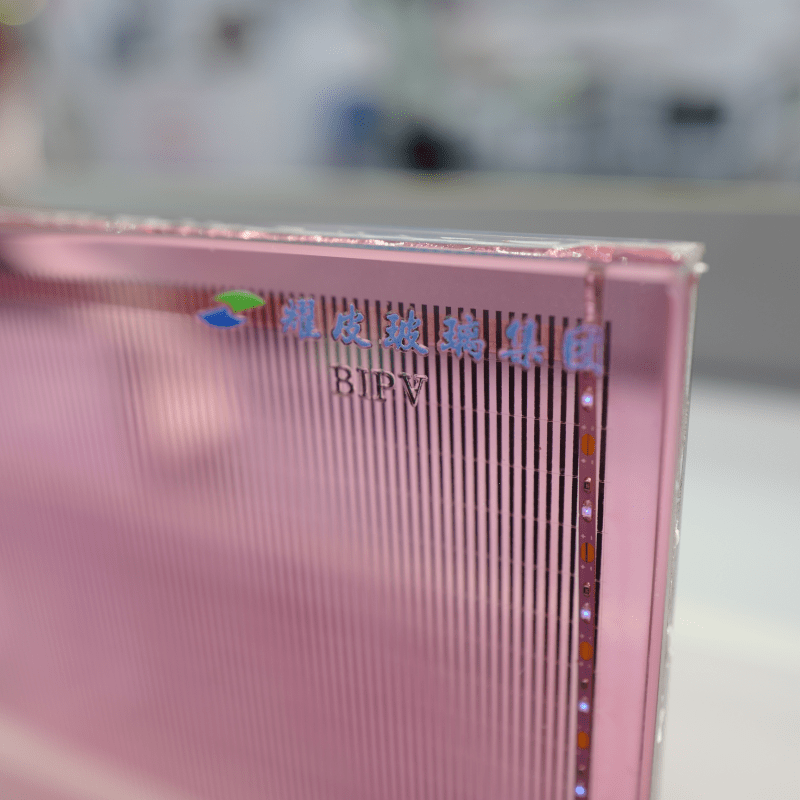
Architectural special glass incorporates cutting-edge smart technologies that respond dynamically to environmental conditions and user preferences, representing the future of intelligent building systems. Electrochromic architectural special glass utilizes electrical currents to alter the opacity and solar heat gain properties on demand, allowing building operators to optimize energy performance and occupant comfort throughout changing daily and seasonal conditions. This smart glass technology can transition from clear to tinted states in minutes, providing precise control over natural light levels and glare reduction without requiring mechanical shading systems or window coverings. The integration capabilities with building automation systems allow architectural special glass to respond automatically to sensors measuring temperature, light levels, and occupancy patterns, creating truly responsive building envelopes that adapt to real-time conditions. Photovoltaic architectural special glass combines transparent solar cell technology with traditional glazing functions, generating renewable electricity while maintaining visibility and natural light transmission. This dual-purpose approach maximizes building envelope efficiency by converting previously passive surfaces into energy-generating assets that contribute to net-zero or positive energy building goals. The electricity generated by photovoltaic architectural special glass can power LED lighting systems, sensors, and other building technologies, creating integrated energy ecosystems within individual glazing units. Self-cleaning architectural special glass incorporates photocatalytic coatings that break down organic dirt and debris when exposed to ultraviolet light, significantly reducing maintenance requirements and ensuring consistent optical performance over time. This technology proves particularly valuable for high-rise applications and difficult-to-access installations where traditional cleaning methods are costly and logistically challenging. Advanced sensing capabilities embedded within smart architectural special glass can monitor structural integrity, detect impacts or attempted intrusions, and provide real-time feedback on glass performance and condition. The connectivity features allow remote monitoring and control through smartphone applications and building management systems, enabling facility managers to optimize performance and identify maintenance needs before problems develop. Future developments in architectural special glass technology include augmented reality integration, where glazing surfaces can display information, wayfinding assistance, and interactive content while maintaining their primary function as transparent building envelope components.

Get a Free Quote

Our representative will contact you soon.
Email
Name
Company Name
Products
Message
0/1000
Newsletter
Contact Us