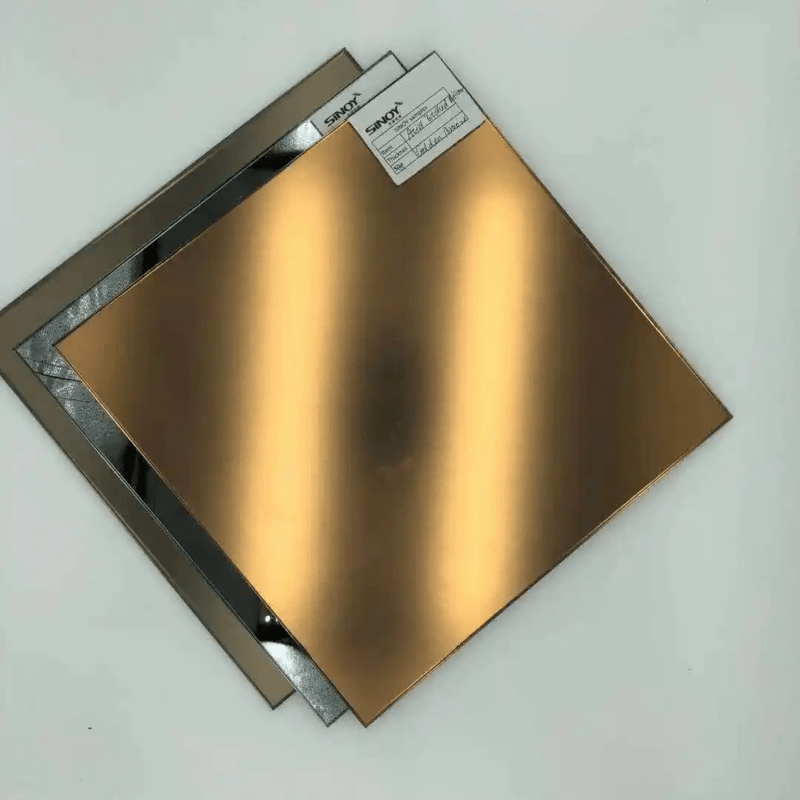
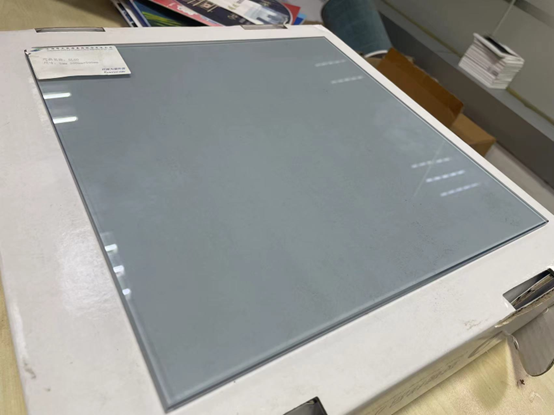
desenli sertleştirilmiş cam
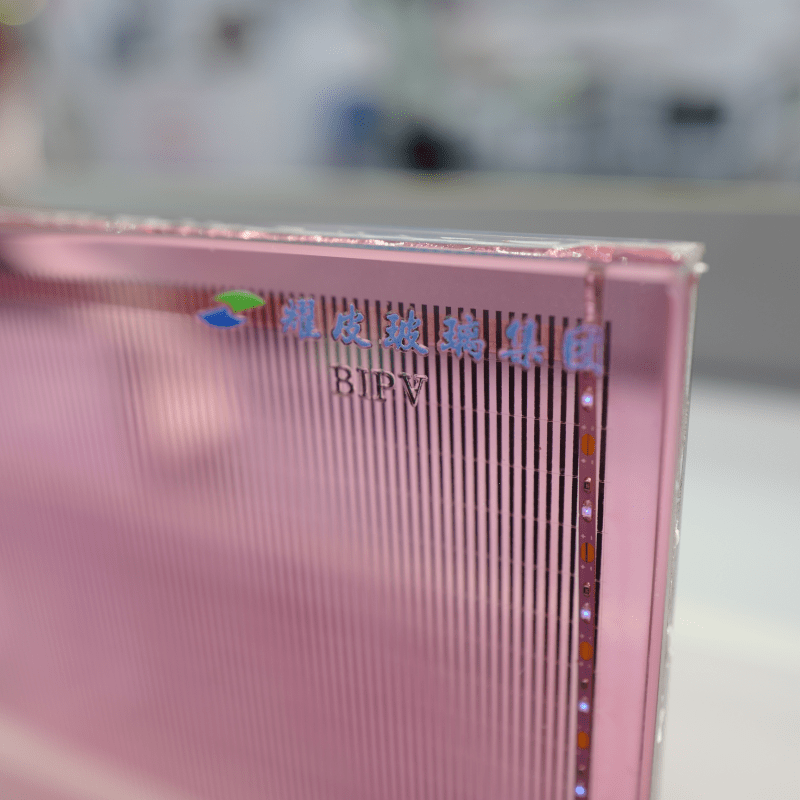
Desenli temperli cam, estetik çekicilik ve olağanüstü dayanıklılığın sofistike bir birleşimini temsil ederek modern mimari ve tasarım uygulamaları için ideal bir çözüm sunar. Bu özel cam, hem işlevsel hem de görsel amaçlara hizmet eden dekoratif yüzey desenlerini içerirken mukavemetini önemli ölçüde artıran titiz bir ısıl temperleme işleminden geçer. Üretim süreci, camın 600 santigrat derecenin üzerindeki sıcaklıklara ısıtılmasını ve ardından iç gerilim desenleri oluşturan hızlı soğutmayı içerir; bu da standart tavlanmış cama göre beş kata kadar daha güçlü bir cam elde edilmesini sağlar. Desenli yüzey, üretim aşamasında asit aşındırma, kum püskürtme veya kabartma gibi çeşitli tekniklerle oluşturulur ve ince geometrik tasarımlardan ayrıntılı sanatsal motiflere kadar değişen dokular üretir. Desenli temperli camın temel işlevleri, yalnızca dekorasyonun ötesine geçerek, zemin uygulamalarında gizliliği artırma, ışık yayılımı, parlamayı azaltma ve kaymazlık sağlama gibi işlevleri de kapsar. Teknolojik olarak, bu ürün üstün darbe dayanımı, termal şok direnci gösterir ve kırıldığında tehlikeli parçalar yerine küçük, nispeten zararsız parçalara ayrılır. Desenler, yüzey boyunca gerilimi daha eşit bir şekilde dağıtarak yapısal bütünlüğe katkıda bulunurken, yürüme yüzeylerinde güvenliği artıran dokunsal geri bildirim de sağlar. Uygulama alanları konut, ticari ve endüstriyel sektörleri kapsamakta olup, duş kabinleri, bölme duvarları, dekoratif paneller, döşeme sistemleri, mobilya bileşenleri ve mimari cepheleri içermektedir. Desenli temperli camın çok yönlülüğü, hastaneler, okullar, perakende ortamları ve lüks konutlar gibi hem güvenlik uyumluluğu hem de tasarım inceliği gerektiren alanlarda özellikle değerli kılmaktadır. Modern üretim teknikleri, hem desen tasarımının hem de cam özelliklerinin özelleştirilmesine olanak tanıyarak, mimarların ve tasarımcıların katı güvenlik standartlarını ve bina yönetmeliği gereksinimlerini karşılarken hassas estetik hedeflere ulaşmalarını sağlar.

 EN
EN