Comprehensive Features Securitatis et Tutelae
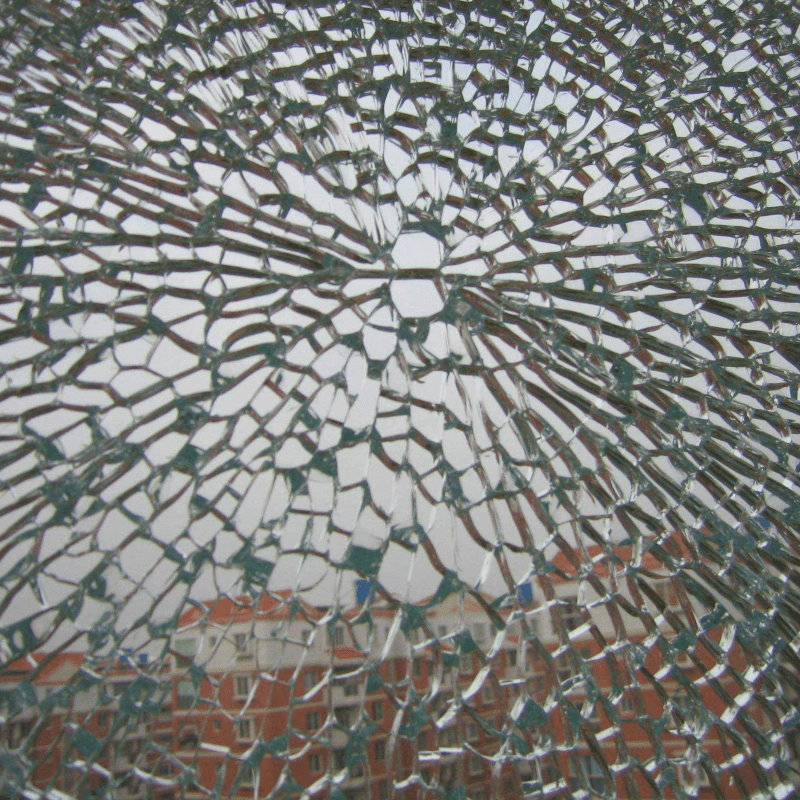
Tabulae vitreae architectonicae complures functiones tutelae et securitatis includunt, quae habitatores aedificiorum protegunt dum adstricta praescribentur regulativa implentur et tranquillitas animi dominis aedium et curatoribus facultatum praebetur. Constructio laminata perita interstratos fortissimos utitur, qui fragmenta vitrea coniungunt etiam sub condicionibus gravissimi impetus, ita ut periculum dispersionis acutorum fragmentorum, quae occupantes et transeuntes laedere possunt, evitetur. Hi interstrati ex speciebus membranarum polymerarum constant, quae integritatem structuralem retinent etiam post fracturam vitri, barriera protectrice creantes quae usque ad substitutionem suam manet operans. Optiones vitri temperati praebent tutelam additam per fracturas regulatas, quae parva et relativae innoxia fragmenta efficiunt, non autem magna et acuta, quae vitrum recens temperatum solent producere. Capacitates resistentiae ad impetum praeter normas codicum aedificiorum excedunt, protegendo contra impetus casuales, conatus vandalici, et eventus meteorologicos graves, ut sunt tempestates grando et detrita ab vento portata. Tabulae vitreae architectonicae igni-resistentes integritatem structuralem servant et propagationem flammae prohibent per tempora specificata, sic ut evacuatio tuta et accessus ad opem emergentem in casibus incendiorum permittatur. Constructio specialis componentes igni-resistentes includit, quae defectum catastrophalem sub condicionibus altissimae temperaturae prohibent, dum visibilitas pro operibus salutis manet. Functiones securitatis ad configurationes explosio-resistentes extenduntur, quae contra attactus voluntarios vel explosiones casuales protegunt, utentes plures stratos vitrei et interstratos speciales, qui vires explosivas absorbent et dissipant. Proprietates anti-intrusionis conatus ingressus non autorizati deterrent, dum pulchritudo aesthetica et transmissio lucis naturalis servatur, quae saepe a consuetis mediis securitatis compromittuntur. Processus controlis qualitatis in fabrica proprietates consistentes perfomantiae per rigorosa experimenta certificant, quae resistentiam ad impetum, durabilitatem ad cyclum thermicum, et vim adhaesionis diuturnam in confectionibus laminatis verificant. Technicae installationis professionalis idoneum sustentaculum et hermeticam clausuram praebent, quae tutelam per totam vitam operationis conservant, dum motus aedificii et condicionum ambientium accommodantur. Haec omnia features tutelae comprehensiva tabulas vitreas architectonicas idoneas reddunt ad usus altissimae securitatis, ut in aedificiis publicis, scholis, et institutis sanitariis, ubi protectio occupantium summa est, simul intentiones architectonicas et functiones operationales servantes.

 EN
EN