
 EN
EN
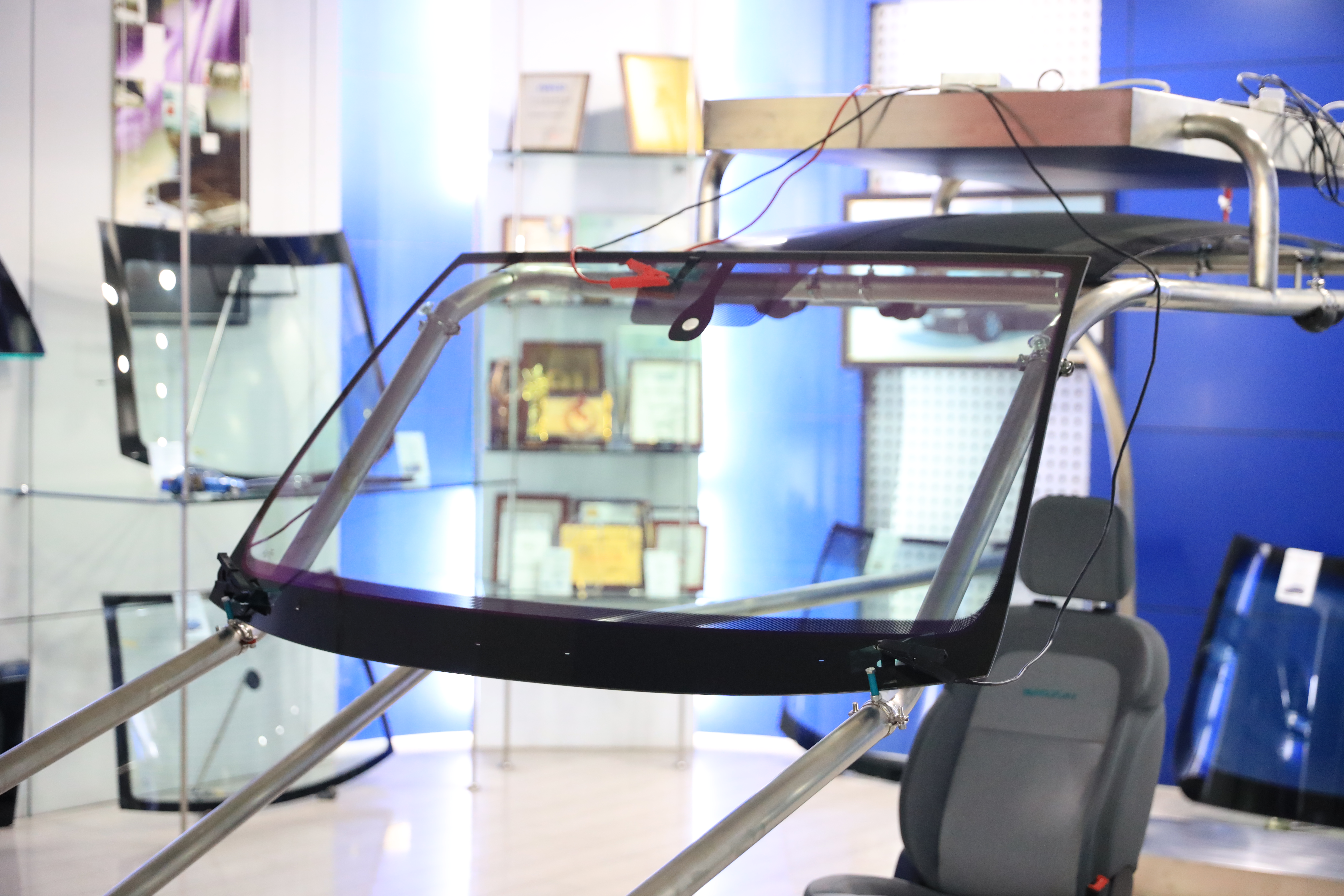
Selecting the right glass for architectural, industrial, or decorative applications requires careful consideration of performance requirements, environmental conditions, and aesthetic objectives. While standard glass products serve many general purposes effectively, certain projects demand enhanced properties that only special glass can deliver. Understanding when to transition from standard options to specialized solutions is critical for project success, cost efficiency, and long-term performance. This decision affects not only initial investment but also operational costs, maintenance requirements, and the functional lifespan of installations.
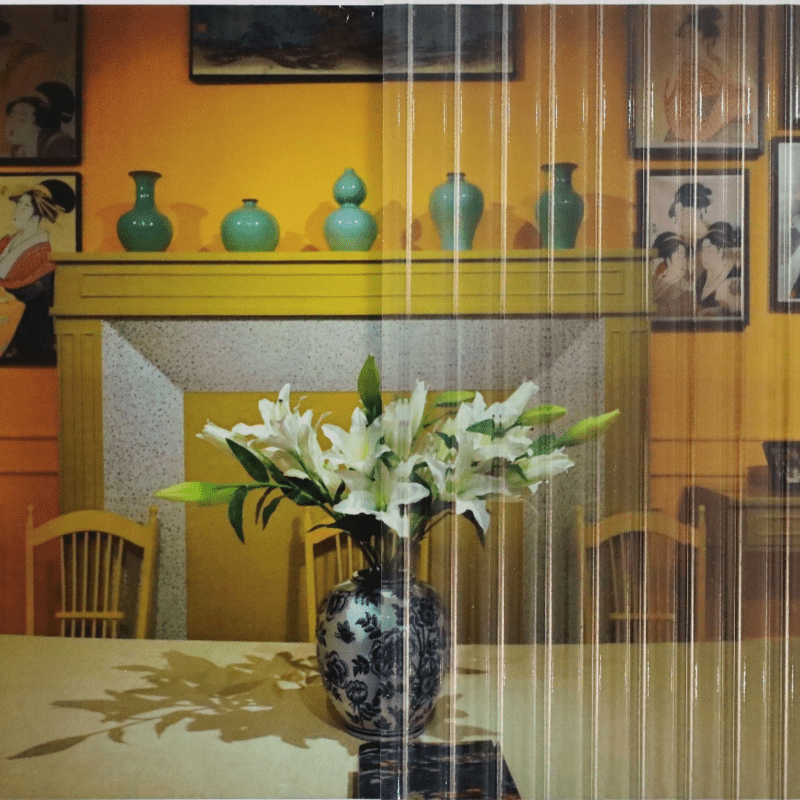
The distinction between standard and special glass extends beyond basic manufacturing differences. Standard glass typically addresses conventional needs such as transparency, basic insulation, and structural integrity in controlled environments. Special glass, however, incorporates advanced compositions, coatings, treatments, or manufacturing processes that enable it to withstand extreme conditions, provide enhanced safety features, deliver superior energy performance, or achieve specific optical properties. Recognizing the precise circumstances that justify the investment in special glass helps professionals make informed decisions that balance performance requirements with budget constraints while ensuring compliance with regulatory standards and project specifications.
Performance Requirements That Signal the Need for Special Glass
Extreme Temperature Resistance Demands
When projects involve exposure to significant temperature fluctuations or sustained high-heat environments, standard glass becomes inadequate. Applications such as fireplace enclosures, oven doors, laboratory equipment, and industrial furnace viewing ports require special glass with enhanced thermal shock resistance. Borosilicate compositions and tempered variants of special glass can withstand temperature differentials that would cause standard glass to crack or shatter. The decision threshold typically occurs when temperature variations exceed 40 degrees Celsius within short timeframes or when continuous exposure to temperatures above 150 degrees Celsius is expected.
Industrial facilities processing metals, ceramics, or chemicals frequently encounter environments where standard glass cannot maintain structural integrity. Special glass formulated for high-temperature applications maintains optical clarity and mechanical strength under conditions that would compromise conventional products. The investment in temperature-resistant special glass becomes justified when replacement costs, downtime expenses, or safety risks associated with standard glass failure exceed the premium paid for specialized solutions. Manufacturing environments benefit particularly from this upgrade, as production continuity and worker safety depend on reliable barrier materials.
Enhanced Safety and Security Requirements
Security-sensitive applications demand glass solutions that exceed standard safety ratings. Financial institutions, government facilities, jewelry stores, and high-value residential properties require special glass engineered to resist forced entry, ballistic impacts, or blast forces. Laminated special glass incorporating multiple layers with polymer interlayers provides containment even when fractured, preventing penetration and maintaining barrier integrity. Standard glass offers no comparable protection level, making special glass the only viable option when threat assessment indicates elevated risk profiles.
Safety considerations extend beyond security threats to include accident prevention and injury mitigation. Healthcare facilities, educational institutions, and public spaces benefit from special glass that fragments into small, relatively harmless pieces upon impact rather than producing dangerous shards. Tempered and laminated special glass variants meet stringent safety codes that standard glass cannot satisfy. The decision to specify special glass becomes mandatory when building codes, insurance requirements, or liability concerns dictate enhanced safety performance, particularly in areas with high pedestrian traffic or where vulnerable populations gather.
Optical Performance and Light Control Specifications
Applications requiring precise light transmission, reflection, or filtering characteristics necessitate special glass with engineered optical properties. Museums protecting sensitive artifacts from UV degradation, laboratories conducting spectroscopic analysis, and architectural projects pursuing specific daylighting objectives cannot achieve desired outcomes with standard glass. Special glass incorporating UV-blocking coatings, low-iron compositions for maximum clarity, or selective wavelength filtering enables performance impossible with conventional products. The decision point arrives when color accuracy, light quality, or protection from photochemical damage becomes mission-critical to the application purpose.
Privacy requirements present another optical performance driver for special glass selection. Obscured, patterned, or switchable special glass provides visual screening while maintaining light transmission, addressing needs that standard clear glass cannot fulfill without supplementary treatments. Healthcare facilities requiring patient privacy, corporate environments needing flexible space definition, and residential applications seeking natural light without exposure all benefit from special glass designed for controlled visibility. When privacy, glare control, or specific aesthetic effects form part of core project requirements, special glass transitions from optional enhancement to necessary specification.
Environmental Conditions Favoring Special Glass Solutions
Harsh Weather Exposure and Coastal Environments
Coastal installations face accelerated degradation from salt spray, high humidity, and intense UV exposure that standard glass cannot withstand long-term without performance deterioration. Special glass formulated with corrosion-resistant coatings and enhanced surface treatments maintains clarity and structural integrity in marine environments where standard glass develops surface pitting, seal failures, and premature weathering. The decision to specify special glass for coastal projects becomes economically justified when lifecycle costs accounting for replacement frequency and maintenance interventions favor the initial premium investment over repeated standard glass replacements.
Hurricane-prone regions and areas subject to severe windstorms require impact-resistant special glass that meets stringent building codes. Laminated special glass designed to withstand windborne debris impacts protects building envelopes and occupant safety during extreme weather events. Standard glass offers no comparable protection, making special glass mandatory rather than optional in designated high-velocity hurricane zones. Insurance requirements and local ordinances frequently mandate impact-resistant glazing, removing discretion from the selection process and making special glass the only compliant option for these geographic areas.
Chemical Exposure and Contamination Control
Industrial environments involving acids, alkalis, solvents, or other corrosive substances require special glass with chemical-resistant compositions and surface treatments. Standard glass deteriorates when exposed to aggressive chemicals, compromising transparency, structural integrity, and containment functions. Laboratories, pharmaceutical manufacturing facilities, and chemical processing plants benefit from special glass formulated to resist specific chemical families while maintaining optical quality. The selection threshold occurs when material compatibility testing indicates standard glass degradation under anticipated exposure conditions, or when contamination control protocols demand non-reactive barrier materials.
Cleanroom environments and contamination-sensitive manufacturing processes require special glass with smooth, non-porous surfaces that resist particulate adhesion and facilitate thorough cleaning. Standard glass may harbor contaminants in surface irregularities or release particles during cleaning cycles, making it unsuitable for semiconductor fabrication, aerospace component manufacturing, or sterile pharmaceutical production. Special glass engineered for cleanroom compatibility ensures process integrity and regulatory compliance, justifying its selection when contamination control directly impacts product quality or regulatory approval.
Energy Efficiency and Thermal Performance Goals
Building projects pursuing aggressive energy efficiency targets or green building certifications require special glass with low-emissivity coatings, gas fills, and advanced thermal performance characteristics. Standard insulating glass units provide basic thermal resistance but cannot achieve the performance levels demanded by passive house standards, net-zero energy buildings, or stringent energy codes. Special glass incorporating multiple coating layers, inert gas fills, and optimized spacer systems delivers thermal performance that significantly reduces heating and cooling loads. The decision to specify high-performance special glass becomes economically rational when energy cost savings and operational efficiency gains exceed the incremental material premium over standard options.
Climate-specific requirements further differentiate special glass from standard alternatives. Cold climates benefit from special glass maximizing solar heat gain while minimizing conductive losses, whereas hot climates require special glass that rejects solar radiation while maintaining visible light transmission. Standard glass lacks the selective spectral properties necessary for climate-optimized performance, making special glass essential when passive solar design strategies or cooling load reduction form core project objectives. Lifecycle cost analysis consistently favors special glass in applications where thermal performance directly influences operational expenses.
Functional and Aesthetic Drivers for Special Glass Selection
Acoustic Performance and Sound Control
Noise-sensitive environments such as recording studios, concert halls, healthcare facilities, and urban residential projects require special glass engineered for acoustic attenuation. Standard glass provides minimal sound insulation, transmitting airborne noise that compromises acoustic comfort and functional performance. Laminated special glass incorporating acoustic interlayers, asymmetric lite thicknesses, and optimized air spaces achieves sound transmission class ratings unattainable with standard products. The specification threshold arrives when acoustic comfort, privacy, or functional requirements demand quantifiable sound reduction performance that standard glass cannot deliver.
Transportation corridors, airports, and industrial neighbors create noise environments where acoustic special glass becomes essential for habitable interior conditions. Building codes increasingly mandate minimum acoustic performance levels in high-noise areas, making special glass a compliance requirement rather than an optional upgrade. When sound level measurements indicate that standard glass configurations cannot meet ambient noise targets or regulatory thresholds, special glass becomes the necessary solution. The investment proves justified through improved occupant satisfaction, productivity, and compliance with health-based noise exposure limits.
Decorative Effects and Architectural Expression
Architectural projects pursuing distinctive visual character benefit from special glass offering textured surfaces, embedded patterns, color tinting, or custom imagery. Standard glass provides basic transparency but lacks the design flexibility necessary for signature architectural statements or brand identity expression. Patterned special glass creates visual interest through surface relief that diffuses light, provides privacy gradients, and adds dimensional complexity impossible with flat standard glass. The selection decision occurs when architectural vision, design intent, or branding objectives require glass to function as an expressive material rather than merely a transparent barrier.
Corporate headquarters, hospitality projects, and retail environments frequently specify special glass to create memorable spatial experiences and reinforce brand identity. Custom digital printing, acid etching, and sandblasting techniques available for special glass enable unique visual effects that differentiate projects in competitive markets. Standard glass cannot accommodate these creative applications, making special glass essential when design excellence and visual distinction form core project values. The premium investment in decorative special glass generates returns through enhanced property value, market differentiation, and alignment with brand positioning strategies.
Maintenance Reduction and Lifecycle Performance
Hard-to-access installations such as high-rise facades, atriums, and skylight systems benefit from special glass incorporating self-cleaning coatings or enhanced durability characteristics. Standard glass requires frequent cleaning to maintain appearance and performance, creating ongoing maintenance costs and operational disruptions. Hydrophobic and photocatalytic coatings available on special glass reduce cleaning frequency and improve weather-resistant performance, delivering lifecycle cost advantages that justify initial premiums. The decision threshold occurs when maintenance access costs, cleaning frequency requirements, or operational disruptions make enhanced durability economically attractive.
Historical renovation projects and heritage buildings often specify special glass matching original profiles while incorporating modern performance characteristics. Reproduction special glass replicates antique appearance while meeting current safety and energy codes that original standard glass installations cannot satisfy. The selection becomes necessary when preservation guidelines require visual authenticity combined with regulatory compliance, conditions that standard modern glass cannot simultaneously fulfill. Special glass enables heritage conservation objectives while achieving functional performance appropriate for contemporary use.
Decision Framework for Standard Versus Special Glass Selection
Cost-Benefit Analysis and Budget Realities
The financial decision between standard and special glass requires comprehensive lifecycle cost analysis rather than simple first-cost comparison. Special glass typically commands premiums ranging from 30 to 300 percent over standard alternatives depending on performance features and customization requirements. However, this initial cost differential must be evaluated against replacement frequency, maintenance expenses, energy savings, insurance premium reductions, and functional performance benefits over the anticipated service life. Applications where special glass delivers quantifiable operational savings, extended service intervals, or risk mitigation value present clear economic justification despite higher acquisition costs.
Budget constraints legitimately influence material selection, but value engineering discussions should focus on performance requirements rather than arbitrary cost cutting. Projects can often optimize special glass specifications to meet critical performance objectives while controlling costs through selective application. Core performance zones may warrant premium special glass while secondary areas utilize standard products, creating hybrid strategies that balance budget realities with functional needs. The key decision factor becomes identifying where performance compromises create unacceptable risks or functional deficiencies versus where standard glass adequately serves project requirements.
Code Compliance and Regulatory Obligations
Building codes, safety regulations, and industry standards frequently mandate performance characteristics achievable only through special glass specifications. Fire-rated assemblies, hurricane-resistant construction, security barriers, and safety glazing applications all impose requirements that standard glass cannot meet. When regulatory compliance drives material selection, the choice between standard and special glass disappears, replaced by specification requirements that dictate minimum performance thresholds. Design professionals must identify applicable codes early in project development to ensure that glass specifications align with mandatory requirements rather than discovering compliance gaps during permitting processes.
Insurance underwriters and liability considerations create additional drivers for special glass selection beyond explicit code requirements. Properties facing elevated security risks, severe weather exposure, or public safety obligations may find that standard glass creates unacceptable liability exposure or prohibitive insurance premiums. Special glass meeting industry-recognized performance standards provides documentation of reasonable care and risk mitigation that influences both legal liability and insurance costs. When risk management analysis indicates that standard glass creates exposure beyond acceptable organizational tolerance, special glass becomes necessary regardless of baseline code compliance.
Long-Term Project Objectives and Performance Expectations
Project lifespan expectations significantly influence the standard versus special glass decision. Temporary installations, short-term facilities, or projects with anticipated near-term renovations may appropriately utilize standard glass to minimize initial investment. Conversely, permanent installations, institutional buildings, and projects designed for multi-decade service lives benefit from special glass investments that deliver sustained performance without premature replacement. The decision framework should align material durability and performance longevity with overall project objectives and ownership timeframes.
Performance expectations set by stakeholders, occupants, and organizational standards establish benchmarks that guide material selection. High-performance organizations, premium market positioning, and excellence-driven cultures typically specify special glass to ensure that building systems align with organizational values and quality standards. When stakeholder expectations, competitive positioning, or organizational reputation depend on superior environmental performance, safety, or aesthetic quality, special glass becomes the appropriate choice regardless of minimum code compliance. The selection reflects strategic alignment between material specifications and organizational objectives rather than merely satisfying baseline functional requirements.
FAQ
How much more expensive is special glass compared to standard glass?
Special glass typically costs 30 to 300 percent more than standard glass depending on the specific performance features, customization requirements, and manufacturing complexity involved. Basic tempered or laminated special glass may carry premiums of 30 to 50 percent, while highly specialized products incorporating advanced coatings, custom compositions, or unique processing can exceed triple the cost of standard alternatives. However, lifecycle cost analysis often reveals that special glass delivers superior value when accounting for extended service life, reduced maintenance requirements, energy savings, and functional performance benefits that offset higher initial investment through operational advantages over the product lifespan.
Can special glass be installed using the same methods as standard glass?
Installation methods for special glass vary depending on the specific product type and performance characteristics. Many special glass products utilize similar glazing systems and installation techniques as standard glass, particularly when dimensional and weight characteristics remain comparable. However, certain special glass applications require specialized installation procedures, modified framing systems, or enhanced structural support to accommodate increased weight, thickness, or performance requirements. Fire-rated special glass, impact-resistant assemblies, and acoustic glazing systems often demand specific installation protocols to maintain performance ratings and warranty coverage. Consulting manufacturer installation guidelines and working with experienced glazing contractors ensures that special glass achieves intended performance through proper installation practices.
Does special glass require different maintenance than standard glass?
Maintenance requirements for special glass depend on the specific product features and performance characteristics. Many special glass products require less frequent maintenance than standard glass due to enhanced durability, self-cleaning coatings, or surface treatments that resist soiling and weathering. However, certain specialized coatings or surface treatments may require specific cleaning products and techniques to avoid damage and maintain performance. Abrasive cleaners, harsh chemicals, or improper cleaning tools can compromise coatings on special glass that would not affect standard glass. Following manufacturer maintenance recommendations ensures that special glass maintains optimal performance and appearance throughout its service life while protecting warranty coverage.
When is the performance difference between special glass and standard glass most noticeable?
Performance differences between special glass and standard glass become most apparent under demanding conditions that stress material capabilities. Extreme temperature environments, severe weather events, high-noise exposure, security threats, and challenging environmental conditions rapidly reveal the limitations of standard glass while demonstrating the value of special glass engineering. Energy-efficient special glass shows measurable advantages during peak heating and cooling seasons when thermal performance directly impacts comfort and operating costs. Safety-rated special glass demonstrates its value during impact events or attempted intrusions that would compromise standard glass. The performance gap widens proportionally to the severity of conditions and the specificity of functional requirements driving the application.
Table of Contents
- Performance Requirements That Signal the Need for Special Glass
- Environmental Conditions Favoring Special Glass Solutions
- Functional and Aesthetic Drivers for Special Glass Selection
- Decision Framework for Standard Versus Special Glass Selection
-
FAQ
- How much more expensive is special glass compared to standard glass?
- Can special glass be installed using the same methods as standard glass?
- Does special glass require different maintenance than standard glass?
- When is the performance difference between special glass and standard glass most noticeable?