
 EN
EN
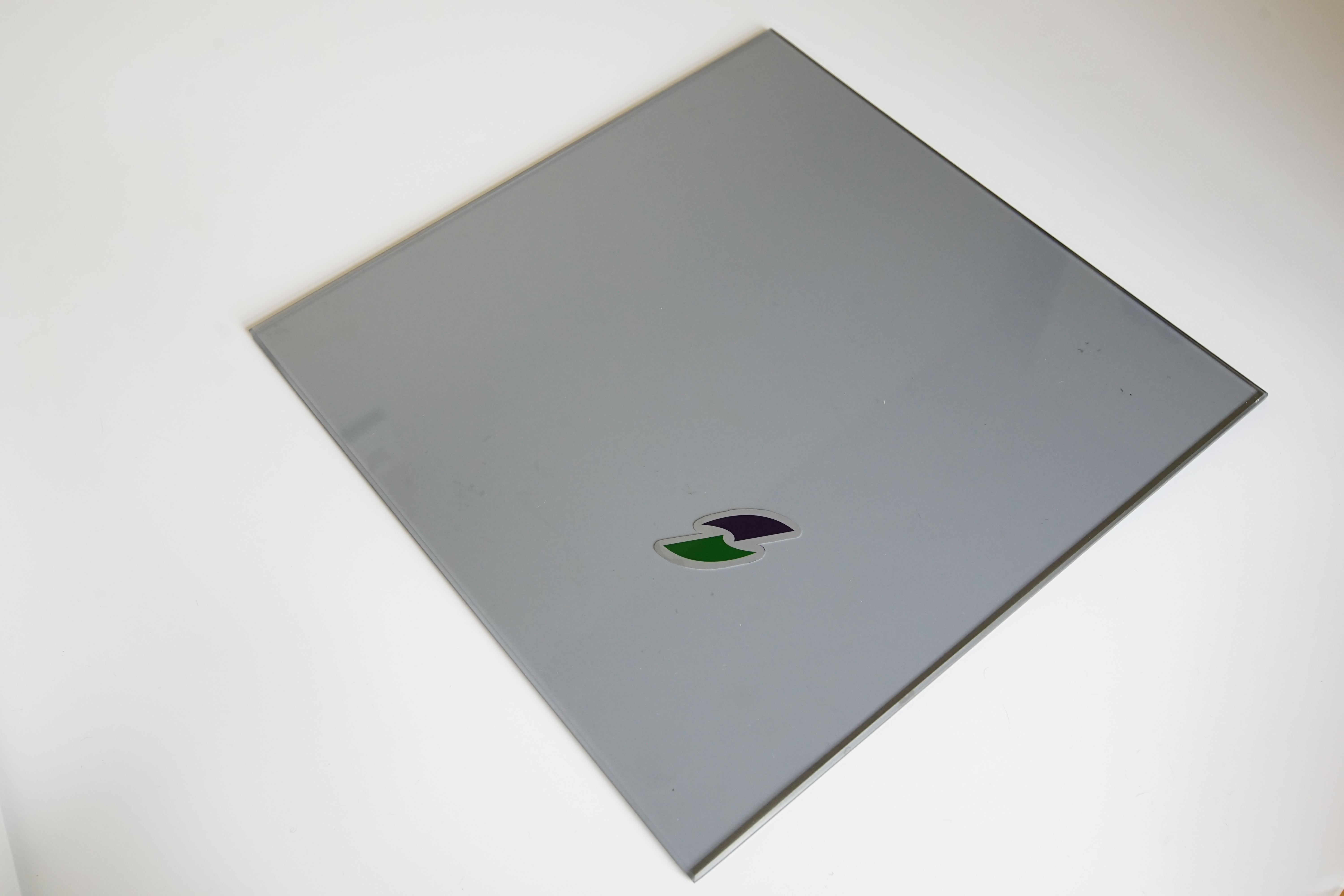
Selecting the right special glass for your project in 2026 requires understanding the evolving landscape of glass technology, performance requirements, and application-specific demands that define modern construction and industrial manufacturing. Special glass has become an essential material across architectural, automotive, electronics, and specialty industrial sectors, where standard float glass cannot meet the technical specifications necessary for safety, thermal performance, optical clarity, or specialized functionality. As building codes tighten, energy efficiency mandates intensify, and design complexity increases, the decision of which special glass type to specify becomes critical to project success, cost management, and long-term performance outcomes.
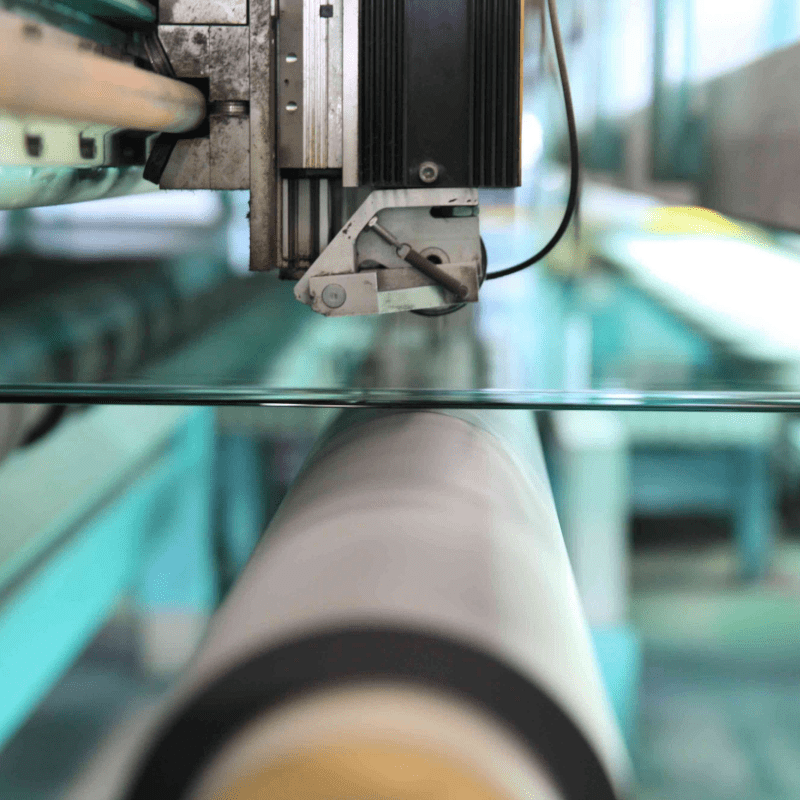
The decision process for choosing special glass in 2026 hinges on matching material properties to project-specific performance criteria, environmental conditions, regulatory compliance requirements, and budget constraints that vary dramatically across different applications. Whether your project involves curtain wall facades demanding exceptional thermal insulation, automotive glazing requiring impact resistance and optical precision, laboratory environments needing chemical durability, or display applications requiring ultra-clear substrates, each scenario demands a different type of special glass engineered for that precise performance profile. This comprehensive guide examines the key selection factors, performance characteristics, application suitability, and practical considerations that determine which special glass type delivers optimal results for your specific project requirements in the current market landscape.
Understanding Special Glass Categories and Performance Profiles
Defining Special Glass and Its Distinction from Standard Float Glass
Special glass refers to engineered glass products that have undergone additional processing, chemical treatment, or compositional modification beyond standard float glass production to achieve specific performance characteristics not available in conventional annealed glass. While standard float glass serves basic glazing needs with adequate transparency and surface quality, special glass delivers enhanced properties such as thermal insulation, impact resistance, fire resistance, chemical durability, controlled light transmission, electromagnetic shielding, or specialized optical characteristics required for demanding applications. The fundamental distinction lies in the intentional modification of either the glass composition itself or the application of sophisticated post-processing techniques that alter the material's physical, thermal, optical, or mechanical properties to meet stringent performance specifications.
The manufacturing of special glass involves deliberate intervention in either the melting process where specific oxides and additives are introduced to alter the glass matrix, or through secondary processing such as thermal tempering, chemical strengthening, lamination, coating application, or surface treatment that transforms the base glass into a high-performance product. This technical differentiation creates distinct categories of special glass, each optimized for particular performance requirements and application environments. Understanding these categories forms the foundation for selecting the appropriate glass type, as each category addresses different technical challenges and delivers unique value propositions that align with specific project objectives and operational requirements in industrial, commercial, and residential settings.
Primary Categories of Special Glass for Industrial and Architectural Applications
The special glass landscape encompasses several primary categories, each defined by its core performance enhancement and manufacturing process. Thermally strengthened glass, including both tempered and heat-strengthened variants, undergoes controlled heating and rapid cooling cycles that create surface compression, dramatically increasing mechanical strength and altering fracture behavior to enhance safety characteristics. Laminated special glass incorporates interlayer materials between glass plies, providing structural integrity after breakage, acoustic dampening, ultraviolet filtration, and security benefits essential for overhead glazing, balustrades, and security applications. Low-emissivity and coated special glass features thin-film metallic or dielectric coatings that control solar heat gain, thermal radiation, and light transmission while maintaining visual transparency, making these products indispensable for energy-efficient building envelopes.
Chemical special glass represents another critical category, where borosilicate or aluminosilicate compositions provide exceptional thermal shock resistance, chemical inertness, and dimensional stability required in laboratory equipment, pharmaceutical processing, and high-temperature industrial applications. Fire-resistant special glass incorporates intumescent interlayers or wire reinforcement that maintains integrity during fire exposure, protecting escape routes and preventing fire spread in compliance with building safety regulations. Optical special glass includes ultra-clear low-iron formulations that eliminate the greenish tint of standard float glass, delivering maximum light transmission and color fidelity essential for display cases, retail environments, and architectural applications where visual clarity is paramount. Each category addresses specific technical requirements, and understanding which performance attributes align with your project needs constitutes the first critical decision point in the selection process.
Critical Selection Factors for Special Glass Project Specification
Structural and Safety Requirements Driving Glass Type Selection
Structural loading conditions and safety requirements represent primary drivers in special glass selection, as these factors directly determine minimum thickness, strengthening method, and configuration necessary to ensure occupant safety and regulatory compliance. For elevated or overhead applications such as canopies, skylights, and glass floors, laminated special glass becomes essential regardless of other performance considerations, as the interlayer prevents catastrophic failure by holding glass fragments together even after breakage. The specific interlayer material selection within laminated configurations depends on additional requirements such as acoustic performance, where polyvinyl butyral interlayers of varying thickness provide sound dampening, or security applications where multiple thick ionoplast interlayers resist forced entry and ballistic threats.
Wind load, seismic activity, and impact exposure further refine the structural requirements for special glass specification. Coastal and high-rise applications experiencing extreme wind pressures require tempered or heat-strengthened glass with appropriate thickness calculations based on panel dimensions, support conditions, and design wind speeds established by local building codes. In seismic zones, the glass system must accommodate significant racking movements without fracture, often necessitating specific edge treatments, setting techniques, and sometimes more flexible laminated constructions that can flex without shattering. Impact resistance requirements vary from basic human impact standards for interior partitions to hurricane debris impact requirements for coastal construction or security-rated resistance to forced entry attempts, each demanding different special glass configurations with varying layers, interlayer types, and overall construction thickness that fundamentally shape the selection decision.
Thermal Performance and Energy Efficiency Considerations
Thermal performance requirements increasingly dominate special glass selection decisions as energy codes become more stringent and building owners seek operational cost reductions through envelope optimization. The selection between single glazed special glass with high-performance coatings versus insulated glass units incorporating multiple panes with low-emissivity coatings and inert gas fills depends on climate zone, building orientation, desired solar heat gain characteristics, and target thermal transmittance values. In heating-dominated climates, special glass with low-emissivity coatings on surface two or three of an insulated unit maximizes passive solar gain while minimizing heat loss, whereas cooling-dominated environments benefit from solar control coatings that reject infrared radiation while maintaining adequate visible light transmission.
The thermal stress considerations also influence special glass selection, particularly in applications with significant temperature differentials between shaded and exposed glass areas, intense solar exposure on dark-tinted glass, or installations with restrictive framing that limits thermal expansion. Heat-strengthened or tempered special glass exhibits dramatically greater thermal stress resistance compared to annealed glass, reducing fracture risk in challenging thermal environments. Specialized spandrel applications concealing structural elements require opacified special glass that resists the elevated temperatures resulting from trapped heat behind the glass surface, often necessitating heat-treated products with appropriate coatings and ceramic frit patterns that manage thermal loading. Understanding these thermal performance requirements and stress factors ensures the selected special glass type delivers both energy efficiency and long-term durability without thermal breakage failures that can compromise building performance and generate costly replacement expenses.
Application-Specific Special Glass Selection Strategies
Architectural Facade and Curtain Wall Applications
Architectural facades represent the most demanding application for special glass selection, requiring simultaneous optimization of thermal performance, structural capacity, aesthetic appearance, and long-term durability across expansive glazed areas that define building character and energy consumption patterns. Modern curtain wall systems typically specify insulated glass units incorporating low-emissivity coated special glass with argon or krypton gas fills, heat-treated for strength and thermal stress resistance, and often incorporating laminated constructions for enhanced safety and acoustic control. The outer lite typically receives heat treatment to withstand wind loads and thermal stress, while coating selection depends on solar orientation and energy modeling that balances daylighting objectives with cooling load management.
The specific special glass configuration for facade applications must account for aesthetic considerations including color neutrality, reflectivity levels, and visual uniformity across the building envelope. Ultra-clear low-iron special glass substrates eliminate the greenish tint visible in thick standard glass lites or when viewed edge-on, delivering the neutral appearance demanded by many architectural designs. For projects requiring distinctive appearance, tinted special glass in bronze, gray, or specialty colors provides solar control while creating specific aesthetic effects, though these products require careful thermal stress analysis and typically necessitate heat treatment. Spandrel areas concealing structural elements demand opacified special glass with ceramic frit patterns or opaque coatings, coordinated with vision glass to achieve uniform appearance while managing the elevated temperatures behind non-vented spandrel panels that can exceed 200 degrees Celsius in some climates and orientations.
Interior Partition and Specialty Applications
Interior applications of special glass focus primarily on safety, acoustic performance, privacy control, and aesthetic contribution rather than thermal performance requirements that dominate facade design. For interior partitions, fire-rated special glass becomes critical in maintaining visual openness while providing required fire separation between building compartments. These specialized products incorporate intumescent interlayers that expand when exposed to heat, creating an opaque insulating barrier that maintains integrity and insulation properties during fire exposure for rated periods ranging from 20 minutes to 120 minutes depending on building code requirements and occupancy classifications. The selection between ceramic-based fire-rated special glass and intumescent systems depends on size limitations, desired clarity, and whether hose stream test compliance is required by the local building authority.
Acoustic special glass applications in conference rooms, private offices, healthcare environments, and recording studios require laminated configurations with specific interlayer materials and asymmetric lite thicknesses that disrupt sound wave transmission through the glass assembly. Standard laminated special glass provides modest acoustic improvement, while high-performance acoustic glazing incorporating thick acoustic PVB interlayers can achieve sound transmission class ratings exceeding 40, essential for confidential communication spaces and noise-sensitive environments. Privacy applications may specify switchable special glass incorporating liquid crystal or suspended particle device interlayers that transition between transparent and translucent states through electrical activation, providing dynamic privacy control without sacrificing the space-enhancing benefits of glass partitions. Each interior application demands careful evaluation of the specific performance priorities that determine which special glass type delivers optimal functionality while meeting code requirements and budget parameters.
Evaluating Performance Trade-offs and Cost Considerations
Balancing Performance Enhancement with Project Budget Reality
The selection of special glass involves inherent trade-offs between performance optimization and project budget constraints, as each performance enhancement adds manufacturing complexity, material cost, and often lead time that must be justified by genuine project requirements rather than aspirational specifications. While high-performance triple-glazed units with multiple low-emissivity coatings and krypton gas fills deliver exceptional thermal performance, they also introduce substantially higher costs, increased weight requiring structural accommodation, and greater complexity in fabrication and installation compared to more conventional double-glazed special glass configurations. The selection process must realistically evaluate which performance attributes deliver measurable value for the specific project, recognizing that excessive specification can inflate costs without proportional benefit.
Understanding the cost hierarchy within special glass categories enables informed decisions that optimize value. Tempered special glass typically costs 30 to 50 percent more than annealed glass due to the additional processing and breakage risk during tempering, while laminated configurations add further cost proportional to interlayer type, thickness, and complexity. Coating systems range from economical soft-coat low-emissivity products suitable for most applications to premium triple-silver coatings delivering maximum performance at premium pricing. The evaluation must consider life-cycle cost implications, as higher-performing special glass that reduces heating and cooling energy consumption may justify initial cost premiums through operational savings, particularly in extreme climates or large commercial buildings where envelope performance significantly impacts utility expenses over the building's service life.
Availability, Lead Times, and Supply Chain Considerations for 2026
The practical selection of special glass in 2026 must account for current supply chain realities, fabricator capabilities, and project scheduling constraints that can eliminate otherwise suitable options if they cannot be procured within project timelines or from reliable sources. Standard special glass configurations such as clear tempered or common low-emissivity coated products typically maintain ready availability with lead times of two to four weeks from regional fabricators, while custom configurations involving specialty coatings, unusual dimensions, complex laminations, or imported products may require extended lead times ranging from eight to sixteen weeks depending on manufacturing location and current demand conditions. Projects with aggressive schedules may need to prioritize readily available special glass types even if slightly less optimal from a pure performance perspective.
Regional fabrication capabilities also influence practical special glass selection, as not all glass processors maintain equipment for every type of special glass production. Large tempered special glass panels may require fabricators with specific tempering furnace dimensions, while complex laminated constructions with multiple interlayers or specialty interlayer materials may only be available from limited sources. Fire-rated special glass often comes from specialized manufacturers rather than general glazing fabricators, requiring early engagement and potentially longer procurement cycles. Understanding these supply chain factors early in the design process allows specification of special glass types that balance performance requirements with procurement reality, avoiding specification of products that create schedule delays, limit competitive bidding, or require compromises during value engineering exercises when ideal products prove impractical. The selection process should verify product availability and identify qualified suppliers before finalizing specifications to ensure the chosen special glass type can actually be delivered when needed.
Making the Final Selection Decision for Your 2026 Project
Systematic Evaluation Framework for Glass Type Decision
Making the optimal special glass selection requires a systematic evaluation framework that prioritizes requirements, eliminates unsuitable options, and identifies the configuration that best balances performance, cost, availability, and project-specific constraints. The process begins with establishing absolute requirements that eliminate entire categories of special glass from consideration, such as safety glazing requirements mandating laminated or tempered products, fire-rating requirements limiting options to tested fire-resistant assemblies, or thermal performance targets that require specific coating systems and insulated glass unit configurations. These non-negotiable requirements immediately narrow the selection field to special glass types capable of meeting fundamental project needs.
Within the remaining viable options, the evaluation shifts to comparative assessment of performance attributes, cost implications, and practical considerations. Developing a weighted decision matrix that assigns importance factors to various performance criteria such as thermal transmittance, solar heat gain coefficient, visible light transmission, acoustic performance, and structural capacity allows objective comparison of different special glass configurations. This analytical approach prevents emotional or arbitrary selection decisions and creates documentation supporting the chosen special glass type when explaining decisions to building owners, design teams, or value engineering review committees. The framework should also incorporate risk assessment, evaluating factors such as thermal stress potential, lead time risks, limited supplier availability, or installation complexity that might argue for more conservative special glass selections with greater proven reliability even if theoretical performance appears slightly inferior.
Engaging Specialists and Conducting Performance Validation
Complex projects with demanding performance requirements benefit significantly from engaging special glass consultants, facade engineers, or glazing specialists who provide independent technical expertise beyond manufacturer product literature. These specialists perform detailed thermal stress analysis ensuring the selected special glass configuration will survive the thermal loading conditions specific to the project location, orientation, and framing system. They conduct energy modeling to validate that the specified special glass delivers projected thermal performance under actual building operation patterns rather than simply meeting code minimum requirements. For structurally demanding applications, facade engineers perform detailed stress analysis confirming that the selected special glass thickness, configuration, and support conditions will safely withstand design loads throughout the building's service life.
Performance validation through mockup testing provides additional confidence in special glass selection for high-profile or technically challenging projects. Full-scale mockups subjected to water penetration testing, air infiltration testing, structural loading verification, and thermal cycling confirm that the complete glazing system including the selected special glass type performs as intended under conditions simulating actual service exposure. For innovative special glass applications or unproven combinations of products, mockup testing identifies potential issues before full-scale procurement and installation, when corrections remain feasible without major cost or schedule impacts. While mockup testing adds expense and time to the project, the investment provides invaluable risk mitigation for applications where special glass failure would create significant consequences. The combination of analytical evaluation and physical validation ensures that the selected special glass type will deliver the required performance throughout the project's service life, justifying the specification decision with both theoretical analysis and empirical confirmation.
FAQ
What makes special glass different from regular window glass?
Special glass differs from regular window glass through intentional engineering modifications that enhance specific performance characteristics beyond what standard annealed float glass provides. These modifications include thermal treatment processes like tempering that increase strength and alter fracture behavior, lamination that bonds multiple glass plies with interlayers for safety and security, application of thin-film coatings that control thermal radiation and solar energy transmission, or specialized glass compositions incorporating different chemical additives that alter thermal, optical, or mechanical properties. Regular window glass consists of basic annealed float glass suitable for simple glazing applications, while special glass is engineered to meet demanding requirements for safety, energy efficiency, structural performance, fire resistance, acoustic control, or specialized functionality that standard glass cannot achieve.
How do I determine which special glass coating is best for my building location?
Determining the optimal special glass coating for your building location requires analysis of climate conditions, building orientation, heating and cooling balance, and daylighting objectives specific to your project. In heating-dominated cold climates, low-emissivity coatings with high solar heat gain coefficients on surface two or three of insulated units maximize passive solar contribution while minimizing heat loss, reducing heating costs. In cooling-dominated warm climates, solar control low-emissivity coatings with low solar heat gain coefficients on surface two reject unwanted solar heat while still providing thermal insulation, reducing cooling loads. Mixed climates benefit from moderate solar heat gain coatings that balance heating and cooling seasons. Professional energy modeling using building-specific variables including orientation, shading, internal loads, and HVAC systems provides quantitative analysis determining which special glass coating delivers optimal annual energy performance for your specific project location and building characteristics.
Can special glass be repaired if damaged, or does it require complete replacement?
Special glass generally requires complete replacement when damaged rather than repair due to the nature of both glass material and the engineering treatments that create special performance characteristics. Once special glass cracks or breaks, the structural integrity and safety characteristics are compromised and cannot be restored through repair methods. Tempered special glass completely disintegrates into small fragments when broken and must be fully replaced. Laminated special glass may hold together after breakage due to the interlayer, but the fractured glass no longer provides required clarity, security, or structural performance and requires replacement of the entire laminated assembly. Surface damage such as scratches or coating damage on special glass similarly cannot be effectively repaired without compromising optical quality or performance characteristics. Minor edge chips on special glass can sometimes be ground and polished if discovered before installation and if sufficient edge clearance exists within the framing system, but any damage to the main glass surface or complete fractures necessitate full replacement of the affected glass panel.
What are the typical lead times for special glass procurement in 2026?
Typical lead times for special glass procurement in 2026 vary significantly based on product complexity, customization level, fabricator capacity, and current market demand conditions. Standard special glass products including clear tempered glass and common low-emissivity coated insulated units typically require two to four weeks from order to delivery when sourced from regional fabricators with adequate capacity. More complex special glass configurations involving lamination, specialty coatings, fire-rated constructions, or custom sizes generally require four to eight weeks for fabrication and delivery. Highly specialized special glass products such as switchable glazing, complex multi-layer laminated assemblies, or imported special glass with unique compositions may require eight to sixteen weeks depending on manufacturing location and whether materials must be custom produced versus drawn from inventory. Projects should engage glass fabricators early in the design process to confirm realistic lead times for the specific special glass products being considered, as market conditions, fabricator workload, and supply chain disruptions can extend standard lead times significantly during periods of high construction activity or material supply constraints.
Table of Contents
- Understanding Special Glass Categories and Performance Profiles
- Critical Selection Factors for Special Glass Project Specification
- Application-Specific Special Glass Selection Strategies
- Evaluating Performance Trade-offs and Cost Considerations
- Making the Final Selection Decision for Your 2026 Project
- FAQ