Integrasi Arsitektural yang Mulus dan Fleksibilitas Desain
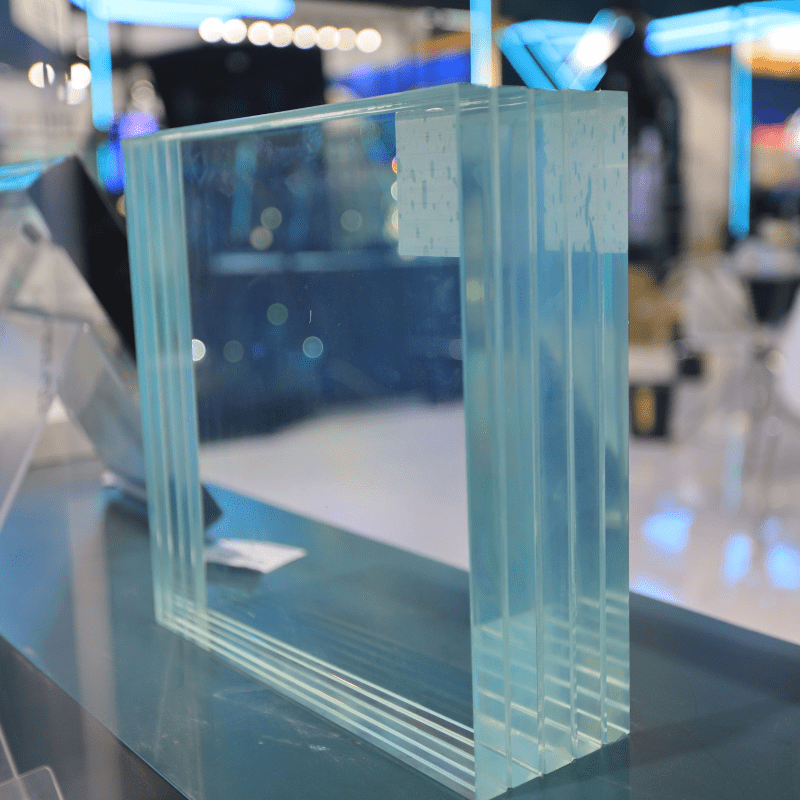
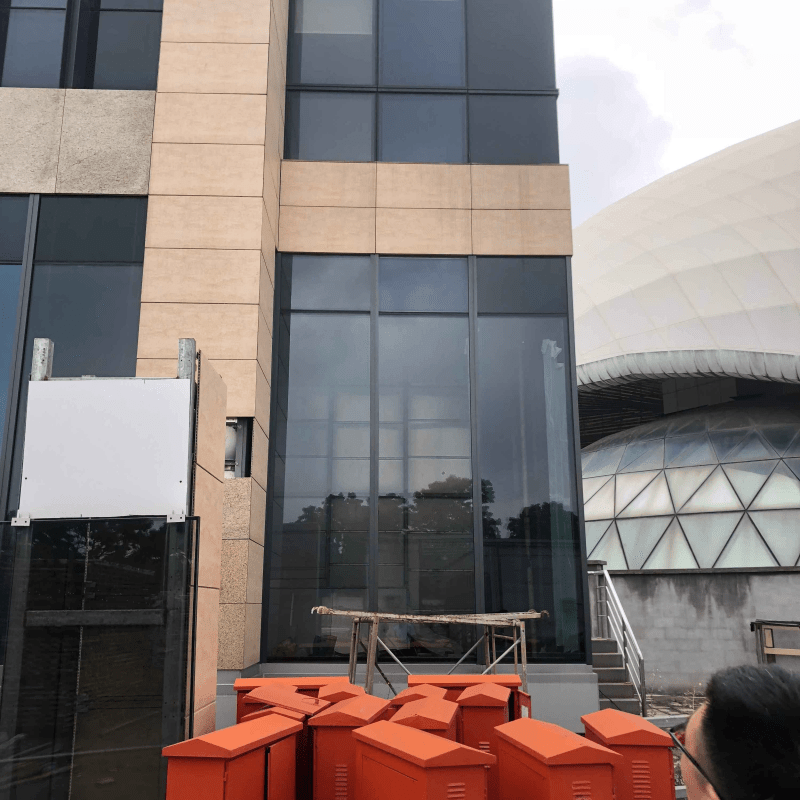
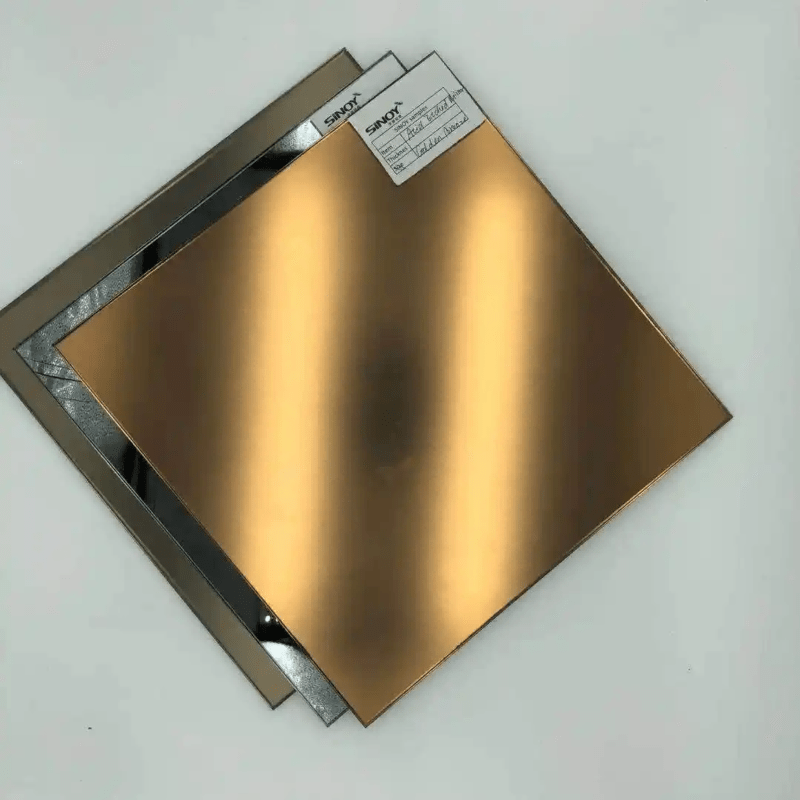
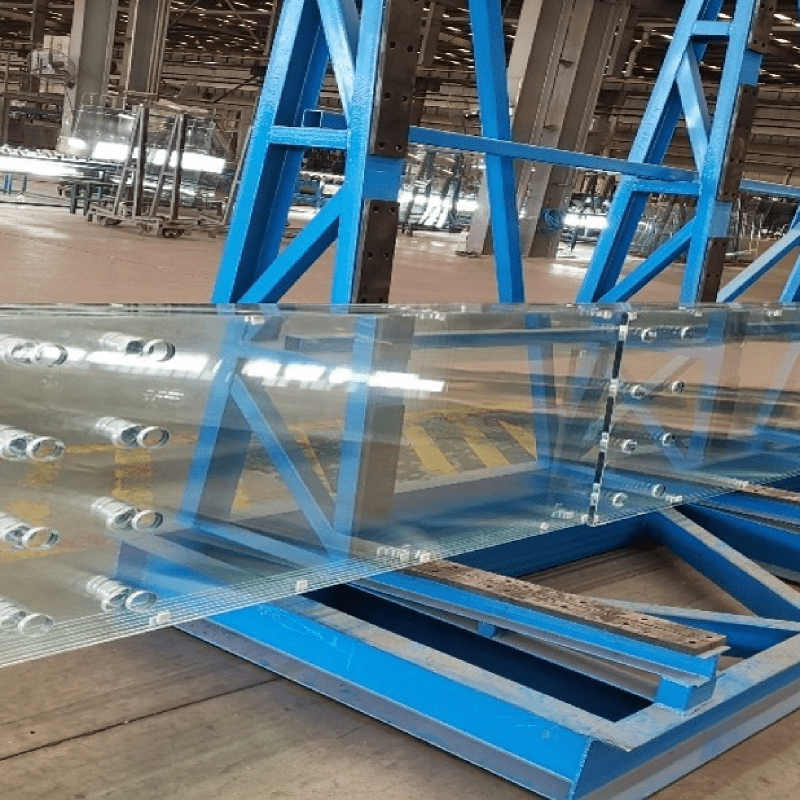
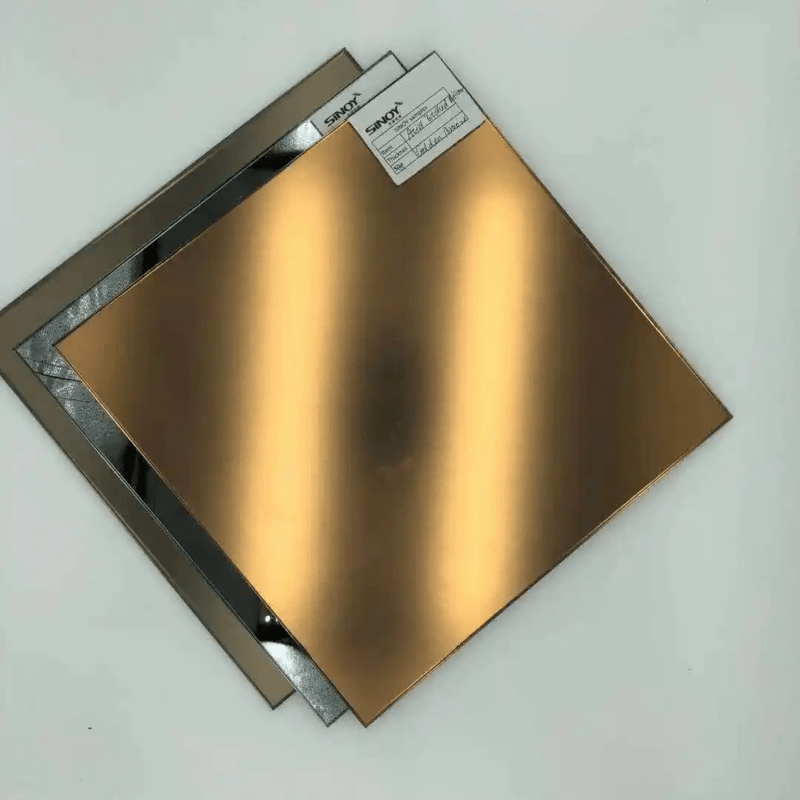
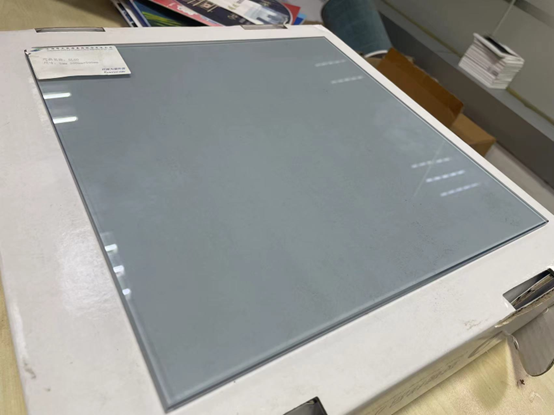
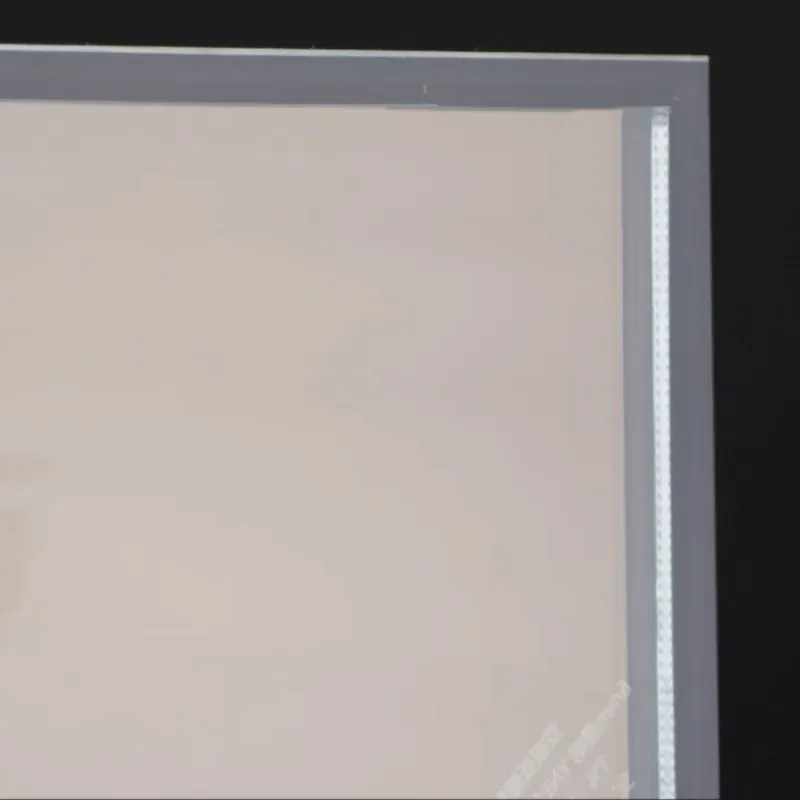
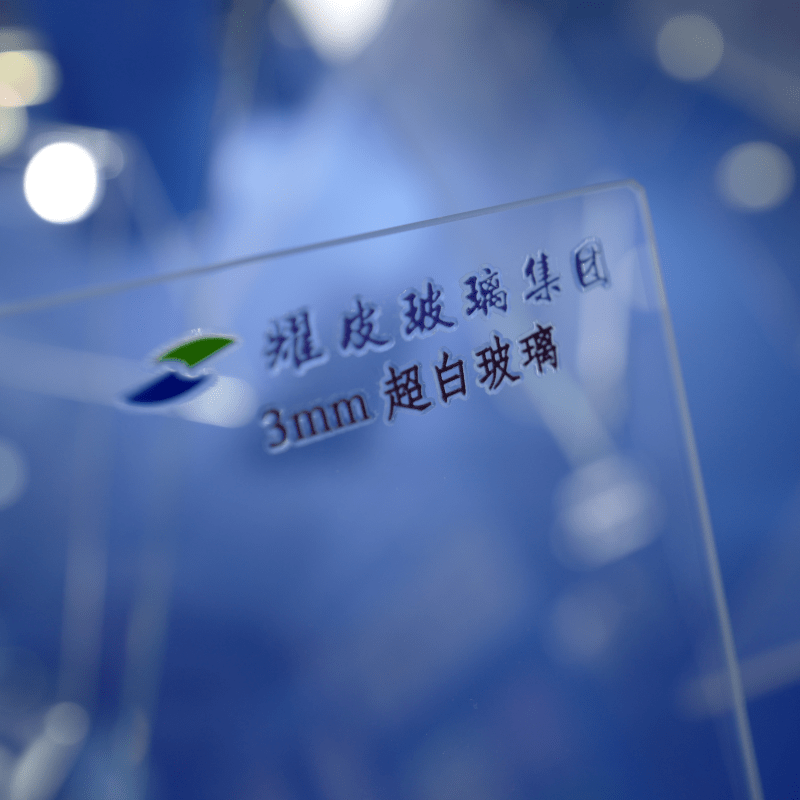
Sistem kaca surya menawarkan fleksibilitas desain yang belum pernah ada sebelumnya, memungkinkan arsitek dan pengembang mengintegrasikan pembangkitan energi terbarukan tanpa mengorbankan visi estetika maupun persyaratan fungsional proyek bangunan modern. Teknologi ini mampu beradaptasi dengan berbagai gaya arsitektur melalui tingkat transparansi, warna, serta konfigurasi yang dapat disesuaikan—sehingga selaras baik dengan pendekatan desain kontemporer maupun tradisional, sekaligus memenuhi kriteria kinerja spesifik. Kemungkinan integrasi mencakup sistem dinding tirai (curtain wall), pemasangan skylight, struktur kanopi, serta jendela residensial yang mempertahankan kesinambungan arsitektural sekaligus menambahkan kemampuan pembangkitan energi pada kulit bangunan (building envelope). Keragaman manufaktur memungkinkan berbagai ukuran panel, bentuk, dan spesifikasi yang disesuaikan dengan kebutuhan proyek serta preferensi desain, sekaligus menjamin kompatibilitas struktural dengan sistem bangunan yang sudah ada. Tim instalasi profesional memiliki keahlian khusus dalam teknik pemasangan kaca maupun integrasi sistem kelistrikan, sehingga memastikan prosedur pemasangan, penyegelan, dan sambungan yang tepat demi kinerja optimal dan umur pakai yang panjang. Protokol jaminan kualitas memverifikasi bahwa instalasi kaca surya memenuhi standar kaca arsitektural sekaligus persyaratan keselamatan kelistrikan, serta memberikan perlindungan garansi untuk kinerja sistem secara menyeluruh. Layanan konsultasi desain membantu tim proyek mengoptimalkan konfigurasi kaca surya guna mencapai pembangkitan energi maksimal dalam batasan estetika dan fungsional, sekaligus memastikan kepatuhan terhadap peraturan teknis dan persyaratan perizinan. Sifat modular sistem kaca surya memungkinkan instalasi bertahap dan ekspansi di masa depan guna mengakomodasi perubahan kebutuhan energi serta pertimbangan anggaran, tanpa mengorbankan konsistensi desain di seluruh fasad bangunan. Kemampuan manufaktur canggih memungkinkan konfigurasi khusus, termasuk panel melengkung, dimensi unik, serta karakteristik kinerja khusus yang mendukung konsep arsitektural inovatif yang memerlukan solusi kaca non-standar. Dukungan teknis selama tahap desain, instalasi, dan operasional menjamin keberhasilan proyek, sekaligus menyediakan bantuan berkelanjutan untuk pemantauan kinerja, perencanaan pemeliharaan, dan optimalisasi sistem—guna memaksimalkan nilai jangka panjang serta kepuasan pemilik dan penghuni bangunan.

 EN
EN