Premium Architectural Glass Panels - Advanced Building Solutions for Modern Construction

All Categories
Get a Quote

Get a Free Quote

Our representative will contact you soon.
Email
Name
Company Name
Products
Message
0/1000

architectural glass panels

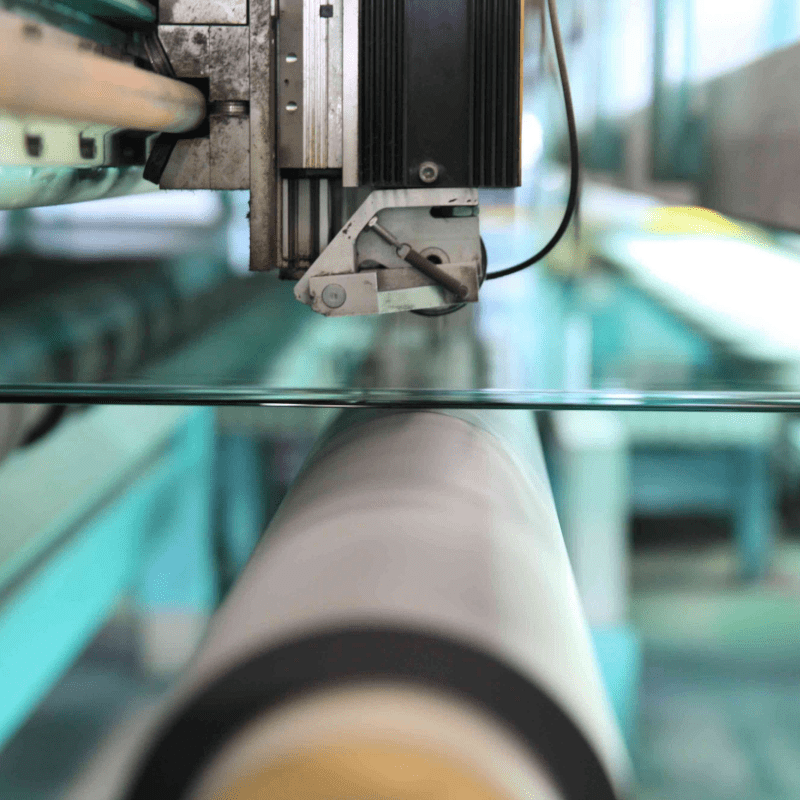
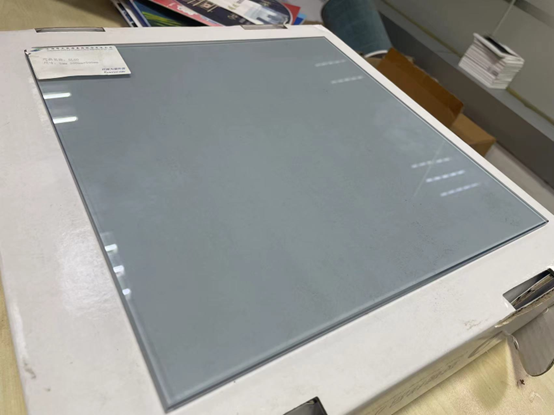
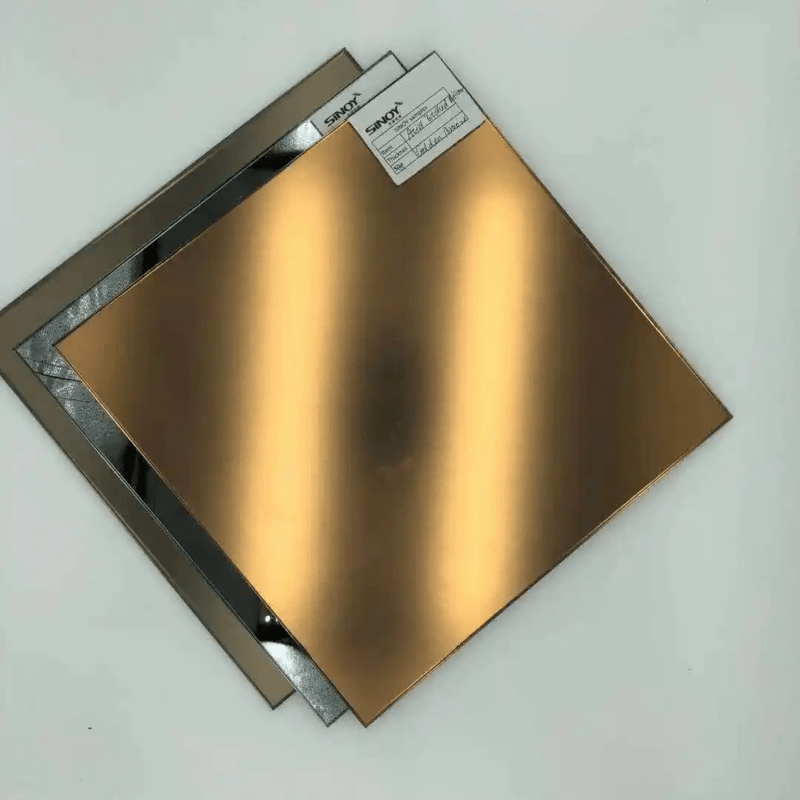
Architectural glass panels represent a revolutionary advancement in modern construction technology, transforming how buildings interact with their environment while maintaining structural integrity and aesthetic appeal. These sophisticated glazing systems serve multiple critical functions that extend far beyond traditional window applications. Primary functions include natural light optimization, thermal regulation, weather protection, and visual connectivity between interior and exterior spaces. The technological features of architectural glass panels encompass advanced coating systems, multi-layer constructions, and specialized treatments that enhance performance characteristics. Low-emissivity coatings reduce heat transfer while maintaining transparency, while laminated constructions provide enhanced security and acoustic control. Smart glass technologies integrate electrochromic properties that allow dynamic opacity adjustments, responding to environmental conditions or user preferences. Structural glazing systems enable seamless integration with building frameworks, creating continuous glass facades that maximize visual impact. Applications for architectural glass panels span commercial office buildings, residential complexes, institutional facilities, retail environments, and cultural venues. Curtain wall systems utilize these panels to create impressive building envelopes that define modern architectural aesthetics. Interior applications include partition walls, decorative elements, and skylights that enhance spatial quality. Specialized applications extend to solar control systems, hurricane-resistant installations, and fire-rated assemblies that meet stringent safety requirements. The manufacturing process involves precision cutting, edge finishing, and quality control measures that ensure dimensional accuracy and performance reliability. Installation techniques require specialized expertise to achieve proper sealing, structural support, and alignment with architectural specifications. These glass panels contribute significantly to sustainable building practices through energy efficiency improvements and daylighting strategies that reduce artificial lighting requirements.

Popular Products

Architectural glass panels deliver exceptional energy efficiency that dramatically reduces building operating costs throughout their service life. These advanced glazing systems minimize heat transfer through superior insulation properties, keeping interior spaces comfortable while reducing HVAC system workload. Property owners experience substantial utility bill reductions as these panels maintain consistent indoor temperatures regardless of external weather conditions. The thermal performance characteristics prevent condensation formation, eliminating moisture-related maintenance issues and preserving interior air quality. Natural light transmission capabilities of architectural glass panels create bright, welcoming environments that enhance occupant wellbeing and productivity. Studies consistently demonstrate that abundant natural lighting improves employee satisfaction, reduces eye strain, and supports circadian rhythm regulation. The superior light distribution eliminates harsh shadows and glare issues commonly associated with conventional glazing systems. Visual connectivity achieved through these panels creates seamless transitions between indoor and outdoor spaces, making interiors feel more spacious and connected to nature. Architectural glass panels provide outstanding durability that withstands environmental challenges while maintaining optical clarity over decades of service. The robust construction resists impact damage, temperature fluctuations, and UV exposure that typically degrades lesser materials. Maintenance requirements remain minimal due to self-cleaning surface treatments and stain-resistant properties that preserve appearance with basic cleaning procedures. Installation versatility allows architects to implement creative design concepts that were previously impossible with traditional materials. These panels accommodate curved surfaces, oversized openings, and complex geometric configurations that define contemporary architectural aesthetics. Structural integration capabilities eliminate the need for bulky frames, creating clean, uninterrupted sightlines that maximize visual appeal. Safety features include tempered or laminated constructions that meet stringent building codes while providing occupant protection. Sound insulation properties create peaceful interior environments by blocking external noise pollution effectively. The long-term value proposition includes increased property values, reduced maintenance expenses, and enhanced building performance ratings that attract quality tenants and buyers.

Practical Tips

Solar Glass Cost Guide: Prices, ROI & Installation

27

Nov

Solar Glass Cost Guide: Prices, ROI & Installation

Solar Glass Cost Guide: Prices, ROI & Installation The renewable energy sector continues to evolve, and solar glass technology stands at the forefront of this transformation. As a critical component in solar panels and building-integrated photovoltai...
View More
Cost Guide: Architectural Glass for Commercial Projects

12

Dec

Cost Guide: Architectural Glass for Commercial Projects

Commercial construction projects increasingly rely on architectural glass to create stunning facades, maximize natural light, and achieve energy efficiency goals. Understanding the cost factors associated with architectural glass installations helps ...
View More
Is Bulletproof Glass Worth the Investment?

14

Jan

Is Bulletproof Glass Worth the Investment?

In today's increasingly unpredictable world, the demand for enhanced security measures has never been higher. From corporate headquarters to residential properties, property owners are exploring advanced protection solutions that offer peace of mind ...
View More
Power Glass vs Regular Glass: What's the Difference?

20

Jan

Power Glass vs Regular Glass: What's the Difference?

The construction and architectural industries have witnessed remarkable innovations in glass technology over recent decades. Among these breakthroughs, power glass stands out as a revolutionary material that transforms traditional building concepts. ...
View More

Get a Free Quote

Our representative will contact you soon.
Email
Name
Company Name
Products
Message
0/1000

architectural glass panels

Advanced Energy Performance Technology

Advanced Energy Performance Technology

Architectural glass panels incorporate cutting-edge thermal management technology that revolutionizes building energy consumption patterns while maintaining superior visual clarity and comfort standards. The sophisticated multi-layer construction features specialized low-emissivity coatings that reflect infrared radiation while allowing visible light penetration, creating optimal indoor environments year-round. These advanced coatings consist of microscopically thin metallic layers that selectively filter solar energy, reducing cooling loads during summer months while retaining interior heat during winter periods. The insulating gas fills between glass layers, typically argon or krypton, provide additional thermal resistance that surpasses conventional double-glazed units by significant margins. This technology enables buildings to achieve LEED certification points and comply with increasingly stringent energy codes that govern modern construction projects. The thermal bridge elimination through warm-edge spacer systems prevents heat conduction at panel perimeters, addressing traditional weak points in glazing assemblies. Dynamic glazing options integrate electrochromic technology that automatically adjusts opacity based on solar conditions, eliminating the need for mechanical shading systems while optimizing daylighting benefits. Property owners report energy savings ranging from thirty to fifty percent compared to standard glazing systems, with payback periods typically occurring within five to seven years through reduced utility expenses. The consistent thermal performance eliminates hot spots and cold zones near windows, improving occupant comfort and reducing HVAC system cycling frequency. Advanced architectural glass panels also contribute to peak load reduction strategies that utilities increasingly value, potentially qualifying buildings for demand response incentives and time-of-use rate advantages that further enhance economic benefits.
Superior Structural Integration Capabilities

Superior Structural Integration Capabilities

Architectural glass panels demonstrate exceptional structural integration capabilities that enable architects to realize ambitious design visions while maintaining safety standards and performance requirements throughout diverse applications. The advanced mounting systems eliminate traditional frame limitations, allowing continuous glass surfaces that create dramatic visual effects and maximize natural light penetration into interior spaces. Structural glazing techniques bond panels directly to building frameworks using high-strength adhesives and mechanical fasteners that distribute loads evenly across support structures. This integration approach enables oversized panels that span multiple floors, creating impressive building envelopes that define contemporary architectural aesthetics while maintaining structural integrity under various load conditions. The precision engineering involved ensures proper thermal movement accommodation, preventing stress concentrations that could compromise long-term performance or safety. Wind load resistance capabilities meet stringent building codes for high-rise construction, with testing protocols that simulate extreme weather conditions including hurricane-force winds and seismic events. The structural compatibility extends to diverse building materials including steel, concrete, aluminum, and composite systems, providing flexibility for architects working with existing structures or new construction projects. Installation methodologies utilize specialized equipment and techniques that ensure accurate positioning and secure attachment while minimizing construction timeline impacts. Quality control measures throughout manufacturing and installation processes guarantee dimensional accuracy and performance consistency that meets project specifications. The structural integration also accommodates building movement from thermal expansion, settling, or seismic activity through carefully engineered connection details that maintain weather sealing while allowing necessary movement. These capabilities enable architectural glass panels to function as primary building envelope components rather than simple infill elements, contributing to overall structural performance while achieving design objectives that traditional glazing systems cannot accomplish effectively.
Comprehensive Safety and Security Features

Comprehensive Safety and Security Features

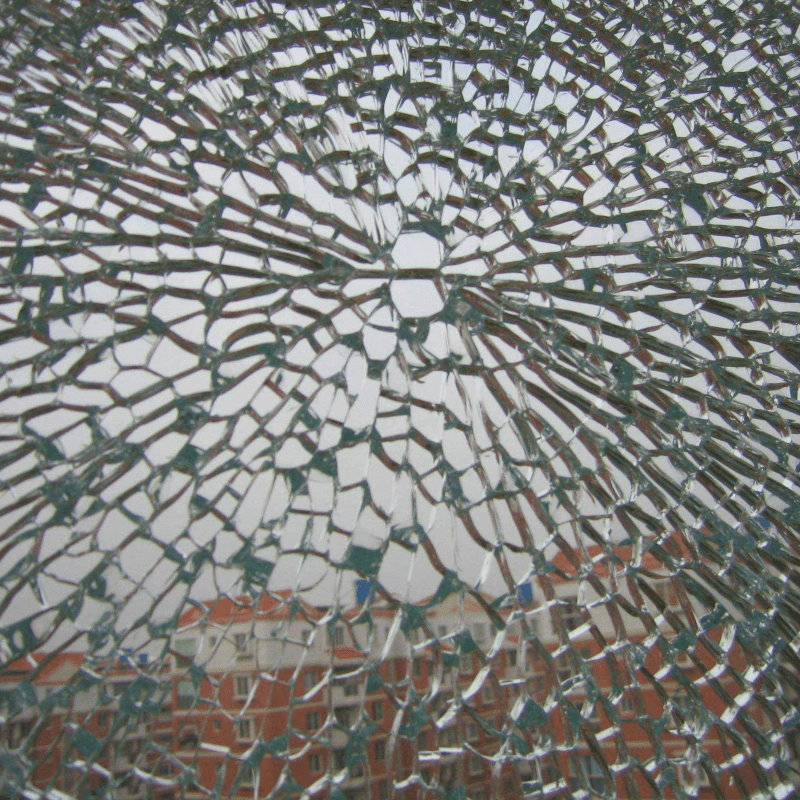
Architectural glass panels incorporate comprehensive safety and security features that protect building occupants while meeting stringent regulatory requirements and providing peace of mind for property owners and facility managers. The advanced laminated construction utilizes high-strength interlayers that hold glass fragments together even under severe impact conditions, preventing dangerous shard dispersion that poses injury risks to occupants and pedestrians. These interlayers consist of specialized polymer films that maintain structural integrity even after glass fracture, creating a protective barrier that continues functioning until replacement occurs. Tempered glass options provide additional safety through controlled fracture patterns that create small, relatively harmless fragments rather than large, sharp pieces associated with conventional annealed glass. The impact resistance capabilities exceed standard building code requirements, providing protection against accidental impacts, vandalism attempts, and severe weather events including hail storms and wind-borne debris. Fire-rated architectural glass panels maintain structural integrity and prevent flame spread for specified time periods, enabling safe evacuation and emergency response access during fire emergencies. The specialized construction includes heat-resistant components that prevent catastrophic failure under high-temperature conditions while maintaining visibility for rescue operations. Security features extend to blast-resistant configurations that protect against intentional attacks or accidental explosions, utilizing multiple glass layers and specialized interlayers that absorb and dissipate explosive forces. Anti-intrusion properties deter unauthorized entry attempts while maintaining aesthetic appeal and natural light transmission that conventional security measures often compromise. The manufacturing quality control processes ensure consistent performance characteristics through rigorous testing protocols that verify impact resistance, thermal cycling durability, and long-term adhesion strength of laminated assemblies. Professional installation techniques ensure proper support and sealing that maintains safety performance throughout the service life while accommodating building movement and environmental conditions. These comprehensive safety features enable architectural glass panels to serve in high-security applications including government facilities, schools, and healthcare institutions where occupant protection remains paramount while preserving architectural design intentions and operational functionality.

Get a Free Quote

Our representative will contact you soon.
Email
Name
Company Name
Products
Message
0/1000
Newsletter
Contact Us