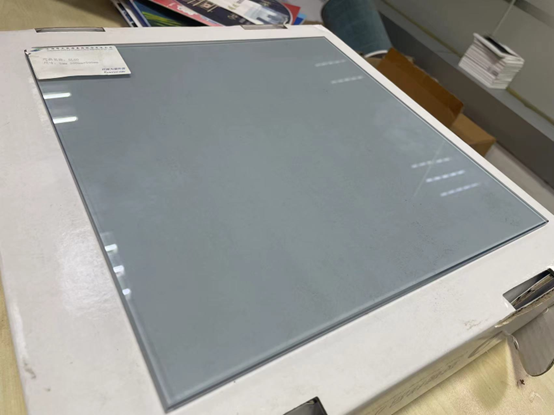
TCO Glass: Advanced Transparent Conductive Solutions for Modern Applications

All Categories
Get a Quote

Get a Free Quote

Our representative will contact you soon.
Email
Name
Company Name
Products
Message
0/1000

tco glass

TCO glass represents a revolutionary advancement in transparent conductive technology, combining the optical clarity of traditional glass with exceptional electrical conductivity properties. Transparent Conductive Oxide glass utilizes thin film coatings of metal oxides, primarily indium tin oxide or fluorine-doped tin oxide, to create a surface that maintains transparency while conducting electricity efficiently. This innovative material has transformed multiple industries by enabling the development of touch-sensitive displays, smart windows, and solar energy applications. The manufacturing process involves depositing ultra-thin layers of conductive materials onto glass substrates using sophisticated coating techniques such as sputtering or chemical vapor deposition. These methods ensure uniform distribution of the conductive layer while preserving the glass's inherent transparency and durability. TCO glass demonstrates remarkable versatility in its electrical properties, offering sheet resistance values ranging from 10 to 100 ohms per square, making it suitable for various electronic applications. The material exhibits excellent thermal stability, maintaining its conductive properties across wide temperature ranges, which proves essential for outdoor applications and industrial environments. Modern TCO glass formulations achieve light transmission rates exceeding 80 percent, ensuring minimal impact on visual clarity while providing reliable electrical performance. The surface resistivity characteristics of TCO glass enable uniform current distribution, preventing hotspots and ensuring consistent performance across large surface areas. Additionally, the chemical stability of TCO glass makes it resistant to environmental factors such as moisture, UV radiation, and atmospheric pollutants, extending its operational lifespan significantly. This combination of optical transparency, electrical conductivity, and environmental resistance positions TCO glass as an indispensable component in contemporary electronic devices and energy-efficient building systems.

New Product Recommendations

TCO glass delivers numerous practical benefits that make it an exceptional choice for modern applications requiring both transparency and electrical functionality. The primary advantage lies in its ability to eliminate the need for visible wiring or metallic conductors that would otherwise obstruct vision or compromise aesthetic appeal. This characteristic proves invaluable in architectural applications where maintaining clear sight lines remains crucial while incorporating smart technology features. The energy efficiency of TCO glass surpasses traditional alternatives, as it enables precise control over electrical heating systems while minimizing power consumption. Users can achieve uniform temperature distribution across large surface areas without the energy waste associated with conventional heating methods. The durability of TCO glass significantly reduces maintenance costs and replacement frequency, as the conductive coating integrates seamlessly with the glass substrate rather than forming a separate layer prone to delamination. This integration ensures long-term performance stability even under harsh environmental conditions. The manufacturing scalability of TCO glass allows for cost-effective production of both small precision components and large architectural panels, making it accessible for diverse project requirements and budgets. The material's compatibility with existing glass processing techniques streamlines integration into current manufacturing workflows without requiring specialized equipment or extensive process modifications. TCO glass offers superior electromagnetic shielding properties compared to traditional transparent materials, providing protection against electromagnetic interference while maintaining visual transparency. This feature proves particularly valuable in sensitive electronic environments and medical facilities. The thermal management capabilities of TCO glass enable efficient heat distribution and dissipation, preventing thermal stress and extending the lifespan of associated electronic components. The versatility of TCO glass allows for customization of electrical properties through coating thickness adjustments and material composition modifications, enabling optimization for specific application requirements. Environmental sustainability represents another significant advantage, as TCO glass supports energy-efficient building designs and renewable energy systems, contributing to reduced carbon footprints and environmental impact. The material's recyclability aligns with contemporary sustainability goals while maintaining performance standards throughout multiple life cycles.

Practical Tips

Choosing the Right Architectural Glass: Expert Tips

27

Nov

Choosing the Right Architectural Glass: Expert Tips

Choosing the Right Architectural Glass: Expert Tips The selection of architectural glass plays a crucial role in modern building design, impacting everything from energy efficiency to aesthetic appeal. As construction technology advances, the importa...
View More
How Solar Glass Technology Powers Modern Buildings

27

Nov

How Solar Glass Technology Powers Modern Buildings

How Solar Glass Technology Powers Modern Buildings The integration of solar glass into modern architecture represents one of the most significant advances in sustainable building design. This innovative technology transforms ordinary windows and buil...
View More
Sustainable Architectural Glass: Design & Benefits

27

Nov

Sustainable Architectural Glass: Design & Benefits

Sustainable Architectural Glass: Design & Benefits Modern construction has embraced architectural glass as a fundamental material that combines aesthetics with functionality. This versatile building component has revolutionized contemporary architect...
View More
CSP Glass vs Tempered Glass: Which Is Better?

04

Mar

CSP Glass vs Tempered Glass: Which Is Better?

In the rapidly evolving world of solar energy technology, the choice of materials can significantly impact both performance and longevity of solar installations. Two primary types of glass dominate the market: csp glass and tempered glass. Understand...
View More

Get a Free Quote

Our representative will contact you soon.
Email
Name
Company Name
Products
Message
0/1000

tco glass

Superior Optical Clarity with Electrical Conductivity

Superior Optical Clarity with Electrical Conductivity

The most distinctive feature of TCO glass lies in its unprecedented combination of exceptional optical transparency and reliable electrical conductivity, a characteristic that sets it apart from all conventional materials. This unique property emerges from the sophisticated thin-film deposition techniques used to apply transparent conductive oxide coatings, which are engineered to be atomically thin while maintaining uniform coverage across the entire glass surface. The optical transmission rates of high-quality TCO glass consistently exceed 85 percent across the visible light spectrum, ensuring that visual clarity remains virtually uncompromised while providing the electrical functionality required for modern applications. This transparency level surpasses many alternative conductive materials, making TCO glass the preferred choice for applications where visual aesthetics and functionality must coexist seamlessly. The electrical conductivity properties of TCO glass remain stable across varying environmental conditions, including temperature fluctuations, humidity changes, and exposure to ultraviolet radiation. This stability ensures consistent performance in both indoor and outdoor applications, eliminating concerns about conductivity degradation over time. The uniform distribution of the conductive coating prevents the formation of electrical dead zones or areas of varying resistance that could compromise system performance. Advanced manufacturing processes enable precise control over the coating thickness and composition, allowing customization of both optical and electrical properties to meet specific application requirements. The surface smoothness of TCO glass matches that of untreated glass, ensuring compatibility with touch-sensitive applications and eliminating tactile differences that users might notice. This smoothness also facilitates easy cleaning and maintenance, as the conductive surface does not trap dirt or require special cleaning procedures. The chemical bonding between the conductive oxide layer and the glass substrate creates a permanent integration that resists wear, scratching, and environmental degradation, ensuring long-term reliability in demanding applications.
Energy Efficiency and Smart Temperature Control

Energy Efficiency and Smart Temperature Control

TCO glass revolutionizes energy management through its intelligent heating capabilities and thermal regulation properties, offering unprecedented efficiency in temperature control applications. The uniform electrical resistance distribution across the glass surface enables even heat generation without creating hotspots or cold zones, a significant improvement over traditional heating methods that often suffer from uneven temperature distribution. This uniformity translates directly into energy savings, as the system can maintain desired temperatures using minimal electrical input while achieving superior comfort levels. The rapid response time of TCO glass heating systems allows for precise temperature control with minimal overshooting, reducing energy waste associated with temperature regulation cycles. Users can achieve target temperatures quickly and maintain them efficiently, resulting in lower energy bills and reduced environmental impact. The programmable nature of TCO glass heating systems enables integration with smart building management systems, allowing for automated temperature control based on occupancy patterns, time of day, and external weather conditions. This automation capability maximizes energy efficiency while ensuring optimal comfort levels without requiring constant manual adjustment. The thermal mass characteristics of TCO glass provide natural temperature stabilization, helping to moderate temperature fluctuations and reduce the frequency of heating cycles. This thermal buffering effect contributes to overall system efficiency and extends the operational lifespan of associated control equipment. The zonal heating capabilities of TCO glass allow for independent temperature control of different areas within a single installation, enabling users to heat only occupied zones and avoid wasting energy on unused spaces. This targeted heating approach can result in energy savings of 20-40 percent compared to whole-area heating systems. The integration capabilities with renewable energy sources make TCO glass an ideal component for sustainable building designs, as it can efficiently utilize solar power, wind energy, or other clean energy sources for heating applications. The low voltage operation of many TCO glass systems enhances safety while reducing electrical infrastructure requirements and associated installation costs.
Versatile Applications Across Multiple Industries

Versatile Applications Across Multiple Industries

The remarkable versatility of TCO glass enables its successful implementation across an extensive range of industries and applications, demonstrating its value as a transformative technology solution. In the electronics industry, TCO glass serves as the foundation for capacitive touch screens, providing the transparent electrodes necessary for touch detection while maintaining the crystal-clear display quality that consumers expect. The material's ability to support multi-touch functionality and gesture recognition has made it indispensable in smartphones, tablets, and interactive displays. The automotive sector has embraced TCO glass for heated windshields and rear windows, where its even heat distribution prevents ice formation while maintaining clear visibility for driver safety. Advanced automotive applications include heads-up displays and smart mirrors that incorporate TCO glass for both heating and display functionalities. In architectural applications, TCO glass transforms ordinary windows into smart glass systems capable of providing radiant heating, reducing energy consumption while enhancing occupant comfort. The integration of TCO glass in building facades enables dynamic thermal management and contributes to achieving green building certifications. The solar energy industry utilizes TCO glass as front contacts in photovoltaic cells, where its transparency maximizes light transmission while providing efficient current collection. This application directly contributes to improved solar panel efficiency and reduced cost per watt of generated electricity. Medical device manufacturing has found TCO glass valuable for creating heated examination surfaces, laboratory equipment with transparent heating elements, and specialized diagnostic displays that require both clarity and controlled temperatures. The food service industry employs TCO glass in display cases and warming surfaces where product visibility must be maintained while controlling temperature and preventing condensation. Research and development applications utilize TCO glass in laboratory equipment, analytical instruments, and experimental setups where transparent heating or electrical connectivity is required. The aerospace industry incorporates TCO glass in aircraft windows and displays where weight reduction, reliability, and performance under extreme conditions are critical requirements. Each application benefits from the unique combination of properties that TCO glass provides, making it an increasingly essential component in modern technological solutions.

Get a Free Quote

Our representative will contact you soon.
Email
Name
Company Name
Products
Message
0/1000
Newsletter
Contact Us