
 EN
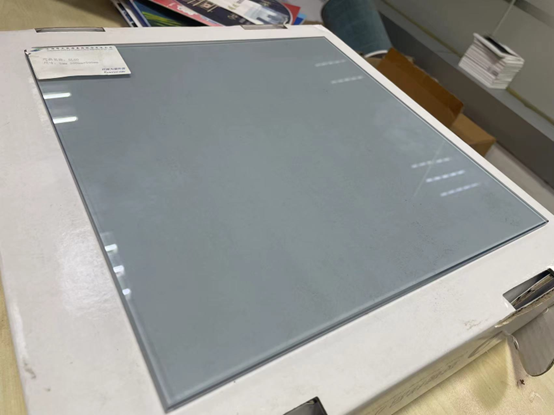
Homeowners are increasingly turning to solar glass as a cornerstone of their residential energy strategies. This innovative material represents a significant shift in how families approach energy independence and sustainability. Solar glass combines transparency with energy-capturing capability, making it an attractive choice for modern homes seeking to reduce utility costs and environmental impact. The growing popularity of solar glass reflects broader market trends toward renewable energy adoption and advanced building materials that deliver both performance and aesthetic appeal.

The residential energy market has undergone substantial transformation over the past decade, with solar glass emerging as a critical technology that homeowners can integrate into their existing structures. Unlike traditional solar panels that sit atop roofs or occupy ground space, solar glass functions as both a building element and an energy generator. This dual functionality makes solar glass particularly appealing for homeowners who want to maximize energy efficiency without compromising visual appeal or usable space. The rise of solar glass popularity stems from its practical benefits, economic advantages, and alignment with contemporary architectural preferences.
Energy Efficiency and Performance Advantages
Superior Light Transmission and Energy Conversion
Solar glass technology delivers exceptional energy conversion rates through advanced material composition and engineering. The specialized coating on solar glass allows visible light to pass through while capturing infrared radiation that would otherwise be lost as heat. This selective absorption capability means that solar glass generates electricity consistently throughout the day, even during partially cloudy conditions. Homeowners appreciate how solar glass maintains transparency while functioning as an active energy generator, allowing natural light to illuminate interior spaces while simultaneously powering household systems. The efficiency gains translate directly into lower electricity bills and reduced reliance on grid power.
Year-Round Performance in Varied Climates
One compelling reason for solar glass popularity is its reliable performance across different climate zones and seasonal conditions. Unlike some renewable energy solutions that struggle in regions with extended winter periods or frequent cloud cover, solar glass maintains consistent output throughout the year. The thermal properties embedded in solar glass help regulate indoor temperature fluctuations, reducing heating and cooling demands during extreme weather. Homeowners in northern climates find solar glass particularly valuable because it maximizes energy capture during shorter daylight hours while providing insulation benefits. This versatility explains why solar glass adoption rates continue rising across diverse geographic markets.
Economic Benefits and Return on Investment
Long-Term Cost Savings and Utility Reduction
The financial case for solar glass has strengthened considerably as manufacturing costs have decreased and energy prices have increased. Homeowners investing in solar glass typically recover their initial expenditure within seven to ten years through cumulative electricity savings. The cost advantage of solar glass becomes more pronounced when considering that it replaces conventional windows and building materials that homeowners would purchase anyway. By choosing solar glass over standard glazing, residents transform a necessary building expense into an energy-generating asset. The combination of federal tax credits, state incentives, and utility rebates further accelerates the economic payback period for solar glass installations.
Increased Property Value and Market Appeal
Real estate market data demonstrates that properties featuring solar glass command premium valuations compared to conventional homes. Prospective buyers increasingly recognize the long-term value proposition that solar glass delivers through reduced operating costs and energy independence. Solar glass installations signal to the market that a home has been thoughtfully upgraded with modern, sustainable technology. Appraisers now factor solar glass improvements into their valuation models, recognizing that this technology adds tangible economic value beyond simple aesthetic enhancement. Homeowners benefit from this appreciation both through direct savings and through enhanced resale value, making solar glass a compelling investment.
Aesthetic and Architectural Integration
Seamless Design Flexibility and Visual Appeal
The growing popularity of solar glass reflects homeowners' desire for renewable energy solutions that enhance rather than compromise their home's visual character. Unlike bulky rooftop solar panels that dramatically alter a home's appearance, solar glass integrates seamlessly into windows, skylights, and glass doors. This aesthetic advantage appeals to homeowners in neighborhoods with architectural restrictions or design-conscious property owners seeking subtle energy upgrades. Solar glass manufacturers have perfected the balance between energy generation and light transmission, ensuring that homes maintain their intended aesthetic while generating renewable power. Architects and builders increasingly specify solar glass in premium residential projects where design quality and sustainability must coexist.
Modern Home Appeal and Sustainability Messaging
Contemporary homeowners view solar glass as a statement of environmental commitment and forward-thinking values. The technology aligns perfectly with the sustainability messaging that modern families want their homes to communicate. Solar glass demonstrates commitment to reducing carbon footprint without requiring visible sacrifice or aesthetic compromise. For environmentally conscious homeowners, solar glass represents an elegant solution to the tension between wanting visible green credentials and maintaining home design integrity. This psychological and values-based appeal drives solar glass popularity beyond purely economic calculations, creating demand that transcends simple return-on-investment analysis.
Future Trends and Market Expansion
Technological Advancement and Cost Reduction Trajectories
Industry analysts project that solar glass will capture an increasingly larger share of the residential energy market as manufacturing efficiency improves and costs continue declining. Emerging solar glass variations offer enhanced capabilities, including dynamic tinting features that adjust light transmission based on seasonal and daily patterns. Research institutions are developing next-generation solar glass formulations that boost energy conversion rates while maintaining superior optical clarity. As these technological improvements reach commercial scale, the competitive advantage of solar glass over traditional solar solutions will intensify. Homeowners entering the market today benefit from technologies that represent current best practices, with confidence that future enhancements will build upon proven solar glass fundamentals.
Integration with Smart Home Systems
The convergence of solar glass technology with smart home automation systems creates powerful synergies that drive additional popularity. Smart controllers optimize solar glass energy generation by adjusting internal systems to match real-time output from the glass surfaces. Homeowners can monitor solar glass performance through mobile applications, gaining transparency into their renewable energy generation and consumption patterns. This integration positions solar glass as a cornerstone technology within broader home energy management ecosystems. The ability to coordinate solar glass output with battery storage systems, heat pumps, and intelligent appliances amplifies the value proposition that attracts new homeowners to this technology.
FAQ
How much does solar glass cost for a typical residential installation?
The cost of solar glass varies based on the quantity of glazing area, the specific solar glass formulation, and local installation labor rates. Typical residential installations range from ten thousand to forty thousand dollars depending on project scope. Federal tax credits often cover thirty percent of solar glass costs, substantially reducing net expenditure for homeowners. When factored against the cost of replacing standard windows anyway, solar glass pricing becomes competitive with premium conventional glazing options.
Does solar glass work in cloudy climates?
Yes, solar glass continues generating electricity during overcast conditions, though output decreases compared to sunny days. The advanced materials in solar glass capture diffuse light that penetrates cloud cover, ensuring consistent generation even in regions with frequent cloud exposure. Homeowners in northern and cloudy climates report that solar glass delivers measurable returns despite reduced peak sunlight hours, making it viable across diverse climate zones.
Can existing homes retrofit solar glass, or is it only for new construction?
Retrofit installation of solar glass is entirely feasible for existing homes, particularly during scheduled window replacements or renovations. Homeowners can replace traditional windows and skylights with solar glass units as part of normal maintenance cycles. The retrofit approach allows existing properties to capture solar glass benefits without requiring complete home redesign, making the technology accessible to all homeowners regardless of construction age.