
 EN
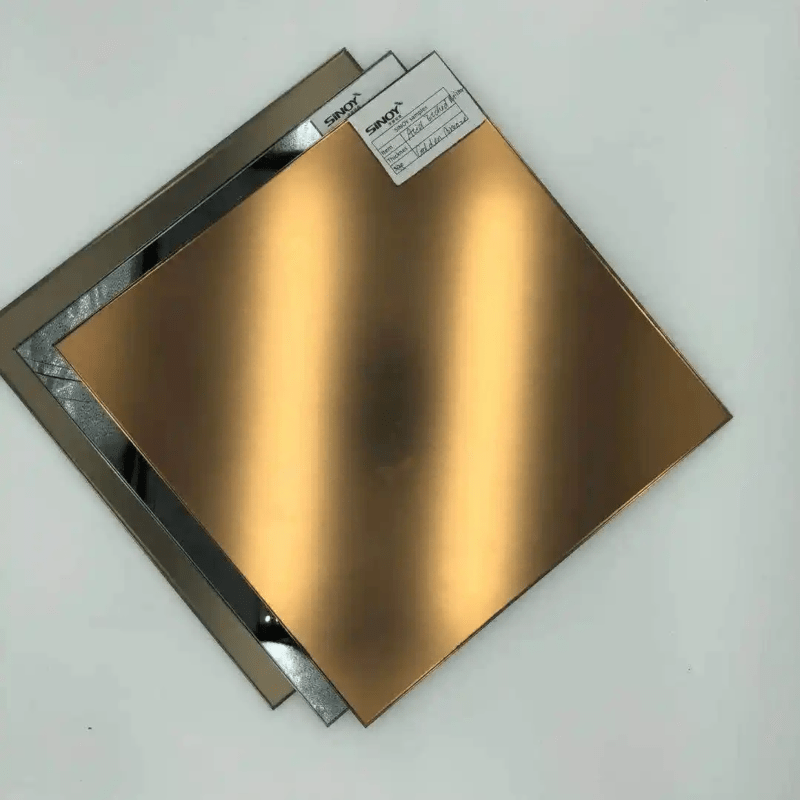
Solar glass represents one of the most transformative innovations in renewable energy technology today. This specialized glass integrates photovoltaic cells directly into its structure, enabling buildings and surfaces to generate electricity from sunlight while maintaining their primary function. Unlike traditional solar panels mounted on rooftops or ground installations, solar glass seamlessly combines aesthetics with energy production, making it an increasingly popular choice for architects, builders, and energy-conscious enterprises worldwide. Understanding what solar glass is and how it generates electricity is essential for anyone considering modern renewable energy solutions.
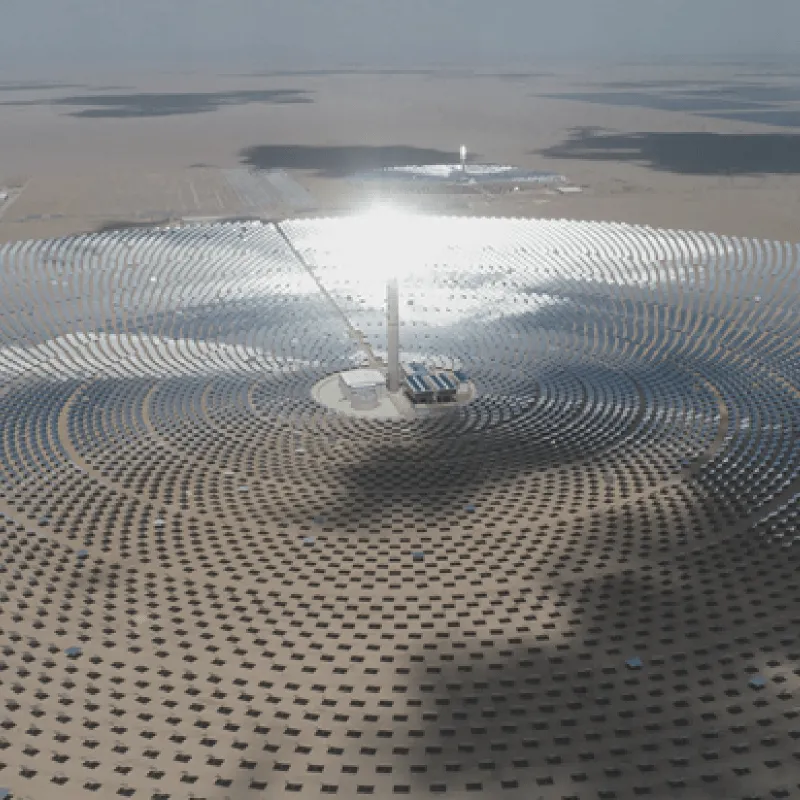
The concept of solar glass emerged from the need to maximize energy generation while preserving architectural integrity and visual appeal. Traditional rooftop solar panels, while effective, often create visual clutter and require substantial structural reinforcement. Solar glass addresses these challenges by embedding thin-film photovoltaic technology within transparent or semi-transparent glass panels. This integration allows buildings to harvest solar energy without sacrificing design flexibility or occupying additional space. The technology has rapidly evolved, with solar glass now capable of powering everything from residential windows to commercial facades and industrial skylights.
What Is Solar Glass
Core Composition and Technology
Solar glass is engineered by integrating photovoltaic cells, typically made from perovskite, organic materials, or thin-film silicon, into specially treated glass substrates. The photovoltaic layer sits between protective glass or polymer sheets, creating a durable, weather-resistant composite. This construction allows solar glass to withstand environmental stresses including temperature fluctuations, humidity, UV radiation, and mechanical impact while maintaining electrical performance. The transparent or semi-transparent nature of solar glass distinguishes it from conventional panels, as some light passes through while photons are captured for electricity generation. Advanced manufacturing processes ensure uniform cell distribution, optimal transparency levels, and consistent power output across the entire solar glass panel.
Differences From Traditional Solar Panels
While traditional solar panels generate electricity through rigid crystalline silicon cells mounted in aluminum frames, solar glass functions as an integrated building material. Traditional panels typically occupy dedicated roof or ground space and require separate electrical connections and mounting infrastructure. Solar glass, by contrast, replaces windows, skylights, glass doors, or facade panels entirely, eliminating installation footprint requirements. The transparency of solar glass enables dual functionality—allowing light transmission while generating power—whereas opaque panels serve only energy production. Additionally, solar glass integrates more seamlessly into architectural designs, avoiding the aesthetic compromise that some building owners associate with conventional solar installations. Maintenance requirements also differ, as solar glass can be cleaned using standard window-cleaning methods rather than specialized solar panel protocols.
How Solar Glass Generates Electricity
The Photovoltaic Conversion Process
Solar glass generates electricity through the photovoltaic effect, a quantum mechanical process where photons from sunlight excite electrons within semiconductor materials embedded in the glass. When light strikes the solar glass surface, photons transfer energy to electrons in the semiconductor layer, elevating them to higher energy states. This energy excitation creates electron-hole pairs, where electrons flow away from their original positions while leaving positively charged holes behind. The junction between different semiconductor layers in the solar glass structure creates an electric field that directs electron flow in one direction, generating direct current. Multiple solar glass cells connected in series amplify this electrical output, while an inverter converts the direct current into alternating current suitable for building consumption or grid connection. The efficiency of this conversion depends on semiconductor material quality, light absorption characteristics, and junction architecture within the solar glass construction.
Factors Affecting Power Generation
The electricity generation capacity of solar glass depends on several critical factors, beginning with sunlight intensity and angle. Solar glass performs optimally during peak daylight hours when the sun is directly overhead, though it continues generating power under cloudy conditions at reduced efficiency. Temperature significantly impacts solar glass performance, as higher temperatures typically decrease voltage output despite maintaining current generation. The transparency level of solar glass affects power output—more transparent variants allow greater light transmission but capture fewer photons for electricity, while darker solar glass variants generate more power but limit light penetration. Installation orientation and geographic location determine annual solar irradiance exposure, with equatorial and southern hemisphere locations generally receiving higher total sunlight energy. Shading from nearby structures, trees, or environmental debris reduces the effective illuminated area and proportionally decreases power generation. Regular cleaning and maintenance preserve solar glass transmittance properties and maximize electrical output over extended operational periods.
Applications and Practical Implementation
Building Integration and Design Flexibility
Solar glass enables unprecedented architectural freedom by replacing conventional glazing with power-generating alternatives. Residential applications include transparent window installations that allow interior light while generating household electricity, reducing grid dependency and energy costs. Commercial buildings integrate solar glass into facades, atriums, and curtain wall systems, transforming entire building exteriors into energy generators. Industrial facilities employ solar glass in skylights and transparent roof sections, capturing overhead sunlight while maintaining interior illumination. Agricultural greenhouses benefit from semi-transparent solar glass variants that simultaneously optimize plant-growing light conditions and generate farm electricity. Public infrastructure such as transit shelters, parking canopies, and walkway covers utilize solar glass to provide amenity services—shade or weather protection—while powering lighting, surveillance, or heating systems. This multifunctional capability makes solar glass economically attractive, as the glass surface was already required for architectural or functional purposes.
Installation and Grid Connection Considerations
Successful solar glass implementation requires careful planning regarding electrical infrastructure and connection protocols. Rooftop-mounted solar glass systems require structural assessments to ensure building capacity for additional distributed weight, though solar glass typically weighs only marginally more than standard glass. Facade-integrated solar glass demands coordination between architectural design and electrical systems, with wiring integrated into building automation infrastructure. Solar glass systems require monitoring equipment to track real-time generation performance and identify potential failures or efficiency degradation. Battery storage integration allows solar glass systems to supply power during evening hours or cloudy periods, enhancing system reliability and utility independence. Grid-connected solar glass installations necessitate compliance with local electrical codes, utility interconnection standards, and permitting requirements. Proper installation ensures weather sealing, electrical safety, and long-term durability while maximizing kilowatt-hour generation and return on investment.
FAQ
What is the typical efficiency rating of solar glass compared to conventional photovoltaic panels?
Current solar glass technology typically achieves 5–20 percent electrical efficiency, depending on semiconductor material and transparency specifications. Conventional silicon photovoltaic panels reach 15–22 percent efficiency. The efficiency gap exists because solar glass sacrifices some light absorption to maintain transparency, a design trade-off that is acceptable given the architectural benefits. However, emerging solar glass formulations continue improving efficiency ratings while preserving transparency, progressively narrowing the performance gap. For applications where aesthetic integration and dual functionality matter more than maximum power density, solar glass efficiency remains commercially viable and increasingly competitive.
How long does solar glass last and what maintenance does it require?
High-quality solar glass installations typically maintain performance for 25–30 years, matching or exceeding conventional photovoltaic panel lifespan. Maintenance requirements are minimal compared to traditional rooftop solar systems. Regular cleaning using standard window-washing techniques preserves light transmission and maximizes photon capture. Solar glass systems may require periodic electrical inspections to verify inverter functionality, wiring integrity, and monitoring system operation. Environmental factors such as hail, extreme temperature cycling, or physical damage warrant inspection, though modern solar glass construction demonstrates substantial impact resistance. The transparent or semi-transparent nature of solar glass actually facilitates maintenance visibility—any internal degradation or delamination becomes visually apparent, enabling preventive intervention before performance loss occurs.
What building types benefit most from solar glass integration?
Solar glass delivers maximum value in buildings with substantial glazing requirements combined with consistent solar exposure. Office towers with extensive window systems generate significant electricity throughout operational hours, directly powering interior HVAC systems, lighting, and electronics. Retail establishments with prominent facade windows or skylights benefit from simultaneous natural illumination and power generation. Educational institutions integrate solar glass into modern facility designs, combining energy cost reduction with STEM educational opportunities. Healthcare facilities enhance sustainability credentials while reducing operational expenses through solar glass installations. Residential applications in sunny climates provide homeowners with demonstrable energy independence and property value appreciation. Agricultural greenhouses represent ideal candidates, as semi-transparent solar glass simultaneously optimizes plant-growing light wavelengths and captures energy for irrigation, climate control, and facility operations. Climate, building orientation, geographic latitude, and existing glass surface area collectively determine the economic return and feasibility of solar glass implementation in any specific facility.