
 EN
EN
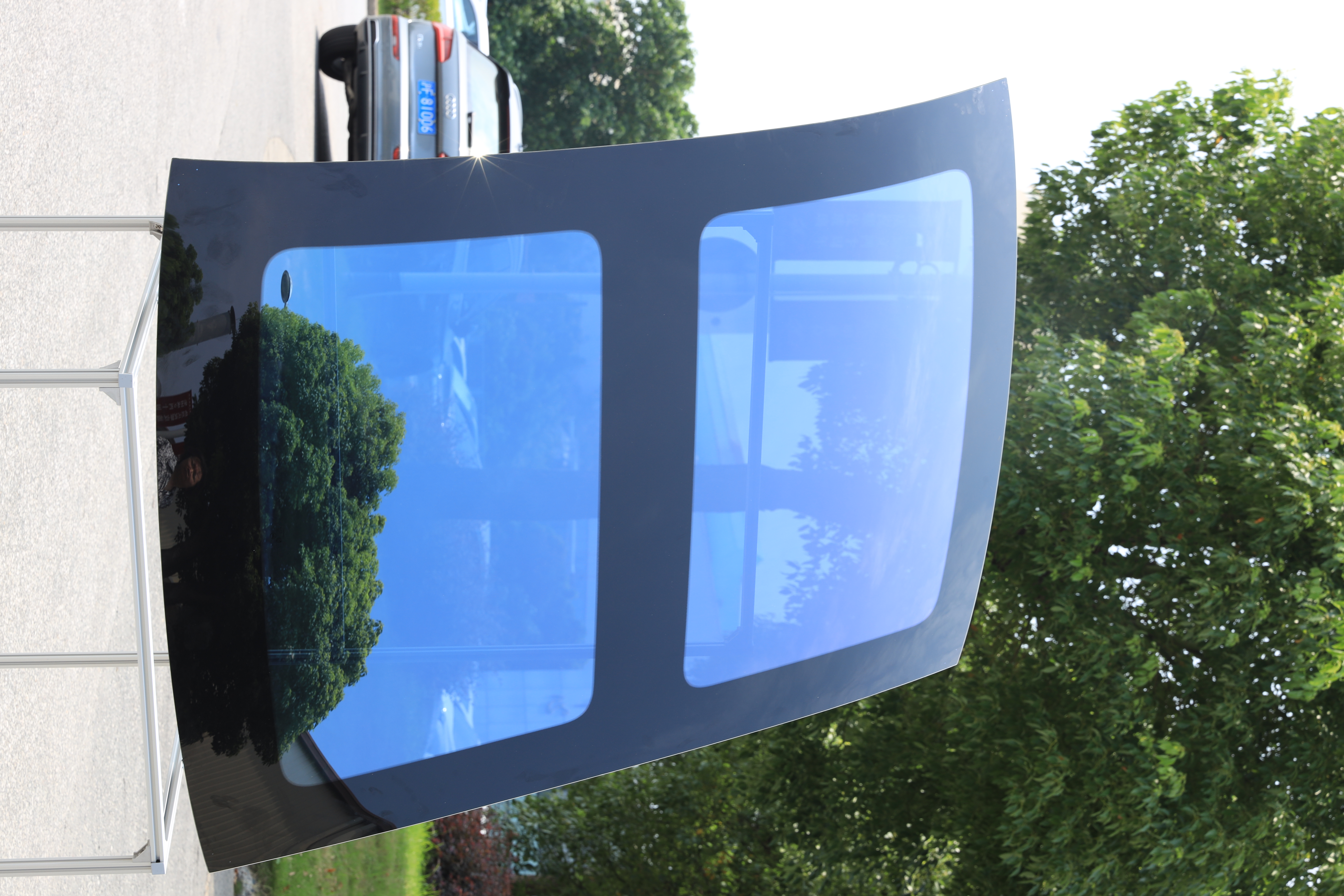
A sunroof is one of the most recognizable and sought-after features in modern vehicle design. Whether you are shopping for a new car or simply curious about what that glass panel above your head actually does, understanding the sunroof — its definition, its mechanics, and its purpose — helps you make smarter decisions as a driver or buyer. The sunroof has evolved significantly over the decades, moving from a simple luxury add-on to a standard feature in many mid-range and premium vehicles worldwide.
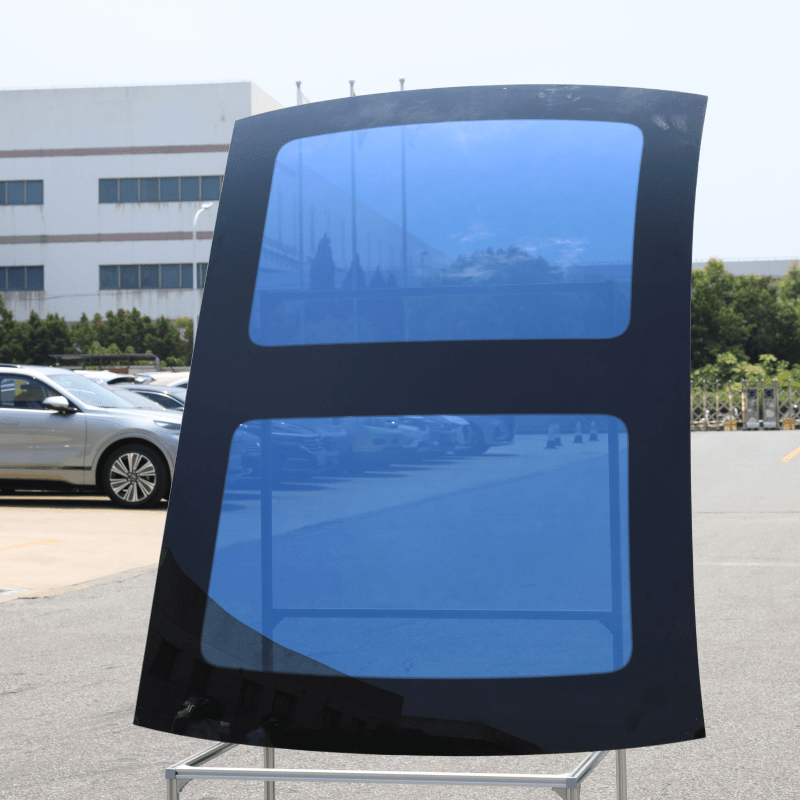
At its core, a sunroof is an opening panel built into the roof of a vehicle, designed to allow natural light, fresh air, or both to enter the cabin. The sunroof can be made of glass or metal, and it may operate manually or through a powered mechanism. As automotive engineering has advanced, the sunroof has become more refined, safer, and more energy-efficient, making it a genuinely functional feature rather than a purely cosmetic one. This article explains exactly what a sunroof is, the main types available today, how the sunroof operates mechanically, and what benefits it brings to the modern driving experience.
Defining the Sunroof in Modern Automotive Design
The Core Concept of a Sunroof
A sunroof is fundamentally a panel integrated into a vehicle's roof structure that can be opened, tilted, or slid to create an aperture in the cabin ceiling. The sunroof differs from a moonroof primarily in material — a traditional sunroof was often made from solid metal or an opaque panel, while a moonroof is typically a transparent or tinted glass panel. However, in modern usage, the term sunroof is widely used to describe both glass and opaque versions interchangeably. Most consumers and manufacturers today use sunroof as the default term regardless of the panel material.
The sunroof panel is typically framed within a reinforced roof structure to maintain the vehicle's rigidity and safety. Engineers carefully design the sunroof housing to prevent water leaks, wind noise, and structural weakness. In most modern vehicles, a sunroof also includes a sliding fabric or mesh shade, allowing occupants to block sunlight while keeping the panel closed. This dual-layer system gives drivers and passengers full control over light and privacy inside the cabin.
Common Types of Sunroof Available Today
The sunroof comes in several distinct configurations depending on vehicle class and design philosophy. The pop-up sunroof is the simplest form — a manually tilted panel hinged at the front that allows ventilation but does not slide open fully. The inbuilt sunroof, sometimes called a sliding sunroof, is the most common powered type, where the glass panel slides back along or beneath the roof structure. The panoramic sunroof is a larger variant that spans a greater portion of the roof, often covering both front and rear passenger areas, creating a significantly more open and airy cabin environment. Each sunroof type serves a different purpose and caters to different preferences in terms of openness, light, and practicality.
How the Sunroof Works Mechanically
The Operating Mechanism of a Powered Sunroof
A powered sunroof uses an electric motor connected to a track-and-cable system embedded within the vehicle's headliner frame. When the driver activates the sunroof control — typically a button or dial near the overhead console — the motor drives a set of cables or gear rails that move the glass panel rearward. The sunroof panel either slides on top of the exterior roof or drops slightly and retracts beneath the roofline, depending on the design. This mechanism allows smooth, consistent movement and is engineered to stop automatically if an obstruction is detected, preventing injury or damage.
Modern sunroof systems also include a tilt function. Instead of fully sliding open, the sunroof can tilt upward at the rear edge, creating a small gap that allows air circulation without fully exposing the cabin to wind or rain. This tilt mode is particularly useful during mild weather or highway driving, where a fully open sunroof might create excessive wind turbulence. The sunroof motor and track assembly require periodic maintenance, including cleaning the drainage channels and lubricating the guide rails, to ensure reliable long-term operation.
Drainage and Weatherproofing in Sunroof Design
One of the most critical engineering aspects of a sunroof is its weatherproofing system. Even when the sunroof is fully closed, moisture can accumulate around the seal and frame area. To address this, manufacturers build drainage tubes into the sunroof frame that channel water away from the cabin and discharge it safely through the vehicle's body pillars to the ground. These sunroof drainage channels must remain clear to function correctly — blocked drains are one of the most common causes of interior water leaks in vehicles equipped with a sunroof. The sealing gasket around the sunroof perimeter also plays a vital role, compressing against the frame when closed to create a watertight barrier against rain and wind.
The Practical Benefits of Having a Sunroof
Light, Air, and the Driving Experience
The sunroof enhances the interior ambiance of a vehicle by allowing natural light to flood the cabin, making the space feel larger and more open. This is particularly beneficial in smaller cars where the interior volume is limited. A sunroof also provides supplemental ventilation, enabling drivers to enjoy fresh air without the buffeting that comes from fully opening a side window at speed. For passengers in the rear seats, a panoramic sunroof delivers an especially improved experience, giving everyone access to natural light and an elevated sense of space during longer journeys.
Beyond comfort, the sunroof can contribute to a vehicle's resale value. Cars equipped with a sunroof, especially the panoramic sunroof variant, often command higher secondary market prices compared to equivalent models without one. Buyers in many markets actively seek out vehicles with a sunroof, viewing it as a mark of quality and a lifestyle enhancement. For fleet buyers or individual consumers, specifying a sunroof at the point of purchase is generally considered a worthwhile investment in both daily usability and long-term asset value.
Thermal Management and UV Considerations
Modern sunroof glass is typically treated with UV-blocking coatings or integrated solar control films that reduce heat gain inside the vehicle. This thermal management feature means that a sunroof does not necessarily increase interior temperature as much as an untreated glass panel might. Some vehicles also use infrared-reflective sunroof glass, which allows visible light to pass through while blocking the heat-producing portions of the solar spectrum. These advances make the sunroof a more practical feature year-round, not just in cooler climates where solar heat gain is less of a concern.
FAQ
What is the difference between a sunroof and a moonroof?
A sunroof traditionally refers to a solid or opaque panel in the vehicle roof, while a moonroof refers to a transparent or tinted glass panel. In modern automotive language, the term sunroof is widely used to describe both types, so the distinction is largely historical. Most cars sold today with this feature use glass panels, technically making them moonroofs, but the sunroof label remains universally accepted in consumer and manufacturer communication.
Can a sunroof be installed on any car?
Aftermarket sunroof installation is possible on many vehicles, but it requires precise cutting of the roof structure and professional integration of the drainage and sealing systems. Factory-fitted sunroof options are generally more reliable because they are engineered as part of the vehicle's structural design from the outset. Adding a sunroof post-manufacture may affect the vehicle's warranty and structural integrity if not performed by a qualified specialist, so professional assessment is strongly recommended before proceeding.
Does a sunroof affect fuel efficiency?
A sunroof adds a small amount of weight to the vehicle, which can have a minor effect on fuel efficiency. When the sunroof is open at highway speeds, aerodynamic drag increases, which can reduce fuel economy noticeably. However, in urban driving conditions where speeds are lower, the fuel impact of an open sunroof is minimal. Modern sunroof designs are increasingly optimized for aerodynamic efficiency, reducing the drag penalty compared to older designs. Overall, the fuel impact of a sunroof is generally considered marginal for most drivers under typical usage patterns.