
 EN
EN
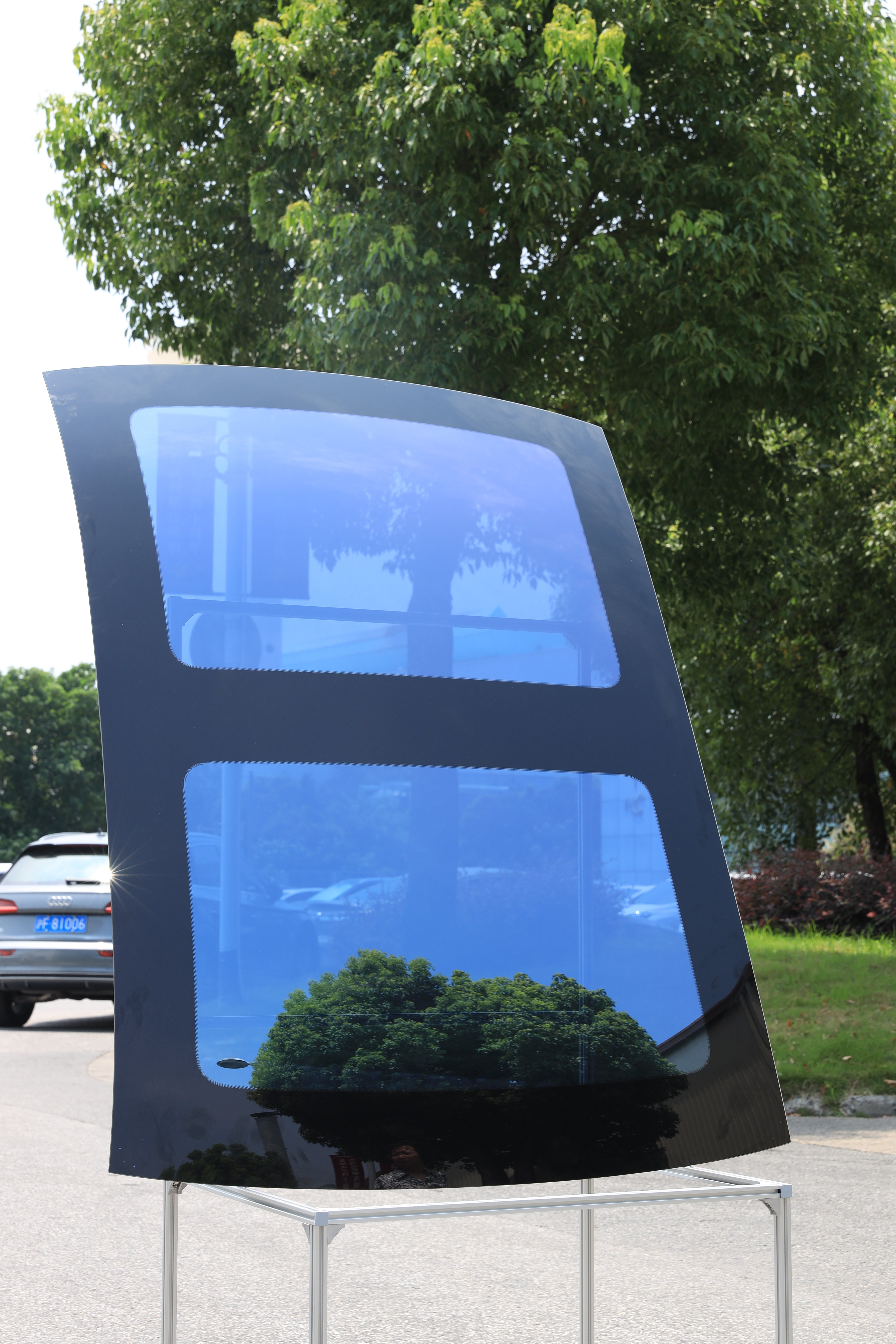
A leaking sunroof is one of the most frustrating problems a vehicle owner can face. Water dripping into your cabin can damage upholstery, cause mold growth, and lead to costly electrical issues if left unaddressed. The good news is that most sunroof leaks do not require a full replacement — with the right diagnosis and a few practical steps, you can restore a watertight seal and protect your interior without spending a fortune.

Understanding why your sunroof leaks is the essential first step. A sunroof is engineered with drainage channels, rubber seals, and a precisely fitted glass panel working together as a system. When any one of these components fails or becomes obstructed, moisture finds a path into your car. This article walks you through the most effective non-replacement fixes, so your sunroof can perform as intended without unnecessary expense.
Common Causes of a Leaking Sunroof
Blocked Drainage Tubes
The most common reason a sunroof leaks is not a broken seal — it is a clogged drainage tube. Every sunroof frame has four small drain holes positioned at each corner. These holes connect to tubes that channel water down through the vehicle's body and out underneath. When leaves, dirt, or debris accumulate inside these tubes, water backs up and overflows directly into the headliner or door pillars. A sunroof with blocked drains will leak even when its rubber seal is in perfect condition.
To clear a blocked sunroof drain, open the sunroof panel fully and locate the small round drain holes at each corner of the frame. Use a thin flexible wire, a pipe cleaner, or a can of compressed air to gently dislodge debris from each hole. Avoid forcing anything too aggressively, as this can push the clog deeper or damage the tube. Once cleared, pour a small amount of water into each drain and confirm it exits cleanly beneath the car. Regular sunroof drain maintenance every few months prevents this problem from recurring.
Deteriorated or Misaligned Rubber Seals
The rubber gasket that runs around the perimeter of your sunroof panel is responsible for creating a waterproof barrier when the sunroof is closed. Over time, exposure to UV radiation, extreme heat, and temperature cycling causes rubber seals to harden, crack, shrink, or warp. A sunroof with a compromised seal will leak along its edges even when the glass is fully shut. In some cases, the seal has not deteriorated but has simply shifted out of its groove due to vibration or improper cleaning.
Inspect the sunroof seal carefully by running your fingers along its full length. Look for visible cracks, flat sections, gaps, or areas where the rubber has pulled away from the frame. If the seal is merely displaced, you may be able to press it back into position and apply a small amount of automotive rubber conditioner to restore its flexibility. If the seal shows cracking or brittleness, replacing only the seal — not the entire sunroof — is a cost-effective solution available at most auto parts suppliers.
Practical Repair Steps for a Leaking Sunroof
Applying Sunroof Sealant Correctly
When a sunroof seal cannot be reseated or is beyond conditioning, applying automotive-grade sealant along the affected areas provides a reliable temporary or semi-permanent fix. Choose a sealant specifically rated for sunroof or automotive glass applications, as general-purpose products may not bond effectively or withstand temperature extremes. Clean the sunroof frame edge and the surrounding glass surface thoroughly before applying. Any moisture, grease, or old sealant residue will prevent proper adhesion and allow the sunroof to leak again quickly.
Apply the sealant in a steady, even bead along the inner edge of the sunroof frame where the glass panel meets the body. Smooth it carefully with a gloved finger or a plastic applicator tool to ensure full contact. Allow adequate curing time before testing. Once set, use a slow controlled water pour to check whether the sunroof leak has been resolved. Sealant is particularly effective for sunroof panels that show micro-gaps between the glass edge and the weatherstrip channel.
Adjusting the Sunroof Panel Alignment
A sunroof that sits unevenly in its frame will create gaps that allow water ingress regardless of seal condition. Panel misalignment can occur after a minor impact, after DIY cleaning that shifts the glass, or simply through gradual wear of the mounting hardware. If you notice that your sunroof sits noticeably higher on one side or does not close flush with the roof surface, alignment is likely a contributing factor to the leak.
Most sunroof panels are adjustable through mounting bolts accessible when the sunroof is open. Loosen these bolts slightly and reposition the glass panel so that it sits flush and even across its full perimeter. Close the sunroof and check the gap between the glass and the surrounding roof line on all sides. A properly aligned sunroof should close with equal pressure against the seal all around. Correct alignment dramatically improves the effectiveness of any seal repair and prevents premature seal wear caused by uneven compression.
Long-Term Sunroof Maintenance to Prevent Leaks
Routine Cleaning and Seal Conditioning
Preventing a sunroof from leaking is far easier than repairing an active leak. A consistent maintenance routine keeps every component of the sunroof system functioning correctly. Clean the sunroof frame, drainage channels, and rubber seals every one to two months, especially during autumn when leaf debris accumulates rapidly. Use a soft cloth and mild soap to remove dirt without damaging the seal surface. After cleaning, apply a rubber conditioner or a silicone-based protectant to the sunroof seal to keep it supple and resilient against cracking.
Avoid using petroleum-based products on sunroof seals, as these can cause swelling and accelerated deterioration. Similarly, avoid high-pressure car washes directed at the sunroof frame, since the water force can overwhelm the drainage system and push water past the seal temporarily, causing misleading leak symptoms. A gentle manual wash focused on keeping the sunroof drainage path clear is the single most effective preventive step any vehicle owner can take.
When to Seek Professional Sunroof Service
If drain clearing, seal conditioning, sealant application, and panel alignment do not resolve the sunroof leak, the issue may involve a cracked frame, a failed internal drainage tube joint, or a compromised motor housing that directs water inward. These problems require professional diagnosis. A qualified technician can inspect the sunroof drainage path using dye testing or camera tools to pinpoint exactly where water enters the system. Addressing the root cause promptly prevents secondary damage that ultimately costs far more than the sunroof repair itself.
FAQ
How do I know if my sunroof leak is from the seal or the drain?
Pour a small amount of water directly onto the sunroof glass while it is closed. If water enters immediately along the edge, the seal is the likely cause. If the sunroof appears dry at first but moisture appears later inside the headliner, a blocked drain is more likely responsible. Testing both scenarios helps you identify the correct fix before applying any sealant or purchasing replacement parts.
Can I drive my car while the sunroof is leaking?
Short-term driving is possible but not recommended without addressing the sunroof leak first. Persistent water entry from a leaking sunroof can saturate insulation, corrode metal components behind the headliner, and reach electrical connectors, leading to far more expensive repairs. If you must drive before repairing the sunroof, use a temporary waterproof cover or tape a plastic sheet over the frame exterior as a short-term precaution.
How long does a sunroof seal replacement last?
A quality sunroof seal replacement, when properly installed and maintained, typically lasts five to ten years depending on climate conditions and care habits. Vehicles in hot and sunny climates tend to see faster seal degradation due to UV exposure. Applying a rubber conditioner to the sunroof seal every two to three months significantly extends its service life and helps you avoid repeat leaks without needing to replace the sunroof panel itself.