
 EN
EN

Modern sustainable architecture demands materials that balance environmental responsibility with exceptional performance characteristics. Float glass has emerged as a cornerstone material in eco-friendly building designs, offering unique advantages that align with green construction principles. This innovative manufacturing process produces consistently flat, optically clear glass panels that meet the stringent requirements of contemporary sustainable buildings. Understanding both the challenges and benefits of implementing float glass in environmentally conscious projects enables architects and builders to make informed decisions that support long-term sustainability goals while maintaining structural integrity and aesthetic appeal.
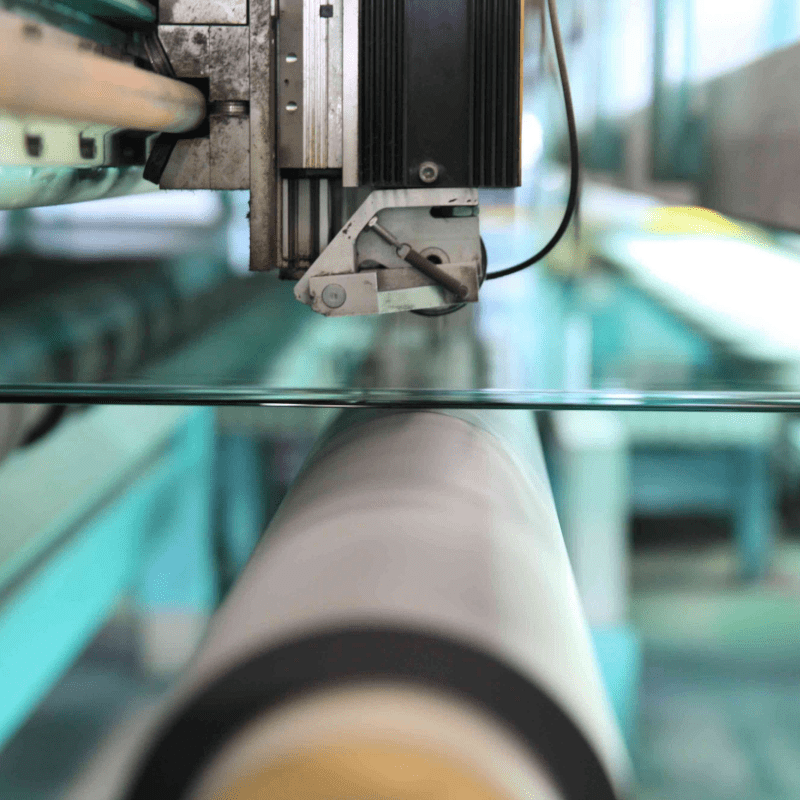
Environmental Advantages of Float Glass Integration
Energy Efficiency Through Superior Thermal Performance
Float glass demonstrates exceptional thermal performance characteristics that significantly reduce building energy consumption. The uniform thickness and smooth surface texture achieved through the float manufacturing process create optimal conditions for thermal insulation when incorporated into double or triple-glazed window systems. Buildings utilizing high-performance float glass installations typically experience 30-40% reductions in heating and cooling costs compared to structures with conventional glazing materials.
Advanced float glass formulations incorporate low-emissivity coatings that reflect infrared radiation while allowing visible light transmission. This selective wavelength control maintains comfortable indoor temperatures without excessive reliance on mechanical climate control systems. The resulting energy savings translate directly into reduced carbon emissions and lower operational costs throughout the building's lifecycle.
Recyclability and Circular Economy Benefits
The composition and manufacturing process of float glass make it infinitely recyclable without quality degradation. Unlike many construction materials that lose structural integrity through recycling processes, float glass maintains its optical clarity and mechanical properties when reprocessed into new products. This characteristic supports circular economy principles by eliminating waste streams and reducing demand for virgin raw materials.
Sustainable building projects incorporating float glass benefit from established recycling infrastructure and collection systems. End-of-life float glass panels can be efficiently processed into new architectural glass products, contributing to closed-loop material cycles that minimize environmental impact. The economic value retention of recycled float glass creates additional incentives for responsible material handling and recovery practices.
Technical Challenges in Eco-friendly Applications
Manufacturing Energy Requirements
Float glass production demands significant energy inputs, particularly during the melting and forming processes that occur at temperatures exceeding 1600 degrees Celsius. The high-temperature requirements present challenges for manufacturers seeking to minimize carbon footprints while maintaining product quality standards. Traditional float glass production facilities consume substantial amounts of natural gas or other fossil fuels to achieve necessary operating temperatures.
Innovative manufacturers are addressing these energy challenges through implementation of renewable energy sources and waste heat recovery systems. Solar thermal installations and biomass-fired furnaces represent emerging solutions that reduce reliance on fossil fuels during float glass production. However, the transition to sustainable manufacturing processes requires substantial capital investments and technological adaptations that may temporarily increase production costs.
Transportation and Installation Considerations
The weight and fragility of float glass panels create logistical challenges that impact overall project sustainability. Large architectural float glass installations require specialized transportation equipment and handling procedures that increase fuel consumption and carbon emissions during delivery. The risk of breakage during transit necessitates protective packaging materials that generate additional waste streams.
Installation complexity increases with float glass panel size and architectural integration requirements. Skilled labor and precision equipment are essential for proper placement and sealing of float glass elements within building envelopes. These specialized installation requirements can extend project timelines and increase labor costs, potentially affecting overall project sustainability metrics.
Design Flexibility and Aesthetic Benefits
Architectural Integration Possibilities
Float glass offers unprecedented design flexibility that enables architects to create innovative sustainable building facades and interior elements. The consistent thickness and optical quality of float glass support large-span glazing systems that maximize natural light penetration while maintaining structural integrity. Contemporary eco-friendly buildings leverage these characteristics to reduce artificial lighting requirements and create visually appealing spaces that connect occupants with outdoor environments.
Advanced float glass processing techniques enable customization of optical properties, including varying levels of transparency, reflectivity, and color tinting. These customization options allow designers to optimize solar heat gain coefficients and visible light transmission rates for specific climate conditions and building orientations. The result is enhanced occupant comfort and reduced mechanical system loads that support overall sustainability objectives.
Durability and Maintenance Advantages
The chemical stability and weather resistance of float glass contribute to extended service life and reduced maintenance requirements in building applications. Unlike organic glazing materials that degrade under ultraviolet exposure, float glass maintains optical clarity and structural properties for decades without significant deterioration. This longevity reduces replacement frequency and associated material consumption over building lifecycles.
Surface treatments and protective coatings can further enhance float glass durability and performance characteristics. Self-cleaning coatings reduce maintenance labor and water consumption while preserving optical clarity in challenging environmental conditions. These enhanced durability features support sustainable building operations by minimizing resource consumption during the use phase of building lifecycles.
Economic Considerations and Cost-Benefit Analysis
Initial Investment Requirements
High-performance float glass systems typically require higher initial capital investments compared to conventional glazing options. The advanced manufacturing processes, specialized coatings, and precision installation requirements contribute to elevated upfront costs that may challenge project budgets. However, comprehensive lifecycle cost analyses demonstrate that initial premium investments in float glass systems generate substantial long-term savings through reduced energy consumption and maintenance requirements.
Financial incentives and green building certification programs often offset initial cost premiums associated with sustainable float glass installations. Tax credits, utility rebates, and expedited permitting processes provide economic benefits that improve project financial performance. Additionally, buildings incorporating high-performance float glass systems typically achieve higher market values and rental rates due to superior energy efficiency and occupant comfort characteristics.
Long-term Value Proposition
The extended service life and consistent performance of float glass installations create compelling long-term value propositions for sustainable building owners. Reduced energy costs, lower maintenance requirements, and enhanced occupant productivity contribute to favorable return on investment calculations. Buildings with optimized float glass systems demonstrate measurable improvements in energy performance ratings and environmental certifications that support asset value appreciation.
Market trends indicate growing demand for sustainable building materials and energy-efficient construction solutions. Float glass manufacturers and suppliers are responding to this demand through continued innovation in product performance and manufacturing sustainability. These market dynamics support favorable pricing trends and product availability that benefit eco-friendly building projects incorporating float glass elements.
Innovation and Future Development Trends
Smart Glass Technology Integration
Emerging smart glass technologies build upon traditional float glass manufacturing processes to create dynamic glazing systems that respond to environmental conditions. Electrochromic and thermochromic coatings applied to float glass substrates enable automatic adjustment of optical properties based on temperature, light levels, or electrical control signals. These responsive systems optimize energy performance while maintaining the structural advantages of float glass construction.
Integration of photovoltaic cells and float glass manufacturing creates building-integrated solar solutions that generate renewable energy while providing architectural glazing functions. These dual-purpose systems maximize building envelope efficiency by combining passive solar control with active energy generation capabilities. The float glass substrate provides structural support and weather protection for embedded photovoltaic elements while maintaining acceptable levels of light transmission.
Sustainable Manufacturing Advances
Continuous improvements in float glass manufacturing processes focus on reducing energy consumption and environmental impact while maintaining product quality standards. Advanced furnace designs incorporate heat recovery systems that capture and reuse thermal energy from production processes. These efficiency improvements reduce fuel consumption and associated carbon emissions without compromising the superior optical and mechanical properties of float glass products.
Research into alternative raw materials and manufacturing techniques explores opportunities to further enhance the sustainability profile of float glass production. Bio-based flux materials and renewable energy integration represent promising developments that could significantly reduce the environmental footprint of float glass manufacturing. These innovations support the continued adoption of float glass in eco-friendly building designs while addressing environmental concerns associated with traditional production methods.
FAQ
How does float glass compare to other glazing materials in terms of environmental impact
Float glass generally offers superior environmental performance compared to plastic glazing materials due to its infinite recyclability and longer service life. While initial manufacturing energy requirements are significant, the extended durability and recyclability of float glass result in lower lifecycle environmental impacts. Compared to laminated or tempered glass alternatives, standard float glass requires less processing energy while maintaining comparable performance characteristics in many applications.
What are the typical energy savings associated with high-performance float glass installations
Buildings incorporating optimized float glass systems typically achieve 25-45% reductions in heating and cooling energy consumption compared to structures with conventional single-pane glazing. The exact savings depend on climate conditions, building orientation, and specific float glass performance characteristics. Advanced low-emissivity coatings and multi-pane configurations can further enhance energy performance, particularly in extreme climate conditions.
Can float glass be effectively recycled at the end of building lifecycles
Float glass is completely recyclable and can be reprocessed into new products without quality degradation. Established collection and processing infrastructure supports efficient recycling of architectural float glass installations. The recycling process involves cleaning, crushing, and re-melting the glass material to create new float glass products with identical performance characteristics to virgin materials.
What factors should be considered when specifying float glass for sustainable building projects
Key specification considerations include thermal performance requirements, structural loading conditions, aesthetic preferences, and local climate characteristics. The selection of appropriate coatings, thickness specifications, and installation methods significantly impacts overall system performance and sustainability benefits. Coordination between architects, structural engineers, and glazing contractors ensures optimal float glass system design and implementation for specific project requirements.
Table of Contents
- Environmental Advantages of Float Glass Integration
- Technical Challenges in Eco-friendly Applications
- Design Flexibility and Aesthetic Benefits
- Economic Considerations and Cost-Benefit Analysis
- Innovation and Future Development Trends
-
FAQ
- How does float glass compare to other glazing materials in terms of environmental impact
- What are the typical energy savings associated with high-performance float glass installations
- Can float glass be effectively recycled at the end of building lifecycles
- What factors should be considered when specifying float glass for sustainable building projects