
 EN
EN
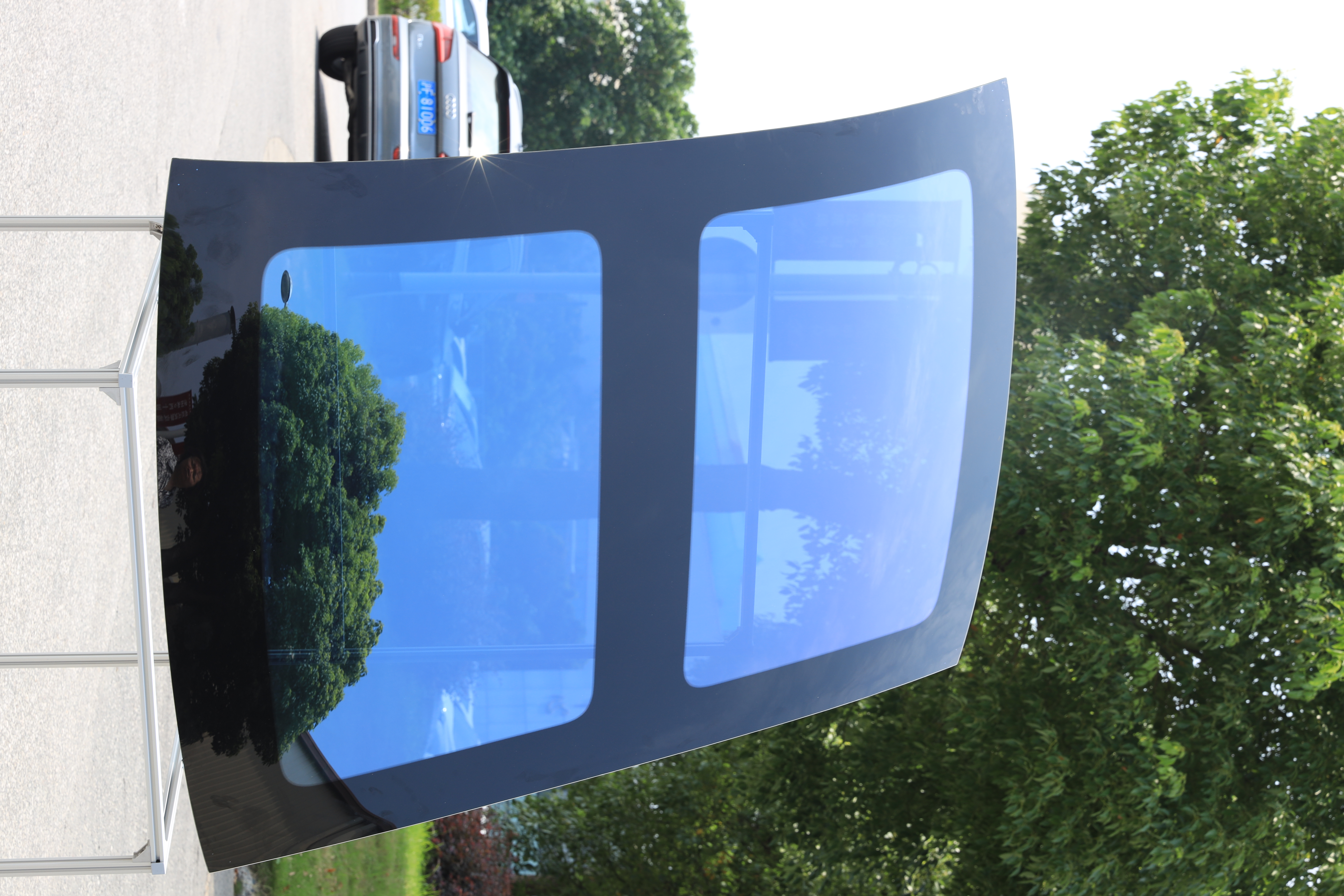
Choosing the right sunroof for your vehicle is not simply a matter of preference — it is a practical decision that affects comfort, aesthetics, driving experience, and long-term value. Whether you are purchasing a new car, retrofitting an existing one, or specifying features for a fleet, the sunroof type you select will shape how passengers experience every journey. The two dominant options in today's market are the panoramic sunroof and the regular sunroof, and each serves a very different set of needs.
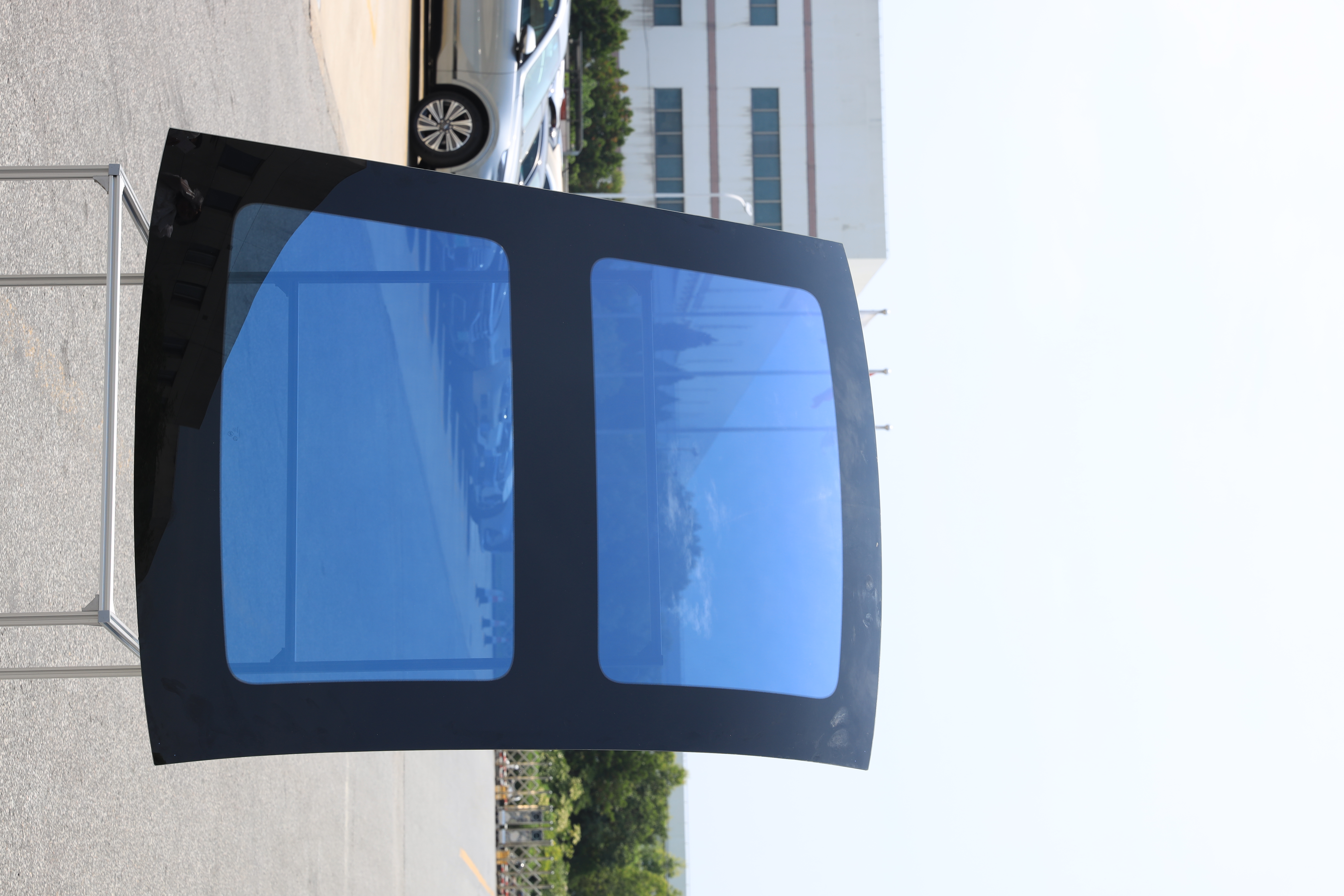
Understanding when each sunroof type is the right choice requires looking beyond surface-level appeal. A sunroof decision should be grounded in your vehicle size, how you use the car, the climate in your region, and what your passengers value most. This guide breaks down the key decision points so you can make a confident, well-informed choice between a panoramic sunroof and a regular sunroof.
What Each Sunroof Type Actually Offers
The Regular Sunroof
A regular sunroof is a compact, single-panel opening built into the roof of a vehicle. It is typically positioned above the front seats and can either tilt open for ventilation or slide back to allow full open-air access. The regular sunroof has been a standard feature in mid-range and entry-level vehicles for decades, and it remains a highly functional and cost-effective option. Because the sunroof panel is smaller, it adds less weight, requires a simpler frame structure, and is generally easier and less expensive to maintain or repair.
The regular sunroof is ideal for drivers who want the core experience — fresh air, natural light, and an open-road feeling — without dramatically altering the vehicle's structural characteristics. If you drive a compact car, a hatchback, or a sedan where interior headroom is limited, a regular sunroof is almost always the more appropriate choice. It integrates cleanly without reducing ceiling height or creating thermal issues in smaller cabins.
The Panoramic Sunroof
A panoramic sunroof is a significantly larger glass panel — or a series of connected panels — that typically extends from above the front seats to cover much of the rear cabin as well. This sunroof type transforms the interior atmosphere of a vehicle by flooding it with natural light and creating a far more open, spacious feel. The panoramic sunroof has become especially popular in SUVs, crossovers, and premium sedans where interior volume can accommodate the larger glass surface without sacrificing structural rigidity.
The panoramic sunroof delivers a noticeably elevated cabin experience, which is why it is often positioned as a luxury or premium feature. Rear-seat passengers benefit as much as front-seat occupants, making it a particularly strong choice for family vehicles or any car where passenger comfort across all rows matters. However, a panoramic sunroof adds more weight, may reduce headroom slightly, and generally requires more sophisticated sealing and drainage engineering to perform reliably over time.
Key Scenarios That Drive the Sunroof Decision
Vehicle Type and Size
Your vehicle's dimensions are one of the clearest guides for sunroof selection. A compact or subcompact car with a low roofline will rarely benefit from a panoramic sunroof — the cabin space simply cannot support it without creating a cramped feel or excessive heat buildup. In these vehicles, a regular sunroof is the natural fit. It delivers the essential sunroof function without overengineering the application.
In contrast, a full-size SUV, a large crossover, or a premium executive sedan can carry a panoramic sunroof with ease. The additional glass surface enhances a cabin that is already spacious, making the sunroof a genuine upgrade to the driving environment rather than an awkward addition. When the vehicle is designed from the ground up to accommodate a panoramic sunroof, the integration is seamless and the benefits are immediately tangible.
Climate and Sun Exposure
Climate is a frequently overlooked factor in sunroof selection. If you live or drive in a region with intense summer heat, a panoramic sunroof can increase cabin temperature significantly unless it is equipped with high-quality UV-filtering and heat-blocking glass. Modern panoramic sunroof panels often include laminated or coated glass specifically designed to reduce solar heat gain, but this adds to the cost. In hot climates, a regular sunroof is easier to manage thermally — its smaller surface area absorbs and transmits less solar energy into the cabin.
In temperate or cooler climates, a panoramic sunroof becomes much more appealing because the heat tradeoff is minimal. Drivers in mild, overcast, or northern regions often find that a panoramic sunroof provides a consistent sense of openness and brightness even when the panel is closed, making the sunroof valuable year-round rather than only seasonally.
Passenger Experience and Lifestyle
How you use your vehicle day-to-day is one of the strongest signals for sunroof type. If you frequently carry rear-seat passengers — children, clients, or family members — a panoramic sunroof makes the back of the cabin feel considerably less confined. This sunroof format is particularly valued in vehicles used for long drives, road trips, or professional transport, where passenger comfort contributes directly to the overall impression of the vehicle.
If the vehicle is primarily a solo or dual-occupant commuter car, the premium cost and structural complexity of a panoramic sunroof may not be justified. A regular sunroof gives the front occupants everything they need — ventilation, natural light, and that connection to the open sky — at a lower price point and with a simpler long-term maintenance profile. Matching the sunroof type to your actual usage pattern, rather than aspirational preferences, leads to better satisfaction over the ownership period.
Cost, Maintenance, and Long-Term Considerations
Upfront and Ongoing Costs
The regular sunroof has a clear advantage when it comes to cost. Whether factory-installed or retrofitted, a regular sunroof is substantially less expensive than a panoramic sunroof. Repairs, seal replacements, and motor servicing for a regular sunroof are straightforward and affordable with most automotive specialists. The simplicity of a smaller sunroof system means fewer points of potential failure and generally lower ownership costs over time.
A panoramic sunroof involves more complex engineering — larger seals, multi-panel drainage systems, and heavier glass that may require specialized service. If a panoramic sunroof develops a leak or mechanical fault, the repair cost is typically much higher than an equivalent issue with a regular sunroof. For buyers with a strict budget or those who prioritize low maintenance overhead, the regular sunroof offers better long-term predictability.
Resale Value and Market Appeal
In the used vehicle market, a panoramic sunroof consistently commands higher resale interest, particularly in the SUV and premium sedan segments. Buyers shopping for family vehicles or executive cars often filter specifically for a panoramic sunroof as a desirable feature. If you are purchasing or specifying a vehicle with resale value in mind, the panoramic sunroof may justify its premium through better market positioning later. A regular sunroof still adds value relative to no sunroof at all, but its resale impact is more modest and segment-dependent.
FAQ
Can a regular sunroof be upgraded to a panoramic sunroof later?
Retrofitting a regular sunroof to a panoramic sunroof is technically complex and rarely cost-effective. The panoramic sunroof requires significant modifications to the roof structure, headliner, and drainage system. In most cases, it is more practical to select the correct sunroof type at the time of vehicle purchase or initial fitment rather than attempt a later conversion.
Does a panoramic sunroof always reduce headroom?
A panoramic sunroof can reduce interior headroom slightly due to the thickness of the glass panel and the frame structure it requires. However, many modern vehicles are engineered with this in mind, and the reduction is often minimal — typically under 25mm. Taller passengers may notice the difference more than others, so it is worth checking specifications before committing to a panoramic sunroof in a vehicle with an already-low roofline.
Which sunroof type is better for noise levels on the highway?
A regular sunroof generally produces less wind noise at highway speeds because its smaller surface area creates a less turbulent air interface. A panoramic sunroof, especially one that opens, can introduce more cabin noise at high speeds if the sealing and glass design are not optimized. Premium vehicles with a well-engineered panoramic sunroof typically manage this effectively, but it remains a factor worth evaluating, particularly for buyers who prioritize a quiet sunroof experience during long drives.