
 EN
EN
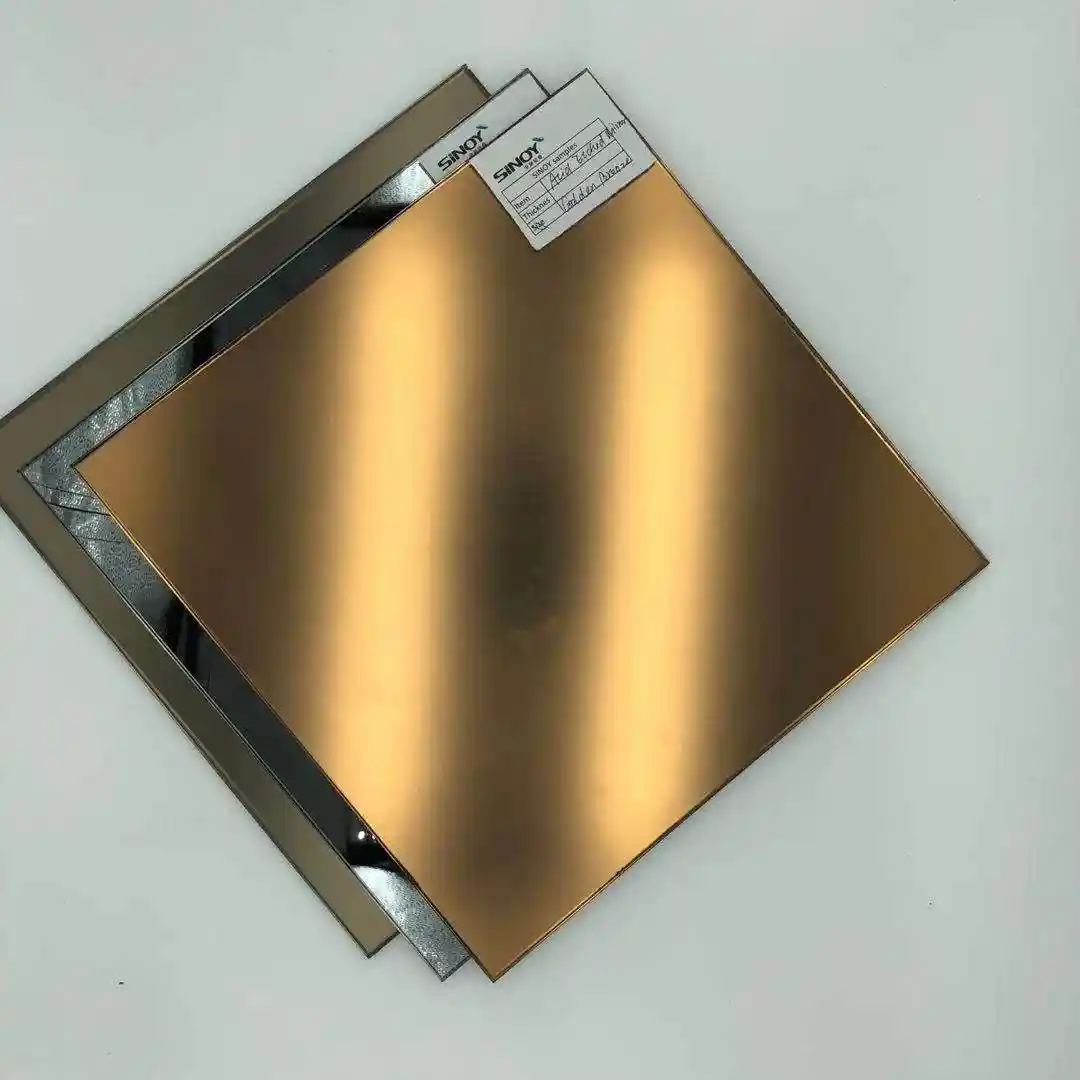
Modern architectural design demands materials that balance aesthetics, performance, and sustainability, and coated glass has emerged as a transformative solution across residential, commercial, and industrial applications. This advanced glazing technology applies microscopically thin layers of metallic or ceramic compounds to glass surfaces, fundamentally altering how windows interact with light, heat, and environmental conditions. From skyscrapers seeking LEED certification to homeowners reducing utility bills, coated glass delivers measurable improvements in energy efficiency, occupant comfort, and long-term building performance. Understanding the complete spectrum of coated glass technology—from its manufacturing principles to maintenance best practices—empowers architects, builders, and property managers to make informed decisions that maximize return on investment while meeting increasingly stringent energy codes.
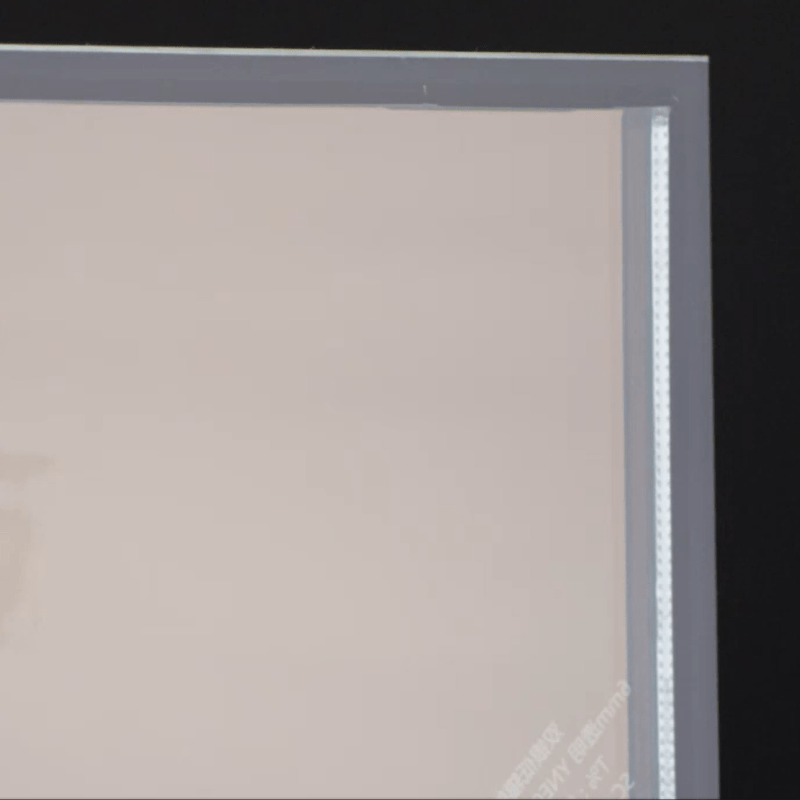
The science behind coated glass involves precision engineering at the molecular level, where vacuum deposition processes create uniform coatings just nanometers thick that dramatically enhance thermal insulation, solar control, and ultraviolet protection without compromising visible light transmission. These invisible layers work by selectively reflecting specific wavelengths of electromagnetic radiation—blocking infrared heat during summer while retaining interior warmth during winter—creating year-round climate control benefits that translate directly into reduced HVAC loads and lower carbon footprints. Beyond energy performance, coated glass addresses critical concerns including glare reduction for digital workspaces, UV protection for interior furnishings, condensation control in humid climates, and enhanced privacy through reflective exterior surfaces. This comprehensive guide explores every dimension of coated glass technology, providing actionable insights for specifying, installing, and maintaining these high-performance glazing systems throughout their service life.
Understanding Coated Glass Technology and Manufacturing Processes
The Science Behind Low-Emissivity Coatings
Low-emissivity coated glass represents the most widely adopted category of performance glazing, utilizing ultra-thin metallic oxide layers that reflect thermal radiation while allowing visible light to pass through. The emissivity value—measured on a scale from zero to one—indicates how much radiant heat a surface emits, with lower numbers signifying superior insulation performance. Standard uncoated glass exhibits an emissivity around 0.84, meaning it readily absorbs and re-radiates thermal energy, while advanced low-E coated glass achieves values as low as 0.02, creating a thermal mirror effect that dramatically reduces heat transfer. These coatings typically consist of multiple layers including silver, zinc oxide, and protective barrier films applied through magnetron sputtering processes in controlled vacuum chambers. The silver layer serves as the primary thermal reflector, while supporting oxide layers enhance durability, reduce haze, and fine-tune optical properties. Double-silver and triple-silver configurations provide incrementally better thermal performance by incorporating multiple reflective layers separated by dielectric materials, making them ideal for extreme climates where maximizing insulation value justifies the additional manufacturing complexity and cost.
Solar Control Coatings for Heat Management
Solar control coated glass specifically targets the reduction of unwanted heat gain from direct sunlight, a critical consideration for buildings with extensive glazing in hot climates or western exposures. These coatings employ reflective metallic layers that reject a significant portion of the solar energy spectrum, particularly near-infrared wavelengths responsible for heat transmission, while maintaining acceptable levels of natural daylight. The solar heat gain coefficient quantifies this performance, representing the fraction of incident solar radiation that enters a building through the glazing system—lower SHGC values indicate better heat rejection, with high-performance solar control coated glass achieving ratings below 0.25 compared to approximately 0.82 for clear uncoated glass. This technology proves essential for reducing cooling loads in commercial buildings where glass facades can otherwise create greenhouse effects that overwhelm air conditioning systems and create uncomfortable hot spots near windows. Advanced spectrally selective coatings optimize the balance between solar control and visible light transmission, blocking heat while preserving views and natural illumination that support occupant wellbeing and reduce artificial lighting demands. The color neutrality of modern coatings has improved dramatically, allowing architects to achieve aggressive solar control without the heavily tinted or mirror-like appearances that characterized earlier generations of reflective glass.
Manufacturing Methods and Quality Standards
The production of coated glass follows two primary pathways: offline magnetron sputtering vacuum deposition and online pyrolytic coating during the float glass manufacturing process. Offline sputtering, which produces the majority of coated glass for architectural applications, occurs in specialized coating chambers where glass sheets pass through multiple zones while metallic targets are bombarded with ions to deposit uniform layers atom by atom. This method enables precise control over coating composition, thickness, and layer sequencing, resulting in superior optical quality and thermal performance compared to pyrolytic alternatives. However, the soft coatings produced through sputtering require surface protection and must be used in insulated glazing units with the coating positioned on an interior surface to prevent atmospheric degradation. Pyrolytic coatings, applied while glass remains at elevated temperatures on the production line, chemically bond to the substrate creating hard-coat surfaces that withstand direct exposure to weather and physical contact, making them suitable for single-glazed applications like automotive glass or unprotected architectural installations. Quality control protocols for coated glass manufacturing include spectrophotometric testing to verify optical properties, adhesion testing, humidity exposure chambers to assess durability, and visual inspection under controlled lighting to detect coating defects such as scratches, streaks, or areas of non-uniformity that could compromise both performance and aesthetics.
Energy Efficiency Benefits and Performance Metrics
Quantifying Thermal Insulation Improvements
The thermal performance advantage of coated glass becomes immediately apparent when examining U-factor measurements, which quantify the rate of heat transfer through a glazing assembly—lower U-factors indicate better insulation. A standard dual-pane insulated glass unit with uncoated glass typically achieves a U-factor around 0.48 BTU/hr·ft²·°F, while the same assembly with low-emissivity coated glass on one surface can reach 0.28 or lower, representing a roughly 40 percent improvement in thermal resistance. This enhancement stems from the coating's ability to reflect radiant heat back toward its source rather than allowing it to pass through the glass, effectively creating an invisible thermal barrier. In heating-dominated climates, low-E coatings on the interior surface of the outer pane reflect interior warmth back into the building, reducing heat loss during cold months and lowering heating costs. Conversely, in cooling-dominated regions, positioning the coating on the interior surface of the inner pane helps reject solar heat gain while still providing some winter insulation benefits. Triple-glazed units incorporating multiple coated glass surfaces can achieve U-factors below 0.20, approaching the thermal performance of insulated wall assemblies and enabling passive house construction standards. The cumulative energy savings from improved window thermal performance compound over decades, with lifecycle cost analyses consistently demonstrating positive returns on the incremental investment in coated glass technology, particularly as energy costs rise and carbon pricing mechanisms become more prevalent.
Solar Heat Gain Control and Cooling Load Reduction
Managing solar heat gain represents one of the most significant performance contributions of coated glass in commercial buildings, where extensive glazing and internal heat loads from equipment and occupants create cooling challenges that dominate energy consumption patterns. High-performance solar control coated glass can reduce solar heat gain coefficients to 0.23 or lower while maintaining visible light transmission above 50 percent, a combination that dramatically cuts peak cooling demands and associated utility costs. Computer energy modeling studies consistently show that upgrading from clear glass to advanced solar control coated glass in a typical office building can reduce annual cooling energy consumption by 20 to 35 percent, depending on climate zone, building orientation, and HVAC system characteristics. These reductions translate not only into lower operating costs but also enable downsizing of mechanical equipment, reducing capital expenditures for chillers, air handlers, and associated infrastructure. The peak load reduction benefits prove particularly valuable in regions with demand-based utility rate structures, where monthly charges reflect maximum instantaneous power consumption rather than total energy usage. By attenuating afternoon solar heat gain that coincides with system-wide demand peaks, solar control coated glass helps building owners avoid expensive demand charges while contributing to grid stability during critical periods. The return on investment calculations must also account for non-energy benefits including improved thermal comfort near windows, reduced glare that enhances workspace productivity, and decreased fading of interior materials from ultraviolet exposure, all of which contribute to higher tenant satisfaction and potentially premium lease rates.
Daylighting Optimization and Visual Comfort
Modern coated glass technology enables architects to maximize natural daylight penetration while simultaneously controlling heat and glare, resolving what was historically a fundamental design conflict in building envelopes. The visible light transmittance of coated glass—typically ranging from 40 to 70 percent depending on coating specification—determines how much natural illumination enters interior spaces, directly impacting lighting energy consumption, circadian rhythm support for occupants, and connections to outdoor views that research consistently links to wellbeing and productivity. Spectrally selective coatings achieve high light-to-solar-gain ratios by transmitting beneficial visible wavelengths while reflecting infrared radiation, allowing designers to meet daylighting targets without incurring excessive cooling penalties. This selective transmission proves particularly valuable in educational facilities, healthcare environments, and office buildings where ample natural light improves learning outcomes, patient recovery rates, and worker satisfaction respectively. Glare control represents another critical dimension of visual comfort, as excessive brightness contrast between windows and adjacent surfaces causes eye strain, screen visibility problems, and instinctive avoidance behaviors where occupants close blinds and defeat daylighting strategies. Properly specified coated glass reduces luminance ratios to comfortable levels without creating the dark, tunnel-like environments associated with heavily tinted glazing, maintaining visual connections to the outdoors while supporting comfortable working conditions throughout the day. Integration with automated shading systems and light-redirecting devices can further optimize the balance between daylight admission, glare control, and thermal performance, creating responsive façade systems that adapt to changing sun angles and weather conditions.
Application Scenarios Across Building Types
Residential Applications and Homeowner Benefits
Homeowners increasingly recognize coated glass as a cost-effective upgrade that enhances comfort, reduces utility bills, and increases property value without requiring significant architectural modifications. In residential applications, low-emissivity coated glass typically gets incorporated into replacement windows or new construction projects, with most manufacturers offering it as a standard or modestly upgraded option within insulated glass units. The energy savings in a typical single-family home can range from 10 to 25 percent of total heating and cooling costs depending on climate, window area, and baseline glazing performance, with payback periods often falling within 5 to 10 years when factoring in utility rebates and tax incentives available in many jurisdictions. Beyond financial returns, homeowners report noticeable improvements in thermal comfort near windows, elimination of cold drafts during winter, and reduced fading of carpets, furniture, and artwork from ultraviolet exposure. Condensation resistance represents another valuable benefit, as the warmer interior glass surface temperature achieved with low-E coated glass significantly reduces the likelihood of moisture formation that can lead to mold growth, wood rot, and aesthetic damage to window frames and adjacent walls. Regional climate considerations guide optimal coating selection, with heating-dominated northern climates favoring passive solar coatings that maximize heat gain while maintaining good insulation, while cooling-dominated southern regions benefit from solar control coated glass that prioritizes heat rejection. Homeowners should understand that coated glass performs optimally when properly installed within well-sealed window frames and as part of comprehensive weatherization strategies that address air leakage, insulation, and HVAC efficiency holistically.
Commercial Office Buildings and High-Rise Construction
The commercial real estate sector has embraced coated glass as essential technology for achieving green building certifications, attracting quality tenants, and reducing operating expenses in competitive markets where energy costs significantly impact net operating income. High-rise office towers with curtain wall systems rely heavily on advanced coated glass to manage the enormous thermal loads associated with extensive glazing, where even small improvements in performance metrics multiply across thousands of square feet of façade area. Developers increasingly specify high-performance coated glass from project inception, recognizing that the incremental costs of upgrading from standard low-E to advanced solar control products represent a tiny fraction of total construction budgets while delivering outsized impacts on building performance certifications and marketability. LEED, BREEAM, and similar green building rating systems award significant points for envelope performance, with coated glass specifications often proving determinative in achieving target certification levels that command rental premiums and attract environmentally conscious corporate tenants. The thermal comfort improvements from coated glass directly enhance workplace satisfaction and productivity, addressing complaints about hot and cold zones near windows that rank among the most common sources of occupant dissatisfaction in office environments. Property managers appreciate the reduced maintenance demands on HVAC systems that result from lower thermal loads, as equipment operates more efficiently and experiences less wear when not constantly cycling to compensate for heat gain or loss through glazing. Future-proofing considerations also favor high-performance coated glass specifications, as increasingly stringent energy codes and potential carbon taxes will make inefficient buildings obsolete, while well-performing assets maintain competitive positioning and avoid costly retrofit requirements.
Specialized Applications in Healthcare and Education
Healthcare and educational facilities present unique requirements that make coated glass particularly valuable, combining energy efficiency with occupant wellbeing considerations that directly impact patient outcomes and learning effectiveness. Hospital designers specify coated glass to support infection control protocols through reduced condensation that otherwise promotes microbial growth, while abundant natural daylight facilitated by high-transmission coatings accelerates patient recovery and improves staff alertness during long shifts. The ultraviolet blocking properties inherent in most coated glass formulations protect sensitive medical equipment, pharmaceuticals, and artwork from photodegradation without requiring additional window treatments that complicate cleaning and harbor dust. Educational environments benefit from glare-controlled daylighting that coated glass enables, supporting digital learning tools and reducing eye strain while maintaining views to outdoor spaces that research links to improved student attention spans and test performance. The acoustic performance of laminated coated glass assemblies addresses noise control requirements near busy streets or flight paths, creating quiet learning environments conducive to concentration. Energy cost savings take on particular significance for schools and hospitals operating on constrained public budgets, where every dollar diverted from utility bills can fund educational programs or patient care improvements. Long-term durability and low maintenance requirements of properly installed coated glass systems align well with the extended planning horizons and deferred maintenance challenges typical of institutional facility management, making them prudent investments that continue delivering value for decades after initial construction.
Expert Maintenance Strategies for Long-Term Performance
Proper Cleaning Techniques and Product Selection
Maintaining the optical clarity and performance characteristics of coated glass requires understanding the specific vulnerabilities of low-emissivity and solar control coatings and adopting appropriate cleaning protocols that prevent damage while removing dirt, water spots, and atmospheric contaminants. The soft-coat magnetron-sputtered surfaces commonly used in architectural coated glass are protected within sealed insulating glass units, meaning routine exterior cleaning affects only the uncoated outer surface using standard window cleaning methods. However, if coated glass surfaces become exposed during fabrication, installation, or due to seal failure, they require gentler treatment than uncoated glass. The primary rule for cleaning coated surfaces involves using only soft, lint-free cloths or non-abrasive sponges with pH-neutral cleaning solutions—avoiding ammonia-based products, abrasive cleaners, or rough materials that can scratch or chemically attack the coating. A solution of mild dish soap and water typically proves sufficient for most cleaning needs, applied with gentle wiping motions rather than aggressive scrubbing that could wear through the microscopically thin coating layers. Squeegees designed for glass cleaning work well for removing cleaning solution and achieving streak-free results, though users should ensure rubber blades are free from embedded grit that might scratch surfaces. For stubborn deposits like paint overspray, adhesive residue, or mineral buildup, specialized glass cleaning products designed for coated surfaces are available from glass manufacturers, formulated to dissolve contaminants without damaging low-E coatings. Building maintenance staff should receive training on identifying coated glass and understanding proper cleaning procedures, as uninformed cleaning with inappropriate chemicals or abrasive tools can permanently damage coatings and compromise energy performance.
Inspection Protocols and Early Problem Detection
Regular inspection routines enable facility managers to identify developing problems with coated glass installations before they escalate into expensive failures requiring complete glazing replacement. The most critical concern involves seal failure in insulated glass units, which allows moisture infiltration that deposits minerals on interior coated surfaces, creates persistent condensation between panes, and eventually leads to coating degradation and complete loss of thermal performance. Early-stage seal failures often manifest as subtle fogging that appears and disappears with temperature changes, progressing to permanent haze and visible mineral deposits as moisture repeatedly cycles through the cavity. Establishing quarterly or semi-annual inspection schedules, particularly after extreme weather events, allows maintenance teams to document glazing conditions through photography and systematic condition assessments that track changes over time. Inspection checklists should include verification of sealant condition around glazing perimeters, checking for gaps, cracks, or deterioration that could admit water and compromise both thermal performance and coating longevity. Interior condensation patterns warrant immediate investigation, as they often indicate either seal failure or broader moisture problems within the building envelope that require remediation to prevent mold growth and structural damage. Any visible damage to glass surfaces—including scratches, chips, or coating defects—should be documented with location, size, and photographic evidence to support warranty claims and inform replacement priorities based on severity and impact on building performance. Infrared thermography conducted during extreme temperature conditions can reveal thermal bridging, air leakage, and insulation deficiencies associated with glazing systems, providing quantitative performance data that supplements visual inspection and guides maintenance resource allocation.
Warranty Considerations and Performance Verification
Understanding warranty coverage for coated glass products and maintaining documentation that supports potential claims represents an essential but often neglected aspect of building management. Most coated glass manufacturers provide warranties ranging from 10 to 20 years covering seal failure and coating degradation, though specific terms vary significantly between suppliers and product lines. These warranties typically cover manufacturing defects but exclude damage from improper installation, building movement, cleaning with inappropriate materials, or exposure to harsh chemicals, making it critical to follow manufacturer guidelines and document compliance. Warranty claims require substantial evidence including original purchase documentation, installation records, maintenance logs demonstrating proper care, and photographic documentation of the defect in question. Building owners should maintain organized files containing all glazing specifications, shop drawings, product data sheets, installation certifications, and as-built documentation that precisely identifies which coated glass products were installed in specific locations throughout the building. Performance verification testing through window energy rating labels or field measurements of U-factor and solar heat gain coefficient can establish baseline performance and demonstrate whether installed products meet specified values—discrepancies discovered during commissioning provide leverage for requiring corrections before warranty periods expire. Some manufacturers offer extended warranties or performance guarantees in exchange for registration and periodic inspection reports, creating incentives for proactive maintenance that benefits both building owners and product suppliers. Legal considerations surrounding construction defects and product liability make it advisable to consult with attorneys experienced in construction law when significant glazing performance problems emerge, as multiple parties including glass manufacturers, fabricators, glazing contractors, and general contractors may share responsibility depending on the specific nature of failures and contractual relationships established during the original construction.
Future Trends and Emerging Technologies
Dynamic and Electrochromic Coated Glass Systems
The evolution of coated glass technology increasingly incorporates active control capabilities through electrochromic glazing that transitions between clear and tinted states in response to electrical signals, offering unprecedented flexibility in managing solar heat gain, glare, and daylighting throughout the day. These advanced systems apply voltage to specialized coatings containing electrochromic materials that reversibly change their absorption and reflection characteristics, darkening to reject solar heat during peak sun hours and clearing to admit warmth and light when beneficial. Unlike static coated glass that provides fixed optical properties, dynamic glazing adapts to changing conditions and occupant preferences, optimizing energy performance and visual comfort continuously rather than compromising with a single specification that represents average conditions. Integration with building automation systems enables programmed control schedules, sensor-based responses to sunlight intensity, and occupant interfaces through mobile applications or wall-mounted controls, creating responsive building envelopes that function as active climate control elements rather than passive barriers. Energy modeling studies demonstrate that electrochromic glazing can achieve 15 to 25 percent greater annual energy savings compared to optimally specified static coated glass by responding dynamically to seasonal and daily variations in solar position, weather conditions, and internal loads. The technology remains significantly more expensive than conventional coated glass, with premium costs that currently extend payback periods beyond the acceptable thresholds for many projects, though prices continue declining as manufacturing scales increase and market adoption accelerates. Early adopter projects in premium office buildings and institutional facilities demonstrate the technology's viability and generate performance data that will inform broader market acceptance as costs approach parity with high-performance static coated glass alternatives.
Thin-Film Photovoltaic Integration
Building-integrated photovoltaics that incorporate semi-transparent thin-film solar cells into coated glass assemblies represent an emerging category that transforms building envelopes from pure energy consumers into net-positive generators while maintaining partial transparency for daylighting and views. These systems deposit photovoltaic materials using similar magnetron sputtering processes employed for low-E coatings, creating glazing units that simultaneously insulate, control solar heat gain, admit daylight, and generate electricity from transmitted and absorbed solar radiation. The transparency level of photovoltaic coated glass can be adjusted during manufacturing by varying cell density and absorber thickness, enabling architects to balance power generation capacity against daylighting requirements based on specific façade orientations and building program needs. South-facing curtain walls with limited view requirements, such as stairwells or service cores, present ideal applications where higher photovoltaic coverage densities maximize power output without sacrificing occupant amenities. Performance metrics for these hybrid systems account for both thermal properties analogous to conventional coated glass and electrical generation capacity measured in watts per square meter under standard test conditions. Current-generation photovoltaic coated glass achieves efficiency ratings around 5 to 8 percent—modest compared to opaque rooftop solar panels—but the vast vertical surface area available on building façades and the elimination of separate mounting structures create viable economics in urban contexts where roof space is limited and electricity costs are high. Regulatory frameworks in some jurisdictions now recognize building-integrated photovoltaics as contributing to on-site renewable energy requirements for green building certification and code compliance, further enhancing the value proposition for developers considering these advanced coated glass technologies despite their current cost premiums relative to passive high-performance glazing.
Self-Cleaning and Anti-Microbial Surface Treatments
Functional surface treatments that augment the performance characteristics of coated glass continue advancing, with self-cleaning hydrophobic and photocatalytic coatings reducing maintenance requirements while antimicrobial surfaces address hygiene concerns in healthcare and high-traffic public spaces. Hydrophobic treatments create extremely water-repellent surfaces where rainwater beads up and rolls off, carrying away dirt and preventing the water spot formation that mars appearance and requires frequent cleaning. Photocatalytic coatings containing titanium dioxide react with ultraviolet light to break down organic contaminants that contact the glass surface, literally decomposing dirt at the molecular level and allowing rain or occasional rinsing to wash away the residue—a passive self-cleaning mechanism that substantially reduces manual cleaning frequency and associated labor costs for high-rise buildings where window washing presents logistical challenges and safety hazards. The antimicrobial functionality represents a distinct benefit category where metal ions released from specially formulated coated glass surfaces exhibit bacteriostatic and virucidal properties, continuously reducing microbial populations on contact surfaces in healthcare waiting areas, educational facilities, and public transportation where disease transmission through fomites poses public health concerns. These advanced surface treatments can be combined with thermal and solar control coated glass layers in multi-functional glazing assemblies that simultaneously address energy performance, maintenance, and hygiene requirements through a single integrated building component. Market adoption of these technologies depends on demonstrating reliable long-term performance, as earlier generations of self-cleaning coatings sometimes degraded faster than expected or performed inconsistently across different environmental exposures. Standardized testing protocols and third-party certification programs are emerging to provide specifiers with credible performance validation and establish realistic expectations for maintenance reduction and functional longevity, supporting broader market acceptance of these value-added coated glass technologies.
FAQ
What is the typical lifespan of coated glass in commercial buildings?
High-quality coated glass properly manufactured and installed within sealed insulating glass units typically delivers 20 to 30 years of reliable performance in commercial applications before seal failure, coating degradation, or changes in building codes and performance expectations justify replacement. The actual service life depends heavily on installation quality, climate exposure, building maintenance practices, and product specifications, with premium coated glass products featuring robust edge seals and durable coating formulations significantly outlasting economy alternatives. Warranty periods ranging from 10 to 20 years provide useful indicators of expected performance, though many installations continue functioning well beyond warranty expiration when protected from moisture infiltration and physical damage.
How much can building owners expect to save on energy costs with coated glass?
Energy cost savings from upgrading to high-performance coated glass vary substantially based on climate zone, building type, glazing area, existing baseline performance, and utility rate structures, but comprehensive studies suggest annual reductions of 10 to 35 percent in heating and cooling expenses are achievable in typical commercial buildings. The greatest savings occur in buildings with extensive glazing in extreme climates where windows represent dominant thermal loads, while buildings with modest window-to-wall ratios in temperate regions see smaller absolute savings. Simple payback periods typically range from 3 to 10 years when considering only energy savings, shortening considerably when factoring in utility rebates, tax incentives, improved occupant comfort, reduced HVAC equipment costs, and enhanced property values associated with green building certifications enabled by coated glass specifications.
Can coated glass be used in historic renovation projects?
Coated glass presents both opportunities and challenges for historic preservation projects, where maintaining architectural character while improving energy performance requires careful product selection and review by preservation authorities. Modern low-E coatings with high visible light transmission and minimal color shift can be nearly invisible, allowing replacement of deteriorated historic windows with thermally improved units that preserve exterior appearance when paired with appropriate frame profiles and muntin patterns. However, many preservation guidelines prohibit alterations to character-defining features including original glazing, requiring case-by-case evaluation of whether interior storm windows incorporating coated glass or reversible treatments might satisfy both preservation and energy goals. Some jurisdictions have developed historic district guidelines specifically addressing window replacement that recognize contemporary coated glass as acceptable when appearance impacts are minimized, particularly for non-primary facades or when documented deterioration makes retention impractical.
Does coated glass interfere with wireless signals or cellular reception?
Low-emissivity and solar control coated glass does attenuate radiofrequency signals to varying degrees depending on coating composition and thickness, with some high-performance products incorporating silver layers that can reduce cellular signal strength by 20 to 40 percent compared to clear uncoated glass. This signal attenuation rarely creates complete communication blackouts but may result in dropped calls, reduced data speeds, or increased device battery drain as phones boost transmission power to compensate for weakened signals. Buildings with extensive coated glass facades increasingly address this issue through distributed antenna systems, cellular repeaters, or small-cell installations that provide indoor coverage independent of signal penetration through the building envelope. Manufacturers now offer specialized coated glass formulations designed to minimize signal interference while maintaining thermal performance, representing a compromise solution for projects where wireless connectivity ranks as a critical design priority alongside energy efficiency.