Custom Auto Glass Solutions - Precision Engineered Automotive Glazing

All Categories
Get a Quote

Get a Free Quote

Our representative will contact you soon.
Email
Name
Company Name
Products
Message
0/1000

custom auto glass

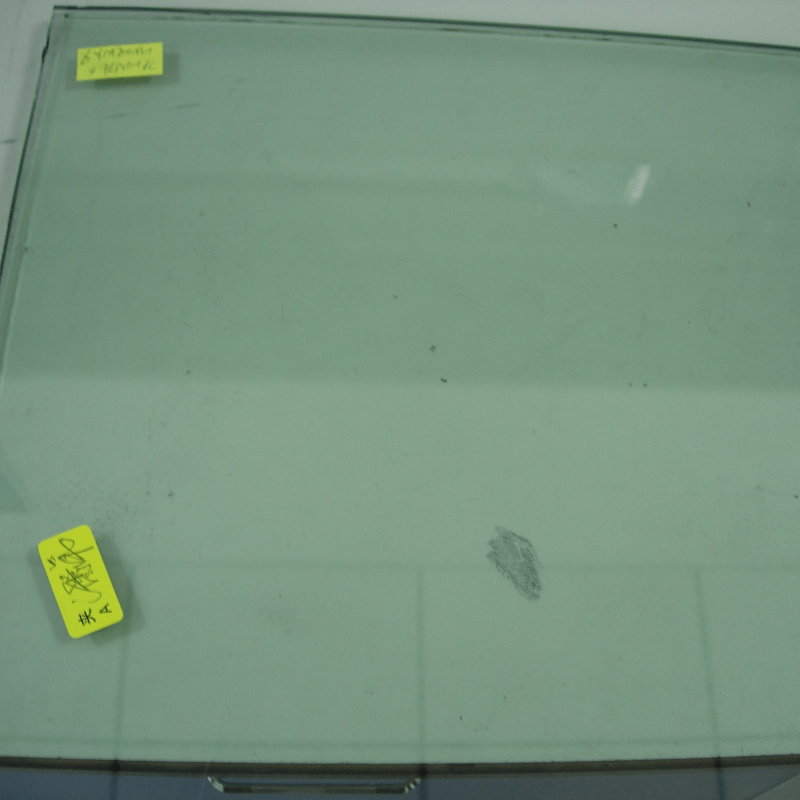
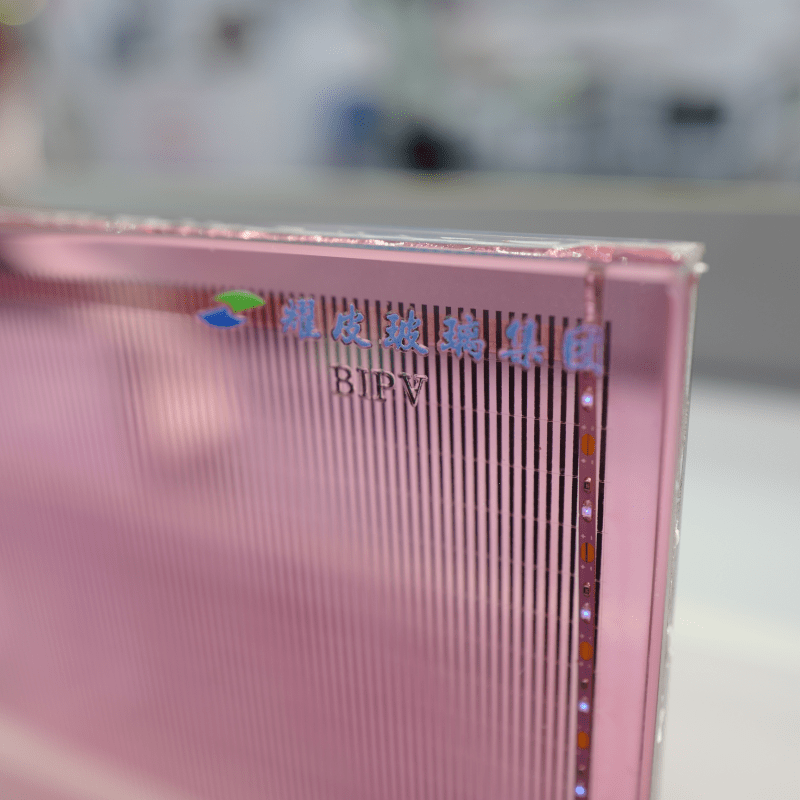
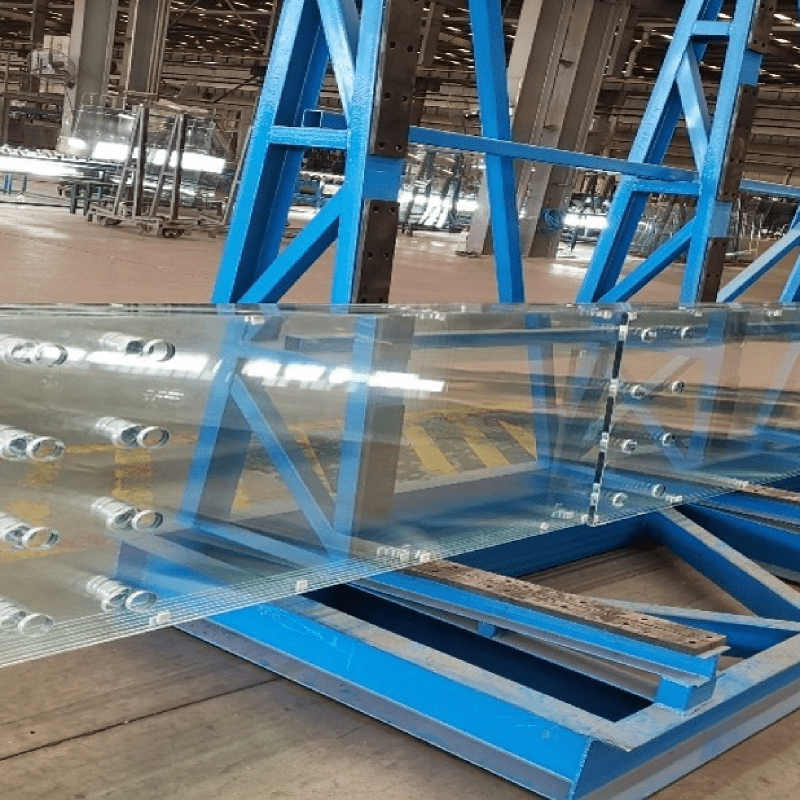
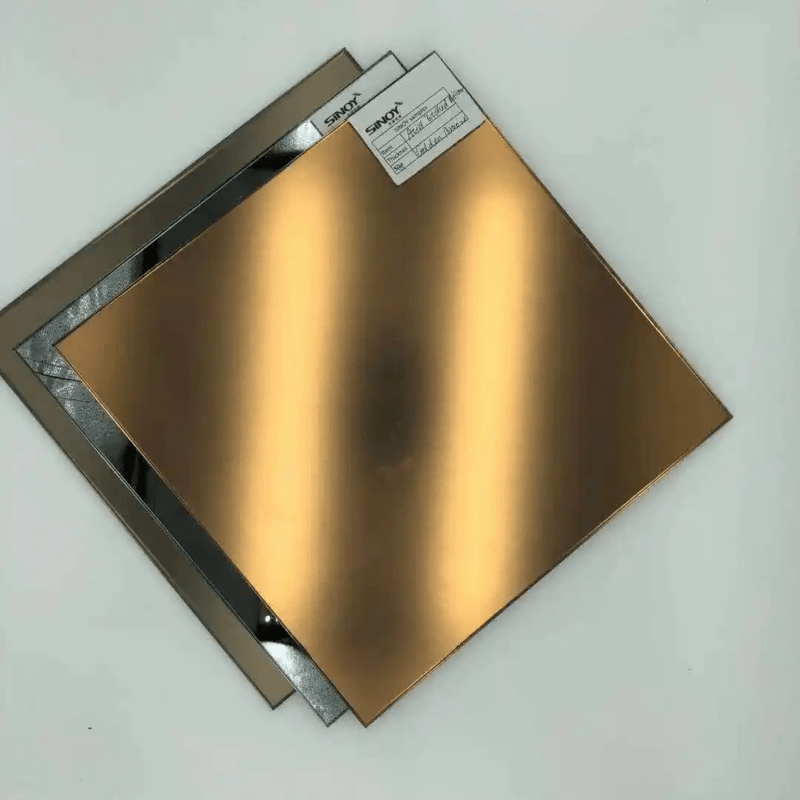
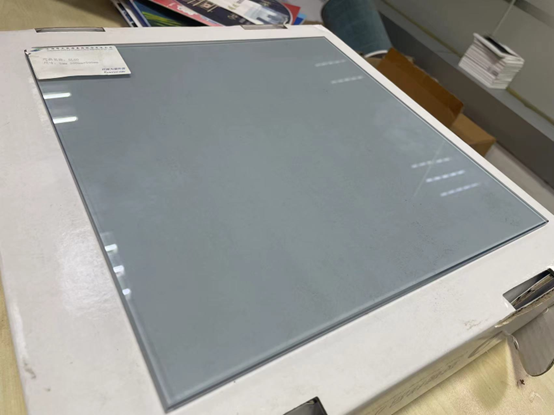
Custom auto glass represents a revolutionary approach to vehicle glazing solutions, offering tailored specifications that meet precise automotive requirements. This specialized glass manufacturing process creates windshields, side windows, and rear windows designed specifically for individual vehicle models, ensuring optimal fit, performance, and safety standards. Unlike standard replacement glass, custom auto glass undergoes meticulous engineering to match exact curvature, thickness, and dimensional specifications of original equipment manufacturer designs. The manufacturing process incorporates advanced lamination techniques, where multiple glass layers bond with specialized interlayers to create superior strength and clarity. Modern custom auto glass features sophisticated coating technologies that enhance visibility while providing protection against ultraviolet radiation, reducing interior fading and maintaining comfortable cabin temperatures. These specialized glazing solutions integrate seamlessly with vehicle electronics, accommodating antenna systems, defrosting elements, and advanced driver assistance features. The production methodology employs computer-controlled cutting systems that ensure millimeter-perfect accuracy, eliminating fitment issues commonly associated with generic alternatives. Quality control protocols involve rigorous testing procedures that verify optical clarity, structural integrity, and thermal resistance properties. Custom auto glass manufacturers utilize high-grade materials sourced from certified suppliers, ensuring consistent performance across varying environmental conditions. The tempering process subjects glass to controlled heating and cooling cycles, creating internal stress patterns that enhance impact resistance while maintaining optical precision. Installation compatibility remains paramount, with mounting points and seal channels engineered to match factory specifications exactly. This precision manufacturing approach eliminates gaps, wind noise, and water infiltration issues that compromise vehicle comfort and safety. Advanced quality assurance measures include stress analysis, optical distortion testing, and environmental exposure simulations that validate long-term performance characteristics under real-world operating conditions.

New Product Recommendations

Custom auto glass delivers exceptional performance benefits that significantly surpass generic replacement options through precision engineering and advanced manufacturing processes. Vehicle owners experience enhanced safety protection because custom glass maintains exact structural specifications required for proper airbag deployment and collision protection systems. The precise fitment eliminates dangerous gaps that compromise passenger safety during accidents, ensuring optimal energy distribution throughout the vehicle frame structure. Superior optical clarity becomes immediately apparent, as custom manufacturing processes control thickness variations and surface imperfections that cause visual distortion in standard replacement glass. This clarity enhancement reduces eye strain during extended driving periods and improves visibility during challenging weather conditions, contributing directly to safer driving experiences. Weather sealing performance excels dramatically compared to generic alternatives, as custom dimensions ensure perfect alignment with factory seal systems. Proper sealing prevents water infiltration, wind noise, and air leaks that compromise cabin comfort and potentially damage interior components over time. Energy efficiency improvements result from advanced coating technologies integrated during custom manufacturing, reducing solar heat gain and minimizing air conditioning system workload. These efficiency gains translate into measurable fuel savings and reduced environmental impact throughout vehicle ownership. Installation simplicity represents another significant advantage, as custom specifications eliminate time-consuming modifications and adjustments typically required with generic glass. Professional installers complete replacement procedures faster and with greater confidence, reducing labor costs and minimizing vehicle downtime for owners. Durability characteristics exceed industry standards through controlled manufacturing processes that optimize stress distribution and impact resistance properties. Custom auto glass withstands temperature fluctuations, road vibrations, and environmental stresses more effectively than mass-produced alternatives. Long-term value proposition becomes evident through reduced replacement frequency and maintained vehicle resale values. Insurance companies often recognize custom glass quality, potentially offering coverage advantages for vehicles equipped with premium glazing solutions. Compatibility with advanced vehicle technologies remains guaranteed, as custom manufacturing accommodates specific electronic integration requirements including rain sensors, lane departure systems, and heads-up display components. This technological compatibility ensures optimal performance of safety and convenience features that depend on precise glass specifications for proper operation.

Latest News

Solar Glass vs Regular Glass: Key Differences Explained

27

Nov

Solar Glass vs Regular Glass: Key Differences Explained

Solar Glass vs Regular Glass: Key Differences Explained The evolution of renewable energy technology has brought significant advances in materials science, particularly in the development of specialized solar glass. This advanced material plays a cru...
View More
Choosing the Right Architectural Glass: Expert Tips

27

Nov

Choosing the Right Architectural Glass: Expert Tips

Choosing the Right Architectural Glass: Expert Tips The selection of architectural glass plays a crucial role in modern building design, impacting everything from energy efficiency to aesthetic appeal. As construction technology advances, the importa...
View More
Bulletproof Glass vs Regular Glass: Key Differences

14

Jan

Bulletproof Glass vs Regular Glass: Key Differences

Security concerns in modern architecture have transformed how we approach glazing solutions, with bulletproof glass emerging as a critical component in high-risk environments. Unlike conventional glazing materials, bulletproof glass represents a soph...
View More
2026 CSP Glass Guide: Types, Benefits & Applications

04

Mar

2026 CSP Glass Guide: Types, Benefits & Applications

Concentrated solar power technology continues to revolutionize the renewable energy landscape, with csp glass serving as a critical component that determines the efficiency and longevity of solar thermal systems. As we move into 2026, understanding t...
View More

Get a Free Quote

Our representative will contact you soon.
Email
Name
Company Name
Products
Message
0/1000

custom auto glass

Precision Engineering Excellence

Precision Engineering Excellence

The foundation of superior custom auto glass lies in precision engineering excellence that sets new industry standards for automotive glazing solutions. This comprehensive approach begins with detailed analysis of original equipment specifications, where engineers utilize advanced measurement technologies to capture exact dimensional requirements down to submillimeter accuracy. Computer-aided design systems create detailed blueprints that account for every curve, angle, and mounting point specific to individual vehicle models. The engineering process incorporates stress analysis calculations that optimize glass thickness distribution, ensuring maximum strength while maintaining minimal weight characteristics. Advanced finite element modeling predicts performance under various loading conditions, from routine driving vibrations to extreme impact scenarios. Material selection involves rigorous evaluation of glass composition, considering factors such as thermal expansion coefficients, optical properties, and chemical resistance characteristics. The engineering team collaborates with automotive manufacturers to understand specific performance requirements, including integration with electronic systems, aerodynamic considerations, and aesthetic design elements. Quality control protocols establish strict tolerances that exceed industry standards, ensuring consistent performance across production batches. Temperature cycling tests verify glass stability under extreme weather conditions, while optical testing confirms distortion-free visibility across the entire viewing area. Structural integrity validation involves controlled impact testing that simulates real-world collision scenarios, ensuring proper energy absorption and crack propagation patterns. The precision engineering approach extends to edge finishing processes, where computer-controlled grinding systems create smooth, uniform edges that facilitate proper seal engagement and eliminate stress concentration points. Surface treatment applications undergo precise control to ensure uniform coating distribution and optimal adhesion characteristics. Documentation systems maintain detailed records of engineering specifications, enabling consistent reproduction of exact glass characteristics throughout product lifecycle. This meticulous engineering excellence translates into superior performance, enhanced safety, and reliable long-term operation that justifies investment in custom auto glass solutions over generic alternatives.
Advanced Safety Integration

Advanced Safety Integration

Advanced safety integration represents the cornerstone of modern custom auto glass technology, incorporating sophisticated features that actively protect vehicle occupants while supporting critical safety systems. The integration begins with structural design optimization that ensures proper load distribution during collision events, where custom glass specifications maintain precise relationships with airbag deployment systems and crumple zone engineering. Advanced lamination techniques create multi-layered glass structures that provide enhanced penetration resistance while maintaining optical clarity under normal operating conditions. The safety integration process incorporates specialized interlayer materials that control glass fragmentation patterns, preventing dangerous shard formation that could injure occupants during accidents. Temperature-resistant formulations ensure consistent performance across extreme weather conditions, from arctic cold to desert heat, maintaining structural integrity when safety systems need reliable operation. Electronic integration capabilities accommodate sophisticated sensor arrays that support lane departure warning systems, automatic emergency braking, and adaptive cruise control technologies. These sensors require precise positioning and calibration that depends on exact glass specifications to function properly. Rain sensing technology integration involves microscopic sensor embedding that detects moisture levels and automatically activates windshield wipers, enhancing visibility during adverse weather conditions. Heads-up display compatibility ensures optimal projection surfaces that minimize distortion while providing clear information display without compromising forward visibility. The safety integration extends to UV protection systems that shield occupants from harmful radiation while preventing interior material degradation that could compromise safety equipment operation. Advanced coating technologies provide enhanced visibility during challenging lighting conditions, reducing glare and improving contrast for safer driving experiences. Impact resistance enhancements utilize controlled stress patterns that direct crack propagation away from driver sight lines, maintaining visibility even when glass sustains damage. Installation safety protocols ensure proper adhesive curing and seal integrity that maintains structural performance throughout vehicle lifetime. Regular safety validation testing confirms continued compliance with evolving safety standards and regulations, ensuring custom auto glass remains at the forefront of automotive safety technology development.
Superior Durability Performance

Superior Durability Performance

Superior durability performance distinguishes custom auto glass through advanced manufacturing processes and premium materials that deliver exceptional longevity under demanding automotive environments. The durability foundation begins with carefully controlled glass composition that optimizes molecular structure for enhanced resistance to thermal stress, chemical exposure, and mechanical impact forces. Advanced tempering processes subject glass to precisely controlled heating and cooling cycles that create beneficial internal stress patterns, significantly improving impact resistance while maintaining optical clarity. The durability enhancement extends through specialized surface treatments that provide scratch resistance and easy cleaning properties, maintaining clear visibility throughout extended service periods. Environmental testing protocols subject custom auto glass to accelerated aging procedures that simulate years of exposure to ultraviolet radiation, temperature cycling, and chemical contamination in compressed timeframes. These comprehensive testing programs validate long-term performance characteristics and identify potential failure modes before products reach market distribution. Material sourcing standards require premium raw materials from certified suppliers who maintain consistent quality standards and traceability documentation. The manufacturing process incorporates quality control checkpoints at every stage, from initial material preparation through final inspection, ensuring uniform durability characteristics across production batches. Advanced edge sealing techniques prevent moisture infiltration that could compromise structural integrity or cause optical distortion over time. Coating durability receives particular attention, with multiple layer systems that provide redundant protection against environmental degradation while maintaining optimal optical properties. Thermal shock resistance testing verifies glass performance under rapid temperature changes commonly experienced in automotive applications, from heated parking areas to air-conditioned interiors. Vibration resistance validation ensures glass maintains integrity under constant road vibrations and engine-induced oscillations throughout vehicle operational lifetime. Chemical resistance testing confirms compatibility with automotive fluids, cleaning products, and atmospheric pollutants that could potentially damage glass surfaces or compromise structural properties. The superior durability performance translates into reduced replacement frequency, lower maintenance costs, and maintained vehicle value throughout ownership periods. Warranty programs reflect manufacturer confidence in durability performance, often exceeding standard industry coverage periods and providing comprehensive protection against premature failure or performance degradation.

Get a Free Quote

Our representative will contact you soon.
Email
Name
Company Name
Products
Message
0/1000
Newsletter
Contact Us