กระจกโซลาร์ที่ผ่านการเทมเปอร์
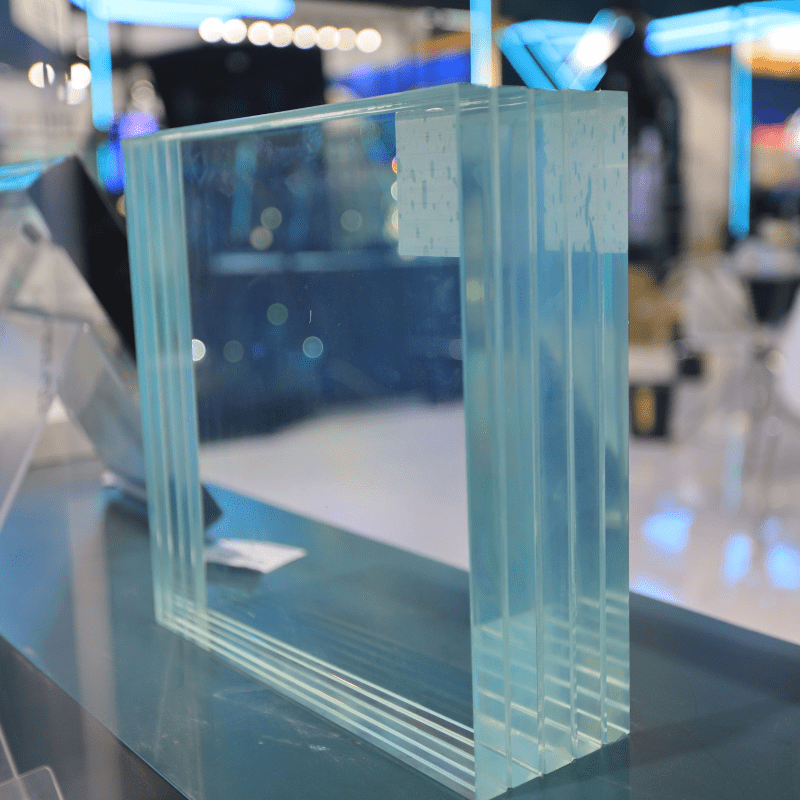
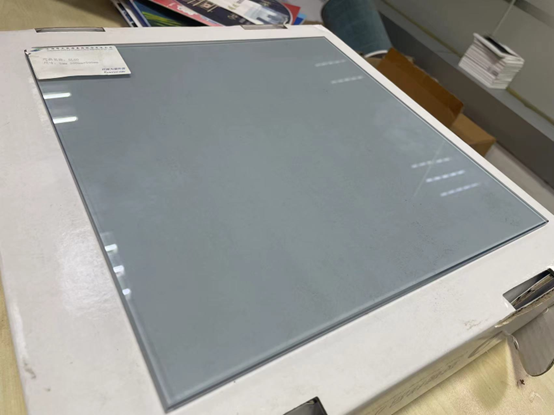
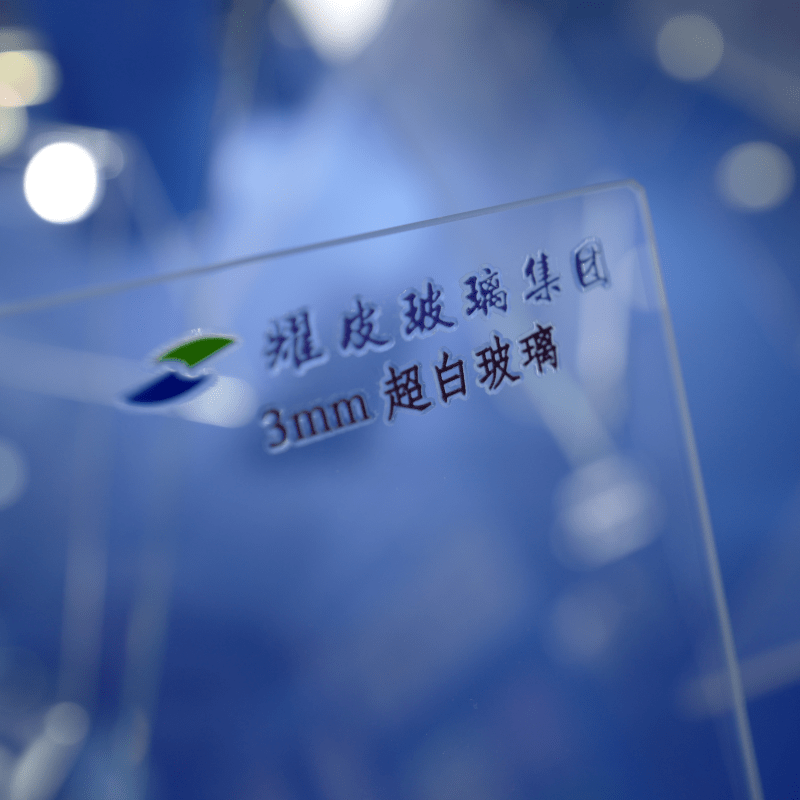
กระจกเทมเปอร์สำหรับแผงโซลาร์เซลล์ถือเป็นความก้าวหน้าอันปฏิวัติวงการในเทคโนโลยีโฟโตโวลตาอิก ทำหน้าที่เป็นชั้นป้องกันที่สำคัญยิ่งสำหรับแผงโซลาร์เซลล์ ขณะเดียวกันก็เพิ่มประสิทธิภาพในการแปลงพลังงานให้สูงสุด กระจกชนิดพิเศษนี้ผ่านกระบวนการเทมเปอร์ด้วยความร้อนอย่างเข้มงวด จนได้ผลิตภัณฑ์ที่แข็งแรงกว่ากระจกทั่วไปอย่างมาก จึงเหมาะอย่างยิ่งสำหรับการใช้งานกลางแจ้งในระบบพลังงานแสงอาทิตย์ กระจกเทมเปอร์สำหรับแผงโซลาร์เซลล์มีคุณสมบัติในการส่งผ่านแสงได้อย่างยอดเยี่ยม โดยทั่วไปมีค่าความโปร่งใสสูงกว่า 91% ซึ่งช่วยให้แสงแดดสามารถส่องผ่านไปยังเซลล์โฟโตโวลตาอิกด้านล่างได้อย่างเต็มที่ กระบวนการผลิตประกอบด้วยการให้ความร้อนแก่กระจกจนถึงอุณหภูมิประมาณ 650 องศาเซลเซียส จากนั้นจึงทำให้เย็นลงอย่างรวดเร็ว เพื่อสร้างรูปแบบความเครียดภายในที่เสริมความแข็งแรงของโครงสร้าง การรักษาด้วยความร้อนนี้ส่งผลให้กระจกเทมเปอร์สำหรับแผงโซลาร์เซลล์สามารถทนต่อสภาพอากาศสุดขั้วได้ เช่น ลูกเห็บ ลมกระโชกแรง และการเปลี่ยนแปลงอุณหภูมิอย่างรุนแรง พื้นผิวของกระจกเทมเปอร์สำหรับแผงโซลาร์เซลล์มักมีการเคลือบสารป้องกันการสะท้อนแสง (anti-reflective coating) ซึ่งช่วยเพิ่มการส่งผ่านแสงและลดการเกิดแสงสะท้อนได้อีกด้วย สารเคลือบเหล่านี้ได้รับการออกแบบอย่างแม่นยำเพื่อลดการสะท้อนจากพื้นผิวให้น้อยที่สุด ทำให้ฟอตอนสามารถผ่านกระจกเข้าไปยังเซลล์แสงอาทิตย์ได้มากขึ้น คุณสมบัติทางเทคโนโลยีของกระจกเทมเปอร์สำหรับแผงโซลาร์เซลล์ ได้แก่ ปริมาณธาตุเหล็กต่ำ ซึ่งช่วยลดสีเขียวอมเทาที่พบในกระจกทั่วไปและเพิ่มความคมชัด นอกจากนี้ กระจกชนิดนี้ยังมีความเสถียรทางเคมีสูง จึงต้านทานการเสื่อมสภาพจากปัจจัยแวดล้อมต่าง ๆ เช่น ความชื้น ไอเค็มจากทะเล และรังสีอัลตราไวโอเลต แอปพลิเคชันของกระจกเทมเปอร์สำหรับแผงโซลาร์เซลล์ไม่จำกัดอยู่เพียงแค่การติดตั้งในบ้านเรือนเท่านั้น แต่ยังครอบคลุมถึงฟาร์มพลังงานแสงอาทิตย์เชิงพาณิชย์ ระบบติดตั้งบนหลังคาโรงงานอุตสาหกรรม และอาร์เรย์ตัวรวมแสงอาทิตย์เฉพาะทางด้วย ลักษณะความทนทานของกระจกเทมเปอร์สำหรับแผงโซลาร์เซลล์ทำให้เหมาะสมกับการติดตั้งในสภาพภูมิอากาศที่รุนแรง ไม่ว่าจะเป็นเขตทะเลทรายที่มีอุณหภูมิสูงมาก หรือบริเวณชายฝั่งที่มีความชื้นสูงและได้รับผลกระทบจากเกลือ ผลิตภัณฑ์กระจกเทมเปอร์สำหรับแผงโซลาร์เซลล์รุ่นใหม่ยังมีพื้นผิวที่มีลักษณะเป็นรอยหยาบ (textured surface) ซึ่งสามารถกระจายแสงได้อย่างมีประสิทธิภาพ ช่วยลดจุดร้อน (hot spots) และยกระดับประสิทธิภาพโดยรวมของแผงในทุกมุมตกกระทบของแสงอาทิตย์ตลอดทั้งวัน

 EN
EN