Solar Photovoltaic Glass: Advanced Building-Integrated Solar Solutions for Modern Architecture

All Categories
Get a Quote

Get a Free Quote

Our representative will contact you soon.
Email
Name
Company Name
Products
Message
0/1000

solar photovoltaic glass

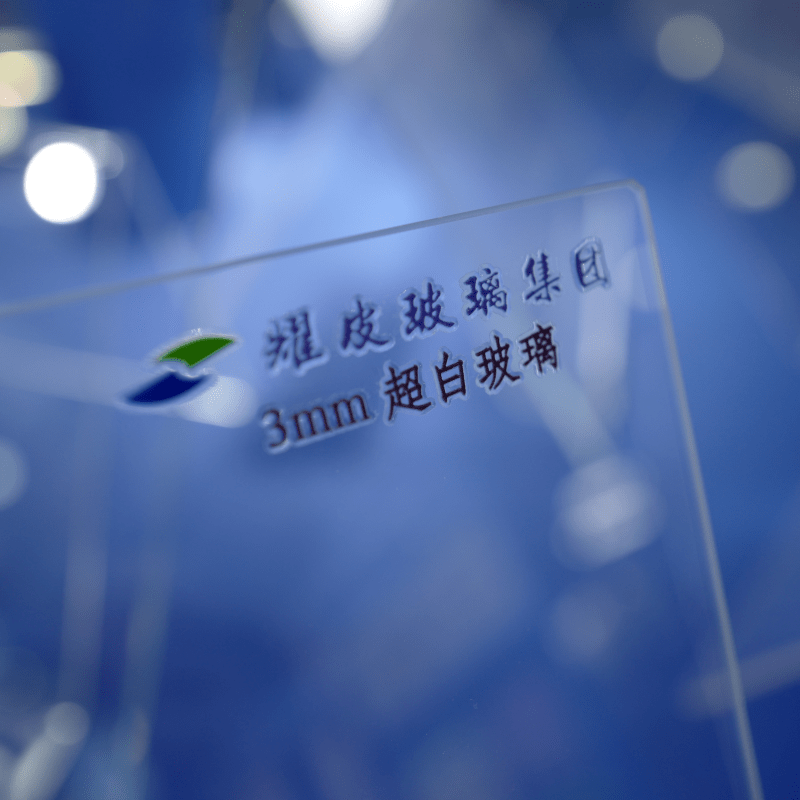
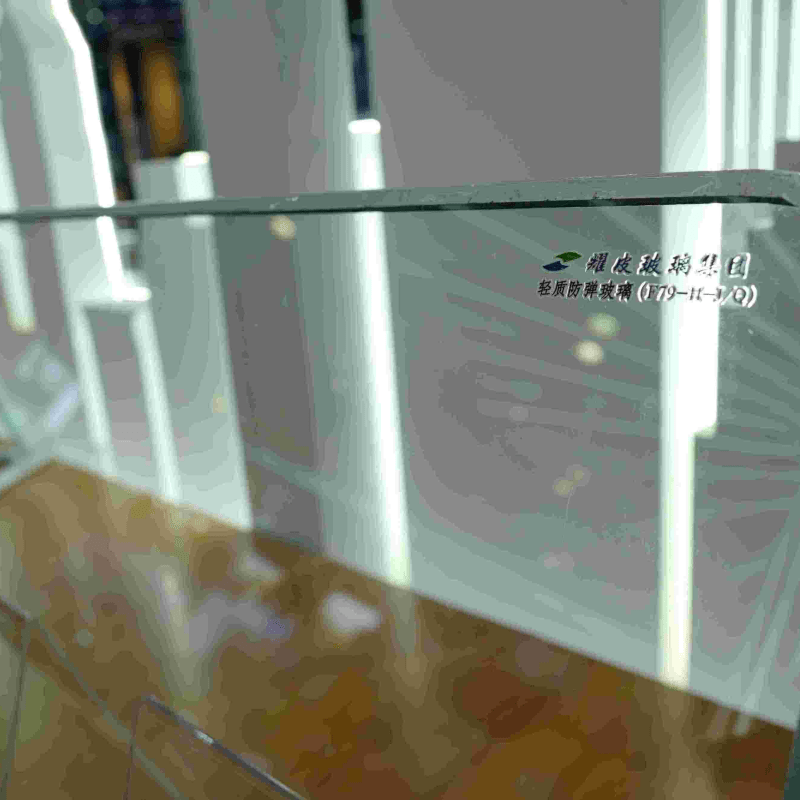
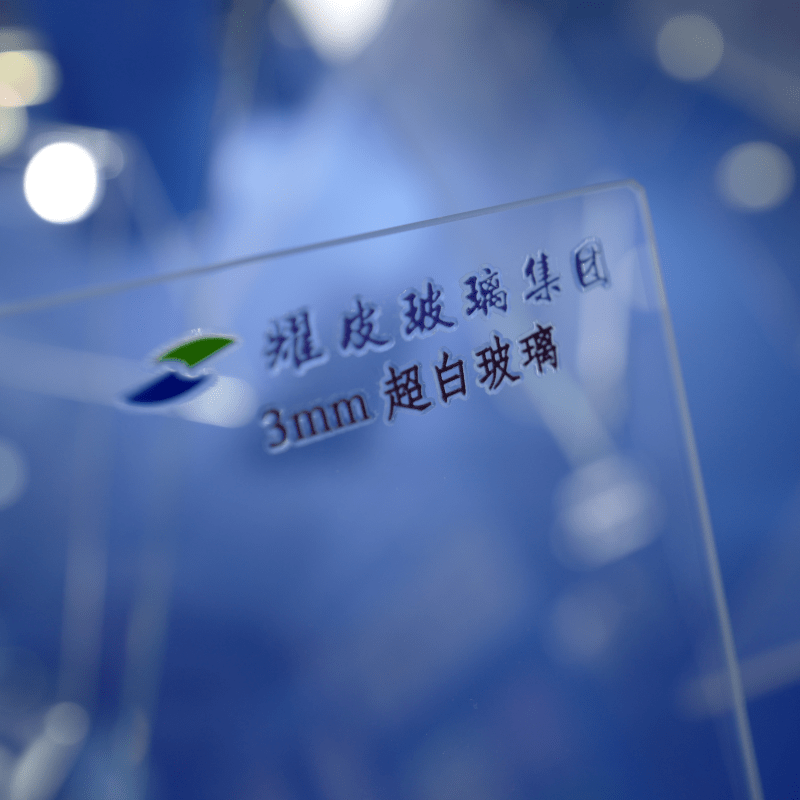
Solar photovoltaic glass represents a revolutionary advancement in renewable energy technology, seamlessly combining the functionality of traditional building materials with cutting-edge solar energy generation capabilities. This innovative material serves as both a protective barrier and an energy harvester, transforming ordinary structures into power-generating assets. The solar photovoltaic glass integrates thin-film solar cells or crystalline silicon cells directly into transparent or semi-transparent glass panels, creating a dual-purpose solution that addresses both architectural and energy needs. The main functions of solar photovoltaic glass extend beyond simple electricity generation, encompassing thermal regulation, UV protection, and weather resistance while maintaining optical clarity for natural lighting. Technologically, this glass employs advanced photovoltaic materials embedded between glass layers, utilizing sophisticated manufacturing processes that ensure durability and efficiency. The embedded solar cells capture sunlight and convert it into electrical energy through the photovoltaic effect, while the glass structure provides protection against environmental elements. Modern solar photovoltaic glass systems incorporate bypass diodes to minimize power loss from shading and feature tempered glass construction for enhanced strength and safety. Applications for solar photovoltaic glass span numerous sectors, including commercial buildings, residential properties, greenhouse agriculture, and transportation infrastructure. Building-integrated photovoltaics using this technology create energy-efficient facades, skylights, and windows that generate electricity while serving traditional architectural functions. The versatility of solar photovoltaic glass allows for customization in terms of transparency levels, colors, and sizes to meet specific design requirements. Advanced manufacturing techniques enable the production of curved and flexible panels, expanding installation possibilities across diverse architectural styles and structural configurations.

New Product Releases

Solar photovoltaic glass offers compelling advantages that make it an attractive investment for property owners seeking sustainable energy solutions. The primary benefit lies in its dual functionality, allowing buildings to generate clean electricity while maintaining essential architectural features like natural lighting and weather protection. This integration eliminates the need for separate solar installations, reducing overall project costs and complexity. The energy generation capability of solar photovoltaic glass directly translates to reduced electricity bills, with many installations achieving significant cost savings over their operational lifetime. Property owners experience immediate benefits through net metering programs, where excess electricity generated feeds back into the grid, creating additional revenue streams. The transparent nature of this technology preserves building aesthetics while contributing to LEED certification and other green building standards, potentially increasing property values. Maintenance requirements remain minimal compared to traditional solar panels, as the glass surface resists dirt accumulation and cleaning follows standard window maintenance procedures. The durability of solar photovoltaic glass exceeds conventional building materials, with most products offering 25-year performance warranties and expected lifespans extending beyond 30 years. Installation flexibility represents another significant advantage, as these panels integrate seamlessly into new construction projects or retrofit existing structures without major architectural modifications. The technology provides excellent thermal performance, reducing heating and cooling costs through improved insulation properties and solar heat gain control. Environmental benefits extend beyond carbon footprint reduction, as solar photovoltaic glass contributes to urban heat island mitigation and supports sustainable development goals. The scalability of installations allows property owners to start with smaller applications and expand their solar capacity over time, making renewable energy adoption more accessible and financially manageable. Weather resistance capabilities ensure consistent performance across diverse climatic conditions, while the embedded solar cells remain protected from physical damage and environmental degradation. These practical advantages combine to create a compelling value proposition for forward-thinking property owners and developers committed to sustainable energy solutions.

Latest News

Solar Glass Cost Guide: Prices, ROI & Installation

27

Nov

Solar Glass Cost Guide: Prices, ROI & Installation

Solar Glass Cost Guide: Prices, ROI & Installation The renewable energy sector continues to evolve, and solar glass technology stands at the forefront of this transformation. As a critical component in solar panels and building-integrated photovoltai...
View More
Cost Guide: Architectural Glass for Commercial Projects

12

Dec

Cost Guide: Architectural Glass for Commercial Projects

Commercial construction projects increasingly rely on architectural glass to create stunning facades, maximize natural light, and achieve energy efficiency goals. Understanding the cost factors associated with architectural glass installations helps ...
View More
Types of Solar Glass: A Comprehensive Comparison

12

Dec

Types of Solar Glass: A Comprehensive Comparison

Solar glass represents a revolutionary advancement in renewable energy technology, transforming how we harness and utilize solar power. This specialized glass material serves as the protective front cover for photovoltaic panels and solar thermal col...
View More
CSP Glass vs Tempered Glass: Which Is Better?

04

Mar

CSP Glass vs Tempered Glass: Which Is Better?

In the rapidly evolving world of solar energy technology, the choice of materials can significantly impact both performance and longevity of solar installations. Two primary types of glass dominate the market: csp glass and tempered glass. Understand...
View More

Get a Free Quote

Our representative will contact you soon.
Email
Name
Company Name
Products
Message
0/1000

solar photovoltaic glass

Revolutionary Building Integration Technology

Revolutionary Building Integration Technology

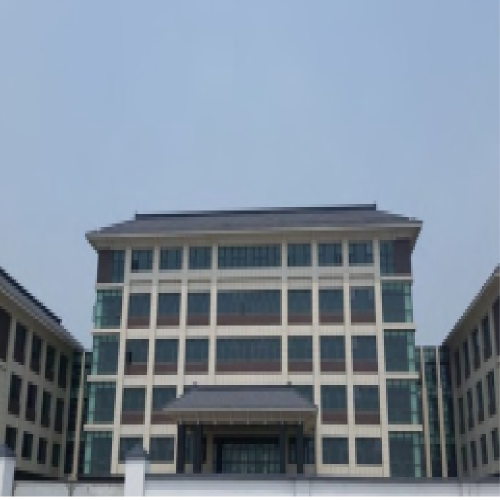
Solar photovoltaic glass represents a paradigm shift in how buildings interact with renewable energy systems, offering unprecedented integration capabilities that transform conventional structures into active energy generators. This revolutionary technology eliminates the traditional separation between building materials and energy infrastructure, creating a unified system that serves multiple functions simultaneously. The integration process involves sophisticated engineering that embeds photovoltaic cells directly within glass panels, maintaining structural integrity while enabling electricity generation. Unlike conventional solar panels that require mounting systems and dedicated roof space, solar photovoltaic glass becomes an integral part of the building envelope, replacing traditional windows, skylights, and facade elements. This seamless integration approach provides architects and designers with tremendous creative freedom, enabling the development of energy-positive buildings that maintain aesthetic appeal and functional performance. The technology supports various installation configurations, including vertical facades, sloped surfaces, and overhead applications, maximizing energy capture potential across different building orientations and designs. Advanced manufacturing processes ensure that the embedded photovoltaic elements maintain optimal performance while preserving the glass's transparency and structural characteristics. The building integration capability extends to smart building systems, where solar photovoltaic glass can connect to building management systems for real-time energy monitoring and optimization. This integration enables predictive maintenance schedules and performance analytics that maximize energy generation efficiency. The revolutionary nature of this technology lies in its ability to transform passive building surfaces into active energy contributors, fundamentally changing how structures consume and produce electricity. Property owners benefit from reduced reliance on external energy sources while maintaining the visual and functional properties they expect from traditional glazing materials. The integration technology continues evolving with advancements in smart glass features, including electrochromic capabilities that allow dynamic control over transparency and energy generation based on environmental conditions and occupant preferences.
Superior Energy Efficiency and Cost Savings

Superior Energy Efficiency and Cost Savings

Solar photovoltaic glass delivers exceptional energy efficiency that translates directly into substantial cost savings for property owners, making it one of the most economically attractive renewable energy solutions available today. The efficiency of modern solar photovoltaic glass systems ranges from 10% to 20%, depending on the specific technology and application, with continuous improvements pushing these numbers higher through ongoing research and development. This efficiency level enables significant electricity generation even in partially transparent applications, providing measurable energy output without compromising natural lighting requirements. The cost savings begin immediately upon installation, with property owners typically seeing reduced electricity bills within the first month of operation. Over the system's 25-30 year lifespan, these savings compound into substantial financial returns, often exceeding the initial investment by several times. The energy efficiency extends beyond direct electricity generation to include thermal performance benefits, as solar photovoltaic glass provides excellent insulation properties that reduce heating and cooling costs throughout the year. Smart energy management capabilities allow property owners to optimize energy consumption patterns, storing excess electricity during peak generation periods and utilizing it during high-demand times when grid electricity costs are highest. The payback period for solar photovoltaic glass installations typically ranges from 7-12 years, depending on local electricity rates, available incentives, and installation size, making it a sound long-term investment. Government incentives and tax credits further enhance the cost-effectiveness, with many jurisdictions offering rebates, feed-in tariffs, and accelerated depreciation schedules that improve project economics. The superior energy efficiency also contributes to grid stability by reducing peak demand loads and providing distributed generation that lessens transmission losses. Property owners can participate in energy trading programs, selling excess electricity back to the grid during peak demand periods when prices are highest, creating additional revenue streams that further improve investment returns.
Exceptional Durability and Weather Resistance

Exceptional Durability and Weather Resistance

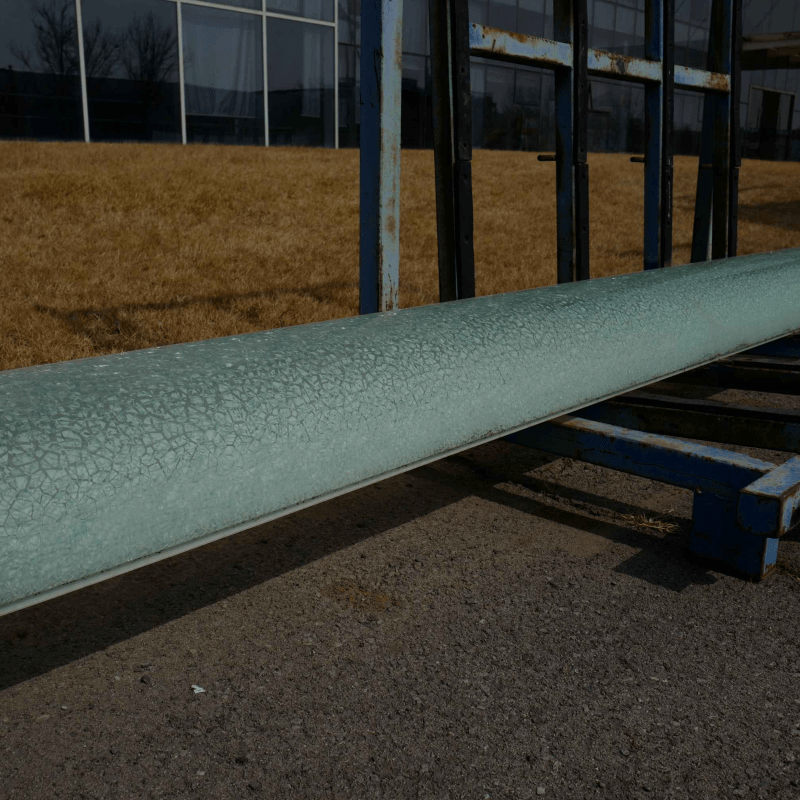
Solar photovoltaic glass demonstrates exceptional durability and weather resistance characteristics that significantly exceed those of conventional building materials, ensuring reliable long-term performance in diverse environmental conditions. The manufacturing process incorporates tempered glass construction that provides superior strength and impact resistance, with many products meeting or exceeding safety glazing requirements for commercial and residential applications. The embedded photovoltaic cells receive comprehensive protection from environmental factors including moisture, UV radiation, temperature fluctuations, and physical impacts that could compromise performance in traditional solar installations. Rigorous testing standards ensure that solar photovoltaic glass withstands extreme weather conditions, including hail impacts up to 25mm diameter, wind loads exceeding 150 mph, and temperature cycling from -40°C to +85°C without degradation. The weather resistance extends to long-term exposure conditions, with accelerated aging tests demonstrating minimal performance degradation over simulated 25-year periods. Corrosion resistance properties prevent deterioration from salt air, acid rain, and other environmental contaminants that can affect conventional materials, making this technology particularly suitable for coastal and industrial environments. The self-cleaning properties of the glass surface reduce maintenance requirements while ensuring optimal light transmission and energy generation efficiency throughout the system's operational life. Thermal stress resistance allows solar photovoltaic glass to handle rapid temperature changes without cracking or delamination, ensuring structural integrity across seasonal variations and daily thermal cycles. The exceptional durability translates to reduced maintenance costs and extended replacement intervals, providing property owners with reliable performance and predictable operating expenses. Quality control measures during manufacturing include multiple inspection points and performance testing that ensure each panel meets strict durability standards before installation. The robust construction enables installations in challenging environments where traditional solar panels might fail, expanding the potential applications for solar energy systems in previously unsuitable locations. This exceptional durability and weather resistance provide property owners with confidence in their investment, knowing that their solar photovoltaic glass installation will continue delivering reliable performance for decades while maintaining structural integrity and aesthetic appeal.

Get a Free Quote

Our representative will contact you soon.
Email
Name
Company Name
Products
Message
0/1000
Newsletter
Contact Us