Comprehensive Architectural Glass Price Guide - Features, Benefits & Cost Analysis

All Categories
Get a Quote

Get a Free Quote

Our representative will contact you soon.
Email
Name
Company Name
Products
Message
0/1000

architectural glass price

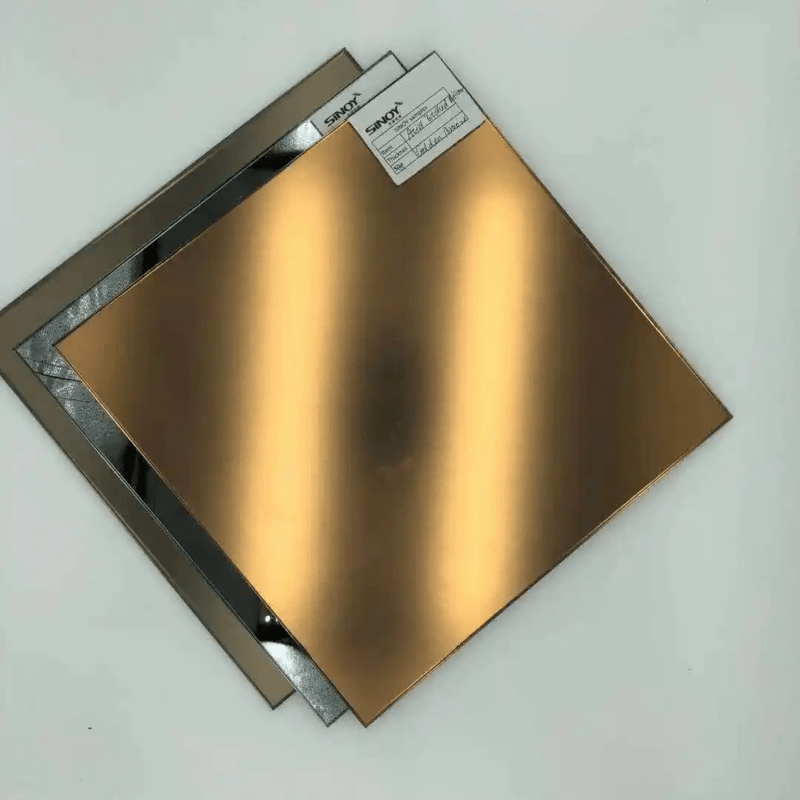
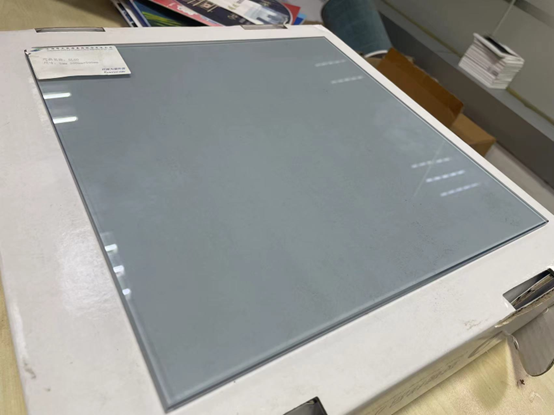
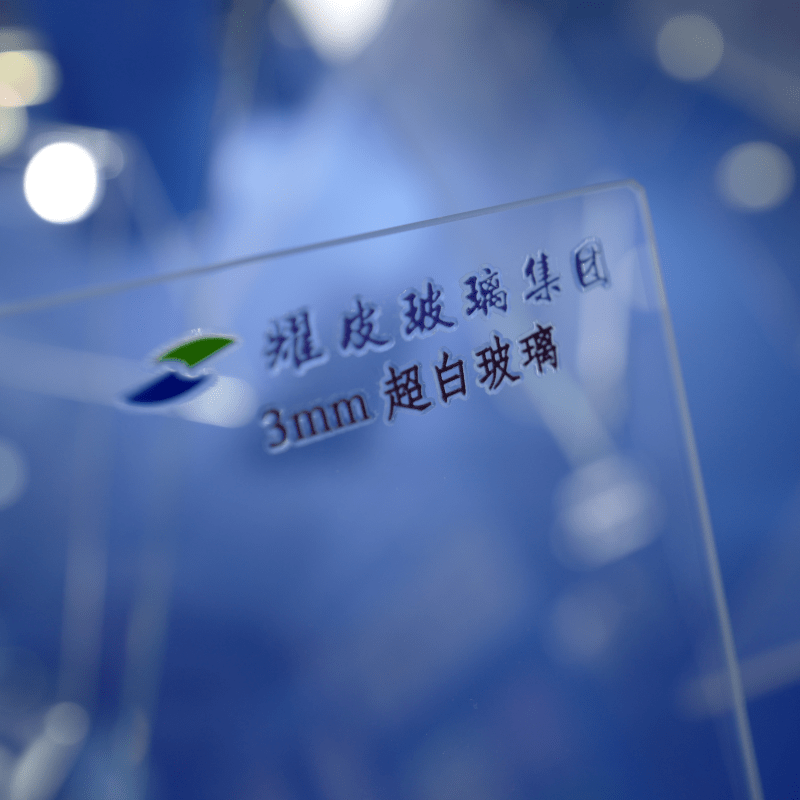
Architectural glass price represents a critical consideration in modern construction and design projects, encompassing various specialized glass products designed for building applications. Understanding architectural glass price involves examining multiple factors including glass type, manufacturing processes, installation requirements, and performance specifications. The architectural glass price varies significantly based on thickness, coating technologies, energy efficiency ratings, and customization needs. Standard architectural glass includes float glass, tempered glass, laminated glass, and insulated glass units, each with distinct architectural glass price points reflecting their manufacturing complexity and performance capabilities. Advanced architectural glass products such as low-emissivity coatings, smart glass technologies, and structural glazing systems command premium architectural glass price levels due to sophisticated production methods. The main functions of architectural glass extend beyond basic transparency to include thermal insulation, sound reduction, UV protection, and safety enhancement. Modern architectural glass incorporates cutting-edge technologies like electrochromic switching, photovoltaic integration, and self-cleaning surfaces that influence architectural glass price determination. Technological features driving architectural glass price include multi-layer constructions, gas-filled cavities, specialized coatings, and digital printing capabilities. Applications spanning residential windows, commercial curtain walls, skylight systems, and decorative installations each present unique architectural glass price considerations based on performance requirements and aesthetic specifications. The architectural glass price market reflects ongoing innovations in sustainability, energy efficiency, and smart building technologies. Professional evaluation of architectural glass price requires understanding local building codes, climate considerations, and long-term performance expectations. Factors affecting architectural glass price include raw material costs, manufacturing scale, transportation logistics, and installation complexity, making comprehensive price analysis essential for successful project planning and budgeting decisions.

Popular Products

The architectural glass price advantage becomes evident when considering long-term value propositions that extend far beyond initial investment costs. Property owners benefit from reduced energy consumption through advanced glazing technologies that regulate indoor temperatures effectively, leading to substantial utility savings that offset higher architectural glass price investments over time. Modern architectural glass solutions provide superior thermal performance, minimizing heat transfer and maintaining comfortable interior environments while reducing HVAC system workload and operational expenses. The durability characteristics inherent in quality architectural glass justify premium architectural glass price points through extended service life and minimal maintenance requirements compared to alternative building materials. Safety features integrated into contemporary architectural glass systems protect occupants through impact resistance, fire ratings, and security enhancements that provide invaluable protection benefits beyond monetary considerations. Aesthetic flexibility offered by varied architectural glass price options enables designers to achieve stunning visual effects, natural light optimization, and seamless indoor-outdoor transitions that enhance property values significantly. Sound insulation properties delivered by specialized architectural glass configurations create peaceful interior environments in urban settings, making higher architectural glass price investments worthwhile for noise-sensitive applications. Environmental benefits associated with energy-efficient architectural glass contribute to sustainable building certifications, tax incentives, and regulatory compliance that provide additional financial advantages beyond basic architectural glass price comparisons. Installation efficiency improvements in modern architectural glass systems reduce labor costs and project timelines, making competitive architectural glass price points more attractive when considering total project economics. Warranty coverage typically accompanying quality architectural glass products provides peace of mind and protection against defects, ensuring architectural glass price investments deliver expected performance throughout extended service periods. Technological integration capabilities allow architectural glass to accommodate future building automation systems, smart controls, and renewable energy components, making current architectural glass price decisions strategic investments in adaptable building infrastructure that maintains relevance and functionality as technology evolves.

Tips And Tricks

Solar Glass vs Regular Glass: Key Differences Explained

27

Nov

Solar Glass vs Regular Glass: Key Differences Explained

Solar Glass vs Regular Glass: Key Differences Explained The evolution of renewable energy technology has brought significant advances in materials science, particularly in the development of specialized solar glass. This advanced material plays a cru...
View More
Comparing Different Coated Glass Options for Your Home

04

Mar

Comparing Different Coated Glass Options for Your Home

Selecting the right coated glass for your home can significantly impact energy efficiency, comfort levels, and long-term utility costs. Modern architectural glazing solutions have evolved beyond basic clear glass, offering homeowners sophisticated co...
View More
Smart Coated Glass: The Future of Building Design

04

Mar

Smart Coated Glass: The Future of Building Design

Modern architecture demands materials that combine aesthetic appeal with superior performance, and coated glass has emerged as the cornerstone of contemporary building design. This advanced glazing technology represents a revolutionary approach to en...
View More
2026 CSP Glass Guide: Types, Benefits & Applications

04

Mar

2026 CSP Glass Guide: Types, Benefits & Applications

Concentrated solar power technology continues to revolutionize the renewable energy landscape, with csp glass serving as a critical component that determines the efficiency and longevity of solar thermal systems. As we move into 2026, understanding t...
View More

Get a Free Quote

Our representative will contact you soon.
Email
Name
Company Name
Products
Message
0/1000

architectural glass price

Cost-Effectiveness Through Energy Efficiency

Cost-Effectiveness Through Energy Efficiency

The architectural glass price investment delivers exceptional cost-effectiveness through advanced energy efficiency technologies that dramatically reduce operational expenses over building lifecycles. Modern architectural glass incorporates low-emissivity coatings, multiple glazing layers, and inert gas fills that create superior thermal barriers, minimizing heat transfer and reducing HVAC system demands significantly. These energy-saving features justify premium architectural glass price points through quantifiable utility cost reductions that compound annually, often recovering initial investments within five to seven years depending on climate conditions and energy rates. Specialized architectural glass configurations can achieve U-values as low as 0.15 BTU per hour per square foot per degree Fahrenheit, representing thermal performance levels that exceed traditional building materials by substantial margins. The architectural glass price structure reflects sophisticated manufacturing processes that produce these high-performance characteristics, including precision coating applications, controlled atmosphere assembly, and quality testing protocols ensuring consistent energy efficiency ratings. Property owners benefit from reduced carbon footprints and enhanced sustainability credentials through energy-efficient architectural glass installations, supporting corporate environmental goals and regulatory compliance requirements increasingly demanded in commercial markets. Advanced architectural glass technologies also provide solar heat gain control, allowing natural light penetration while rejecting unwanted thermal energy during peak cooling seasons, optimizing indoor comfort levels and reducing mechanical system cycling. The architectural glass price consideration extends to maintenance cost savings, as modern glazing systems require minimal cleaning and virtually no component replacement over decades of service, contrasting favorably with alternative building envelope materials requiring regular maintenance interventions. Long-term value propositions associated with energy-efficient architectural glass include increased property values, enhanced marketability, and improved tenant satisfaction levels in commercial applications, making strategic architectural glass price investments beneficial for portfolio performance and competitive positioning in sustainable building markets.
Advanced Safety and Security Features

Advanced Safety and Security Features

Contemporary architectural glass price structures reflect comprehensive safety and security features that provide invaluable protection benefits extending far beyond basic transparency functions. Laminated architectural glass configurations incorporate polyvinyl butyral interlayers that maintain structural integrity even when impacted, preventing dangerous glass fragmentation while maintaining barrier properties essential for occupant protection. These safety characteristics justify premium architectural glass price levels through reduced liability exposure, insurance cost savings, and regulatory compliance achievements that benefit property owners substantially. Tempered architectural glass processing creates surface compression that increases impact resistance by four to five times compared to standard glass, making architectural glass price investments worthwhile for applications requiring enhanced safety performance. Security-enhanced architectural glass options include multiple laminated layers, polycarbonate integration, and specialized framing systems that resist forced entry attempts, protecting valuable assets and providing peace of mind for commercial and residential applications. The architectural glass price range accommodates various security levels from basic safety glazing to bullet-resistant configurations meeting specific threat assessment requirements for high-risk facilities. Fire-rated architectural glass systems maintain barrier integrity during emergency situations, providing crucial egress time and property protection that validates higher architectural glass price points through life safety value propositions. Impact-resistant architectural glass designed for hurricane and severe weather applications incorporates reinforced constructions that protect buildings from wind-borne debris, preventing catastrophic interior damage and maintaining structural envelope integrity during extreme weather events. The architectural glass price analysis must consider insurance premium reductions available for properties incorporating enhanced safety and security glazing systems, as many carriers offer discounts recognizing reduced risk profiles associated with protective architectural glass installations. Professional architectural glass installations meeting rigorous safety standards provide liability protection for building owners while ensuring compliance with evolving building codes and occupational safety regulations, making quality architectural glass price investments essential for responsible property management and risk mitigation strategies.
Aesthetic Versatility and Design Innovation

Aesthetic Versatility and Design Innovation

The architectural glass price spectrum encompasses remarkable aesthetic versatility that enables unlimited design possibilities while delivering functional performance requirements simultaneously. Creative architectural glass applications range from crystal-clear transparency to sophisticated color variations, textural treatments, and digital imagery integration that transform building facades into artistic expressions reflecting brand identity and architectural vision. Premium architectural glass price categories include specialized manufacturing techniques such as ceramic frit printing, acid etching, sandblasting, and embedded materials that create unique visual effects impossible to achieve with conventional building materials. Structural glazing systems supported by competitive architectural glass price points eliminate visible framing elements, creating seamless glass surfaces that maximize natural light penetration while maintaining clean, contemporary aesthetics highly valued in modern architectural design. The architectural glass price range accommodates custom fabrication requirements including curved surfaces, complex geometries, and oversized panels that enable architects to realize innovative design concepts without compromising performance specifications. Smart glass technologies available at various architectural glass price levels provide dynamic opacity control, allowing instantaneous privacy adjustments while maintaining architectural elegance and reducing dependence on mechanical shading systems. Color-changing architectural glass options incorporate thermochromic and photochromic technologies that respond to environmental conditions, creating interactive facades that adapt to lighting conditions while maintaining consistent architectural glass price value propositions. Decorative architectural glass treatments including beveled edges, textured surfaces, and artistic patterns enable designers to create stunning visual focal points that enhance property aesthetics and market appeal significantly. The architectural glass price consideration extends to maintenance of aesthetic qualities over time, as modern glazing systems resist staining, scratching, and degradation that compromise appearance in traditional materials, ensuring sustained visual impact throughout extended service periods. Integration capabilities allowing architectural glass to accommodate lighting systems, signage elements, and multimedia displays provide additional design flexibility that justifies strategic architectural glass price investments for projects requiring multifunctional building envelope solutions that combine beauty, performance, and technological sophistication seamlessly.

Get a Free Quote

Our representative will contact you soon.
Email
Name
Company Name
Products
Message
0/1000
Newsletter
Contact Us