
 EN
EN
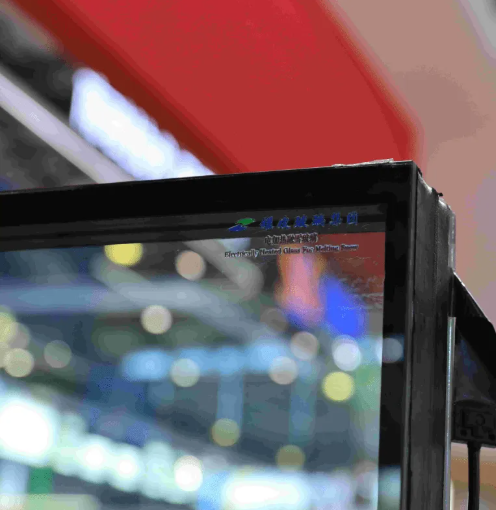
As condições climáticas influenciam significativamente a seleção e a aplicação de vidro arquitetônico no projeto de edifícios modernos. Desde ambientes desérticos escaldantes até regiões árticas geladas, cada zona climática apresenta desafios únicos que exigem uma consideração cuidadosa das características de desempenho do vidro. Compreender como diferentes tipos de vidro reagem às variações de temperatura, aos níveis de umidade e às tensões ambientais é essencial para arquitetos, engenheiros e profissionais da construção que buscam um desempenho ideal do edifício.
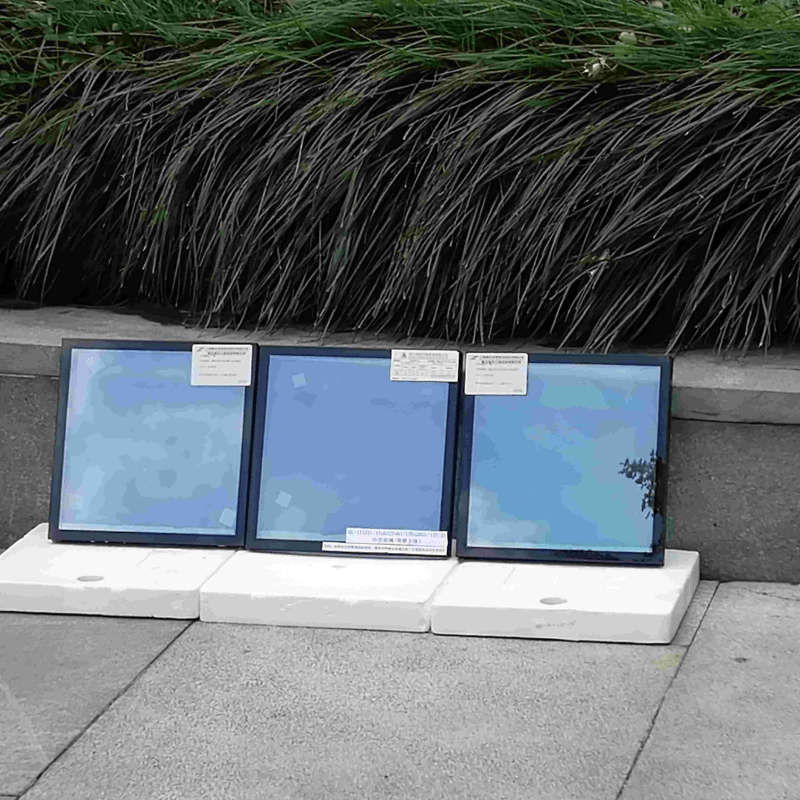
A relação entre clima e desempenho do vidro arquitetônico vai além de simples considerações térmicas. Fatores como intensidade da radiação solar, padrões de vento, níveis de precipitação e flutuações sazonais de temperatura desempenham papéis cruciais na determinação das soluções de vidro mais adequadas para localidades geográficas específicas. As tecnologias modernas de vidro arquitetônico oferecem soluções sofisticadas capazes de se adaptar a diversas condições ambientais, mantendo ao mesmo tempo o apelo estético e os requisitos funcionais.
A implementação bem-sucedida de estratégias de vidro arquitetônico adequadas ao clima exige uma compreensão abrangente dos padrões meteorológicos locais, da orientação do edifício e dos cenários de uso pretendidos. Esse conhecimento permite que os projetistas otimizem a eficiência energética, o conforto dos ocupantes e a integridade estrutural a longo prazo, ao mesmo tempo que atendem a rigorosos padrões de desempenho e aos requisitos regulatórios.
Compreensão dos Requisitos de Desempenho do Vidro Específicos ao Clima
Características de Desempenho Térmico
O desempenho térmico representa um dos aspectos mais críticos na seleção de vidros arquitetônicos em diferentes zonas climáticas. Em climas quentes, o vidro arquitetônico deve bloquear eficazmente o ganho excessivo de calor solar, ao mesmo tempo que mantém níveis adequados de iluminação natural. Revestimentos de baixa emissividade e tecnologias especializadas de coloração ajudam a reduzir as cargas de refrigeração e a melhorar as condições de conforto interno. Esses sistemas avançados de vidro podem alcançar índices notáveis de eficiência térmica, preservando ao mesmo tempo a clareza visual e o apelo estético.
Aplicações em climas frios exigem soluções de vidro arquitetônico que minimizem as perdas de calor, ao mesmo tempo que maximizem o ganho solar durante os meses de inverno. Unidades triplos com enchimento de gás argônio ou criptônio oferecem valores superiores de isolamento em comparação com as alternativas tradicionais de duplo vidro. Sistemas de espaçadores de borda aquecida e perfis termicamente interrompidos complementam as unidades de vidro de alto desempenho para criar sistemas abrangentes de barreira térmica que reduzem o consumo de energia e os riscos de condensação.
Gestão de Umidade e Humidade
O controle da umidade representa outra consideração crucial nas aplicações de vidro arquitetônico, especialmente em ambientes costeiros e tropicais. Selantes de alta qualidade e materiais dessecantes incorporados às unidades de vidro isolado impedem a infiltração de umidade, que poderia comprometer a clareza óptica e a integridade estrutural. Tecnologias avançadas de barreira contra vapor protegem contra a formação de condensação, mantendo excelentes características de desempenho térmico.
Um projeto adequado de drenagem e sistemas de ventilação complementam as instalações de vidro arquitetônico em climas úmidos. Orifícios de drenagem (weep holes), câmaras de equalização de pressão e técnicas de envidraçamento estrutural garantem confiabilidade de desempenho a longo prazo, mesmo sob condições desafiadoras de umidade. Essas abordagens integradas ajudam a prevenir problemas comuns, como falha de vedação, corrosão do caixilho e condensação interna.
Aplicações e Soluções por Clima Regional
Estratégias para Climas Quentes e Áridos
Regiões com clima desértico e árido apresentam desafios únicos para aplicações de vidro arquitetônico devido às variações extremas de temperatura e à intensa exposição à radiação solar. Revestimentos reflexivos de alto desempenho e películas de controle solar ajudam a gerenciar o ganho de calor, mantendo ao mesmo tempo conexões visuais com os ambientes externos. Esses tratamentos especializados podem reduzir os requisitos de energia para refrigeração em até quarenta por cento em comparação com instalações de vidro transparente padrão.
As tecnologias de vidro dinâmico oferecem soluções avançadas para aplicações em climas extremamente quentes. Os sistemas de vidro arquitetônico eletrocromático e termocromático ajustam automaticamente suas propriedades de transmissão solar com base nas condições ambientais, proporcionando conforto e eficiência energética ideais ao longo dos ciclos diários de temperatura. Essas tecnologias de vidro inteligente integram-se perfeitamente aos sistemas de automação predial para otimização aprimorada do desempenho.
Implementação em Clima Frio
As aplicações de vidro arquitetônico em climas frios priorizam a retenção térmica e a prevenção da condensação, ao mesmo tempo que maximizam o ganho útil de calor solar. Unidades de vidro superisolantes com valores U inferiores a 0,20 W/m²K oferecem um desempenho térmico excepcional para condições extremamente frias. Esses sistemas avançados incorporam múltiplos revestimentos de baixa emissividade e enchimentos gasosos especializados para alcançar propriedades isolantes superiores sem comprometer a qualidade óptica.
As considerações estruturais tornam-se cada vez mais importantes em aplicações em climas frios, onde as diferenças de temperatura podem ultrapassar sessenta graus Celsius entre as condições internas e externas. Vidro Arquitetônico os sistemas devem acomodar a expansão e contração térmicas, mantendo ao mesmo tempo vedação contra intempéries e integridade estrutural. Materiais avançados para caixilhos e técnicas de instalação garantem desempenho confiável ao longo de ciclos extremos de temperatura.
Considerações para Climas Tropicais e Úmidos
Tecnologias de Controle de Umidade
Aplicações em clima tropical exigem soluções especializadas de vidro arquitetônico que abordem níveis elevados de umidade e precipitação frequente. Sistemas de vidro laminado com intercamadas resistentes à umidade proporcionam maior durabilidade e desempenho em segurança em condições ambientais desafiadoras. Esses sistemas compostos resistem à deslaminação e mantêm a clareza óptica mesmo sob exposição prolongada a níveis elevados de umidade.
O projeto de drenagem e ventilação torna-se um fator crítico nas instalações de vidro arquitetônico em regiões tropicais. Sistemas de fachada envidraçada adequadamente projetados incorporam princípios de equalização de pressão que impedem a infiltração de água, ao mesmo tempo que permitem uma circulação controlada de ar. Vedação meteorológica avançada e sistemas de juntas garantem vedação confiável sem comprometer os requisitos de desempenho térmico ou flexibilidade estrutural.
Estratégias de Prevenção contra Corrosão
Ambientes com ar salino e alta umidade aceleram os processos de corrosão que podem comprometer, ao longo do tempo, o desempenho dos sistemas de vidro arquitetônico. Ferragens em aço inoxidável, perfis de alumínio anodizado e revestimentos protetores ajudam a resistir à degradação em condições costeiras severas. Protocolos regulares de manutenção e procedimentos de inspeção asseguram a confiabilidade a longo prazo do sistema e a otimização de seu desempenho.
A prevenção da corrosão galvânica exige uma seleção cuidadosa de materiais e uma avaliação de sua compatibilidade em aplicações arquitetônicas de vidro em regiões tropicais. Técnicas de isolamento, ânodos de sacrifício e barreiras protetoras ajudam a evitar reações eletroquímicas que poderiam danificar componentes estruturais e comprometer a integridade do sistema. Essas medidas preventivas prolongam significativamente a vida útil e reduzem os requisitos de manutenção em ambientes desafiadores.
Otimização para Clima Temperado
Equilíbrio de Desempenho Sazonal
Zonas de clima temperado exigem soluções em vidro arquitetônico que otimizem o desempenho em diversas condições sazonais. Capacidades variáveis de controle solar ajudam a gerenciar diferentes ângulos e níveis de intensidade solar ao longo do ano, mantendo condições internas de conforto consistentes. Sistemas avançados de envidraçamento podem ajustar automaticamente suas propriedades para oferecer desempenho ideal tanto nas estações de aquecimento quanto de refrigeração.
Estratégias de integração de massa térmica complementam instalações de vidro arquitetônico em climas temperados, proporcionando capacidades naturais de regulação térmica. Materiais de mudança de fase e sistemas de armazenamento térmico atuam de forma sinérgica com envidraçamentos de alto desempenho para reduzir o consumo energético e melhorar o conforto dos ocupantes ao longo das variações sazonais.
Maximização da Eficiência Energética
A conformidade com os códigos de energia e os requisitos de certificação de edifícios sustentáveis orientam a seleção de vidros arquitetônicos em muitas aplicações em climas temperados. Sistemas avançados de envidraçamento podem alcançar classificações de desempenho excepcionais, ao mesmo tempo que atendem a rigorosos requisitos térmicos, ópticos e acústicos. Essas soluções de alta eficiência frequentemente se qualificam para reembolsos energéticos e programas de incentivos que compensam os custos iniciais de investimento.
A otimização da iluminação natural representa um benefício fundamental de sistemas de vidro arquitetônico adequadamente especificados em climas temperados. Sistemas automatizados de sombreamento, tecnologias de redirecionamento de luz e soluções de controle de ofuscamento maximizam a iluminação natural, ao mesmo tempo que evitam desconforto visual e ganho excessivo de calor. Essas abordagens integradas podem reduzir substancialmente o consumo de energia para iluminação artificial, melhorando simultaneamente a produtividade e a satisfação no local de trabalho.
Melhores Práticas para Instalação e Manutenção
Técnicas de Instalação Específicas para Cada Clima
As técnicas adequadas de instalação variam significativamente conforme as condições climáticas e os fatores ambientais locais. As instalações em clima quente exigem atenção cuidadosa à acomodação da dilatação térmica e à proteção contra raios UV para selantes e juntas. Procedimentos especializados de instalação garantem desempenho ideal e longevidade em condições ambientais desafiadoras, mantendo a cobertura da garantia e as garantias de desempenho.
A instalação de vidros arquitetônicos em clima frio exige atenção particular à prevenção de pontes térmicas e às técnicas de vedação ao ar. Estratégias de isolamento contínuo, barreiras contra vapor e sistemas de ruptura térmica contribuem para um desempenho energético superior, ao mesmo tempo que evitam condensação e problemas de qualidade do ar interior. Equipes profissionais de instalação devem possuir conhecimentos especializados e equipamentos adequados para assegurar o desempenho correto do sistema em condições extremas de frio.
Protocolos de Manutenção Preventiva
Programas regulares de manutenção ajudam a preservar as características de desempenho do vidro arquitetônico em diversas condições climáticas. Os procedimentos de limpeza, a inspeção das juntas e os requisitos de lubrificação dos componentes mecânicos variam conforme a exposição ambiental e a complexidade do sistema. Programas abrangentes de manutenção podem prolongar a vida útil do sistema, mantendo simultaneamente a eficiência energética ideal e a aparência estética.
Sistemas de monitoramento de desempenho fornecem dados valiosos para otimizar a operação dos sistemas de vidro arquitetônico e identificar possíveis problemas antes que se transformem em falhas onerosas. Sensores inteligentes, controles automatizados e capacidades de monitoramento remoto permitem estratégias proativas de manutenção que minimizam o tempo de inatividade e maximizam a confiabilidade do sistema sob condições climáticas variáveis.
Perguntas Frequentes
Como o desempenho do vidro arquitetônico difere entre climas quentes e frios?
Os requisitos de desempenho do vidro arquitetônico variam drasticamente entre climas quentes e frios, devido a diferentes prioridades de gestão térmica. Em climas quentes, prioriza-se a redução do ganho de calor solar e o controle do ofuscamento, enquanto em climas frios o foco está na retenção térmica e na maximização do ganho solar benéfico. As tecnologias de revestimento, os gases de enchimento e os sistemas de caixilhos devem ser otimizados para as condições climáticas específicas, a fim de alcançar eficiência energética ideal e níveis ótimos de conforto dos ocupantes.
Quais considerações de manutenção são específicas para instalações de vidro arquitetônico em climas úmidos
Ambientes com clima úmido exigem atenção reforçada à integridade das vedações, aos sistemas de drenagem e à prevenção da corrosão em aplicações de vidro arquitetônico. A inspeção regular de borrachas de vedação, juntas e componentes do caixilho ajuda a identificar pontos potenciais de infiltração de umidade antes que danos ocorram. Procedimentos especializados de limpeza e tratamentos protetores contribuem para manter a clareza óptica e a integridade estrutural em condições úmidas desafiadoras, ao mesmo tempo que prolongam a vida útil total do sistema.
Os sistemas de vidro arquitetônico podem adaptar-se automaticamente às condições climáticas variáveis?
Tecnologias avançadas de vidro arquitetônico, incluindo sistemas eletrocromáticos e termocromáticos, podem ajustar automaticamente suas propriedades com base nas condições ambientais, como temperatura, intensidade solar e níveis de luz diurna. Essas soluções inteligentes de vidro integram-se a sistemas de automação predial para oferecer desempenho ideal em diversas condições climáticas, sem intervenção manual. Os sistemas dinâmicos de vidro arquitetônico proporcionam economia significativa de energia e melhorias no conforto, comparados às alternativas estáticas de envidraçamento.
Quais fatores determinam a seleção ideal de vidro arquitetônico para regiões de clima misto
Regiões de clima variado exigem soluções em vidro arquitetônico que equilibrem requisitos de desempenho conflitantes ao longo das variações sazonais. Fatores como faixas anuais de temperatura, níveis de umidade, padrões de exposição solar e códigos locais de energia influenciam a seleção ideal do vidro. A modelagem de desempenho multiestacional e a análise de custo do ciclo de vida ajudam a identificar sistemas de vidro arquitetônico que oferecem valor superior e desempenho em diversas condições climáticas ao longo de sua vida útil operacional.
Índice
- Compreensão dos Requisitos de Desempenho do Vidro Específicos ao Clima
- Aplicações e Soluções por Clima Regional
- Considerações para Climas Tropicais e Úmidos
- Otimização para Clima Temperado
- Melhores Práticas para Instalação e Manutenção
-
Perguntas Frequentes
- Como o desempenho do vidro arquitetônico difere entre climas quentes e frios?
- Quais considerações de manutenção são específicas para instalações de vidro arquitetônico em climas úmidos
- Os sistemas de vidro arquitetônico podem adaptar-se automaticamente às condições climáticas variáveis?
- Quais fatores determinam a seleção ideal de vidro arquitetônico para regiões de clima misto