Architectural Laminated Glass: Superior Safety, Acoustic Control & Energy Efficiency Solutions

All Categories
Get a Quote

Get a Free Quote

Our representative will contact you soon.
Email
Name
Company Name
Products
Message
0/1000

architectural laminated glass

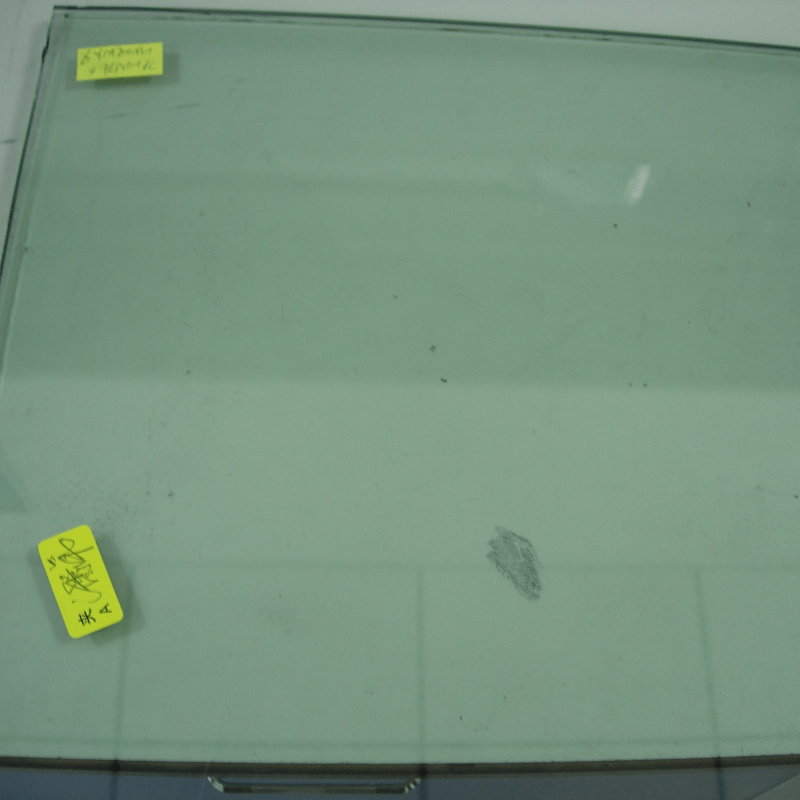
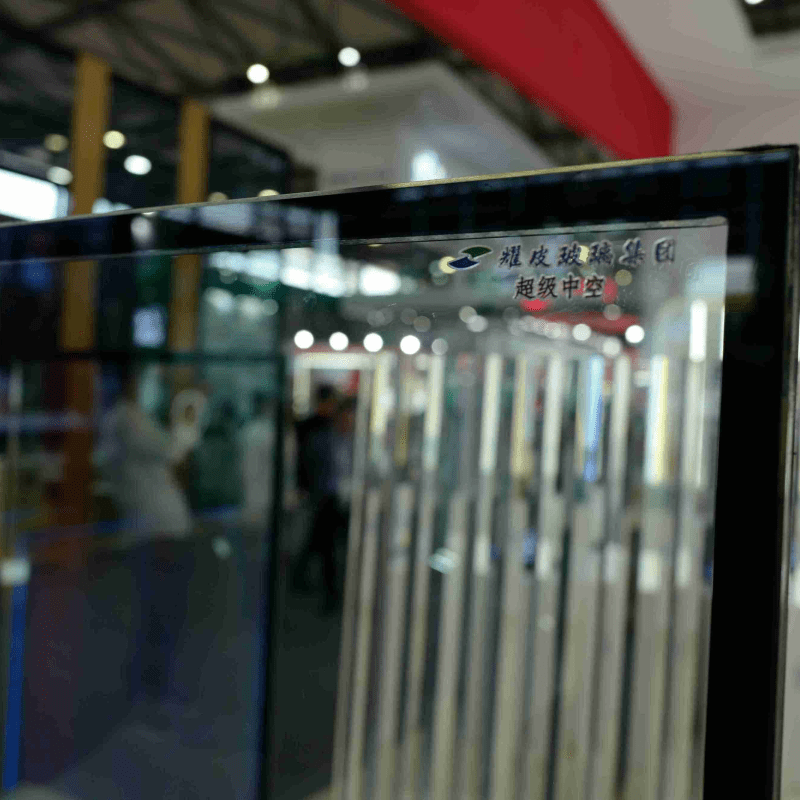
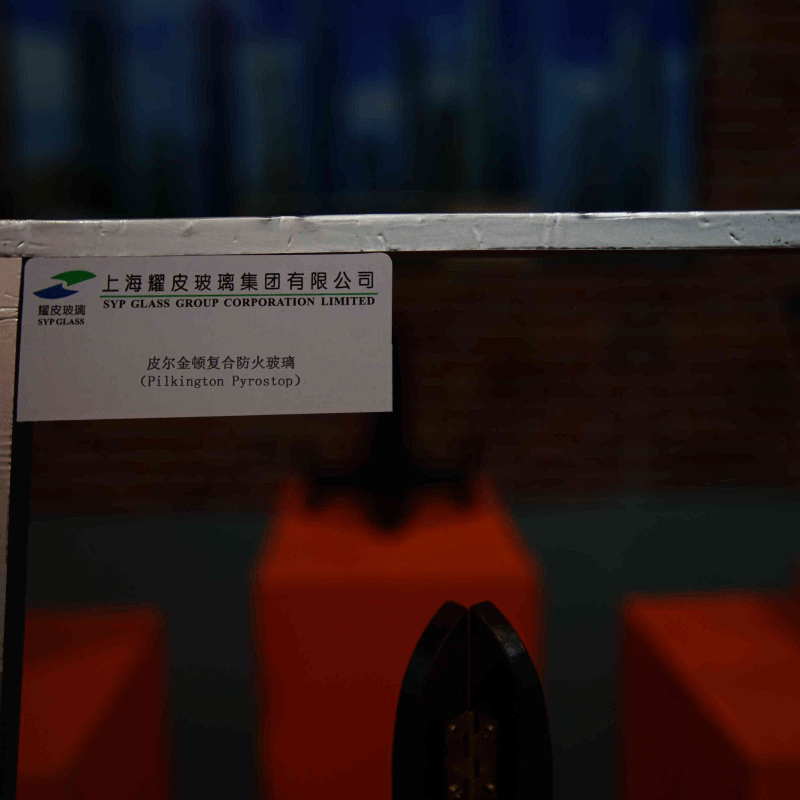
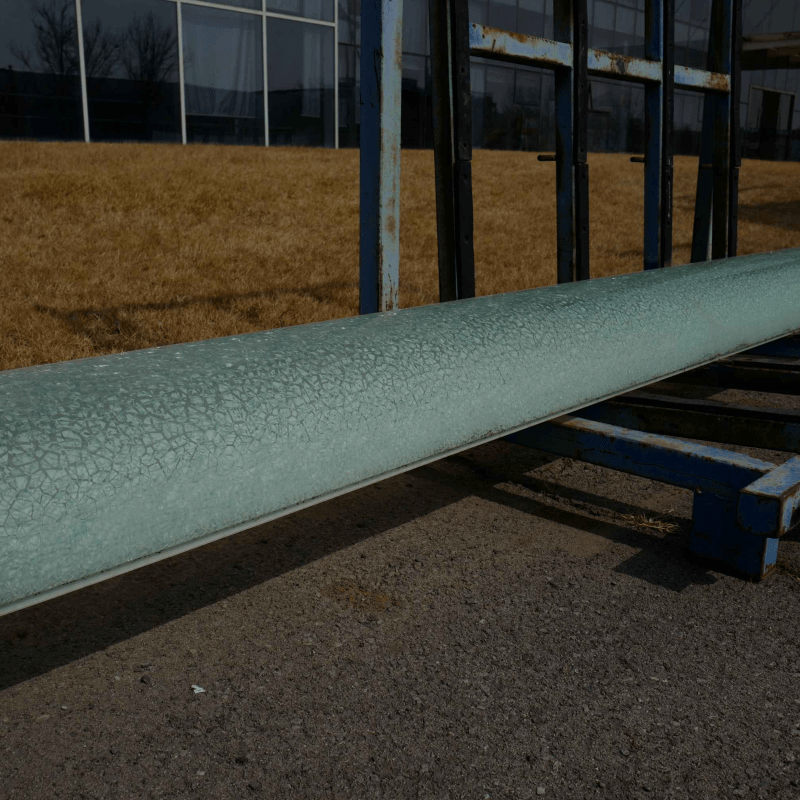
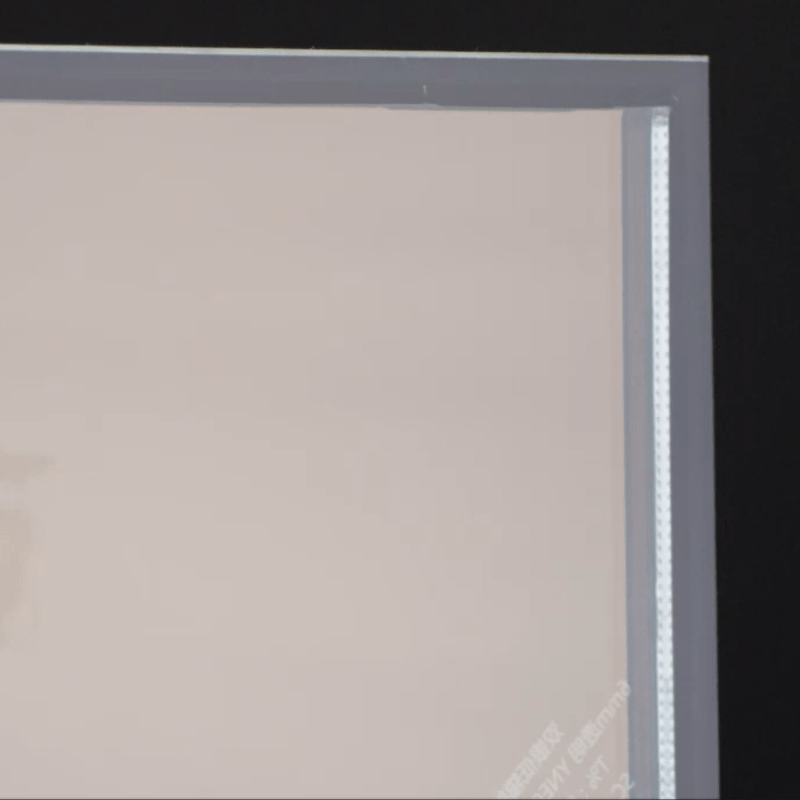
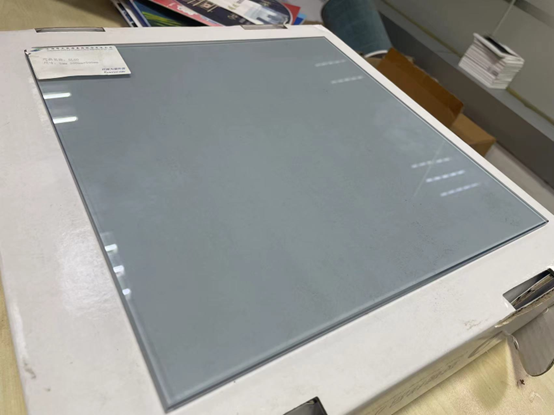
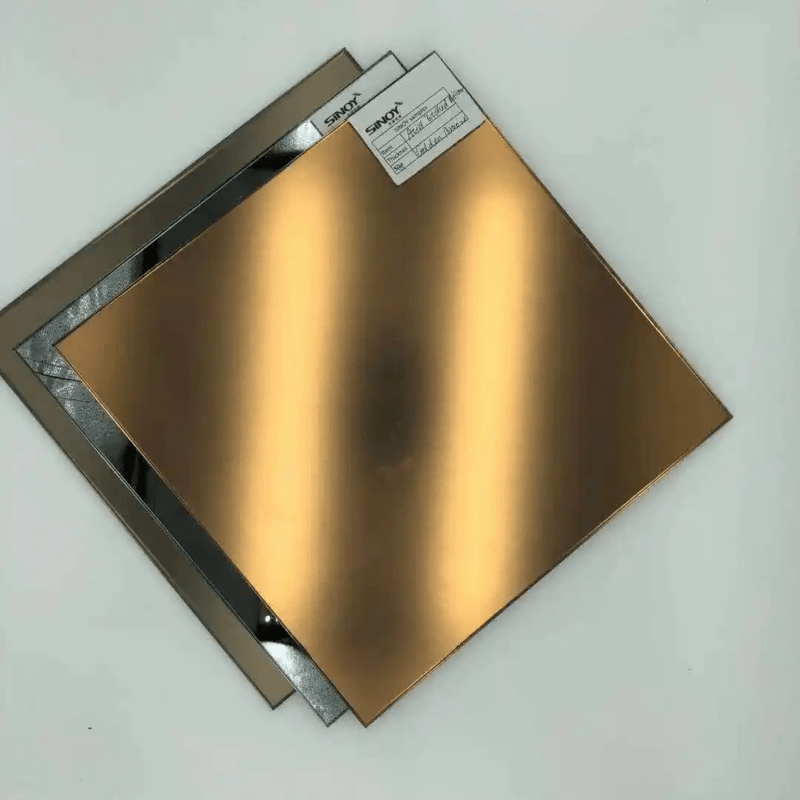
Architectural laminated glass represents a sophisticated glazing solution that combines multiple glass layers with interlayer materials to create superior performance characteristics for modern construction projects. This advanced glass system consists of two or more glass sheets permanently bonded together using polyvinyl butyral (PVB) or ethylene-vinyl acetate (EVA) interlayers through heat and pressure processes. The resulting composite material delivers exceptional strength, safety, and versatility that makes it indispensable for contemporary architectural applications. The primary functions of architectural laminated glass include providing enhanced security, sound insulation, UV protection, and structural integrity while maintaining optical clarity and aesthetic appeal. The manufacturing process involves precise temperature and pressure control to ensure perfect adhesion between glass layers and interlayer materials, creating a monolithic structure that performs as a single unit. Technological features encompass advanced interlayer compositions that can be customized for specific performance requirements, including colored films for decorative purposes, acoustic interlayers for superior sound dampening, and specialized coatings for energy efficiency. The glass maintains its structural integrity even when cracked, as the interlayer holds fragments together, preventing dangerous shard dispersal. Applications span across commercial buildings, residential developments, educational institutions, healthcare facilities, and cultural venues where safety and performance are paramount. Architectural laminated glass finds extensive use in curtain walls, skylights, canopies, balustrades, storefronts, and interior partitions. The material excels in hurricane-prone regions and high-security installations due to its impact resistance and penetration prevention capabilities. Modern architectural laminated glass systems can incorporate smart technologies, decorative elements, and energy-efficient coatings while maintaining the fundamental safety and structural benefits that define this innovative glazing solution for contemporary construction demands.

Popular Products

Architectural laminated glass offers substantial safety improvements that protect building occupants and visitors from injury risks associated with traditional glass failures. When standard glass breaks, it creates dangerous sharp fragments that pose serious hazards, but architectural laminated glass maintains structural cohesion through its specialized interlayer system. This safety feature proves invaluable in high-traffic areas, schools, hospitals, and public buildings where human safety remains the top priority. The material provides excellent security benefits by resisting forced entry attempts, making it difficult for intruders to gain unauthorized access through glazed openings. Property owners appreciate the enhanced protection against break-ins, vandalism, and accidental impacts that could compromise building security. Sound control capabilities represent another significant advantage, as architectural laminated glass effectively reduces noise transmission between interior and exterior environments. This acoustic performance creates more comfortable living and working spaces while maintaining natural light transmission. The material blocks up to 99 percent of harmful ultraviolet radiation, protecting interior furnishings, artwork, and occupants from sun damage and skin health risks. Energy efficiency benefits result from reduced solar heat gain and improved insulation properties that help maintain consistent interior temperatures year-round. Building owners experience lower heating and cooling costs while creating more comfortable environments for occupants. Weather resistance proves exceptional, as architectural laminated glass withstands extreme temperature fluctuations, wind loads, and impact from flying debris during storms. Maintenance requirements remain minimal compared to alternative glazing systems, reducing long-term ownership costs and facility management burdens. The material supports sustainable building practices through durability, energy savings, and recyclability at the end of its service life. Design flexibility allows architects and builders to create stunning visual effects while meeting stringent performance requirements for safety, security, and energy efficiency. Installation processes integrate seamlessly with existing construction methods, avoiding project delays or specialized equipment requirements that could increase costs.

Tips And Tricks

2025 Guide: Types of Coated Glass for Modern Buildings

12

Dec

2025 Guide: Types of Coated Glass for Modern Buildings

Modern architecture demands materials that combine aesthetic appeal with superior performance, and coated glass has emerged as the cornerstone of contemporary building design. As we enter 2025, the evolution of coated glass technology continues to re...
View More
Bulletproof Glass vs Regular Glass: Key Differences

14

Jan

Bulletproof Glass vs Regular Glass: Key Differences

Security concerns in modern architecture have transformed how we approach glazing solutions, with bulletproof glass emerging as a critical component in high-risk environments. Unlike conventional glazing materials, bulletproof glass represents a soph...
View More
Comparing Different Coated Glass Options for Your Home

04

Mar

Comparing Different Coated Glass Options for Your Home

Selecting the right coated glass for your home can significantly impact energy efficiency, comfort levels, and long-term utility costs. Modern architectural glazing solutions have evolved beyond basic clear glass, offering homeowners sophisticated co...
View More
2026 CSP Glass Guide: Types, Benefits & Applications

04

Mar

2026 CSP Glass Guide: Types, Benefits & Applications

Concentrated solar power technology continues to revolutionize the renewable energy landscape, with csp glass serving as a critical component that determines the efficiency and longevity of solar thermal systems. As we move into 2026, understanding t...
View More

Get a Free Quote

Our representative will contact you soon.
Email
Name
Company Name
Products
Message
0/1000

architectural laminated glass

Unmatched Safety Performance Through Advanced Interlayer Technology

Unmatched Safety Performance Through Advanced Interlayer Technology

The safety performance of architectural laminated glass surpasses conventional glazing materials through innovative interlayer technology that fundamentally changes how glass behaves under stress and impact conditions. Unlike standard annealed or tempered glass that creates dangerous fragments upon breakage, architectural laminated glass employs specialized polymer interlayers that maintain structural integrity even after severe impacts or stress events. The polyvinyl butyral or ethylene-vinyl acetate interlayer creates a flexible bond between glass layers that absorbs impact energy while keeping glass fragments securely attached to the interlayer matrix. This revolutionary safety feature prevents the ejection of sharp glass shards that could cause serious injuries to building occupants, pedestrians, or emergency responders during accidents or extreme weather events. The interlayer system continues functioning effectively across wide temperature ranges and maintains its adhesive properties for decades under normal service conditions. Testing protocols demonstrate that architectural laminated glass can withstand hurricane-force winds, seismic activity, and deliberate impact attempts while maintaining its protective barrier function. The safety benefits extend beyond initial impact resistance to include post-failure performance, where the damaged glass remains in place until proper replacement can occur. This characteristic proves particularly valuable in high-rise buildings, where falling glass presents significant public safety hazards. Emergency egress considerations benefit from architectural laminated glass design, as the material can be engineered to allow controlled breakage for escape routes while maintaining overall structural integrity. The safety performance translates into reduced liability risks for property owners, lower insurance premiums, and enhanced peace of mind for building occupants who depend on glazing systems for protection from environmental hazards and security threats.
Superior Acoustic Control for Enhanced Indoor Environments

Superior Acoustic Control for Enhanced Indoor Environments

Architectural laminated glass delivers exceptional acoustic performance that transforms noisy environments into peaceful, productive spaces through advanced sound dampening technology integrated within its multi-layer construction. The specialized interlayer materials function as effective sound barriers that interrupt noise transmission pathways between exterior and interior environments, creating significant improvements in acoustic comfort for building occupants. Sound waves encounter multiple interfaces within the laminated glass structure, where energy dissipation occurs through the viscoelastic properties of the interlayer materials that convert sound vibrations into minimal heat energy. This acoustic control mechanism proves particularly effective across middle and high-frequency ranges where human speech, traffic noise, and mechanical equipment sounds typically occur in urban environments. The sound reduction capabilities can be customized through interlayer selection and thickness optimization to address specific noise challenges facing individual building projects. Specialized acoustic interlayers enhance performance beyond standard laminated glass configurations, providing sound transmission class ratings that meet stringent building codes and occupant comfort requirements. The acoustic benefits extend to both airborne and structure-borne noise transmission, making architectural laminated glass suitable for demanding applications including recording studios, educational facilities, healthcare environments, and residential developments near airports or highways. Unlike alternative noise control methods that require additional wall thickness or separate sound barriers, architectural laminated glass provides acoustic solutions without compromising natural light transmission or architectural design flexibility. The dual functionality of visual transparency and sound control eliminates the need for separate acoustic treatments that could obstruct views or increase construction costs. Long-term acoustic performance remains consistent throughout the service life of architectural laminated glass installations, avoiding the degradation issues that affect some alternative sound control materials over time through environmental exposure or mechanical stress.
Comprehensive UV Protection and Energy Efficiency Benefits

Comprehensive UV Protection and Energy Efficiency Benefits

Architectural laminated glass provides comprehensive ultraviolet radiation protection and energy efficiency benefits that create healthier indoor environments while reducing operating costs for building owners and occupants. The advanced interlayer systems effectively filter harmful UV-A and UV-B radiation that can cause skin damage, premature aging, and increased cancer risks for people spending extended time in naturally lit interior spaces. This UV protection extends to interior furnishings, artwork, carpeting, and other materials susceptible to fading, degradation, or color changes from prolonged sun exposure. The protective benefits help preserve valuable interior investments while maintaining the aesthetic appeal of interior spaces over extended periods. Energy efficiency advantages result from the thermal performance characteristics of architectural laminated glass systems that reduce heat transfer between interior and exterior environments. The multi-layer construction creates additional thermal breaks that improve insulation values compared to single-pane glazing systems, reducing heating and cooling loads throughout the year. Solar heat gain coefficients can be optimized through interlayer selection and optional low-emissivity coatings that reflect infrared radiation while maintaining visible light transmission for natural illumination. These energy performance features contribute to sustainable building certification programs and help property owners meet increasingly stringent energy codes and environmental regulations. The combination of UV protection and thermal efficiency creates more consistent interior temperatures that enhance occupant comfort while reducing reliance on mechanical HVAC systems. Daylight harvesting benefits allow building operators to reduce artificial lighting requirements during daylight hours without compromising occupant visual comfort or task performance. The energy savings translate into measurable reductions in utility costs and carbon footprint that support corporate sustainability initiatives and environmental responsibility goals. Long-term durability ensures that energy performance benefits continue throughout the extended service life of architectural laminated glass installations without degradation or maintenance requirements that could compromise efficiency over time.

Get a Free Quote

Our representative will contact you soon.
Email
Name
Company Name
Products
Message
0/1000
Newsletter
Contact Us