
 EN
EN
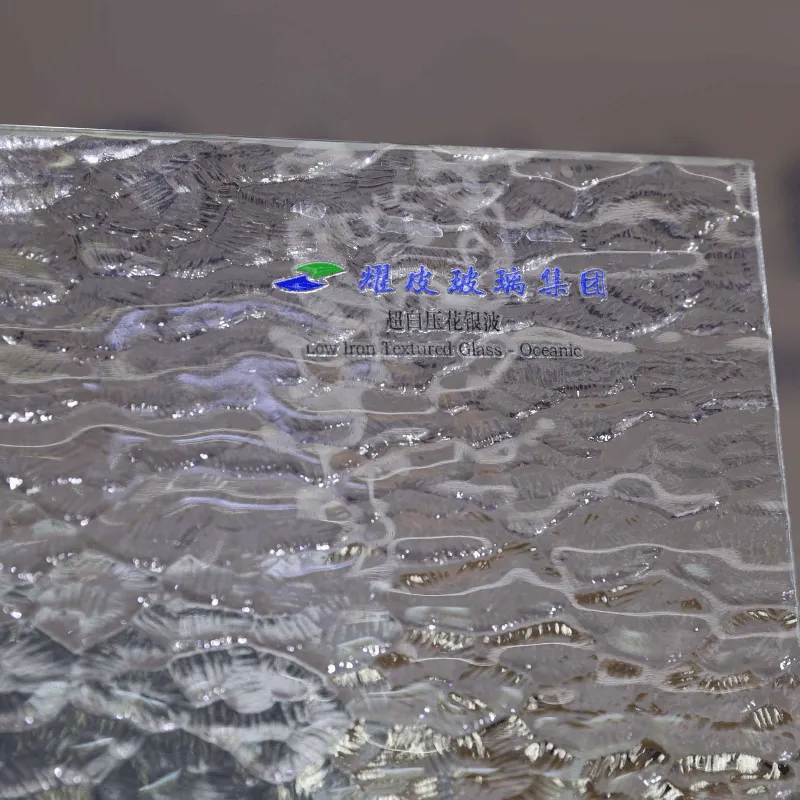
Privatnost je postala sve važnija u modernom arhitektonskom dizajnu, posebno kako su zgrade postajale veće i susjedstva gusto naseljena. Tradicionalne metode postizanja privatnosti često uključuju žrtvovanje prirodnog svjetla ili vizualne privlačnosti, stvarajući prostore koji se osjećaju zatvorenima i neugodnim. Uzorkovano staklo u skladu s člankom 3. stavkom 1. stavkom 2.
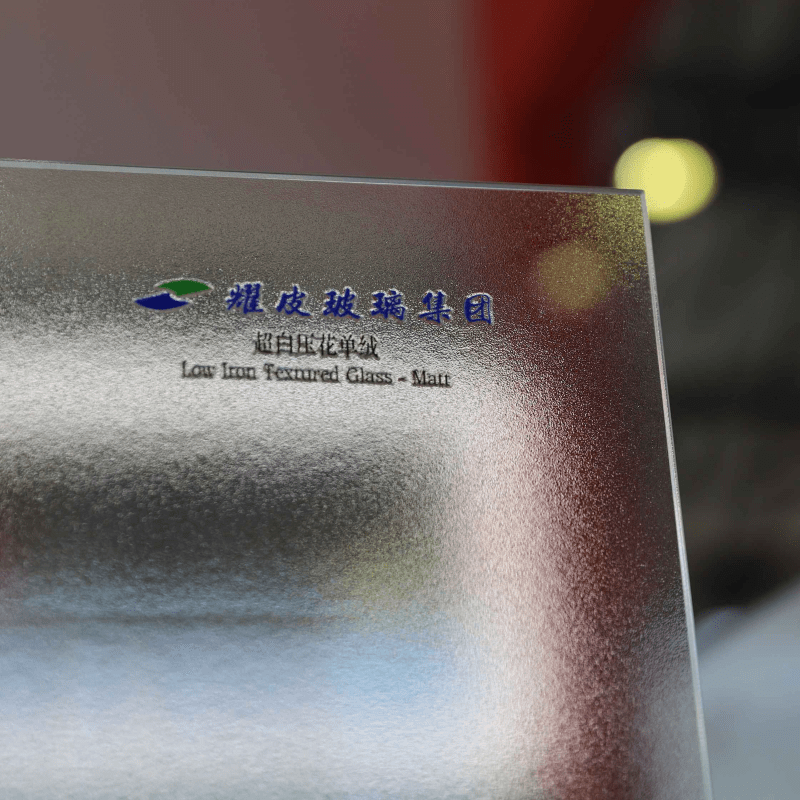
Arhitektonska industrija svjedoči značajnom promjenom prema materijalima koji kombinuju funkcionalnost i vizualni privlačnost. Stakljeno sa uzorcima savršeno predstavlja ovu evoluciju, nudeći vlasnicima zgrada i arhitektima svestran materijal koji služi više svrha istodobno. Za razliku od običnog prozirnog stakla ili potpuno nepristranog materijala, uzorano staklo stvara sredinu koja održava transparentnost dok zataškava izravnu vidljivost. Ova jedinstvena karakteristika čini ga idealnim izborom za različite komercijalne i stambene primjene gdje je privatnost ključna, ali prirodno osvjetljenje ostaje prioritet.
Razumijevanje temeljnih načela tehnologije stakla s uzorcima
Proces proizvodnje i varijacije dizajna
Proizvodnja uzorka stakla uključuje specijalizirani proizvodni postupak u kojem se topljeno staklo prolazi kroz valjake koji utiskuju određene uzorke na površinu. Ti uzori mogu se kretati od jednostavnih geometrijskih dizajna do složenih tekstura koje stvaraju jedinstvene vizualne efekte. Dubina i složenost uzorka izravno utječu na razinu privatnosti, a dublje teksture pružaju veću nejasnost, a istovremeno omogućuju prijenos svjetlosti. Moderne tehnike proizvodnje proširile su mogućnosti za dizajniranje stakla s uzorcima, omogućavajući arhitektima da biraju od stotina različitih uzoraka kako bi se prilagodili specifičnim zahtjevima projekta.
Kontrola kvalitete tijekom proizvodnog procesa osigurava da svaki komad stakla sa uzorcima zadržava konzistentna optička svojstva i strukturalni integritet. Formiranje uzorka događa se dok staklo ostaje na visokim temperaturama, stvarajući trajnu teksturu koja postaje sastavni dio staklene strukture, a ne površinski premaz. Ovaj proizvodni pristup rezultira izdržljivim proizvodom koji zadržava svojstva koja poboljšavaju privatnost tijekom cijelog svog životnog vijeka bez degradacije ili nošenja koji bi mogao ugroziti njegovu učinkovitost.
Optička svojstva i upravljanje svjetlom
Optičke karakteristike šablona stakla su pažljivo dizajnirane kako bi se uravnotežila privatnost i prijenos svjetlosti. Texturirana površina stvara više refakcijskih točaka koje raspršuju svjetlost u različitim smjerovima, učinkovito zamagljujući slike viđene kroz staklo, zadržavajući ukupne razine svjetlosti. Ovaj efekt raspršivanja čini obrazac stakla tako učinkovitim za privatnost, jer sprečava jasno gledanje, zadržavajući prednosti prirodnog osvjetljenja.
Različiti stilovi uzoraka proizvode različite stupnjeve difuzije svjetlosti, što arhitektima omogućuje odabir odgovarajuće razine privatnosti za određene primjene. Fine uzorci mogu pružiti suptilno poboljšanje privatnosti pogodno za uredska okruženja, dok izraženije teksture nude veću nejasnost za kućne kupaonice ili prostorije za mijenjanje. U odnosu između dubine uzorka i razine privatnosti pažljivo se kalibrira kako bi se osigurala optimalna izvedba za svaku namjensku primjenu.
Koristi privatnosti u primjeni u poslovnim zgradama
Konfiguracija ureda i privatnost na radnom mjestu
Moderni uredski dizajn sve više naglašava otvorene rasporede koji potiču suradnju, uz održavanje individualnih potreba za privatnošću. Stakleni pregradi i zidovi s uzorcima odlična su rješenja za stvaranje poluprivatnih prostora koji održavaju vizualnu vezu s širim radnim okruženjem. Materijal omogućuje slobodno proteku prirodnog svjetla kroz ured, a sprečava izravni vizualni pristup osjetljivim radnim područjima ili privatnim sastancima. Ova ravnoteža posebno je vrijedna u korporativnim okruženjima gdje je povjerljivost važna, ali izolacija je kontraproduktivna.
Upotreba uzornih stakla u uredskim aplikacijama također pridonosi udobnosti i dobrobiti zaposlenika. Istraživanja su pokazala da pristup prirodnom svjetlu poboljšava produktivnost i smanjuje opterećenje očiju, dok privatnost pomaže zaposlenicima da se osjećaju sigurnije i fokusiranije. Uključivanjem uzoraka stakla u dizajn ureda, arhitekti mogu stvoriti okruženja koja podržavaju i individualnu koncentraciju i suradnju tima bez ugrožavanja bilo kojeg aspekta funkcionalnosti radnog mjesta.
Zahtjevi za privatnost u zdravstvenoj zaštiti i institucijama
Zdravstvene ustanove suočavaju se s jedinstvenim izazovima u usklađivanju privatnosti pacijenata s potrebom prirodnog svjetla i vizualnog nadzora. Staklo s uzorcima idealno je rješenje za sobe za pacijente, područja za liječenje i prostorije za čekanje gdje je povjerljivost od najveće važnosti, ali potpuna izolacija ne bi bila prikladna. Materijal omogućuje medicinskom osoblju da održava opću svijest o područjima pacijenata, a istovremeno štiti dostojanstvo pacijenta i poštuje propise o privatnosti.
U obrazovnim ustanovama, uzorno staklo služi slične funkcije stvaranjem privatnih prostora za savjetovanje, administraciju ili specijalizirano poučavanje, uz održavanje otvorene, dobrodošle atmosfere koja podupire učenje. Materijal pomaže ispuniti sigurnosne zahtjeve koji zahtijevaju vidljivost u prostorijama, a istovremeno štiti osjetljive interakcije od slučajnog promatranja. Ova aplikacija pokazuje kako se uzornim staklom mogu riješiti složene institucionalne potrebe koje zahtijevaju istodobno ispunjavanje više kriterija učinkovitosti.
Rješenja za poboljšanje privatnosti u stanovima
Upotreba za kupaonicu i osobni prostor
Kupaonice u kućama predstavljaju jednu od najčešćih i najučinkovitijih primjena šablona stakla. Materijal pruža potpunu privatnost za osobne aktivnosti, a omogućuje ulazak prirodnog svjetla u prostor, stvarajući ugodnije i funkcionalnije okruženje. Tradicionalni prozori kupaonice često zahtijevaju zavjese ili rolete koje blokiraju svjetlost i mogu ugraditi vlagu i plijesan, dok staklo sa uzorcima uklanja te probleme, zadržavajući privatnost tijekom dana.
Različiti modeli omogućuju vlasnicima kuća da biraju dizajn koji će dopuniti njihov unutarnji uređaj i istovremeno osigurati odgovarajuću razinu privatnosti. Subtilni uzorci dobro rade u prostorijama za prah ili kupaonicama za goste, dok su izraženije teksture idealne za glavne kupaonike ili tušove prostorije. Stalna priroda funkcije privatnosti znači da vlasnici kuća nikada ne moraju brinuti o podešavanju pokrivača ili održavanju odvojenih sustava privatnosti.
Dnevne zone i prostori za zabavu
Životni prostori na prizemlju u urbanim sredinama često se suočavaju s izazovima privatnosti iz gledanja na razini ulice, dok vlasnici kuća žele prirodno svjetlo i vizualnu vezu s vanjskim prostorima. Prozore i vrata od stakla sa uzorcima pružaju elegantno rješenje koje održava prirodno osvijetljenje, a sprečava neprimjereno promatranje izvana. Ova aplikacija je posebno korisna u gusto naseljenim susjedstvima gdje su kuće blizu pločnika ili susjednih nekretnina.
Odmori za zabavu i dom uredni prostori također imaju koristi od primjene uzoraka stakla, posebno kada su ti prostori vidljivi iz javnih prostora ili susjednih kuća. Materijal omogućuje vlasnicima kuća da uživaju u prirodnom svjetlu tijekom dana, a da istovremeno imaju privatnost za obiteljske aktivnosti ili rad od kuće. Ova fleksibilnost čini staklo sa uzorcima atraktivnom opcijom za multifunkcionalne stambene prostore koji služe različitim svrhama tijekom dana.
Energetska učinkovitost i koristi za okoliš
U skladu s člankom 4. stavkom 2.
U skladu s člankom 21. stavkom 1. U skladu s člankom 3. stavkom 2. točkom (a) ovog članka, za sve proizvode koji sadrže u sebi materijal koji se upotrebljava za proizvodnju električne energije, za koje se primjenjuje točka (b) ovog članka, za koje se primjenjuje točka (c) ovog članka, za koje se primjenjuje točka (d Ova osobina smanjuje potrebu za umjetnim osvjetljenjem tijekom dnevnih sati i može pomoći umjerenoj unutarnjoj temperaturi, osobito u klimatskim uvjetima gdje je povećanje topline od sunca problem.
U slučaju ugradnje u izolirane staklene jedinice, staklo sa uzorcima zadržava svoje prednosti privatnosti, a istodobno pruža poboljšane toplinske performanse. U skladu s člankom 3. stavkom 1. stavkom 2. Ova dvostruka korist često opravdava početna ulaganja u staklo s uzorcima zbog dugoročne uštede energije i poboljšane udobnosti putnika.
Održivost i vijek trajanja
Trajnost stakla s uzorcima doprinosi njegovoj zaštiti okoliša time što eliminira potrebu za dodatnim materijalima za zaštitu privatnosti kao što su filmovi, roletne ili zavjese koje se mogu periodično mijenjati. U skladu s člankom 3. stavkom 2. stavkom 3. Osim toga, sam staklo je na kraju svog životnog vijeka potpuno reciklirano, što podupire načela kružne ekonomije u projektiranju zgrada.
Proces proizvodnje obrazačenog stakla postao je sve učinkovitiji, a mnogi proizvođači primjenjuju sustave za oporavak energije i održive proizvodne prakse. U skladu s člankom 3. stavkom 1. točkom (a) Uredbe (EZ) br. 765/2008 i člankom 3. stavkom (b) Uredbe (EZ) br. 765/2008 i člankom 3. stavkom (b) Uredbe (EZ) br. 765/2008 i člankom 3. stavkom (b) Uredbe (EZ) br. 765/2008 i Ovaj aspekt održivosti sve je važniji jer građevinski propisi i programi certificiranja stavljaju veći naglasak na ekološke performanse.
Integracija dizajna i estetska razmatranja
Kompatibilnost arhitektonskog stila
Svestranost šablona stakla omogućuje mu da dopuni različite arhitektonske stilove, od tradicionalnih do suvremenih dizajna. Klasični uzorci poput trske ili rebrovog stakla dobro rade u povijesnim renoviranjima ili tradicionalnim stilovima gradnje, dok su savremeniji geometrijski uzorci pogodniji za moderne arhitektonske pristupe. Sposobnost odabiru uzoraka koji se usklađuju s postojećim elementima dizajna čini uzoreno staklo fleksibilnim alatom za arhitekte koji rade s različitim estetskim zahtjevima.
Dizajneri enterijera cijene način na koji se uzorki stakla mogu koristiti i kao funkcionalni i dekorativni element. Interakcija svjetlosti i sjene koju stvaraju teksturirane staklene površine dodaje vizualni interes unutarnjim prostorima, istovremeno služeći praktičnim potrebama privatnosti. Ova dvostruka funkcija omogućuje staklenom uzorku da doprinese ukupnoj konstrukciji zgrade, a istovremeno učinkovito ispunjava funkcionalne zahtjeve.
Boje i svjetlosni efekti
Interakcija između šablona stakla i prirodne svjetlosti stvara dinamične vizualne efekte koji se mijenjaju tijekom dana kako se svjetlosni uvjeti mijenjaju. Jutarnja i večernja svjetlost stvaraju različite uzorke sjena i vizualne teksture, dodajući vremensku raznolikost unutarnjim prostorima. Ova se kvaliteta mijenja i pomaže spriječiti monotoniju koja može nastati kao rezultat statičkih rješenja za zaštitu privatnosti, uz održavanje dosljedne zaštite privatnosti.
Bojene ili tonirane verzije stakla s uzorcima proširuju mogućnosti dizajna, a istovremeno zadržavaju prednosti privatnosti. Ove varijacije omogućuju arhitektima da uključe boju u svoje dizajne, a istovremeno ostvaruju ciljeve privatnosti, stvarajući mogućnosti za kreativni izraz koji bi bilo teško postići tradicionalnim metodama privatnosti. Kombinacija uzorka, boje i svojstava prenosa svjetlosti pruža bogatu paletnu arhitektonsku ekspresiju.
Prednosti instalacije i održavanja
Pojašnjena procedura instalacije
U skladu s standardnim postupcima staklenja, instaliranje stakla na uzorku čini ga poznatom građevinskim stručnjacima i smanjuje složenost često povezana s rješenjima za zaštitu privatnosti. Materijal se može rezati, oblikovati i instalirati korištenjem konvencionalnih tehnika i opreme za rukovanje staklom. Ova obilježenost smanjuje troškove instalacije i brige o vremenskom planu, uz osiguravanje pravilnog djelovanja instaliranog sustava.
U skladu s člankom 3. stavkom 2. stavkom 2. Jednom kada se instalira, staklo sa uzorcima pruža trenutne i trajne prednosti privatnosti bez potrebe za podešavanjem, kalibracijom ili aktiviranjem sustava. Ova jednostavnost posebno je vrijedna u komercijalnim primjenama gdje su učinkovitost i pouzdanost instalacije ključni razmatranji.
Dugi-ROdne zahtjevi za održavanje
U skladu s člankom 3. stavkom 1. točkom (a) Uredbe (EZ) br. 765/2008 i člankom 3. točkom (b) Uredbe (EZ) br. 765/2008 i člankom 3. točkom (c) Uredbe (EZ) br. 765/2008 i člankom 3. točkom (c) Uredbe (EZ) br. 765/2008 i U slučaju površa s teksturiranom površinom, u usporedbi s ravnim staklom, može biti potrebno malo drugačije tehnike čišćenja, ali obično nisu potrebne posebne opreme ili materijali. Redovito održavanje uglavnom se sastoji od čišćenja kako bi se održala optička jasnoća i vizualna privlačnost, slično kao i kod bilo kojeg drugog sustava staklenja.
U skladu s člankom 3. stavkom 2. točkom (a) Uredbe (EZ) br. 765/2008 i člankom 3. stavkom 3. točkom (b) Uredbe (EZ) br. 765/2008 i člankom 4. točkom (c) Uredbe (EZ) br. 765/2008 i člankom 4. točkom (c) Uredbe (EZ) br. 7 U skladu s člankom 21. stavkom 1. Odoljnost stakla s uzorcima također znači da je mehanička oštećenja obično jedini razlog za zamjenu, a popravke se često mogu izvršiti na pojedinačnim jedinicama bez utjecaja na cijeli sustav.
Česta pitanja
Kako je oblikovano staklo učinkovito za očuvanje privatnosti uz održavanje prirodnog svjetla?
Staklo sa uzorcima vrlo je učinkovito u pružanju privatnosti, a istovremeno čuva prirodnu svjetlosnu transmisiju. Texturirana površina raspršuje svjetlosne zrake, sprečavajući jasan vid kroz staklo dok dopušta prolaz otprilike 80-90% dostupne svjetlosti. To ga čini idealnim rješenjem za prostorije u kojima su važna privatnost i osvijetljenje, kao što su kupaonice, uredi i dnevni prostori na prizemlju. Učinkovitost varira s gustoćom uzoraka, s izraženijim teksturama koje pružaju veću privatnost, dok finije uzorke nude suptilnije zamamljivanje.
Može li se uzorno staklo koristiti u vanjskim aplikacijama i u teškim vremenskim uvjetima
Da, staklo sa uzorcima pogodno je za spoljašnje primjene i dobro se koristi u različitim vremenskim uvjetima. Proces proizvodnje stvara izdržljiv proizvod koji se može oduprijeti toplinskom napadu, vlažnosti i promjenama temperature. Kada je pravilno instalirano uz odgovarajuće sisteme za zapečaćivanje i okvir, staklo sa uzorcima pruža pouzdane performanse u vanjskim aplikacijama desetljećima. U slučaju da je povrće teksturirano, potrebno ga je češće čistiti u prašnjavom ili zagađenom okruženju, ali sam staklo zadržava svoj strukturni integritet i optička svojstva u normalnim uvjetima.
Koje su troškove usporedbe između uzorka stakla i drugih rješenja privatnosti
Iako početne troškove oblikovanog stakla mogu biti veći od nekih alternativnih rješenja za zaštitu privatnosti, ukupne troškove životnog ciklusa često su niži zbog smanjenih zahtjeva za održavanjem i dužeg trajanja. Za razliku od prozorskih folija, rolet ili zavjesa koje se trebaju mijenjati svake nekoliko godina, staklo sa uzorcima pruža trajno privatnost koja traje desetljećima. Kad se uzimaju u obzir troškovi održavanja, troškovi zamjene i ušteda energije zbog poboljšanog prirodnog osvetljenja, staklo sa uzorcima često pruža superiornu vrijednost tijekom trajanja radne životne dobi zgrade.
Postoje li ograničenja u pogledu vrsta uzoraka dostupnih za različite primjene?
Izbor raspoloživih uzoraka je širok, s proizvođačima koji nude desetine standardnih dizajna plus mogućnosti prilagođenih uzoraka za posebne primjene. Prilikom izbora uzorka treba uzeti u obzir željeni stupanj privatnosti, estetske preferencije i strukturne zahtjeve specifične aplikacije. Neki vrlo fini uzorci mogu biti manje pogodni za aplikacije visoke privatnosti, dok ekstremno duboke teksture možda nisu prikladne za područja koja zahtijevaju lako čišćenje. Većina standardnih aplikacija može se prilagoditi lako dostupnim uzorcima, dok su prilagođeni dizajni mogući za jedinstvene arhitektonske zahtjeve.
Sadržaj
- Razumijevanje temeljnih načela tehnologije stakla s uzorcima
- Koristi privatnosti u primjeni u poslovnim zgradama
- Rješenja za poboljšanje privatnosti u stanovima
- Energetska učinkovitost i koristi za okoliš
- Integracija dizajna i estetska razmatranja
- Prednosti instalacije i održavanja
-
Česta pitanja
- Kako je oblikovano staklo učinkovito za očuvanje privatnosti uz održavanje prirodnog svjetla?
- Može li se uzorno staklo koristiti u vanjskim aplikacijama i u teškim vremenskim uvjetima
- Koje su troškove usporedbe između uzorka stakla i drugih rješenja privatnosti
- Postoje li ograničenja u pogledu vrsta uzoraka dostupnih za različite primjene?