
 EN
EN
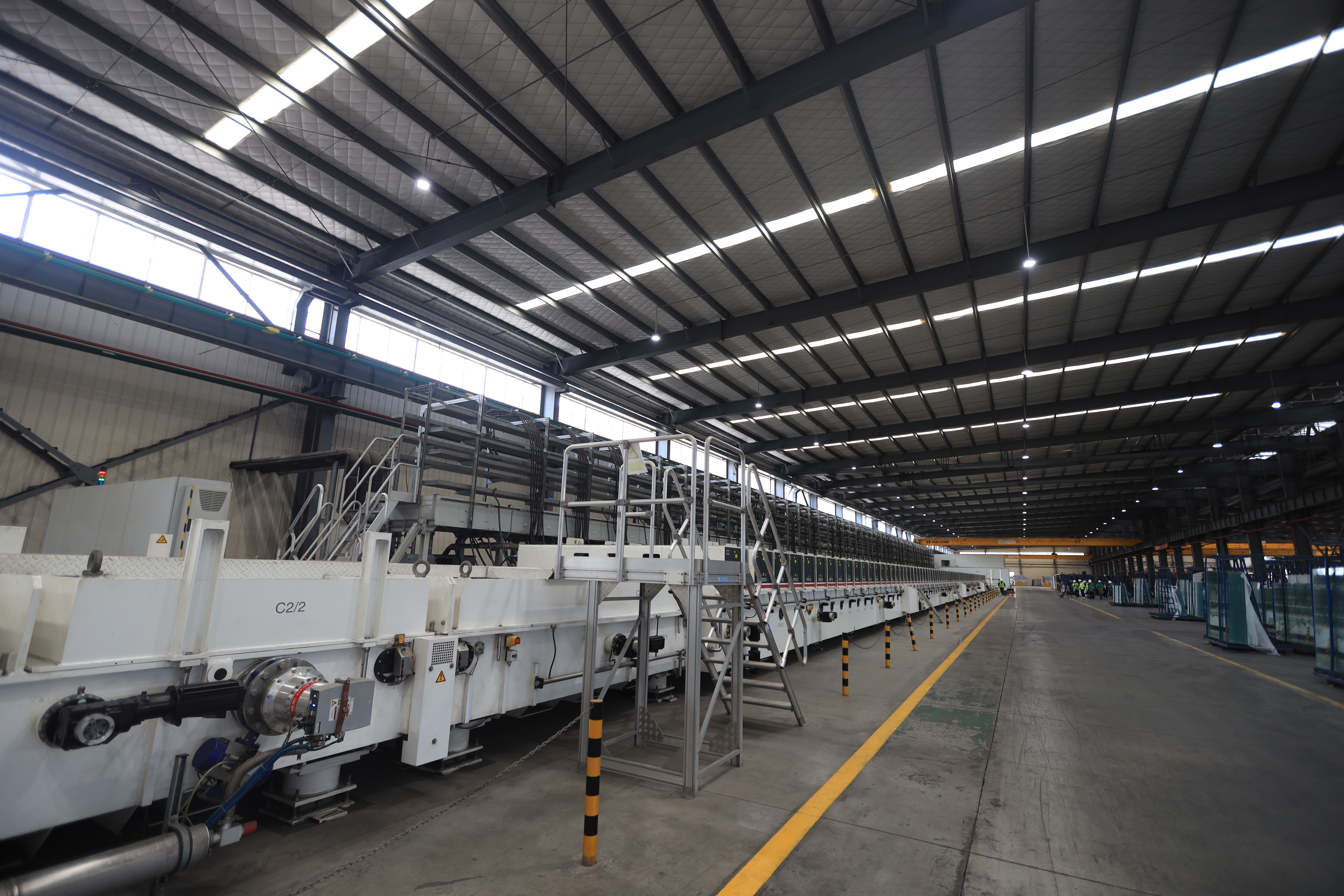
Selecting the right architectural glass for a building project involves navigating a complex landscape of technical specifications, performance requirements, regulatory standards, and aesthetic considerations. The decision between different architectural glass options fundamentally shapes a structure's energy efficiency, occupant comfort, safety profile, and visual character. Whether you're specifying glass for a commercial facade, residential application, or specialized industrial environment, understanding the decision framework helps architects, contractors, and building owners make informed choices that balance immediate budget constraints with long-term performance objectives.
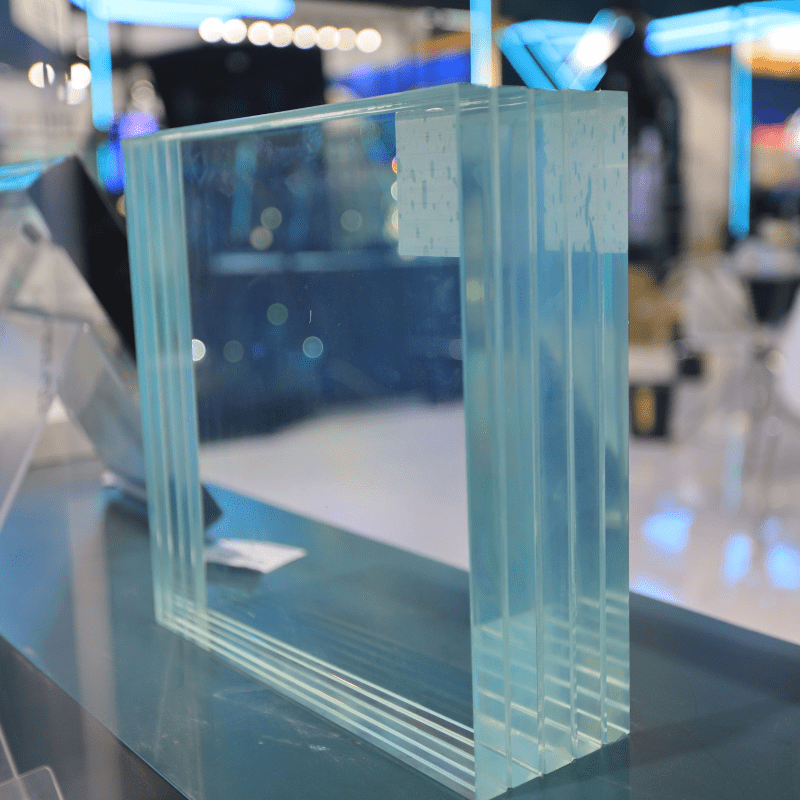
The architectural glass selection process requires evaluating multiple variables simultaneously—thermal performance metrics, acoustic insulation needs, safety classifications, light transmission characteristics, and structural loading capacities all interact to determine which glass type best serves your specific application. This article provides a structured approach to comparing different architectural glass options by examining the key decision criteria, performance trade-offs, and application-specific considerations that professional specifiers use to narrow down choices and arrive at optimal solutions for diverse building scenarios.
Understanding the Primary Performance Categories That Differentiate Architectural Glass Types
Thermal Performance and Energy Efficiency Considerations
Thermal performance represents one of the most critical differentiators among architectural glass options, directly impacting a building's heating and cooling loads throughout its operational lifetime. When evaluating thermal characteristics, the primary metric to examine is the U-value or U-factor, which measures the rate of heat transfer through the glazing assembly—lower U-values indicate better insulating performance. Standard single-pane architectural glass typically exhibits U-values around 5.8 W/m²K, while double-glazed units can achieve values between 1.2 and 3.0 W/m²K depending on cavity width and gas fill composition.
Beyond basic insulation, solar heat gain coefficient becomes crucial in climate zones where cooling loads dominate energy consumption patterns. This dimensionless value ranging from 0 to 1 indicates how much solar radiation passes through the glass and converts to heat within the building—lower values reduce cooling requirements but may increase lighting energy needs. Modern low-emissivity coatings applied to architectural glass surfaces can dramatically alter these thermal properties, with different coating positions (surface 2 versus surface 3 in a double-glazed unit) producing distinct performance profiles suited to heating-dominated versus cooling-dominated climates.
Optical Properties and Daylighting Performance
The optical characteristics of architectural glass fundamentally determine how occupants experience interior spaces through their influence on natural light quality, quantity, and distribution. Visible light transmittance measures the percentage of visible spectrum wavelengths that pass through the glazing, with clear float glass typically transmitting 88-90% of visible light while various tinted and coated options reduce this figure to balance glare control with daylighting objectives. The relationship between visible transmittance and solar heat gain creates a critical selection parameter called light-to-solar gain ratio, which helps identify glass types that maximize daylight while minimizing unwanted heat gain.
Color rendering properties of different architectural glass compositions affect how interior spaces and exterior views appear to building occupants. Neutral glass maintains relatively accurate color perception, while tinted varieties introduce characteristic color casts—bronze glass creates warm tones, gray glass provides neutral dimming, and blue-green glass offers cool aesthetics that some designers prefer for contemporary facades. Reflective coatings add another dimension to optical performance by controlling outward visibility during daytime hours, creating the distinctive mirrored appearance common in commercial curtain wall applications while reducing solar heat gain through reflection rather than absorption.
Safety and Security Classification Systems
Safety requirements fundamentally influence architectural glass selection for applications where human impact risk exists or where post-breakage behavior must meet specific performance standards. Tempered glass undergoes a thermal strengthening process that increases its resistance to thermal stress and impact loading by approximately four times compared to annealed glass, while creating a characteristic fracture pattern of small, relatively harmless fragments rather than large shards. This safety characteristic makes tempered architectural glass mandatory for many applications including doors, sidelites, low-level glazing, and overhead installations where falling glass poses injury risks.
Laminated configurations provide an alternative safety approach by bonding multiple glass plies together with polyvinyl butyral or other interlayer materials that retain glass fragments even after fracture occurs. This post-breakage integrity makes architectural glass with laminated construction particularly suitable for security applications, forced-entry resistance, blast mitigation, and overhead glazing where fallout prevention is critical. Security ratings based on standardized attack testing protocols help specifiers match glass resistance levels to threat assessments, with multiple laminated plies and specialized interlayers creating barriers that delay or prevent forced entry attempts.
Evaluating Application-Specific Requirements That Narrow Glass Selection
Climate Zone Adaptations and Regional Performance Priorities
Geographic location and local climate patterns establish baseline performance priorities that should guide architectural glass selection from the earliest project stages. Buildings in heating-dominated northern climates benefit most from glazing systems that maximize solar heat gain during winter months while providing excellent thermal insulation—this typically means double or triple-glazed units with low-emissivity coatings positioned to allow solar radiation inward while reflecting interior heat back into occupied spaces. The optimal architectural glass specification for Minneapolis will differ significantly from the ideal choice for Miami due to these fundamental climate-driven performance objectives.
Cooling-dominated climates require architectural glass that minimizes solar heat gain while maintaining adequate daylighting levels, often leading to specifications featuring tinted substrates, reflective coatings, or both in combination. Mixed climates present more complex challenges where glass must balance heating season benefits against cooling season penalties, requiring careful analysis of annual energy modeling results rather than simple rules of thumb. Coastal environments introduce additional durability considerations related to salt spray exposure and higher wind loads, while high-altitude locations experience greater ultraviolet radiation intensity that can accelerate degradation of some sealant and interlayer materials used in insulating glass unit construction.
Building Type and Occupancy Function Requirements
Different building types generate distinct architectural glass performance priorities based on occupancy patterns, operational schedules, and functional requirements. Healthcare facilities prioritize acoustic performance to support patient recovery, often requiring laminated architectural glass configurations with specialized acoustic interlayers that achieve sound transmission class ratings of 40 or higher. These same facilities may specify switchable privacy glass for patient room partitions, adding electrical control of opacity to the selection criteria alongside traditional performance metrics.
Educational buildings benefit from architectural glass selections that optimize daylighting quality while controlling glare on electronic displays and maintaining visual connection to outdoor learning environments. High-performance low-iron glass with anti-reflective coatings often proves worthwhile in these applications despite premium costs, as the educational benefits of superior natural light quality justify the investment. Retail environments prioritize color-neutral architectural glass with minimal reflectivity that showcases merchandise accurately while maintaining clear sight lines from exterior pedestrian zones, making glass selection an integral component of merchandising strategy rather than merely a building envelope decision.
Structural Integration and Framing System Compatibility
The physical characteristics of different architectural glass options create compatibility requirements with framing systems that can significantly influence selection decisions. Glass thickness, weight per unit area, and edge treatment requirements all affect which glazing types can successfully integrate with specific curtain wall, storefront, or window systems. Structural glazing applications that minimize visible framing rely on specialized architectural glass products with structural silicone bonds or mechanical point attachments, limiting choices to tempered or heat-strengthened substrates that can withstand concentrated fastener loads without edge fracture.
Thermal expansion coefficients become critical when integrating architectural glass with metal framing systems, as differential movement between materials can create stress concentrations at connections points. Float glass expands approximately 9 millionths per degree Celsius, requiring adequate edge clearances within framing pockets to accommodate dimensional changes across seasonal temperature swings. Oversized architectural glass lites used in contemporary transparent facades may require specialized handling equipment and installation sequencing, making glass size and weight practical constraints that influence selection even before performance characteristics enter the evaluation process.
Analyzing Cost Factors and Long-Term Value Propositions
Initial Material and Installation Cost Differentials
First-cost comparisons among architectural glass options reveal substantial price differentials based on manufacturing complexity, material composition, and performance enhancements. Standard clear annealed float glass establishes the baseline cost reference point, with typical pricing ranging from moderate to low depending on market conditions and volume commitments. Heat-treating processes that create tempered architectural glass add approximately 30-50% to material costs, while laminated configurations typically double or triple the price of equivalent single-ply annealed glass depending on interlayer specifications and the number of plies involved.
Insulating glass units command premium pricing that reflects the assembly labor, sealant materials, spacer systems, and quality control requirements inherent in creating durable sealed cavities. High-performance architectural glass featuring low-emissivity coatings, inert gas fills, and warm-edge spacer technology can cost three to five times more than basic single-pane glazing when comparing equivalent square footage. Specialized products including fire-rated glass, switchable electrochromic glazing, and blast-resistant assemblies occupy the upper end of the cost spectrum, sometimes exceeding ten times the price of standard architectural glass options while delivering performance capabilities that standard products cannot achieve.
Operational Energy Impact and Lifecycle Cost Analysis
The true economic value of different architectural glass options emerges only through lifecycle cost analysis that accounts for energy consumption differences over the building's operational lifetime. High-performance glazing systems with superior thermal properties reduce heating and cooling loads, translating initial cost premiums into ongoing energy savings that accumulate year after year. A typical commercial building might spend two to three dollars per square foot annually on energy costs attributable to glazing performance, meaning that architectural glass upgrades yielding 20-30% energy reductions can achieve payback periods of five to ten years depending on local utility rates and climate severity.
Maintenance and replacement costs also factor into long-term value assessments of architectural glass alternatives. Sealed insulating glass units eventually experience seal failure and gas leakage, requiring replacement typically after 15-25 years depending on manufacturing quality, installation practices, and environmental exposure conditions. Single-pane architectural glass avoids this maintenance liability but delivers inferior energy performance that accumulates higher operational costs throughout the building lifecycle. Laminated safety glass often proves more cost-effective than designing structures to accommodate the periodic replacement of tempered panels that crack due to thermal stress or vandalism, particularly in locations where access for glass replacement presents logistical challenges.
Incentives, Codes, and Regulatory Compliance Value
Building energy codes increasingly mandate minimum performance standards for architectural glass that effectively eliminate the lowest-performing options from consideration in many jurisdictions. The International Energy Conservation Code and its state-level adoptions establish maximum U-factor requirements that vary by climate zone, often necessitating at least double-glazed units with low-emissivity coatings in cold and mixed climates. These code requirements transform what might otherwise be optional performance upgrades into baseline compliance measures, effectively establishing new minimum standards for architectural glass specification regardless of client budget preferences.
Utility rebate programs and green building certification systems create financial incentives that improve the economic case for high-performance architectural glass specifications. Many electric utilities offer rebates for glazing systems that exceed code-minimum requirements by defined margins, with incentive payments sometimes covering 20-40% of the cost premium associated with upgraded glass packages. LEED certification credits available for optimized energy performance and daylight quality further enhance the value proposition of premium architectural glass options by contributing toward certification levels that command higher lease rates and property values in commercial real estate markets.
Implementing Systematic Comparison Methods for Final Selection
Creating Weighted Decision Matrices for Multiple Criteria
Systematic comparison of architectural glass alternatives benefits from structured decision frameworks that assign relative importance weights to different performance criteria based on project-specific priorities. A weighted matrix approach begins by listing all candidate glass types across columns while enumerating key selection criteria down rows—thermal performance, acoustic performance, safety classification, visible transmittance, cost, and any other factors relevant to the specific project. Each criterion receives an importance weight reflecting its priority for the application at hand, with weights typically totaling 100% across all criteria to maintain consistent scoring.
Individual architectural glass options then receive performance scores for each criterion, often using a scale from 1-10 or 1-5 depending on desired granularity. These raw scores multiply by the corresponding importance weights to produce weighted scores that reflect both absolute performance and relative priority. Summing the weighted scores across all criteria yields total scores for each glass option, providing a quantitative basis for comparison that makes trade-offs explicit and defensible. This structured approach proves particularly valuable when selection decisions involve multiple stakeholders with different priorities, as the transparent scoring methodology facilitates productive discussion about relative importance weights rather than subjective preferences.
Conducting Performance Simulation and Energy Modeling
Sophisticated building energy modeling software allows designers to evaluate how different architectural glass specifications affect annual energy consumption, peak demand loads, and occupant thermal comfort across typical meteorological year weather data. Whole-building simulation tools including EnergyPlus, eQUEST, and similar platforms model heat transfer through glazing assemblies hour by hour, accounting for solar position, shading devices, internal heat gains, and HVAC system responses. These simulations reveal performance differences that simple metric comparisons cannot capture, such as how reduced solar heat gain from high-performance architectural glass allows downsizing mechanical equipment and reducing both capital costs and operational energy simultaneously.
Parametric studies that systematically vary architectural glass properties while holding other building characteristics constant help isolate the specific impact of glazing decisions on overall building performance. Running multiple simulation scenarios with different glass options generates comparative data showing energy cost differences, carbon emission impacts, and peak demand variations attributable to each specification alternative. This performance data transforms architectural glass selection from a specification exercise into an investment analysis where predicted energy savings and operational benefits justify material cost premiums through demonstrated return on investment calculations.
Mock-Up Testing and Physical Sample Evaluation
Physical mock-ups constructed with actual architectural glass products provide invaluable information about aesthetic appearance, color accuracy, reflectivity characteristics, and visual clarity that technical data sheets cannot fully convey. Full-scale mock-up sections installed on project sites allow stakeholders to evaluate glass appearance under actual lighting conditions throughout daily and seasonal cycles, revealing how reflectivity varies with sun angle and how transmitted light color affects interior finishes. These physical evaluations often identify subtle differences between seemingly similar architectural glass options that prove decisive in final selection decisions.
Laboratory testing of glass samples verifies manufacturer performance claims and ensures specification compliance before large-scale procurement begins. Independent testing for U-value, solar heat gain coefficient, visible transmittance, and other critical metrics protects against product substitution risks and manufacturing variations that could compromise building performance. When architectural glass specifications include custom tinting, specialized coatings, or unique laminated configurations, pre-production sample testing becomes particularly important to confirm that finished products will meet the performance requirements that drove their selection.
FAQ
What is the most important factor when choosing architectural glass for energy efficiency?
The U-value or thermal transmittance represents the single most important metric for energy efficiency in most climate zones, as it directly measures how effectively the architectural glass assembly resists heat flow. However, in cooling-dominated climates, solar heat gain coefficient becomes equally critical since preventing unwanted solar heat gain often matters more than insulation value. The optimal approach evaluates both metrics together using light-to-solar gain ratio to balance daylighting benefits against thermal performance, while climate-specific energy modeling provides the most accurate assessment of which glass properties deliver the greatest energy savings for your particular location and building type.
How do safety requirements affect architectural glass selection decisions?
Safety requirements fundamentally constrain architectural glass options in specific applications where building codes mandate tempered or laminated products to protect occupants from injury. Any glazing within 18 inches of a walking surface, in doors, adjacent to doors, in wet locations, or overhead typically requires safety glazing that either breaks into small fragments or retains broken pieces. These mandatory safety classifications eliminate standard annealed float glass from consideration in such applications regardless of its performance advantages or cost benefits, making safety compliance a gating requirement that must be satisfied before evaluating other selection criteria like thermal performance or aesthetics.
Can different architectural glass types be mixed within a single building facade?
Different architectural glass specifications can certainly be mixed within a single facade when functional requirements vary across building zones or orientations, though careful attention to visual consistency becomes critical for aesthetically unified results. Many designers specify higher-performance glass on elevations receiving intense solar exposure while using more economical options on shaded facades, optimizing cost-effectiveness without compromising overall building appearance. The key challenge lies in matching visible transmittance, reflectivity, and color characteristics closely enough that different glass types appear uniform from exterior viewpoints, which sometimes requires custom tinting to achieve acceptable visual consistency across varied specifications.
How long does high-performance architectural glass maintain its specified performance characteristics?
Quality architectural glass maintains its inherent optical and thermal properties essentially indefinitely when the substrate itself remains intact, as the glass material does not degrade under normal environmental exposure. However, insulating glass units containing low-emissivity coatings and inert gas fills depend on seal integrity to maintain their thermal performance advantages, with typical service lives ranging from 15 to 30 years before seal failure allows gas leakage and moisture infiltration that degrades performance. Manufacturers offering extended warranties of 20 years or more on insulating glass units demonstrate confidence in their sealing systems, and proper installation following manufacturer guidelines significantly influences actual field performance and longevity of advanced architectural glass products.
Table of Contents
- Understanding the Primary Performance Categories That Differentiate Architectural Glass Types
- Evaluating Application-Specific Requirements That Narrow Glass Selection
- Analyzing Cost Factors and Long-Term Value Propositions
- Implementing Systematic Comparison Methods for Final Selection
-
FAQ
- What is the most important factor when choosing architectural glass for energy efficiency?
- How do safety requirements affect architectural glass selection decisions?
- Can different architectural glass types be mixed within a single building facade?
- How long does high-performance architectural glass maintain its specified performance characteristics?