
 EN
EN
Flexible displays represent one of the most transformative innovations in modern electronics, enabling curved screens, foldable devices, and unconventional form factors that rigid glass cannot achieve. At the core of this technology lies a critical material choice: the substrate and conductive layer that must deliver electrical performance without sacrificing optical clarity or mechanical flexibility. TCO glass has emerged as a preferred solution because it uniquely balances transparency, electrical conductivity, and the mechanical resilience required for flex-based applications. Understanding what makes TCO glass suitable for flexible displays requires examining its material properties, manufacturing advantages, and how these characteristics address the specific engineering challenges that display designers face.
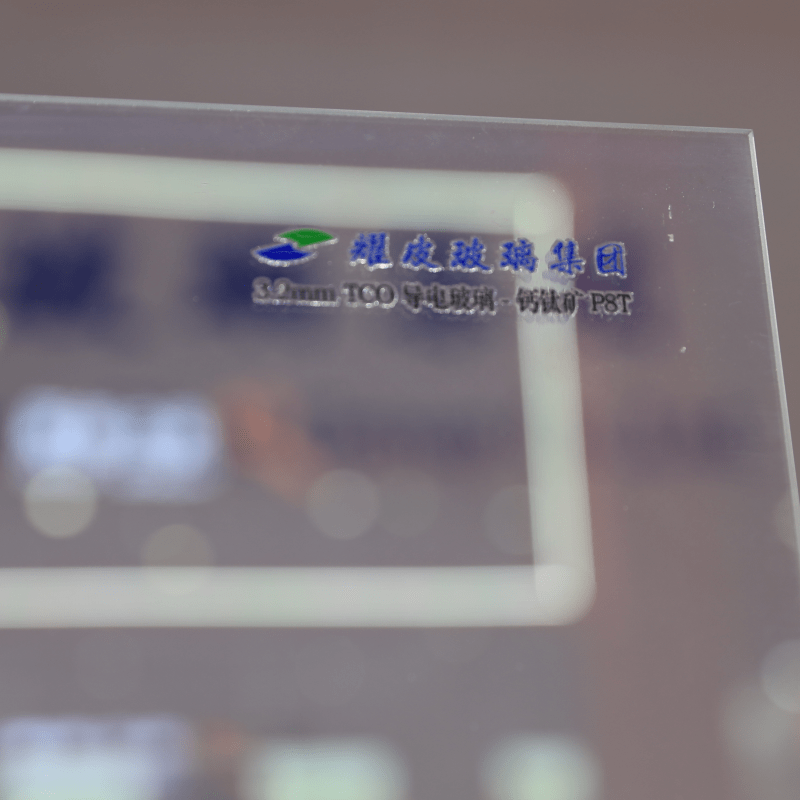
The transition from static rectangular displays to flexible screens demands substrates that can withstand repeated bending cycles, maintain electrical continuity under mechanical stress, and preserve image quality across the curved surface. TCO glass formulations are specifically engineered to meet these demanding criteria by combining a glass base layer with thin-film transparent conductive oxide coatings such as indium tin oxide (ITO), aluminum-doped zinc oxide (AZO), or other conductive ceramics. This engineered structure gives flexible display manufacturers the control they need to optimize optical transmission, sheet resistance, and mechanical durability simultaneously.
Optical Transparency and Light Transmission
Clear Vision Across the Display
TCO glass delivers exceptional optical transparency, a non-negotiable requirement for any display technology. The base glass substrate typically transmits over 85 percent of visible light wavelengths, while the transparent conductive oxide coating adds minimal absorption loss. This means that light generated by the display's pixel array passes through to the viewer with minimal degradation, ensuring vivid colors, high contrast ratios, and accurate color reproduction across the entire viewing area. For flexible displays used in smartphones, wearable devices, and curved consumer electronics, this optical clarity directly translates to user satisfaction and competitive market positioning.
Consistency in Curved Environments
When a flexible display bends, the substrate must maintain uniform optical properties across both flat and curved sections. TCO glass compositions are formulated to resist optical distortion and haze development even after repeated flexing cycles. Unlike some alternative materials that may scatter light or develop micro-cracks under stress, TCO glass maintains its refractive index stability, ensuring that colors remain accurate and image sharpness persists whether the screen is flat, partially curved, or fully bent. This consistency is particularly critical for high-resolution applications such as medical displays, industrial control panels, and premium consumer devices where optical performance is a key differentiator.
Electrical Conductivity and Performance Stability
Sheet Resistance and Current Distribution
Flexible displays require a substrate layer that conducts electrical current uniformly across the entire screen to power control circuits, pixel arrays, and backlight systems. TCO glass achieves sheet resistance values typically ranging from 10 to 100 ohms per square, depending on coating thickness and oxide composition. This controlled resistivity ensures that current flows efficiently from power input points to all areas of the display without hotspots or voltage drops that could degrade image quality or damage components. The transparent conductive oxide layer in TCO glass provides this conductivity while remaining optically invisible, a dual functionality that rigid metals or opaque conductors cannot replicate.
Mechanical Stress Tolerance
Unlike bulk metal layers, the thin-film oxide coating in TCO glass maintains electrical continuity even when the substrate flexes repeatedly. The oxide layer is engineered to bond strongly to the glass base, preventing delamination during bending cycles that might otherwise break the conductive path. Manufacturers can further enhance this stress tolerance by adjusting coating thickness, annealing conditions, and doping concentration, allowing TCO glass to be customized for specific bend radius requirements. For applications involving thousands of flex cycles—such as foldable phones that open and close hundreds of times per day—this mechanical-electrical integration is essential for long-term reliability.
Thermal Stability and Manufacturing Compatibility
Processing Temperature Range
Display manufacturing involves multiple high-temperature steps including photolithography, etching, and thin-film deposition. TCO glass substrates are designed to withstand these thermal stresses without warping, delaminating, or losing their conductive properties. The glass transition temperature and coefficients of thermal expansion are carefully matched between the base glass and the oxide coating layers to minimize internal stress during cooling cycles. This thermal stability means that manufacturers can integrate TCO glass into existing production workflows with minimal process modification, reducing development costs and accelerating time-to-market for new flexible display products.
Long-Term Performance in Flex Scenarios
Flexible display devices experience temperature fluctuations from ambient conditions, internal heat generation during operation, and rapid thermal cycling during charging cycles. TCO glass maintains stable electrical and optical performance across this temperature range, ensuring that a foldable phone or curved wearable device functions reliably in hot climates, cold environments, and everyday temperature transitions. The material's resistance to thermal degradation also extends the lifespan of the display, reducing warranty claims and supporting the sustainability goals that consumers and manufacturers increasingly demand from consumer electronics.
Mechanical Flexibility and Durability
Bend Radius Optimization
The bend radius—the tightness of the curve when a flexible display folds—directly impacts the user experience and device form factor design. TCO glass formulations can be engineered to support bend radii as small as 5 millimeters to 50 millimeters depending on coating thickness and substrate composition, enabling designers to create truly pocket-sized foldable devices. The transparent conductive oxide layer distributes mechanical stress more evenly than a rigid conductor would, allowing the substrate to flex without exceeding the material's elastic limits. This mechanical design flexibility has enabled the development of practical foldable smartphones and flexible industrial displays that simply were not possible with traditional rigid glass substrates.
Resistance to Fatigue and Creep
TCO glass exhibits excellent fatigue resistance, meaning it can endure millions of flex cycles without permanent deformation or performance loss. Unlike some polymeric substrates that may experience creep or stress relaxation over time, TCO glass maintains its original shape and structural integrity even after extended use. This durability is critical for applications where repeated flexing is part of normal operation, such as rollable displays in commercial equipment or reconfigurable industrial interfaces. The combination of material strength and transparent conductivity makes TCO glass an investment in long-term device reliability rather than a short-term performance compromise.
FAQ
What is the typical thickness of TCO glass used in flexible displays?
TCO glass substrates for flexible displays typically range from 0.5 millimeters to 2 millimeters in total thickness, with the transparent conductive oxide coating representing only 100 to 500 nanometers of that total. This thin coating structure minimizes weight while maintaining robust electrical properties. The specific thickness is optimized based on the display size, bend radius requirements, and electrical performance targets defined by the device manufacturer.
Can TCO glass be recycled or repurposed after a display reaches end-of-life?
Yes, TCO glass substrates can be recycled through established glass recycling processes, and the transparent conductive oxide coating can be recovered or reclaimed through specialized techniques. This recyclability supports circular economy goals and reduces the environmental impact of flexible display manufacturing and disposal. As sustainability becomes increasingly important in consumer electronics, the recyclable nature of TCO glass provides a competitive advantage over non-recyclable substrate alternatives.
How does TCO glass compare to polymeric substrates for flexible displays?
TCO glass offers superior optical clarity, thermal stability, and long-term dimensional consistency compared to polymeric substrates, though at a higher material cost. Polymeric alternatives provide better impact resistance and lighter weight but typically sacrifice optical quality, thermal performance, and durability under repeated flexing. TCO glass is preferred for premium applications where display quality and longevity are paramount, while polymeric options may suit cost-sensitive or specialized use cases where weight and impact resistance take priority.