
 EN
EN
Modern architecture has fundamentally transformed how buildings interact with their environment, and special glass plays a pivotal role in this evolution. Special glass solutions have become indispensable in contemporary construction because they address the most pressing demands of today's built environment: energy efficiency, occupant safety, environmental sustainability, and aesthetic flexibility. Without special glass, architects and engineers would struggle to meet building codes, reduce operational costs, and create spaces that respond intelligently to climate conditions. The importance of special glass extends far beyond traditional window installations—it now shapes how entire buildings perform and how occupants experience indoor spaces.
The demand for special glass in architecture reflects a broader industry shift toward performance-driven building design. Regulatory frameworks like LEED certification, net-zero energy standards, and international building codes now require advanced glazing solutions that standard glass cannot provide. Special glass technologies have matured significantly over the past decade, offering architects unprecedented control over thermal performance, daylighting, structural integrity, and acoustic properties. This combination of regulatory pressure and technological capability has made special glass essential rather than optional in professional architectural practice.
Energy Performance and Thermal Control
How Special Glass Reduces Building Energy Consumption
Energy consumption in commercial and residential buildings is heavily influenced by glazing performance, and this is where special glass delivers measurable value. Special glass with low-emissivity coatings reflects infrared radiation while transmitting visible light, creating a thermal barrier that substantially reduces heating and cooling loads. During winter, special glass retains interior heat by preventing thermal radiation from escaping through windows. In summer, special glass blocks solar radiation from entering the building, reducing air conditioning demand. Buildings equipped with special glass can achieve energy savings of 20 to 40 percent compared to conventional single or double-pane glazing, translating directly to lower utility bills and reduced carbon footprints.
Seasonal Performance and Climate Adaptation
Different climates demand different responses from building envelopes, and special glass adapts to these varying conditions. In cold climates, special glass with triple glazing and insulating gas fills maintains temperature differentials efficiently, preventing condensation and heat loss. In hot climates, special glass with solar control coatings reflects excessive heat before it penetrates the building interior. Special glass designed for moderate climates can use switchable technologies that adjust their optical properties based on solar intensity, optimizing thermal comfort year-round. This adaptive capacity of special glass makes it suitable for virtually any geographic location, allowing architects to design with consistent performance standards regardless of local weather patterns.
Safety, Durability, and Structural Integrity
Impact Resistance and Security Applications
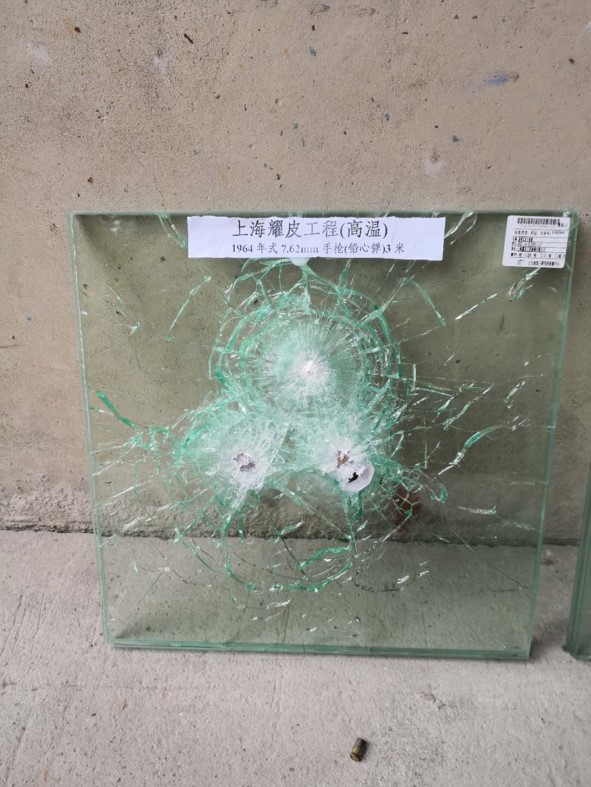
Safety considerations in modern buildings require glazing solutions that perform under extreme stress, and this is a critical reason why special glass is essential. Special glass formulated with tempered treatment or lamination technology resists impact far better than standard glass, providing enhanced security for high-risk areas such as storefronts, banking facilities, and government buildings. Laminated special glass maintains structural integrity even when fractured, preventing glass shards from becoming projectiles and protecting occupants during accidents or natural disasters. Special glass rated for hurricane zones or seismic regions meets stringent performance standards that conventional glazing simply cannot satisfy. The structural reliability of special glass reduces liability concerns and provides building owners with confidence that their investment is protected against foreseeable hazards.
Long-Term Durability and Maintenance Considerations
Special glass coatings and treatments have advanced to the point where they maintain their performance characteristics over decades of exposure to UV radiation, temperature cycling, and moisture. Unlike older low-emissivity coatings that degraded after 10 to 15 years, modern special glass maintains consistent thermal and optical properties throughout its lifespan, often exceeding 30 years. Special glass with self-cleaning properties reduces maintenance costs and extends the visible clarity of facades, which is particularly valuable in urban environments where pollution and weather exposure are significant concerns. The durability of special glass represents a long-term investment that continues delivering energy savings, safety benefits, and aesthetic appeal throughout the building's operational life.
Sustainability and Environmental Responsibility
Reducing Carbon Footprint Through Advanced Glazing
Environmental responsibility has become central to architectural decision-making, and special glass directly supports sustainability goals. Special glass reduces operational energy consumption, which eliminates carbon emissions associated with heating and cooling over the building's lifetime. The embodied carbon in manufacturing special glass is quickly offset through the energy savings it generates, typically within five years or less. Special glass contributes substantially to achieving carbon-neutral building certifications, helping architects and developers meet increasingly stringent environmental regulations. Buildings designed with special glass often qualify for green building incentives, tax credits, and premium valuation in the real estate market, making environmental responsibility economically rewarding.
Recyclability and Circular Economy Principles
Modern special glass formulations support circular economy principles by maintaining recyclability at end-of-life. Special glass can be collected and reprocessed without significant loss of material value, unlike some composite glazing systems. The coating technologies used in special glass have become increasingly compatible with recycling processes, ensuring that future generations can extract maximum value from today's buildings. Special glass manufacturers are investing in recycling infrastructure and developing take-back programs that ensure responsible material stewardship. This commitment to circular design principles makes special glass a responsible choice for architects concerned with long-term environmental impact and resource efficiency.
FAQ
What types of special glass are most commonly used in modern architecture?
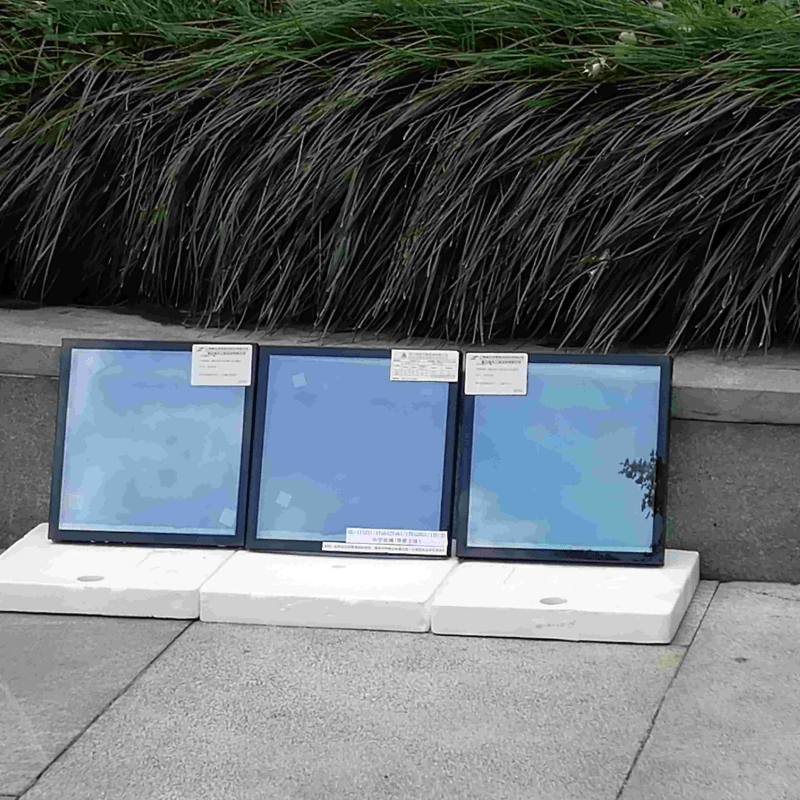
Modern architecture primarily uses special glass in the form of low-emissivity coatings, tempered glass, laminated glass, and insulated glass units. Special glass with argon or krypton gas fills between panes provides superior insulation compared to air-filled units. Switchable special glass that changes opacity based on electrical input is increasingly popular in contemporary designs. Acoustic special glass is used in buildings near airports or highways to reduce noise transmission. Each type of special glass addresses specific performance requirements determined by the building's location, function, and design objectives. Architects select special glass types based on detailed energy modeling and performance simulations that predict real-world behavior.
How does special glass contribute to indoor comfort and occupant well-being?
Special glass enhances indoor comfort by controlling glare, maintaining stable interior temperatures, and allowing optimal daylighting penetration. Special glass reduces radiant temperature differences between window surfaces and interior spaces, eliminating the cold draft sensation that occupants experience with conventional glazing. The thermal stability provided by special glass creates more consistent temperature distribution throughout occupied spaces, improving productivity and satisfaction. Special glass designed for specific light transmission properties ensures that natural daylight benefits—circadian rhythm support and psychological well-being—are preserved while excessive solar heat is controlled. These comfort benefits translate into measurable improvements in occupant health metrics, reduced absenteeism, and enhanced quality of life in buildings constructed with special glass.
Is special glass more expensive than conventional glazing, and how does cost compare to long-term savings?
Special glass typically costs 20 to 30 percent more per unit area than standard double-pane glazing, representing a higher initial capital investment. However, special glass cost analysis must include lifecycle economics rather than simple upfront price comparison. The energy savings generated by special glass installations typically recover the initial investment premium within 5 to 10 years, depending on climate, building size, and energy prices. Over a 30-year building lifespan, special glass generates cost savings that often exceed the initial premium by a factor of three or more. Additionally, special glass reduces maintenance costs, improves property valuation, qualifies buildings for incentive programs, and provides risk mitigation benefits that further enhance the financial case for adoption. When evaluated holistically, special glass represents one of the most economically rational investments in building performance available to architects and developers.