
 EN
EN
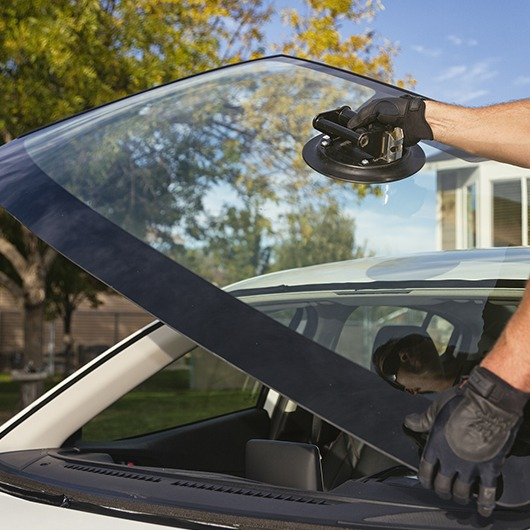
A damaged windshield is one of those vehicle problems that drivers often delay addressing, assuming it is a minor inconvenience rather than a serious safety concern. However, the windshield is a critical structural component of any vehicle, providing essential support to the roof and protecting occupants during a collision or rollover. Knowing when to repair your windshield and when to replace it entirely is not just about cost — it is about making a responsible, informed decision that keeps you and your passengers safe on the road.
Every windshield damage situation is different. A tiny chip in the corner of the windshield behaves very differently from a long crack running across the driver's line of sight. Understanding the key factors that determine whether a windshield can be repaired or must be replaced will help you act quickly, avoid unnecessary costs, and maintain the full integrity of your vehicle's safety system. This guide breaks down the decision-making process in clear, practical terms.
Factors That Determine Windshield Repair Eligibility
Size and Depth of the Windshield Damage
The most immediate factor when evaluating a damaged windshield is the size of the chip or crack. In general, windshield chips smaller than one inch in diameter and cracks shorter than three inches are strong candidates for repair. A windshield repair involves injecting a clear resin into the damaged area, which bonds with the glass and prevents the damage from spreading. This process can restore the structural strength of the windshield and improve its optical clarity significantly.
Depth matters just as much as size. The windshield is a laminated safety glass composed of two layers of glass bonded by a plastic interlayer. If the windshield damage has only penetrated the outer glass layer, repair is often viable. However, if the crack or chip has reached the inner layer or the plastic interlayer itself, the windshield has lost too much structural integrity for a repair to be sufficient, and full windshield replacement becomes necessary.
Location of the Damage on the Windshield
Location is a decisive factor for any windshield damage assessment. Damage near the edge of the windshield is problematic because edge cracks tend to spread rapidly and compromise the bonding between the windshield and the vehicle frame. Even a short edge crack may require full windshield replacement. Similarly, any windshield damage directly in the driver's primary line of vision is typically grounds for replacement, because even a successfully repaired windshield in that zone may retain visual distortion that impairs safe driving.
Damage that falls over or near embedded sensors, such as rain sensors, camera systems, or heads-up display zones, also complicates the windshield repair decision. Modern vehicles rely on advanced driver assistance systems that depend on a perfectly clear and properly calibrated windshield. If windshield damage interferes with these systems, replacement and recalibration are almost always required.
When Windshield Replacement Is the Only Safe Choice
Extensive Cracking Across the Windshield Surface
When a windshield has multiple cracks, a crack longer than six inches, or a damage pattern that spreads across a large portion of the glass surface, repair is no longer a reliable option. The windshield in this condition cannot be restored to the level of strength and clarity needed for safe vehicle operation. Attempting to repair a severely compromised windshield could give a false sense of security while leaving the glass vulnerable to sudden failure under road vibration, temperature changes, or impact stress.
Spiderweb cracks, bullseye damage larger than an inch, or any windshield damage that has caused the glass to partially separate from the interlayer are all signs that the windshield must be replaced. In these cases, the windshield's ability to perform its role in a crash — including supporting airbag deployment — is seriously diminished. Safety professionals consistently advise that a structurally weakened windshield is not acceptable regardless of the cost of replacement.
Age and Pre-existing Condition of the Windshield
An older windshield with existing pitting, scratches, delamination, or hazing presents additional challenges when new damage occurs. Even if the fresh crack or chip might qualify for repair under normal conditions, an already degraded windshield may not hold the repair resin properly or deliver the optical clarity needed after the repair process. In these cases, replacing the windshield entirely is both safer and more cost-effective over the long term.
Environmental exposure also accelerates windshield deterioration. A windshield that has been subjected to extreme temperature cycling, heavy UV exposure, or repeated minor impacts may be approaching the end of its reliable service life. If a new impact damages a windshield in this condition, replacement provides a clean foundation with full structural integrity rather than adding a repair on top of an already compromised windshield surface.
Timing and the Cost of Delaying Windshield Action
Why Early Windshield Action Saves Money
One of the most practical reasons to evaluate windshield damage immediately is that small problems grow quickly. A minor windshield chip that qualifies for a simple, affordable repair can transform into a long crack within days under the stress of road vibration, temperature changes, or even a car door slamming. Once a windshield crack reaches a length or location that disqualifies it from repair, the only remaining option is a full windshield replacement, which costs significantly more. Addressing windshield damage early keeps the repair option open and avoids the higher expense of replacement.
Legal and Insurance Considerations for Windshield Damage
In many regions, driving with a cracked or damaged windshield that obstructs the driver's view is a legal violation and can result in fines or failed vehicle inspections. Many auto insurance policies cover windshield repair at no cost to the policyholder, while windshield replacement may require paying a deductible. Knowing the terms of your coverage before deciding between repair and replacement can influence the timing and financial outcome of your decision. Some insurers also prefer windshield repair over replacement when eligible because it costs them less, which can work in your favor.
FAQ
Can a long windshield crack always be repaired?
No. A windshield crack longer than approximately three inches is generally considered too long for a reliable repair. The windshield repair resin cannot fully stabilize a long crack, and the structural integrity of the windshield cannot be adequately restored. In most cases, a long windshield crack requires full replacement to ensure safety.
How quickly should I act after my windshield is damaged?
You should evaluate and address windshield damage as soon as possible, ideally within a day or two. Temperature changes, road vibration, and moisture can all cause a small windshield chip or crack to expand rapidly. Acting quickly keeps the repair option available and prevents the damage from spreading to a point where full windshield replacement becomes necessary.
Does windshield replacement affect my vehicle's safety systems?
Yes, on many modern vehicles, windshield replacement must be followed by recalibration of cameras and sensors mounted at or near the windshield. These systems, which support lane-keeping assistance, automatic emergency braking, and other driver aids, rely on precise alignment through the windshield. Always ensure that any windshield replacement service includes the necessary recalibration steps for your specific vehicle model.