
 EN
EN
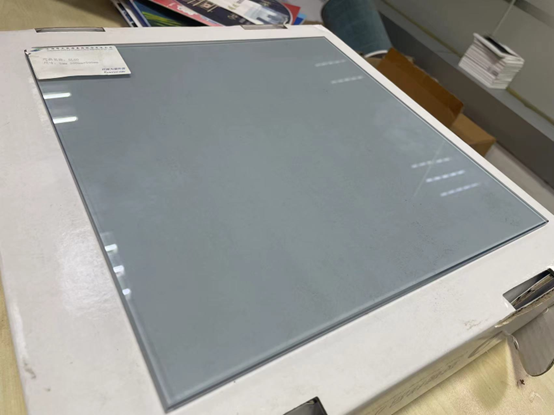
Modern vehicle safety depends heavily on the structural integrity and optical clarity of autoglass components throughout your car or truck. From the front windshield that protects passengers from debris to side windows that enable proper visibility, autoglass serves as a critical barrier between occupants and external hazards while maintaining the vehicle's aerodynamic properties. Understanding how autoglass functions in your vehicle's safety system helps drivers make informed decisions about maintenance, replacement, and upgrades that can significantly impact their protection on the road.
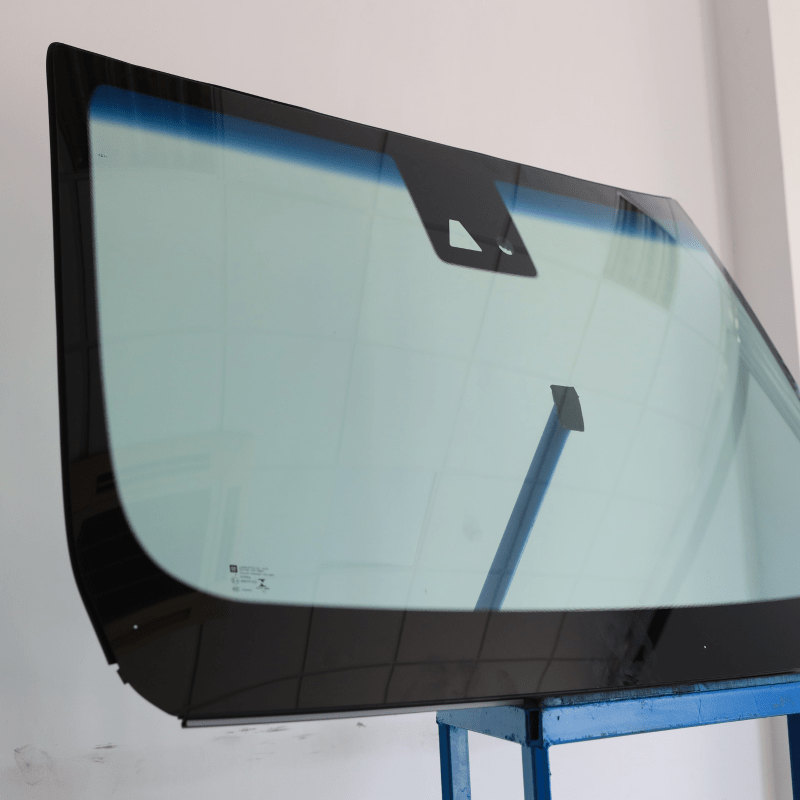
Structural Protection Functions of Autoglass
Impact Resistance and Barrier Protection
Autoglass serves as the primary defense mechanism against flying debris, insects, weather elements, and potential collision impacts that could otherwise cause serious injury to vehicle occupants. The laminated construction of windshields includes multiple layers of glass bonded with polyvinyl butyral interlayers that prevent complete shattering upon impact. This design ensures that even when autoglass sustains damage from road debris or minor accidents, it maintains enough structural integrity to continue protecting passengers until proper replacement can be arranged.
The strength characteristics of modern autoglass extend beyond simple impact resistance to include resistance to temperature fluctuations, pressure changes, and environmental stress factors. Tempered side windows and rear glass provide additional protection by crumbling into small, relatively harmless pieces when broken, reducing the risk of lacerations during accidents. These safety features make autoglass an integral component of your vehicle's overall protective shell rather than merely a transparent barrier.
Structural Support for Vehicle Frame
Contemporary vehicle designs rely on autoglass to contribute significantly to the overall structural rigidity of the passenger compartment, particularly during rollover accidents or side-impact collisions. The windshield works in conjunction with the vehicle's A-pillars to maintain roof integrity and prevent cabin intrusion during severe impacts. Properly installed autoglass can support up to three times the weight of the vehicle itself, making it essential for maintaining the protective cage that surrounds passengers.
When autoglass becomes damaged or improperly installed, the entire structural integrity of your vehicle becomes compromised, potentially reducing the effectiveness of airbags and increasing the risk of ejection during accidents. The adhesive systems used to bond autoglass to the vehicle frame create a continuous structural element that distributes impact forces across the entire passenger compartment rather than concentrating stress at individual points.
Visibility and Optical Safety Features
Clear Vision and Distortion Prevention
The optical properties of autoglass directly influence driver safety by ensuring clear, undistorted vision of road conditions, traffic signals, and potential hazards in all directions around the vehicle. High-quality autoglass maintains consistent thickness and surface smoothness that prevents visual distortions that could lead to misjudgments of distance, speed, or object size. Modern manufacturing processes ensure that autoglass meets strict optical standards that support safe driving in various lighting conditions and weather scenarios.
Advanced autoglass technologies include anti-reflective coatings and UV protection that reduce glare and eye strain during extended driving periods. These features become particularly important during dawn and dusk driving when lighting conditions change rapidly and drivers need maximum visual clarity to identify potential hazards. The thermal properties of autoglass also prevent fogging and ice formation that could obstruct vision during critical driving moments.
Light Transmission and Glare Control
Proper light transmission through autoglass ensures that drivers receive adequate visual information while protecting them from harmful ultraviolet radiation and excessive glare from oncoming headlights or reflected sunlight. The tinting properties of side and rear autoglass help reduce interior heat buildup and glare without compromising the driver's ability to see clearly through mirrors and windows. These characteristics contribute to reduced driver fatigue and improved reaction times during challenging driving conditions.
The reflective properties of autoglass also play a role in maintaining privacy and security while ensuring that emergency responders can see into the vehicle when necessary. Regulations governing autoglass light transmission ensure that safety requirements are met while allowing manufacturers to incorporate comfort and aesthetic features that enhance the overall driving experience.
Weather Protection and Climate Control
Wind and Rain Barrier Systems
Autoglass creates an essential barrier against wind, rain, snow, and other weather elements that would otherwise make vehicle operation dangerous or impossible. The aerodynamic shape and precise fit of autoglass components reduce wind noise and turbulence inside the passenger compartment while maintaining the vehicle's fuel efficiency and stability at highway speeds. The sealed installation of autoglass prevents water infiltration that could damage electrical systems or create unsafe driving conditions due to interior fogging.
During severe weather events, autoglass protects occupants from hail, flying debris, and extreme temperature variations that could pose serious health risks. The insulating properties of multi-layer autoglass help maintain comfortable interior temperatures while reducing the load on heating and cooling systems. This protection becomes particularly important during emergency situations when occupants may need to remain in the vehicle for extended periods.
Temperature Regulation and Comfort
Modern autoglass incorporates thermal management features that help regulate interior temperatures and reduce the energy required for climate control systems. Heated windshields and rear windows prevent ice and fog formation that could compromise visibility during winter driving conditions. The thermal properties of autoglass also prevent rapid temperature changes that could cause discomfort or distraction while driving.
The UV protection provided by autoglass prevents interior materials from fading and cracking while protecting occupants from harmful solar radiation that could cause skin damage during long trips. These protective features contribute to the long-term value and safety of your vehicle while ensuring that the interior environment remains comfortable and conducive to safe driving practices.
Airbag System Integration and Safety
Passenger Airbag Support Structure
The windshield serves as a critical support surface for passenger airbag deployment, providing the necessary resistance to ensure proper airbag inflation and positioning during collision events. When autoglass is damaged or improperly installed, the passenger airbag may not deploy correctly, potentially increasing injury risk or reducing the effectiveness of the safety system. The adhesive bond between autoglass and the vehicle frame must maintain specific strength characteristics to support the forces generated during airbag deployment.
Modern vehicles integrate multiple airbag systems that rely on various autoglass components for proper operation, including side-impact airbags that work in conjunction with side window designs and curtain airbags that deploy along the roof line where autoglass meets the vehicle structure. The timing and positioning of these safety systems depend on the structural integrity of autoglass to function as designed by vehicle manufacturers.
Occupant Retention During Accidents
Properly installed autoglass helps prevent occupant ejection during rollover accidents and severe collisions by maintaining the integrity of the passenger compartment opening. Statistics show that ejection from a vehicle during an accident significantly increases the risk of fatal injury, making the retention function of autoglass a critical safety feature. The laminated construction of windshields creates a flexible but strong barrier that can stretch and absorb impact energy while preventing complete failure.
The retention capabilities of autoglass work in conjunction with seatbelt systems and other passive safety features to create a comprehensive protection system for all vehicle occupants. When autoglass fails during an accident, the risk of partial or complete ejection increases dramatically, particularly for occupants who are not properly restrained or who are seated near damaged glass areas.
Maintenance and Safety Considerations
Damage Assessment and Replacement Timing
Regular inspection of autoglass for chips, cracks, and other damage helps ensure that safety functions remain intact and effective throughout the vehicle's operational life. Small chips and cracks can spread rapidly under stress from temperature changes, vibration, and normal driving forces, potentially compromising the structural integrity of the entire autoglass component. Understanding when damage requires immediate attention versus when it can be temporarily monitored helps drivers make informed safety decisions.
Professional assessment of autoglass damage takes into account factors such as crack location, size, depth, and proximity to stress concentration points that could accelerate failure. Damage in the driver's primary vision area requires immediate attention regardless of size, while peripheral damage may be monitored if it meets specific safety criteria. The age and condition of surrounding autoglass components also influence replacement timing and safety considerations.
Quality Standards and Installation Requirements
The safety performance of autoglass depends not only on the quality of the glass itself but also on proper installation techniques and adhesive systems that create the necessary bond strength and seal integrity. Professional installation ensures that autoglass meets original equipment manufacturer specifications for fit, optical quality, and structural performance. Substandard installation can compromise safety features even when high-quality autoglass components are used.
Quality autoglass products undergo extensive testing for impact resistance, optical clarity, thermal cycling, and environmental durability to ensure consistent safety performance throughout their service life. Certification standards and manufacturing processes help ensure that replacement autoglass provides the same level of protection as original equipment while maintaining compatibility with advanced vehicle safety systems and features.
FAQ
How does damaged autoglass affect airbag performance
Damaged or improperly installed autoglass can significantly compromise airbag deployment effectiveness, particularly passenger-side airbags that rely on the windshield for support during inflation. Cracks or weak adhesive bonds may cause the windshield to separate during airbag deployment, allowing the airbag to push through the opening rather than providing proper occupant protection. This can result in reduced protection and potential injury from airbag malfunction during accidents.
What safety features should I look for in replacement autoglass
Quality replacement autoglass should include laminated construction for windshields, proper thickness specifications, UV protection, and compatibility with your vehicle's safety systems including airbags and advanced driver assistance features. Look for products that meet DOT standards and OEM specifications, include appropriate tinting levels for your region, and come with professional installation that ensures proper adhesive curing and seal integrity for maximum safety performance.
How often should autoglass be inspected for safety issues
Autoglass should be inspected monthly for chips, cracks, and other damage, with immediate professional assessment required for any damage in the driver's primary vision area or cracks longer than six inches. Environmental factors such as extreme temperature changes, severe weather, and road construction may require more frequent inspections. Annual professional inspections help identify developing issues and ensure that older autoglass continues to meet safety requirements.
Can autoglass safety be affected by aftermarket modifications
Aftermarket tinting, coatings, or mounting systems can potentially compromise autoglass safety if they alter the structural properties, visibility characteristics, or compatibility with vehicle safety systems. Any modifications should be performed by qualified professionals using approved materials that maintain the original safety specifications of the autoglass. Improper modifications can affect everything from optical clarity to airbag deployment and should be avoided to maintain maximum vehicle safety.