
 EN
EN
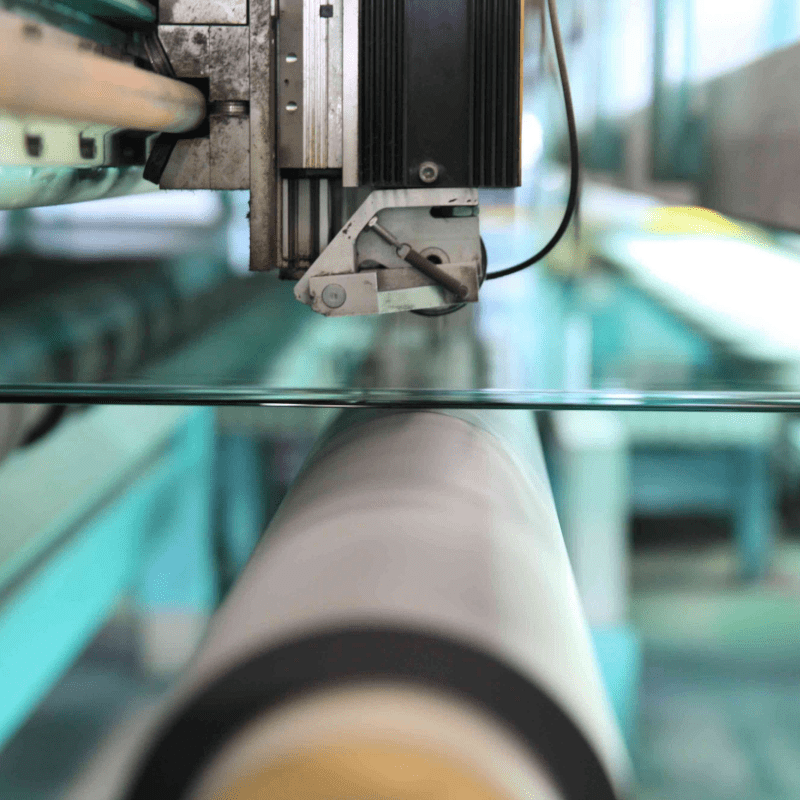
The selection and performance of coated glass systems represent a critical decision point for architects, engineers, and building professionals working across diverse climate zones. Modern construction projects demand glazing solutions that can withstand extreme temperature fluctuations, humidity variations, and environmental stressors while maintaining optimal energy efficiency and occupant comfort. Understanding how different coating technologies respond to specific climate conditions enables professionals to make informed decisions that enhance building performance and longevity.
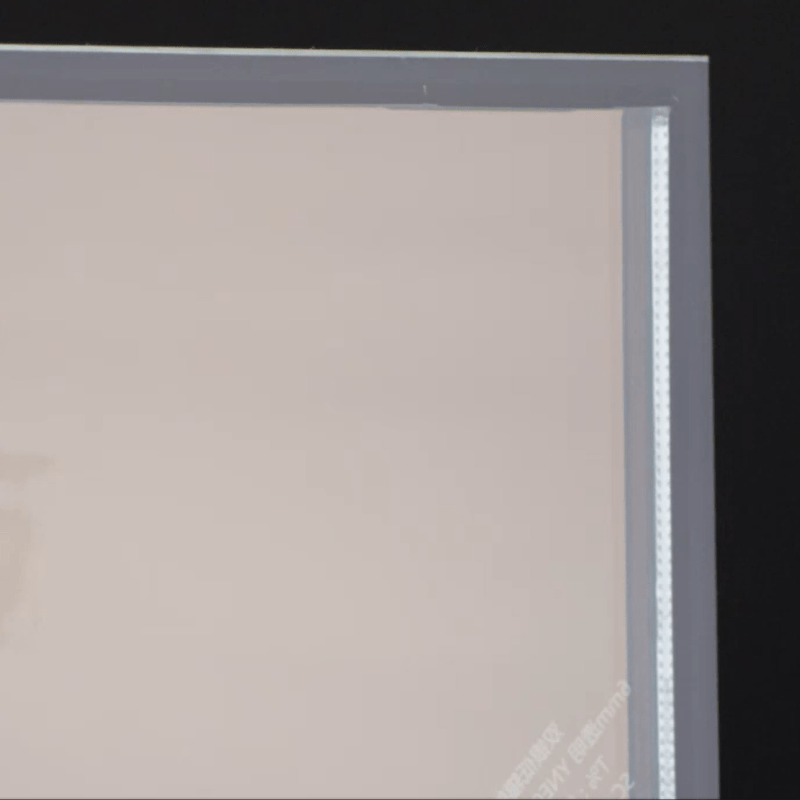
Climate-specific considerations extend beyond simple temperature ranges to encompass factors such as solar radiation intensity, precipitation patterns, wind loads, and seasonal variation extremes. Each coating technology offers distinct advantages depending on the environmental context, making strategic selection essential for project success. Professional specification of coated glass requires comprehensive analysis of local weather data, building orientation, and intended use patterns to optimize performance outcomes.
Climate Zone Analysis for Coated Glass Applications
Tropical and Subtropical Climate Performance
Tropical environments present unique challenges for coated glass installations due to consistently high temperatures, elevated humidity levels, and intense solar radiation throughout the year. In these regions, coated glass systems must prioritize solar heat gain reduction while maintaining visual clarity and durability under constant thermal stress. Low-emissivity coatings with high solar reflectance properties prove particularly effective in minimizing cooling loads and reducing energy consumption.
The performance characteristics of coated glass in tropical climates depend heavily on coating placement and composition. Surface-four low-E coatings typically outperform surface-two applications in hot climates due to their ability to reflect solar energy before it enters the building envelope. Additionally, the durability of metallic coatings becomes critical in high-humidity environments where corrosion resistance determines long-term performance.
Monsoon conditions and tropical storms create additional performance requirements for coated glass systems. The coating must withstand rapid temperature changes associated with heavy rainfall and maintain adhesion integrity under extreme wind pressures. Multi-layer coating systems often demonstrate superior resilience compared to single-layer alternatives in these demanding conditions.
Temperate Climate Considerations
Temperate climate zones require coated glass solutions that can efficiently manage seasonal variations while optimizing energy performance across both heating and cooling seasons. The ideal coating specification balances solar heat gain during winter months with heat rejection during summer periods. This dual-season optimization makes temperate climates particularly suitable for advanced selective coated glass technologies.
Freeze-thaw cycles present specific challenges for coated glass performance in temperate regions. The expansion and contraction of the glass substrate can stress coating layers, potentially leading to delamination or optical degradation over time. High-quality coated glass systems incorporate flexible coating matrices that accommodate thermal movement without compromising performance.
Spring and autumn seasons in temperate climates often feature significant diurnal temperature ranges that test coating durability. The ability of coated glass to maintain consistent optical and thermal properties throughout these temperature swings becomes a key performance indicator for long-term building operation efficiency.
Advanced Coating Technologies and Climate Adaptability
Low-Emissivity Coating Performance Metrics
Modern low-emissivity coated glass technologies demonstrate remarkable adaptability across different climate conditions through careful engineering of coating composition and structure. The emissivity values of these coatings directly impact thermal performance, with lower emissivity ratings providing enhanced insulation properties regardless of climate zone. Understanding the relationship between emissivity and climate-specific performance enables optimal specification decisions.
Silver-based low-E coatings represent the current state-of-the-art in climate-adaptive coated glass technology. These systems achieve emissivity values as low as 0.03 while maintaining high visible light transmission, making them suitable for applications ranging from arctic conditions to desert environments. The thermal stability of silver coatings ensures consistent performance across extreme temperature ranges.
Pyrolytic hard-coat technologies offer enhanced durability in harsh climate conditions where coating protection becomes paramount. While these coated glass systems may sacrifice some thermal performance compared to soft-coat alternatives, their superior resistance to environmental degradation makes them ideal for extreme climate applications or situations where glazing replacement would be challenging.
Solar Control Integration Strategies
Solar control properties of coated glass systems must be carefully calibrated to match specific climate conditions and building orientation factors. High-performance coated glass incorporates spectral selectivity that allows beneficial daylight penetration while rejecting unwanted infrared radiation. This selective approach optimizes occupant comfort and reduces artificial lighting requirements across all climate zones.
The solar heat gain coefficient of coated glass varies significantly with climate requirements, ranging from maximum rejection values of 0.20 in cooling-dominated climates to higher values of 0.40 or more in heating-dominated regions. This variability demonstrates the importance of climate-specific specification rather than universal coating selection approaches.
Dynamic solar control represents an emerging frontier in climate-adaptive coated glass technology. These systems can adjust their solar transmission properties in response to changing environmental conditions, providing optimal performance across seasonal variations and daily weather patterns. While still developing, these technologies show promise for complex climate applications.
Installation and Maintenance Considerations
Climate-Specific Installation Requirements
Proper installation techniques for coated glass systems vary significantly based on local climate conditions and environmental stressors. Hot climate installations require careful attention to thermal expansion joints and sealant selection to accommodate extreme temperature ranges. The coefficient of thermal expansion for coated glass assemblies must be matched to supporting structural systems to prevent stress concentrations.
Cold climate installations demand specific attention to condensation control and thermal bridging prevention. Coated glass systems in these environments often incorporate warm-edge spacer technologies and enhanced edge sealing to maintain insulating performance throughout harsh winter conditions. The integration of coated glass with insulated glazing unit construction becomes critical for preventing edge failures.
Coastal environments present unique installation challenges due to salt spray exposure and high humidity levels. Coated glass installations in these locations require enhanced corrosion protection measures and specialized sealant formulations designed to resist marine atmospheric conditions. Regular inspection schedules become essential for maintaining long-term performance.
Maintenance Protocols and Performance Monitoring
Maintenance requirements for coated glass systems depend heavily on local climate conditions and environmental exposure levels. Desert climates with frequent dust storms require more aggressive cleaning protocols to maintain optical clarity and solar performance. The selection of appropriate cleaning solutions becomes critical to avoid coating damage during routine maintenance.
Performance monitoring systems for coated glass installations should incorporate climate-specific metrics that track thermal performance, optical degradation, and coating integrity over time. These monitoring programs enable proactive maintenance scheduling and help identify potential performance issues before they impact building operation.
Preventive maintenance protocols for coated glass should account for seasonal climate variations and their impact on coating performance. Spring inspections following winter weather exposure, summer assessments after peak thermal stress, and autumn preparations for upcoming severe weather help ensure optimal performance throughout the year.
Economic and Performance Optimization
Life-Cycle Cost Analysis
Economic optimization of coated glass systems requires comprehensive analysis of initial costs, energy performance benefits, and long-term maintenance expenses across the expected service life. Climate-specific factors significantly impact these calculations, with harsh environments potentially justifying higher initial investments in premium coated glass technologies to reduce replacement and maintenance costs.
Energy savings potential varies dramatically based on climate zone and coated glass specification. Cooling-dominated climates may achieve energy cost reductions of 30-50% through strategic coated glass selection, while heating-dominated regions might realize 20-30% savings through optimized low-E coating systems. These savings compound over the building lifecycle, often justifying premium coated glass investments.
Financing models for coated glass systems increasingly incorporate climate performance guarantees and energy savings projections. These approaches help building owners understand the long-term value proposition of advanced coated glass technologies and support investment decisions based on total cost of ownership rather than initial capital requirements.
Performance Warranty Considerations
Warranty terms for coated glass systems should reflect the anticipated performance challenges associated with specific climate conditions. Manufacturers often provide climate-specific warranty coverage that addresses expected degradation rates and performance thresholds appropriate for local environmental conditions.
Extended warranty programs for coated glass installations in extreme climates help protect building owners from premature coating failure or performance degradation. These programs typically include regular performance assessments and predetermined replacement criteria based on measurable coating performance metrics.
Warranty enforcement mechanisms for coated glass systems should incorporate standardized testing protocols that account for climate-specific aging factors. These protocols ensure fair assessment of coating performance relative to environmental exposure levels and support warranty claim resolution processes.
FAQ
How does coated glass perform in extreme temperature variations
Coated glass performance in extreme temperature variations depends on coating composition and substrate compatibility. High-quality coated glass systems are engineered to accommodate thermal expansion and contraction cycles without compromising optical or thermal properties. Modern low-E coatings maintain performance integrity across temperature ranges from -40°F to 180°F, making them suitable for virtually all climate conditions worldwide.
What maintenance schedule is recommended for coated glass in different climates
Maintenance schedules for coated glass should be tailored to local climate conditions and environmental exposure levels. Desert climates typically require monthly cleaning due to dust accumulation, while temperate climates may only need quarterly maintenance. Coastal environments benefit from bi-monthly inspection and cleaning schedules to address salt spray deposits and humidity effects on coating performance.
Can coated glass reduce energy costs in all climate zones
Coated glass technologies can achieve energy cost reductions in all climate zones when properly specified for local conditions. The magnitude of savings varies from 15% in mild climates to over 50% in extreme climates with high cooling or heating demands. The key to maximizing energy savings lies in selecting coated glass systems with appropriate solar heat gain coefficients and U-values for the specific climate application.
What factors determine the lifespan of coated glass in harsh climates
The lifespan of coated glass in harsh climates depends on coating quality, installation practices, and environmental exposure intensity. Premium coated glass systems typically maintain performance for 20-25 years in severe climates, while standard systems may require replacement after 10-15 years. Factors such as UV exposure, temperature cycling, humidity levels, and air pollution concentrations all influence coating durability and long-term performance retention.