
 EN
EN
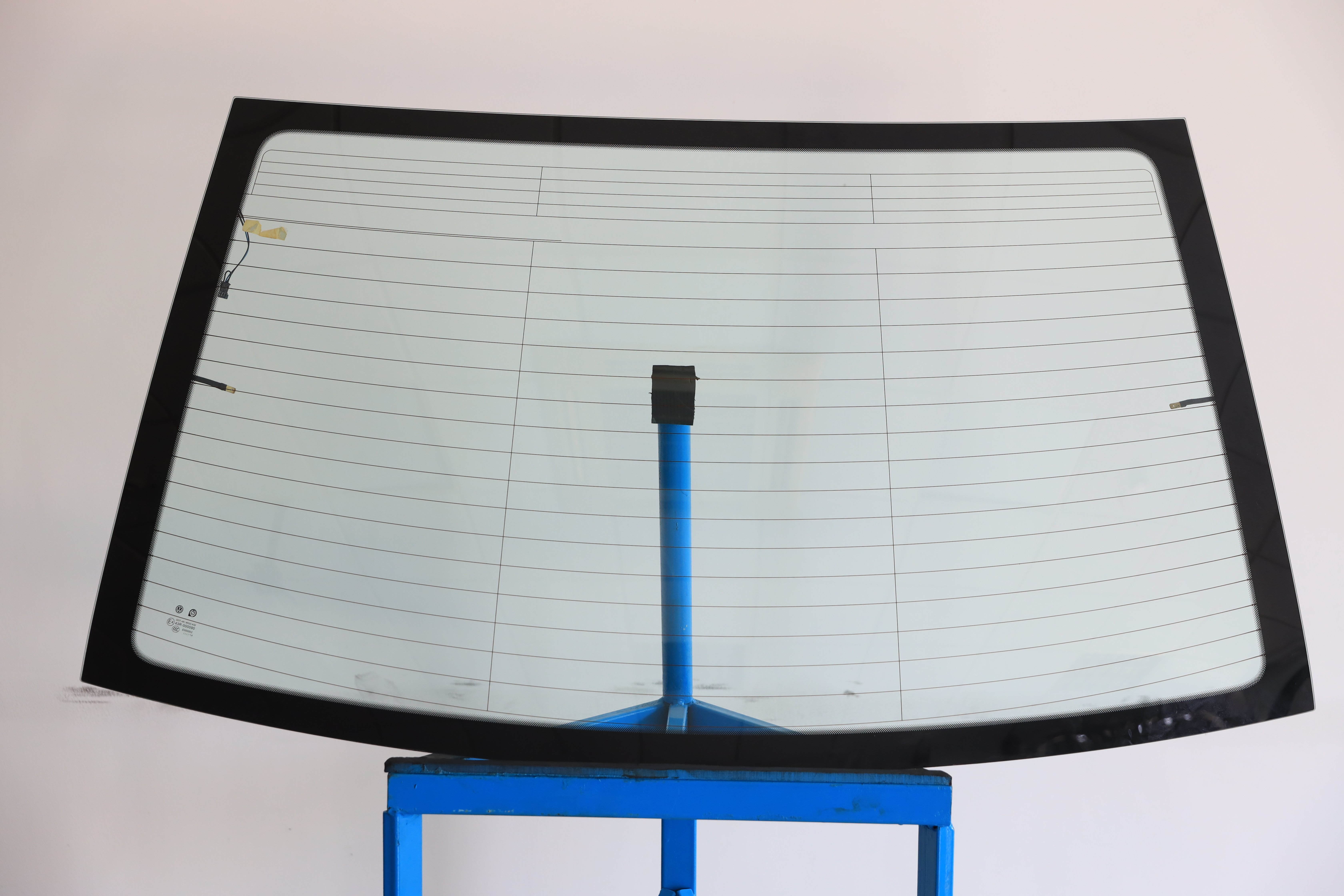
Weather plays a critical role in determining how long your autoglass will last and perform effectively. Understanding the relationship between environmental conditions and autoglass durability is essential for vehicle owners who want to protect their investment and maintain safety on the road. Extreme temperatures, UV radiation, moisture, and physical weather events all contribute to the degradation of autoglass over time, making it crucial to recognize these factors and take preventive action.
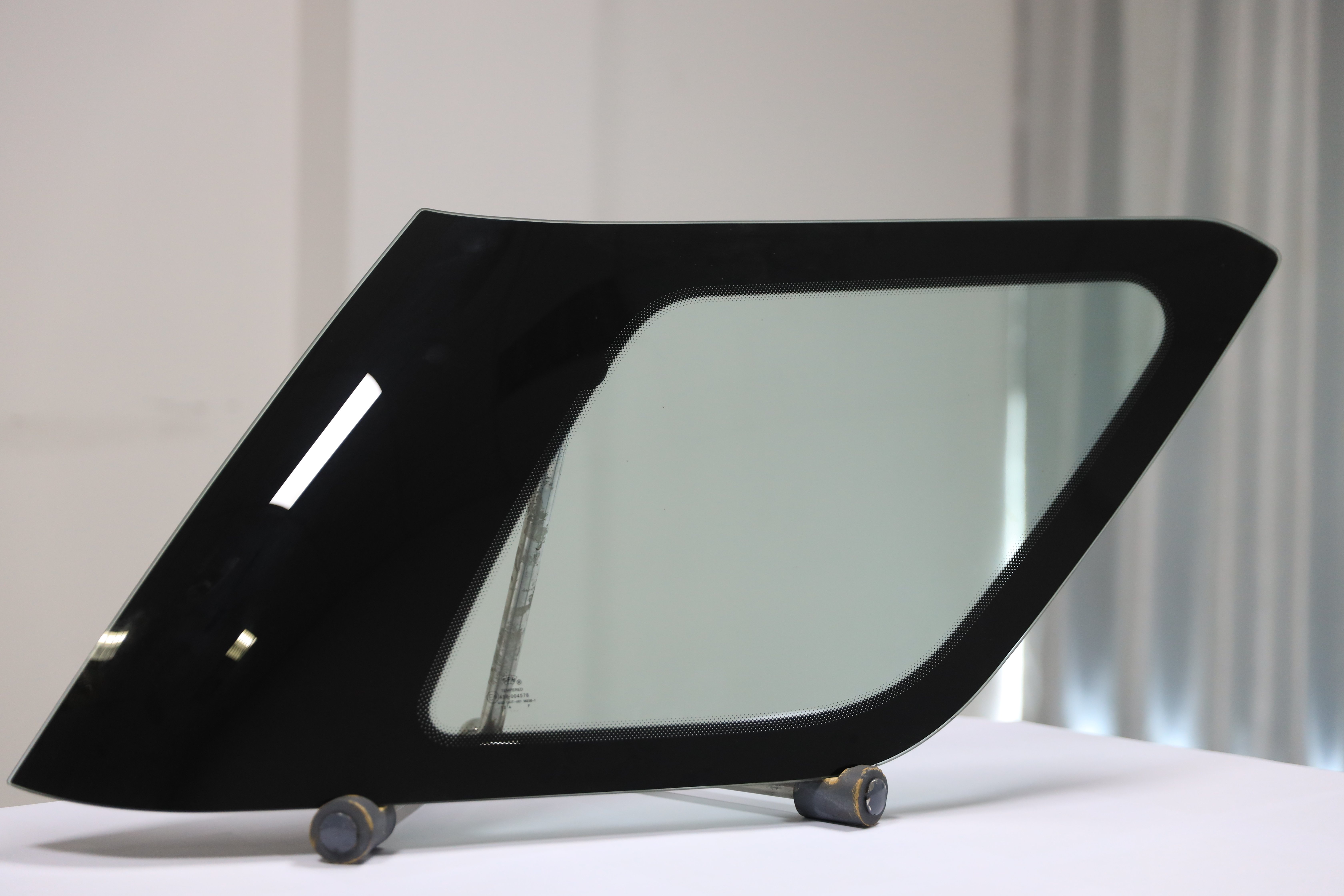
The durability of autoglass depends on both the glass composition and the environmental stressors it encounters. Your vehicle's autoglass is engineered to withstand normal driving conditions, but weather extremes can accelerate wear and compromise structural integrity. By learning how different weather patterns affect your autoglass, you can make informed decisions about maintenance schedules, protective treatments, and timely repairs that will extend the life of your windshield and keep you safer behind the wheel.
Temperature Fluctuations and Thermal Stress on Autoglass
How Rapid Temperature Changes Damage Autoglass
Temperature fluctuations create thermal stress that weakens autoglass over time. When your vehicle sits in the hot sun and then suddenly encounters cold rain or air conditioning, the glass expands and contracts rapidly. This constant cycling puts strain on the molecular structure of autoglass, particularly in areas where microchips or existing damage already exists. The stress concentrations caused by thermal cycling can turn minor imperfections into larger cracks that spread across your windshield, compromising both safety and structural support.
Cold climates pose especially severe challenges for autoglass durability. In winter conditions, morning frost and ice formation create localized temperature variations across the glass surface. When you apply hot defroster air directly to frozen autoglass, the sudden temperature differential can cause immediate cracking or crazing—a pattern of fine lines that spreads rapidly across the windshield. This thermal shock is one of the leading causes of windshield damage in regions experiencing harsh winters, and it significantly reduces the expected lifespan of your autoglass.
Thermal Stress Prevention Strategies
Protecting your autoglass from extreme thermal stress requires deliberate habits and maintenance practices. Allow your vehicle to warm up gradually before aggressively using defroster heat, especially in freezing conditions. Use room-temperature water or specialized windshield de-icing solutions instead of immediately pouring hot water on frozen autoglass. Park your vehicle in shaded areas during extreme heat to reduce the surface temperature of your windshield, and avoid sudden temperature changes that expose your autoglass to stress. Regular inspections help identify stress marks early, allowing you to address minor damage before thermal cycling converts them into dangerous cracks.
UV Radiation and Chemical Degradation of Autoglass
Ultraviolet Damage to Autoglass Composition
Ultraviolet radiation from sunlight causes chemical degradation within the autoglass material itself. UV exposure breaks down the polymer resins and interlayer compounds that hold laminated windshields together, reducing the adhesion between glass layers and the plastic interlayer. Over years of sun exposure, this degradation can cause the autoglass layers to separate or delaminate, creating visual haziness and reducing optical clarity. The effect is most pronounced in regions with intense sunlight, high altitude locations, and areas near the equator where UV intensity peaks throughout the year.
Environmental contaminants accelerate UV-related damage to autoglass significantly. Road salt, industrial pollutants, and airborne chemicals interact with UV-damaged glass surfaces, creating corrosive reactions that etch and weaken the autoglass material. In coastal regions where salt spray is constant, or in industrial areas with high pollution, the combination of UV radiation and chemical corrosion can dramatically reduce autoglass durability. The protective coatings applied during manufacturing break down under UV exposure, leaving bare glass vulnerable to these chemical attacks and environmental degradation.
Protecting Autoglass From UV Harm
UV protection films and ceramic coatings provide substantial defense against radiation damage to autoglass. These protective layers block up to 99% of harmful ultraviolet rays before they reach the glass substrate, significantly extending the operational life of your windshield. Professional-grade protective coatings also repel water and contaminants, reducing the chemical interaction that accelerates UV damage. Parking in covered structures and using sunshades whenever possible further minimizes UV exposure, particularly for vehicles stored for extended periods.
Moisture, Hail, and Impact Events
Moisture and Freezing Cycle Effects on Autoglass
Moisture infiltration through existing microcracks in autoglass becomes especially damaging in freezing climates. Water seeping into hairline fractures expands when it freezes, applying internal pressure that forces cracks to propagate outward across the glass surface. This freeze-thaw cycling repeatedly pushes autoglass structures beyond their elastic limits, converting manageable damage into structural failure. In humid environments where moisture constantly enters microfissures, the degradation accelerates rapidly, making immediate repair of even small autoglass damage critical before freezing temperatures arrive.
Seal deterioration around the autoglass perimeter allows moisture to penetrate the structural bonds holding the windshield to the vehicle frame. As rubber weatherstripping ages and becomes brittle from UV exposure and temperature extremes, water flows into gaps between the glass and frame, corroding metal fittings and compromising the seal integrity. This moisture ingress weakens the mechanical bond of autoglass to the vehicle, increasing the risk of windshield detachment during impacts and reducing the structural support your autoglass provides during accidents.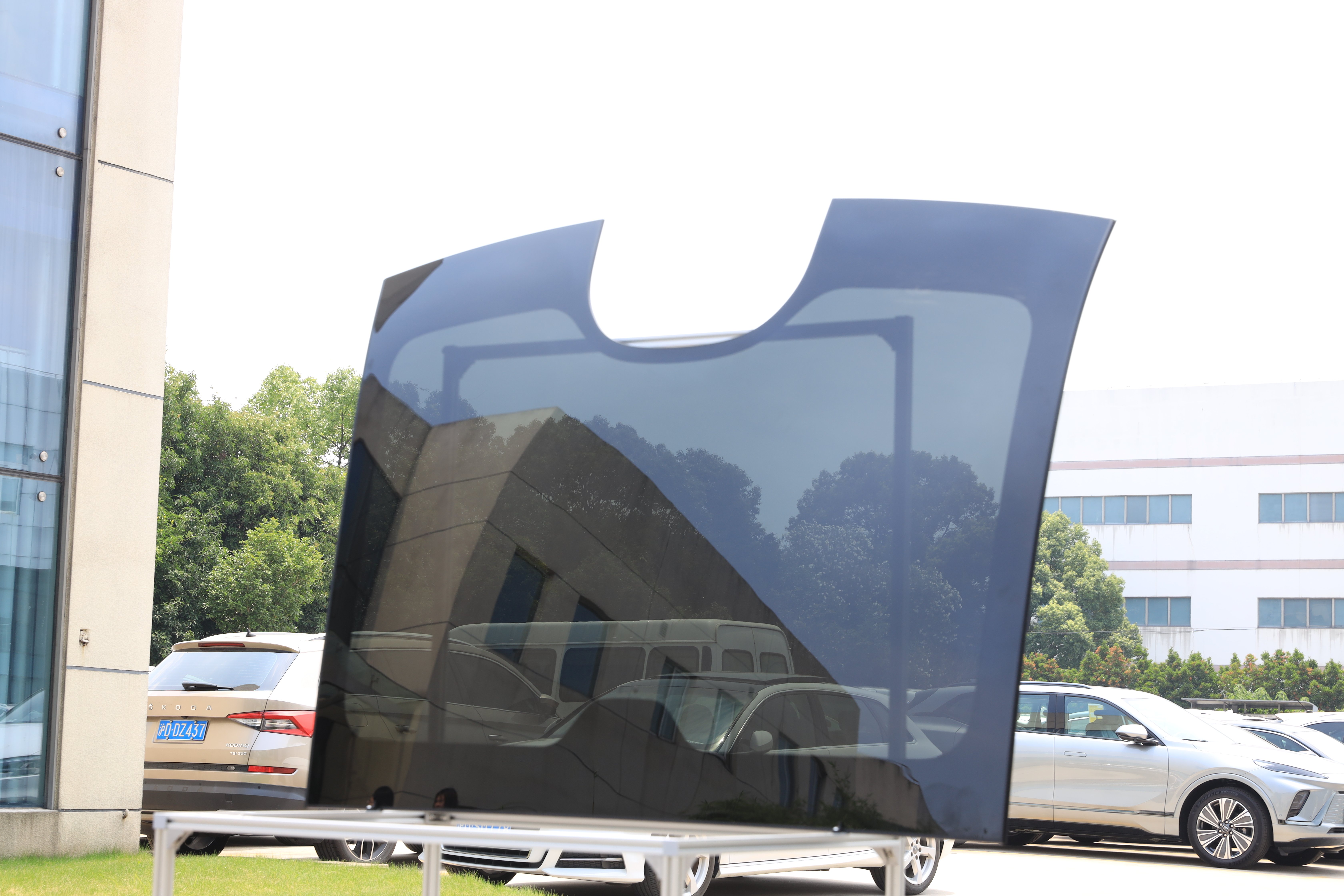
Hail and Impact Resistance During Severe Weather
Hailstorms present direct physical threats to autoglass durability through impact damage. Large hailstones striking at high velocity can cause immediate fractures, impact stars, and penetration holes that compromise the protective function of your windshield. The severity of hail damage depends on ice density, stone size, and the existing condition of your autoglass—glass already weakened by thermal stress or chemical degradation fractures more easily under impact. In hail-prone regions, comprehensive vehicle insurance and proactive autoglass maintenance become essential strategies for protecting your investment.
Minor impacts from road debris accumulate over time, creating stress concentrations that become failure points during subsequent weather events or temperature changes. Gravel, rocks, and road salt spray gradually pit and weaken autoglass surfaces, reducing their ability to distribute stress from new impacts. High-wind events that send debris flying intensify this damage cycle, particularly in areas experiencing frequent storms or dusty conditions. Protective films and reinforced autoglass coatings absorb and distribute impact energy more effectively, improving overall durability during severe weather seasons.
Seasonal Maintenance and Weather Adaptation Strategies
Spring and Summer Preparation
Preparing your autoglass for intense summer conditions involves cleaning, inspection, and protective treatment application. Remove road salt, mineral deposits, and chemical buildup that accumulated during winter months, as these contaminants continue degrading autoglass even during warmer seasons. Apply UV-blocking coatings and water-repellent treatments that provide additional defense against intense solar radiation and summer storms. Inspect autoglass carefully for existing damage that may have expanded during winter freeze-thaw cycles, addressing repairs before summer weather stresses worsen the condition.
Fall and Winter Hardening
Winter preparation focuses on preventing thermal shock and moisture infiltration damage to autoglass. Have weatherstripping seals inspected and replaced if cracked or deteriorated, ensuring water cannot enter gaps where autoglass meets the frame. Stock de-icing solutions and avoid high-temperature water or aggressive scraping that stresses cold autoglass. Schedule autoglass repairs before winter arrives, as frozen conditions make repair work more difficult and reduce cure times for adhesive and sealant materials. This proactive approach prevents winter weather from converting minor damage into catastrophic autoglass failure.
FAQ
Can weather cause autoglass to crack without impact damage?
Yes, weather conditions alone can cause autoglass to crack through thermal stress and moisture infiltration. Rapid temperature changes, especially in freezing climates, create internal stress that causes spontaneous cracking even without physical impact. Moisture-filled microcracks that freeze expand internally, propagating existing damage across the autoglass surface. Chemical degradation from UV radiation and environmental contaminants weakens the molecular structure over time, making autoglass more susceptible to cracking from minor events that would normally cause no damage.
How often should I inspect autoglass for weather-related damage?
Quarterly inspections are recommended for most regions, with more frequent checks in areas experiencing harsh weather or seasonal extremes. After severe storms, hailstorms, or significant temperature fluctuations, conduct immediate inspections to catch new damage early. Winter and spring transitions deserve special attention because freeze-thaw cycles often cause delayed damage that becomes visible weeks after initial weather events. Regular inspection catches early signs of autoglass degradation, allowing preventive maintenance that extends durability and prevents catastrophic failure during critical driving moments.
What protective treatments extend autoglass durability longest?
Professional-grade ceramic coatings and UV-blocking protective films provide the longest-lasting defense for autoglass durability. These treatments block harmful radiation, repel moisture and contaminants, and help distribute impact stress across wider glass areas. Hydrophobic treatments improve water drainage and reduce moisture infiltration into microcrack areas. Combining multiple protective strategies—sealant improvements, coating application, and careful driving habits—maximizes autoglass longevity. Quality matters significantly, so professional application ensures optimal protection and adhesion that inferior consumer products cannot match.