
 EN
EN
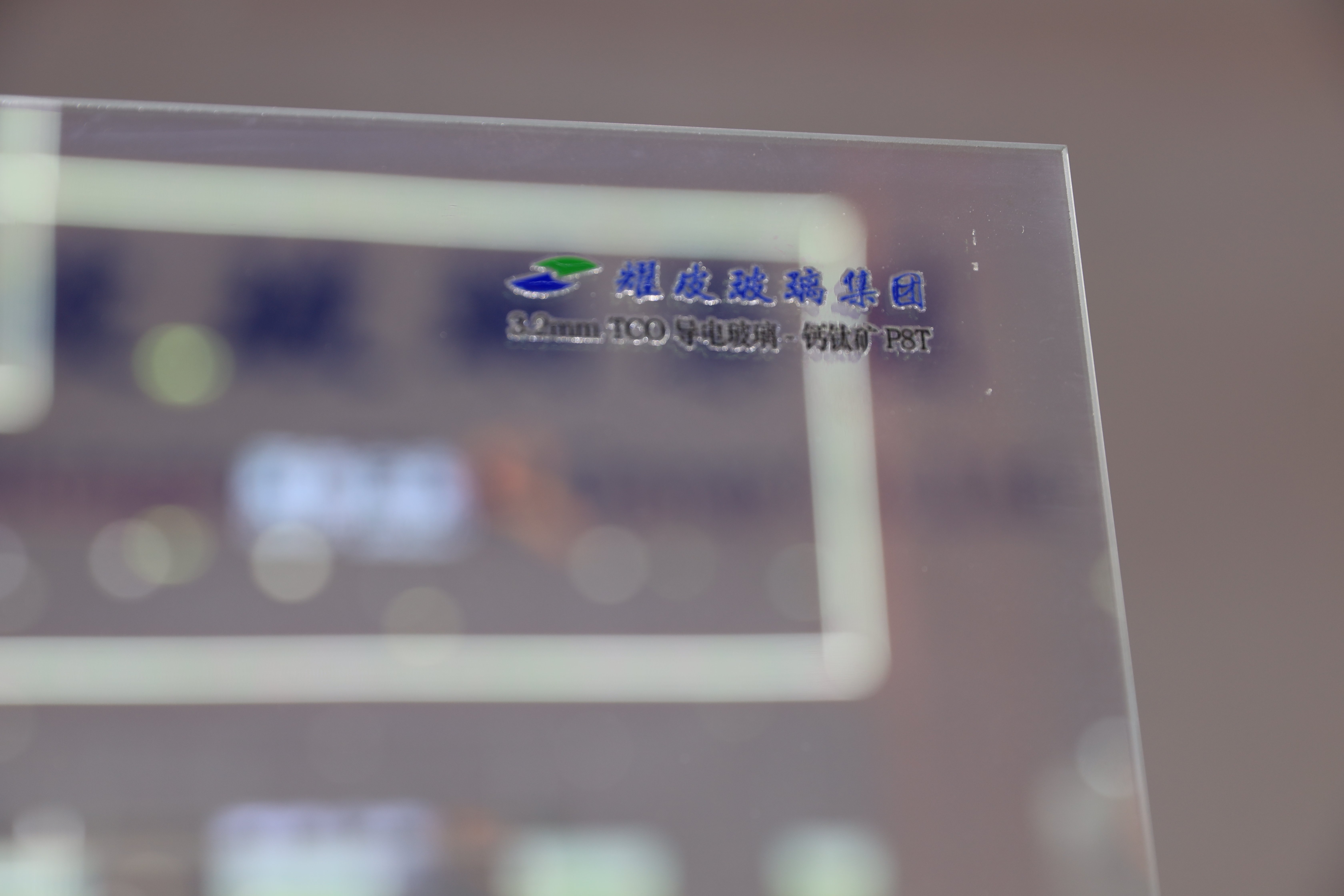
أكسيد موصل شفاف، المعروف عادة باسم زجاج TCO ، يمثل تقدماً حاسماً في تكنولوجيا الطاقة الشمسية الحديثة. هذه المادة المتخصصة تجمع بين الشفافية البصرية والقيادة الكهربائية، مما يخلق طبقة أساسية تعزز بشكل مباشر كفاءة تحويل الألواح الشمسية إلى كهرباء قابلة للاستخدام. فهم كيف زجاج TCO تحسين كفاءة الطاقة الشمسية يتطلب معرفة كل من علم المواد والمكاسب العملية التي يعتمد عليها المصنعون والمثبتون اليوم.

إن دمج زجاج أوكسيد الموصل الشفاف في أنظمة الخلايا الكهروضوئية يغيّر جذريًّا طريقة عمل الخلايا الشمسية على كلا المستويين الكهربائي والبصري. وعند استخدام زجاج أوكسيد الموصل الشفاف كطلاء موصل شفاف، فإنه يسمح بجمع الشحنات بكفاءة أعلى في الوقت نفسه الذي يقلّل فيه خسائر انعكاس الضوء إلى أدنى حدٍّ ممكن. وهذه الوظيفة المزدوجة تجعل من زجاج أوكسيد الموصل الشفاف عنصرًا أساسيًّا لتحقيق معدلات تحويل أعلى في التثبيتات الشمسية التجارية والسكنية.
كيف يحسّن زجاج التوصيل الشفاف انتقال الضوء
الخصائص البصرية لزجاج التوصيل الشفاف
تَحسِن زُجاج تي سي أو كفاءة الخلايا الشمسية من خلال آلية رئيسية واحدة، وهي خصائصه المتفوّقة في نقل الضوء. فقد تمنع أو تشتّت التوصيلات الأمامية التقليدية في الخلايا الشمسية الفوتونات الواصلة، ما يقلّل كمية الضوء المتاحة لامتصاصها بواسطة الوصلة أشباه الموصلات. زجاج TCO أما زجاج تي سي أو فهو يحافظ على شفافيته عبر الطيف المرئي وطيف الأشعة تحت الحمراء القريبة، ما يسمح بوصول عدد أكبر من الفوتونات إلى الطبقة السيليكونية النشطة الموجودة في الأسفل.
يتم هندسة البنية البلورية لزجاج TCO لتقليل الانعكاس عند واجهة الهواء-الزجاج. ويتحقق ذلك من خلال التحكم الدقيق في سماكة الطبقة وتطابق معامل الانكسار. وعند إيداع زجاج TCO بشكلٍ صحيح، تؤدي تأثيرات مضادة للانعكاس إلى خفض الخسائر السطحية إلى مستويات أقل بكثير من التوصيلات المعدنية التقليدية. فكل نقطة مئوية إضافية من الضوء المنقول إلى الطبقة الماصة تُسهم في تحسين كفاءة التحويل الكهروضوئي على مستوى تركيبات الألواح الشمسية بأكملها.
تخفيض الامتصاص الطفيلي
يحدث الامتصاص الطفيلي عندما تمتص الطبقة الأمامية لخلية شمسية فوتونات كان ينبغي توجيهها نحو الوصلة الفعالة. وباستخدام زجاج TCO، ينخفض الامتصاص الطفيلي انخفاضًا كبيرًا لأن المادة مصممة خصيصًا لتكون شفافة بصريًّا. وعلى عكس الشبكات المعدنية التقليدية التي تمتص جزءًا كبيرًا من الضوء الساقط، يسمح زجاج TCO بمرور الطيف المفيد عبره مع فقدانٍ ضئيل جدًّا، ما يحسّن مؤشرات الكفاءة الكهروضوئية مباشرةً.
يحدّ الفجوة الطاقية لمواد الزجاج الموصلة الشفافة، مثل أكسيد القصدير المطلي بالإنديوم أو أكسيد الزنك المطلي بالألومنيوم، امتصاص الضوء تلقائيًّا في نطاق الأشعة فوق البنفسجية فقط. وهذا يعني أن الضوء المرئي والأشعة تحت الحمراء — وهي المصادر الأساسية للطاقة الخلايا الشمسية السيليكونية — تمر عبر طبقة زجاج التوصيل الشفاف دون عوائق تقريبًا. ونتيجةً لذلك، يزداد كثافة تيار الدارة القصيرة بشكل قابل للقياس، وهو أحد المؤشرات الرئيسية لتحسين الكفاءة الكهروضوئية.
التوصيل الكهربائي وجمع الشحنة
أداء الاتصال الأمامي مع زجاج التوصيل الشفاف
وبالإضافة إلى المزايا البصرية، يحسّن زجاج تي سي أو (TCO) الأداء الكهربائي بشكلٍ كبير من خلال توفير طبقة تلامس أمامية ذات توصيل عالٍ. أما التلامسات التقليدية القائمة على الشبكات فتتطلّب خطوطًا معدنية ضيّقة لتقليل الظل مع الحفاظ على التوصيل الكافي. وتؤدي هذه الخطوط إلى تنازلات هندسية تحدّ من احتجاز الضوء وتوحّد جمع التيار. ويُلغي زجاج تي سي أو (TCO) هذه المفاضلة عبر تقديم مقاومة سطحية منخفضة بما يكفي لجمع الشحنة عبر كامل سطح الخلية دون الحاجة إلى أصابع معدنية واسعة.
تتيح خاصية التوصيل الكهربائي للزجاج المُغشّى بطبقة موصلة شفافة (TCO) نقل التيار جانبيًّا مع أدنى خسائر مقاومية ممكنة. وعندما تتكوَّن الإلكترونات في طبقة الجهاز الضوئي النشطة بالكامل، لا بدَّ من جمعها ونقلها إلى دائرة خارجية. ويوفِّر زجاج TCO مسارًا مستمرًّا عالي التوصيلية يقلِّل من المقاومة المتسلسلة للخلية الشمسية. وبما أن انخفاض المقاومة المتسلسلة يرفع مباشرةً معامل الملء والكفاءة الضوئية الكلية، خصوصًا في ظروف التشغيل الواقعية التي يعتمد فيها إنتاج الطاقة على الحفاظ على أدنى الخسائر الكهربائية الممكنة.
تحسين الجهد ومعامل الملء
تنشأ خسائر الجهد في الخلايا الشمسية من تأثيرات إعادة التوصيل والمقاومة عبر هيكل الجهاز بالكامل. وبتقليل مقاومة التلامس باستخدام زجاج الموصل الشفاف (TCO)، يبقى جهد الدائرة المفتوحة أعلى تحت الحمل. علاوةً على ذلك، يتحسَّن معامل الامتلاء — أي النسبة بين أقصى إخراج للطاقة وأقصى قيمة نظريَّة ممكنة — لأن حاملات الشحنة تواجه مقاومة أقل أثناء انتقالها من الوصلة إلى الدائرة الخارجية. وتتضافر هذه التحسينات لرفع الكفاءة الضوئية الكهربائية العامة.
يكتسب تقليل المقاومة المتسلسلة أهمية خاصة في الألواح الشمسية ذات المساحة الكبيرة وتصاميم الخلايا ثنائية الوجه، حيث تكون مسارات التيار أطول. ويؤدي زجاج الموصل الشفاف (TCO) أداءً استثنائيًّا في هذه السيناريوهات لأن مقاومته السطحية لا تتدهور مع زيادة الطول، على عكس الخطوط المعدنية الرقيقة التقليدية. وهذه الميزة المتعلقة بالقابلية للتوسع تعني أن مكاسب الكفاءة الضوئية الكهربائية الناتجة عن استخدام زجاج الموصل الشفاف تبقى متسقة عبر أحجام التكوينات المختلفة للخلايا.
التطبيقات الصناعية وفوائد التكامل
المزايا التصنيعية لزجاج أكسيد الموصل الشفاف (TCO)
من منظور تصنيعي، يؤدي اعتماد زجاج أكسيد الموصل الشفاف (TCO) إلى تبسيط إنتاج الخلايا الكهروضوئية مع تحسين الكفاءة في الوقت نفسه. ويمكن إيداع هذه المادة باستخدام تقنيات رقيقة الفيلم الراسخة مثل الترسيب بالتبخير المغناطيسي (sputtering) أو الترسيب الكيميائي من البخار (chemical vapor deposition)، ما يسمح بدمجها بسلاسة في خطوط الإنتاج الحالية. وعلى عكس أساليب الاتصال الأمامي البديلة التي تتطلب معدات متخصصة أو أنماطًا معقدة، فإن زجاج أكسيد الموصل الشفاف يترسب بشكل متجانس على الركائز الكبيرة، مما يقلل من معدلات العيوب والتباين في العمليات. وهذه الاتساقية تدعم مباشرةً تحقيق عوائد أعلى لكفاءة الخلايا الكهروضوئية عبر دفعات الإنتاج.
كما يعزِّز متانة زجاج تي سي أو أداء أنظمة الطاقة الشمسية على المدى الطويل. فهذا المادة كيميائيًّا مستقرة ومقاومة للتدهور البيئي، ما يعني أن المكاسب في الكفاءة التي تحقَّق أثناء التصنيع تبقى محفوظة طوال عمر اللوحة الشمسية التشغيلي. ولا يؤدي التمدد والانكماش الحراري، أو تسرب الرطوبة، أو التعرُّض للأشعة فوق البنفسجية إلى تدهورٍ ملحوظٍ في زجاج تي سي أو، مما يضمن استقرار كفاءة التحويل الضوئي لعقودٍ عديدةٍ من الاستخدام في مختلف المناخات.
التوافق مع هياكل الخلايا المتقدمة
تركّز أبحاث الخلايا الشمسية الحديثة بشكل متزايد على خلايا البيروفسكايت، والهياكل الترادفية، وتصاميم الجيل القادم الأخرى. وتتميّز زجاج طبقة الأكسيد الشفاف الموصل (TCO) بأهميته الخاصة في هذه التصاميم المتقدمة لأنها تحافظ على الخصائص الكهربائية مع تمكين هندسة بصرية دقيقة عند الواجهة. فسواء استُخدمت في الخلايا الترادفية المكوَّنة من البيروفسكايت والسيليكون أو في الخلايا متعددة الوصلات عالية الكفاءة، فإن زجاج طبقة الأكسيد الشفاف الموصل يدعم أهداف كفاءة التحويل الضوئي التي لا يمكن تحقيقها باستخدام نقاط التوصيل الأمامية التقليدية.
شفافية زجاج TCO كما يسهّل استخدام تقنيات إدارة الضوء مثل النحت السطحي والطلاءات المانعة للانعكاس أسفل طبقة التوصيل الأمامي. وتزيد هذه التحسينات البصرية من كفاءة التحويل الضوئي أكثر فأكثر، إذ تضمن أن يكون لكل فوتون وارد فرصةٌ فعليةٌ للمساهمة في توليد التيار. ويبيّن التكامل التآزري بين زجاج طبقة الأكسيد الشفاف الموصل والتكنولوجيات التكميلية سبب اكتساب هذه المادة مركزيةً في تصميم الخلايا الشمسية عالية الكفاءة.
الأسئلة الشائعة
ما مقدار تحسُّن الكفاءة النموذجي عند استخدام زجاج الـTCO؟
يعتمد مكسب الكفاءة من زجاج الـTCO على تصميم الخلية الأساسي وعملية التصنيع، لكن التحسُّنات النموذجية تتراوح بين ١,٥٪ و٣٪ من حيث القيمة المطلقة. وهذا يعادل مكاسب كفاءة نسبية تتراوح بين ٥٪ و١٠٪ للخلايا السيليكونية التقليدية. أما بالنسبة لهياكل الخلايا المتقدمة مثل التوصيلات الثنائية البيروفسكايت أو تصاميم الوصلات الهجينة عالية الكفاءة، فيمكن أن يوفِّر زجاج الـTCO تحسُّنات أكبر في الكفاءة، لأنَّه يسمح بتحسين الخصائص البصرية والكهربائية في آنٍ واحد — وهو أمرٌ غير ممكن مع أنظمة التوصيل التقليدية.
كيف يؤدّي زجاج الـTCO في ظروف درجات الحرارة المختلفة؟
يُحافظ زجاج التوصيل الشفاف على خصائصه الكهربائية والبصرية عبر نطاق واسع من درجات الحرارة، عادةً ما بين -٤٠°م و+٨٥°م في الألواح الشمسية العاملة. وعلى عكس بعض المواد التي تظهر انخفاضًا كبيرًا في الأداء عند حدود درجات الحرارة القصوى، يُبدي زجاج التوصيل الشفاف استقرارًا في مقاومة السطح وشفافية الضوء. ويضمن هذا الاستقرار الحراري أن تبقى كفاءة الخلايا الكهروضوئية ثابتةً طوال التغيرات الموسمية والاختلافات الجغرافية، ما يجعل زجاج التوصيل الشفاف خيارًا موثوقًا به للنشر العالمي للطاقة الشمسية.
هل يمكن استخدام زجاج التوصيل الشفاف في الألواح الشمسية ثنائية الوجه والألواح ذات الوجهين؟
نعم، زجاج تي سي أو مناسبٌ جدًّا للخلايا الشمسية ثنائية الوجه لأن شفافيته تسمح للضوء بالوصول إلى الوصلتين الأمامية والخلفية. وفي الترتيبات ثنائية الوجه، يساهم زجاج تي سي أو على السطح الأمامي في تحسين الكفاءة الكهروضوئية عبر تقليل التظليل والخسائر الطفيلية على الجانب الرئيسي، بينما يمكن أن يحتوي السطح الخلفي على اتصالات شفافة مماثلة أو تصاميم بديلة. وتُعد الخصائص البصرية لزجاج تي سي أو مثاليةً لتعظيم المكاسب ثنائية الوجه التي صُمِّمت الأنظمة ثنائية الوجه للاستفادة منها.