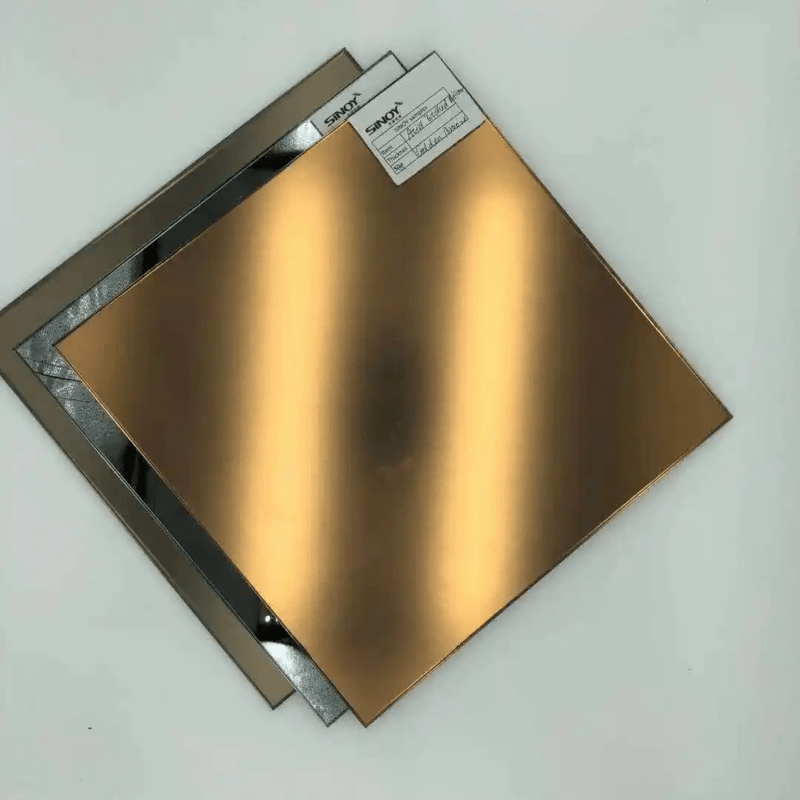
bent glass manufacturers
Bent glass manufacturers represent a specialized sector within the glass industry, focusing on the production of curved and shaped glass products that meet diverse architectural and industrial demands. These manufacturers utilize advanced thermal forming processes to transform flat glass sheets into precisely curved surfaces, creating products that combine aesthetic appeal with functional performance. The primary function of bent glass manufacturers involves heating flat glass to specific temperatures where it becomes malleable, then carefully shaping it using specialized molds and controlled cooling processes to achieve desired curvatures without compromising structural integrity. Modern bent glass manufacturers employ sophisticated computer-controlled furnaces that maintain precise temperature gradients, ensuring uniform heating and consistent results across large production runs. The technological features of contemporary bent glass manufacturers include advanced kiln systems with programmable temperature profiles, precision molding equipment, and quality control systems that monitor glass thickness, curvature accuracy, and surface quality throughout the manufacturing process. These manufacturers serve multiple industries including architecture, automotive, furniture, and display applications. In architectural applications, bent glass manufacturers create stunning curved facades, skylights, and interior partitions that enhance building aesthetics while maintaining structural performance. The automotive industry relies on bent glass manufacturers for windshields, side windows, and rear glass components that provide aerodynamic benefits and occupant safety. Furniture designers collaborate with bent glass manufacturers to produce elegant curved glass tables, shelving units, and decorative elements that showcase the material's versatility. Display and retail applications utilize bent glass manufacturers' products for showcase windows, point-of-sale displays, and exhibition installations where visual impact is paramount. The manufacturing process requires significant expertise in glass chemistry, thermal dynamics, and precision engineering to ensure consistent quality and dimensional accuracy across diverse product specifications.

 EN
EN